


Fine Line : The Art of Precision
The Art of Precision
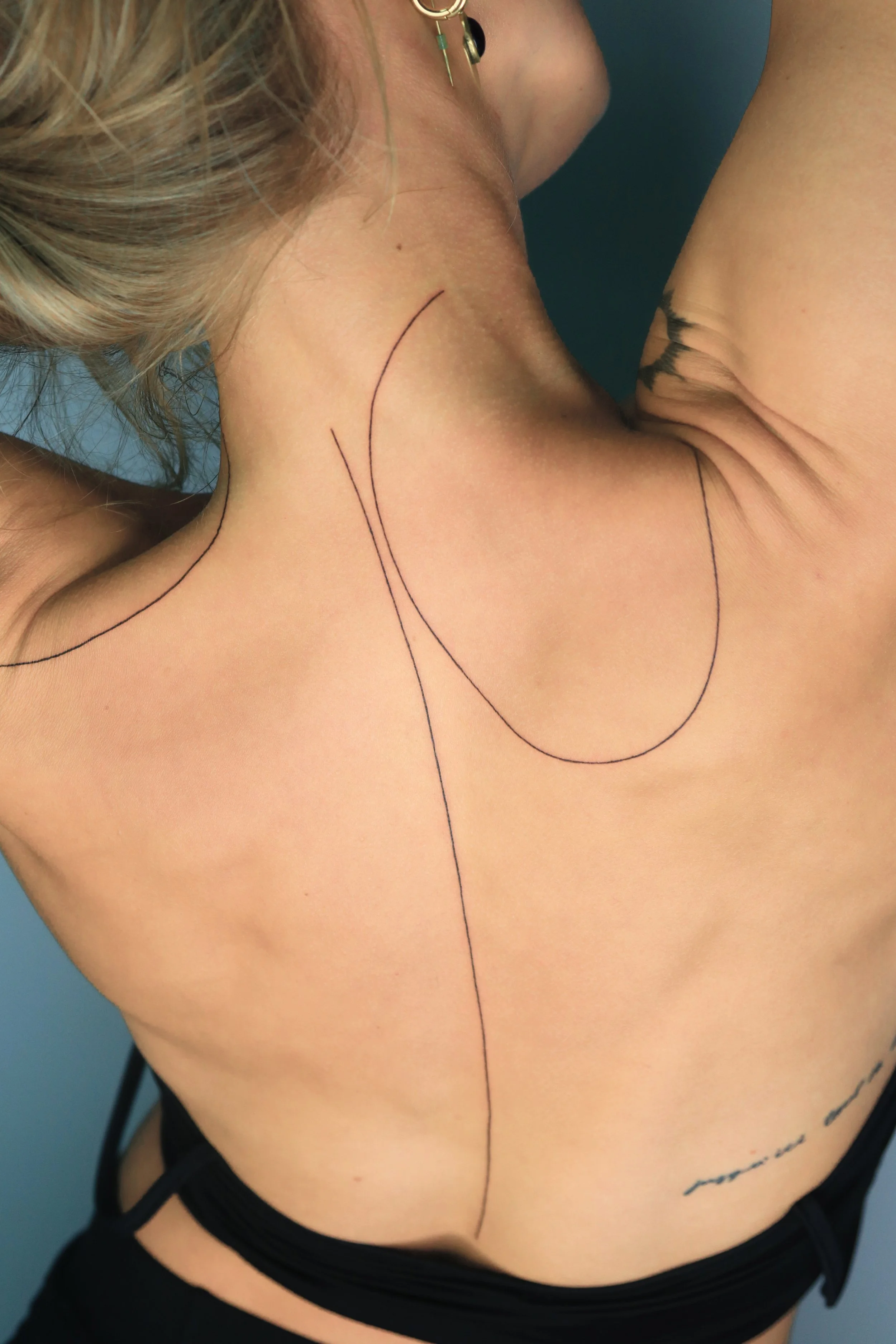
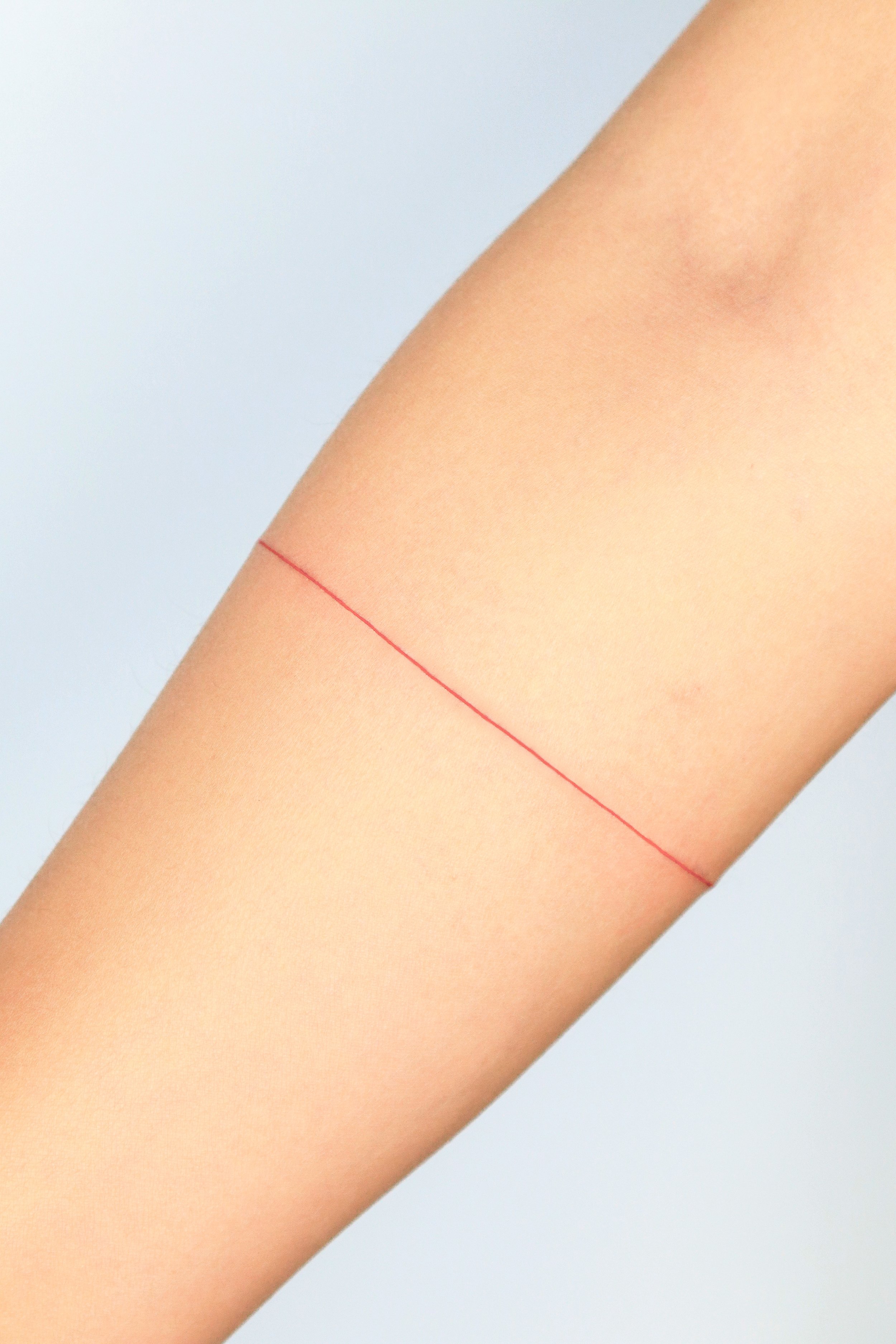
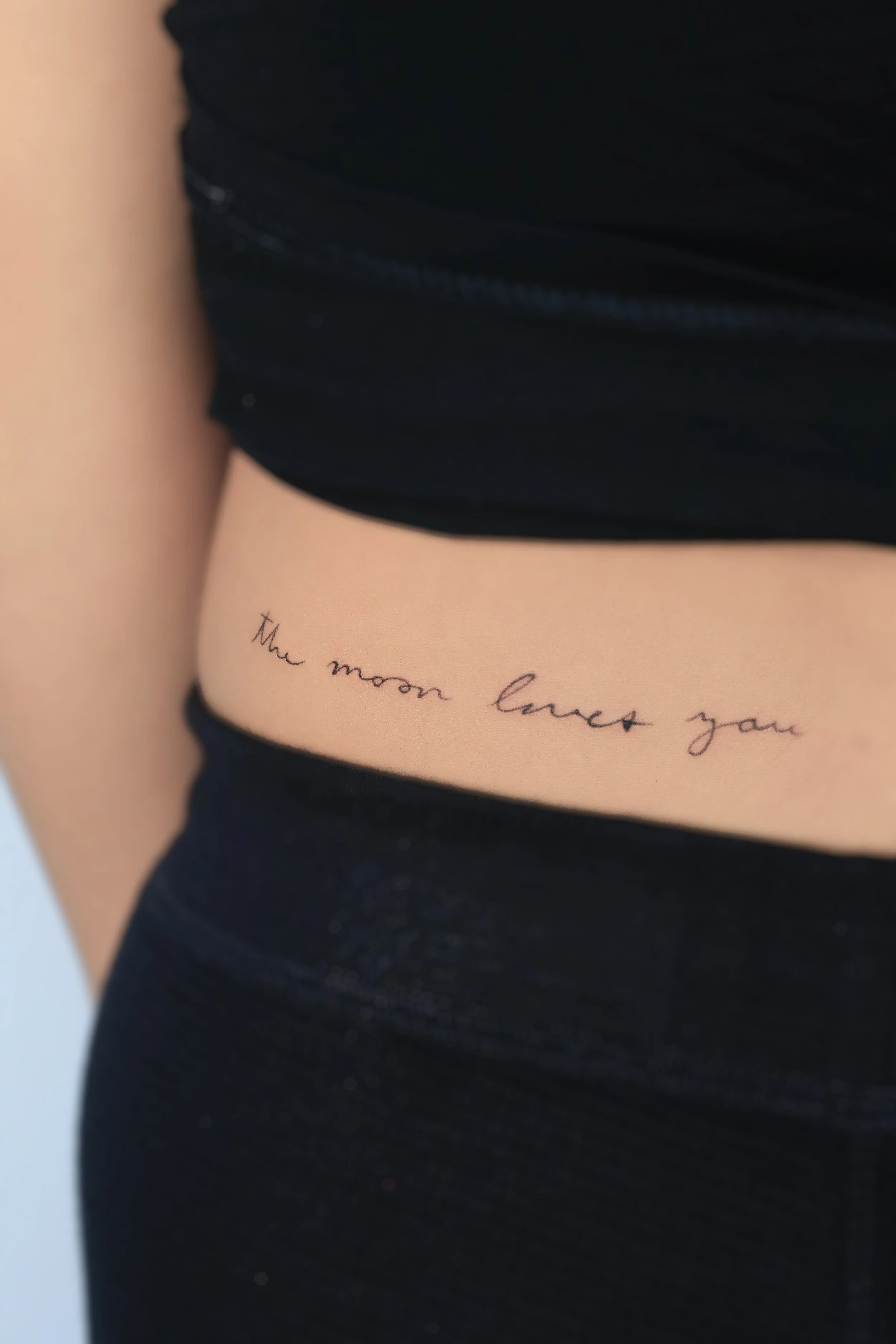
Because these tattoos lack heavy shading or thick borders to hide imperfections, the technical skill required is immense. Every stroke must be intentional.
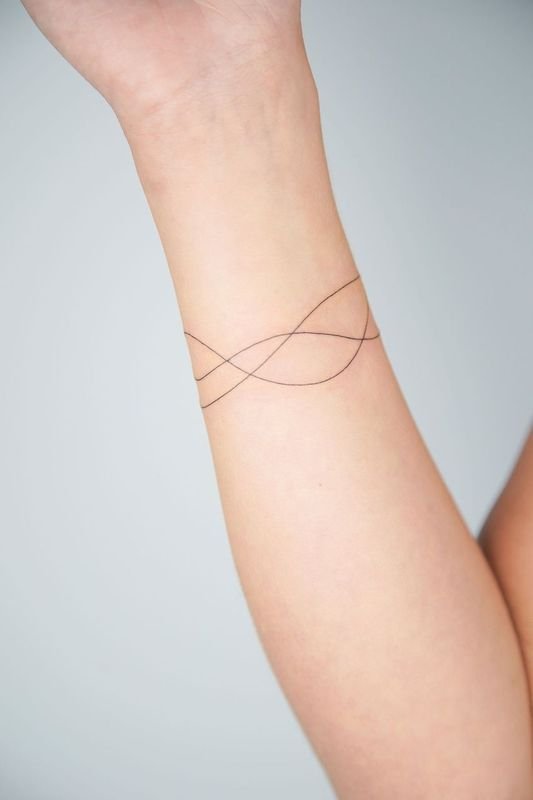
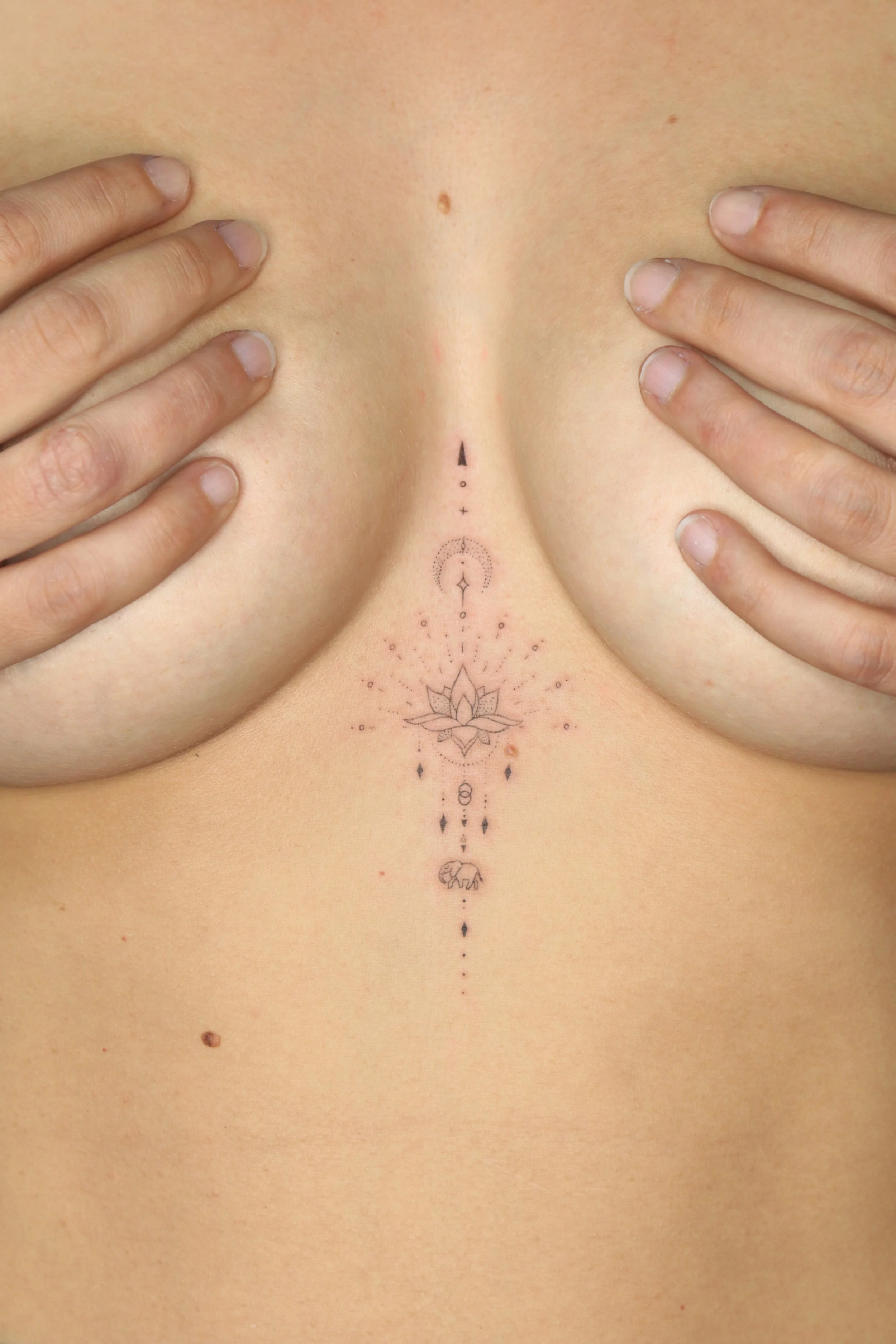
Symmetry: Perfect for geometric patterns, mandalas, or mirrored designs where exactness is non-negotiable.
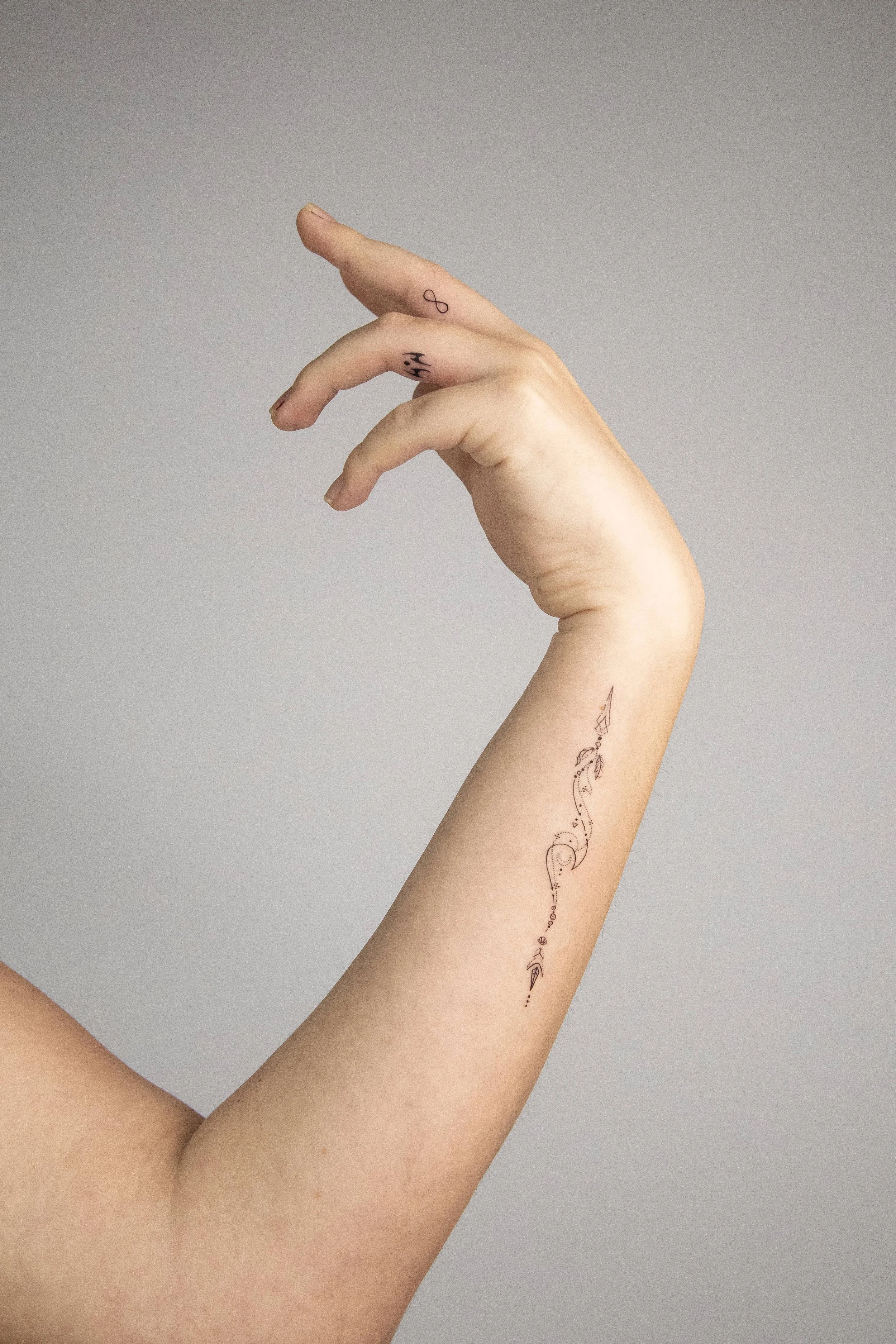
Clarity: Even at a small scale, the linework remains sharp and legible, mimicking the look of a fine-tip technical pen on paper.
Subtlety: The "less is more" approach allows for intricate artwork that feels like a permanent piece of jewelry or a sophisticated sketch on the skin.




Why Choose This Style?
Versatility: Ideal for everything from minimalist botanical illustrations to complex architectural blueprints.
Aging: When executed with the correct depth and consistent pressure, fine line work heals into a soft, graceful part of the skin’s texture.
Aesthetic: It offers a modern, high-fashion look that complements the body's natural flow without over-powering it.
Tip: Because symmetry is the centerpiece of this style, placement is key. Areas with less skin elasticity—like the forearm, inner wrist, or sternum—often showcase the precision of the design best.
Why Choose This Style?
Q: Do fine line tattoos hurt more?
A: Generally, no. Because the needles are much thinner (often a single needle), the sensation is more of a "sharp scratch" than the heavy vibration of traditional tattoos. However, pain depends on placement; bony areas like ribs or sternum remain sensitive.
Q: Will the thin lines fade or blur over time?
A: Fine line tattoos are designed to look delicate. While all tattoos soften as skin ages, high-precision linework holds its shape best on areas with low friction (like the inner forearm). Sun protection is the #1 way to keep lines crisp.
Q: Can any design be made "fine line"?
A: Most can, but symmetry requires space. To maintain that sharp, "etched" look, very intricate details need enough room so the ink doesn't "bleed" together as it heals.
Q: How long does the healing process take?
A: They actually heal faster than traditional tattoos because they cause less trauma to the skin. The surface usually heals in 2 weeks, though deeper layers take about a month.
Q: Is a touch-up necessary?
A: For symmetrical and fine-liner work, a "perfection session" 4–8 weeks later is common. This ensures every line is perfectly saturated and the symmetry is flawless after the skin has settled.
The Luxury of Precision: Fine line work is an investment in technical excellence. Pricing is based on design complexity and scale, with custom quotes provided during your free consultation.