


Hyper-Realistic: The High-Definition Miniature
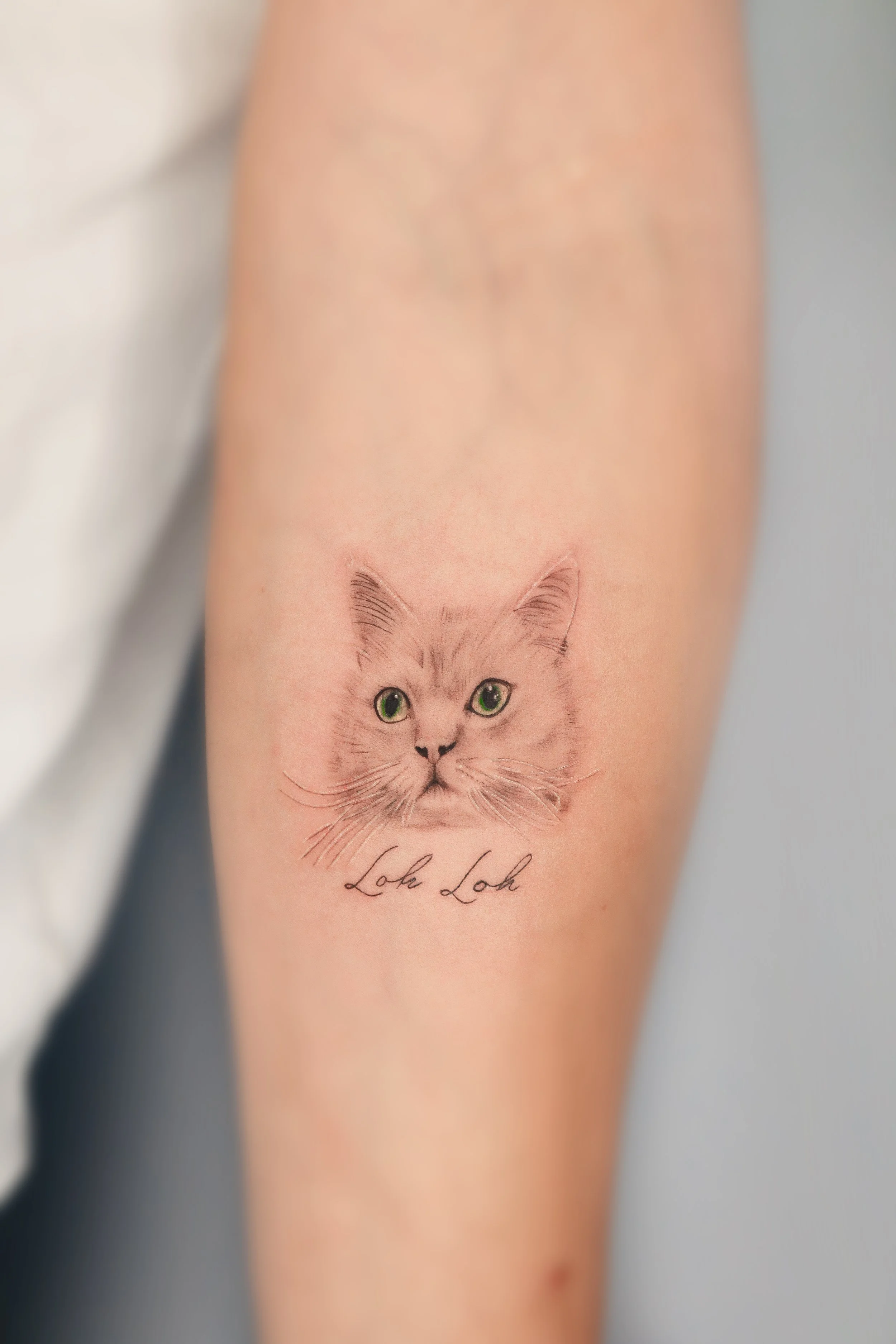
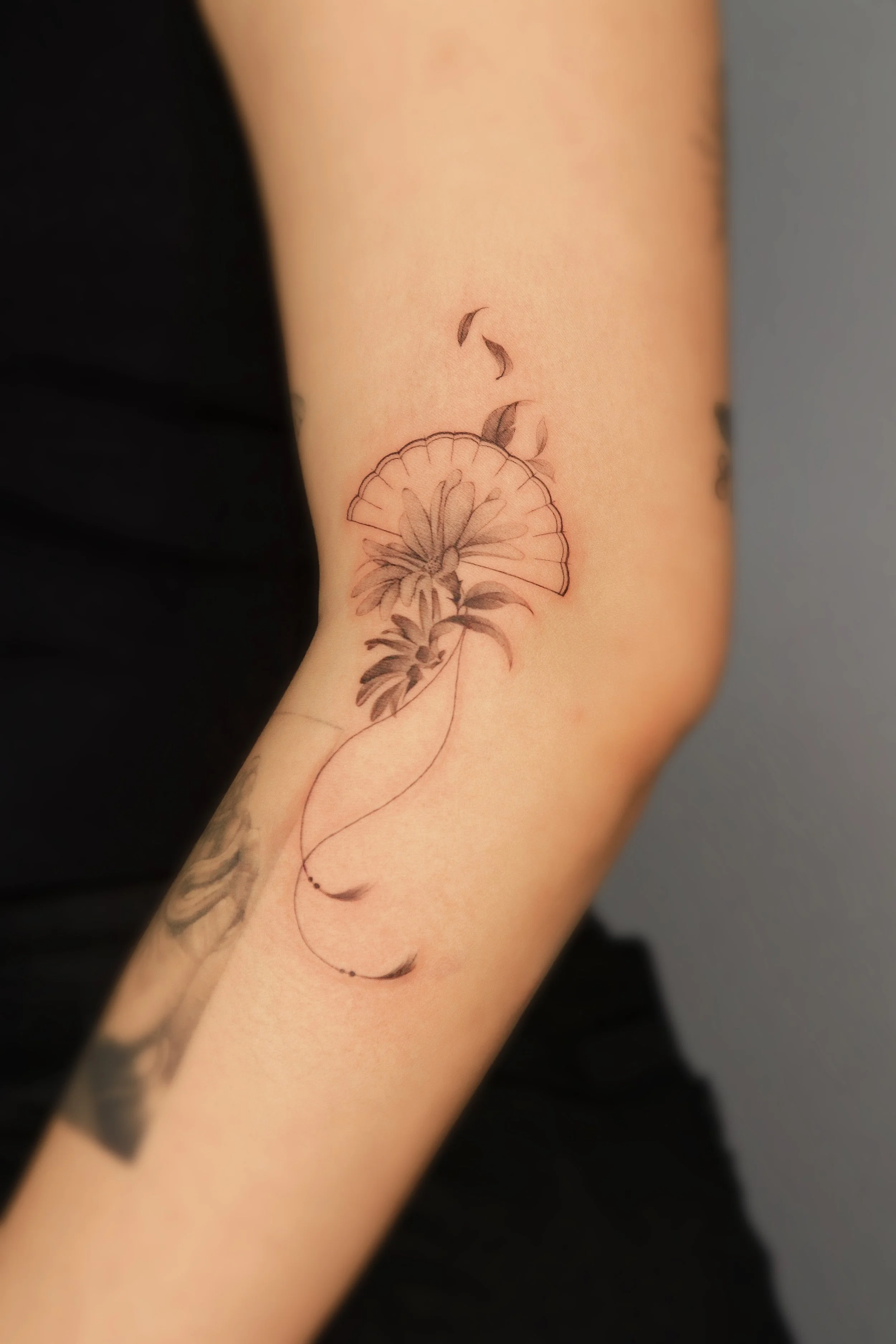
Hyper-realism is a technical style that shrinks high-fidelity imagery—portraits, nature, or classical art—into a tiny, coin-sized format. Using single-needle precision, artists mimic the textures and lighting of a photograph, creating a "hyper-realistic" 3D effect on a 2D surface.
Precision: Uses the thinnest needles to create hair-fine lines.
Contrast: Relies on soft grey gradients and white highlights instead of heavy outlines.
Scale: Typically fits within a 1 ( 2.5 cm ) to 3-inch ( 7.5cm ) area.





The "Why" Behind Hyper-Realism
Minimalist Luxury: It offers the look of a high-end painting but fits discreetly on a wrist, ankle, or forearm.
Low Body Real Estate: You don't need a full "sleeve" to get a realistic portrait of a pet or a loved one.
Modern Aesthetic: It avoids the "heavy" look of traditional tattoos, feeling more like an accessory or fine jewelry.
1. How long does it take to heal?
The initial surface healing takes 2–3 weeks. However, because these tattoos use extremely fine needles, the skin undergoes less trauma than a traditional "bold" tattoo, often making the first few days more comfortable.Note: Complete healing of deeper skin layers takes up to 6 months.
2. Does it hurt more than regular tattoos?
It is a different kind of pain.Micro-Realism: Feels like a sharp, annoying scratch (since the needle is so thin).Traditional: Feels like a dull, burning pressure. Because sessions are long and the artist works on a tiny area repeatedly, the "sting" can build up over time.
3. Why is it so expensive if it's tiny?
You aren't paying for size; you are paying for density of detail.A 2-inch ( 5 cm ) realistic eye might take 4 hours to complete, whereas a 2-inch ( 5 cm ) heart outline takes 15 minutes.You are paying for the artist's specialized training in single-needle "photographic" techniques.
4. Will it turn into a "blob" later?
Not necessarily, but it is at higher risk than other styles. To prevent blurring:Ensure there is enough contrast (bright whites and dark blacks).Don't go too small—most artists recommend at least 2–3 inches (5cm-7.5cm) for a portrait.Avoid areas like fingers or feet where the skin turns over quickly.
FAQHyper-realism is for those who want a miniature masterpiece—maximum detail in a minimal space. If you value sophisticated, photographic precision over bold outlines, this is your style. It is high-end, discreet, and breathtakingly realistic.
Ready to turn your idea into a tiny work of art?