Dark Abstract Tattoo: Design, Artistry & Expert Guide
The dark abstract tattoo has emerged as one of the most compelling forms of body art in contemporary tattoo culture, combining the raw power of black ink with the intellectual depth of abstract expressionism. This style transcends traditional tattoo boundaries, offering clients a unique opportunity to wear art that communicates emotion, energy, and personal philosophy without relying on literal imagery. For those seeking sophisticated body art that balances aesthetic impact with conceptual depth, understanding the nuances of dark abstract tattoo design becomes essential to achieving a piece that resonates for decades.
Understanding the Dark Abstract Tattoo Aesthetic
The foundation of any dark abstract tattoo lies in its relationship with blackwork tattoos, which emphasizes bold black ink application across large areas of skin. Unlike representational tattoos that depict recognizable subjects, abstract designs communicate through form, movement, and negative space. This approach allows artists to create compositions that feel simultaneously ancient and futuristic, drawing from tribal traditions while incorporating contemporary design principles.
Dark abstract tattoos typically feature:
High contrast compositions that maximize the visual impact of black ink against skin
Organic flowing shapes that interact with body anatomy and muscle structure
Geometric precision balanced with fluid, spontaneous elements
Negative space utilization as an active design component rather than empty background
Layered depth through varied line weights and shading techniques
The relationship between darkness and abstraction creates a visual language that speaks to viewers on an emotional rather than literal level. When executed by skilled artists specializing in fine line and detailed tattoo designs, these pieces become wearable sculptures that transform the body into a canvas for pure expression.
The Evolution of Abstract Blackwork
Modern dark abstract tattoo design has evolved significantly from its tribal origins. Contemporary tattoo design now treats the body as a three-dimensional canvas where contrast, movement, and anatomical awareness combine to create cohesive visual experiences. Artists must consider how designs wrap around muscles, how they appear in motion, and how aging skin will affect the composition over decades.
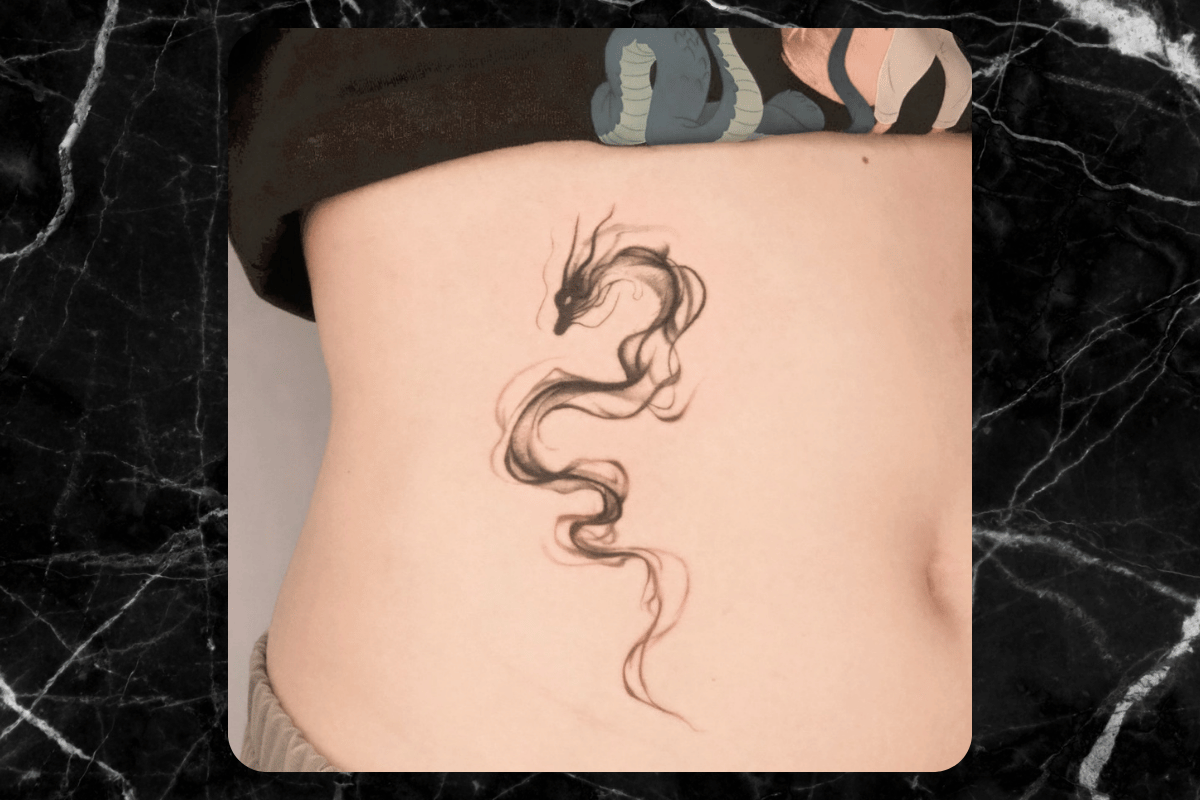
Dark abstract tattoo design principle
Design Elements and Compositional Strategies
Creating an effective dark abstract tattoo requires mastery of several core design principles that distinguish exceptional work from mediocre attempts. The interplay between positive and negative space becomes crucial, as does the artist's ability to balance controlled precision with expressive freedom.
Core Design Components
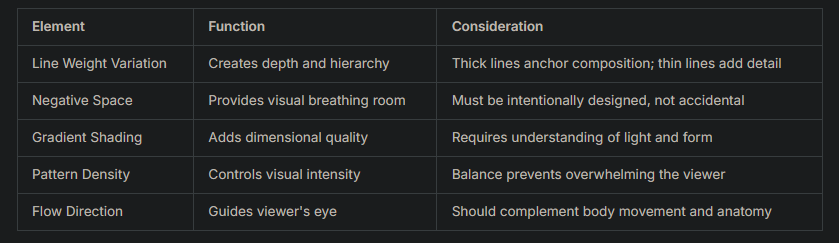
The most successful dark abstract tattoos demonstrate intentional decision-making at every level. Artists working in this style must understand not only technical execution but also compositional theory that governs how elements interact across the skin canvas. This complexity makes choosing the right tattoo artist particularly critical for abstract work.
Emerging Trends in Dark Abstract Design
The tattoo landscape continually evolves, with new aesthetic movements influencing how artists approach dark abstract work. Cybersigilism, for instance, represents a contemporary fusion of blackwork with digital glitch aesthetics and mystical symbolism, creating pieces that feel both ancient and futuristic. This trend demonstrates how dark abstract tattoo design adapts to cultural shifts while maintaining its core emphasis on bold black ink and non-representational forms.
Other notable developments include:
Biomechanical abstraction that suggests organic machinery without literal depiction
Brush stroke emulation bringing calligraphic energy to skin art
Architectural geometry incorporating mathematical precision into flowing compositions
Void work using solid black areas to create sculptural negative space effects
These approaches expand the vocabulary available to clients and artists, offering fresh perspectives on what constitutes a dark abstract tattoo in 2026.
Technical Execution and Artistic Considerations
The physical process of creating dark abstract tattoos demands specialized technical skills beyond basic tattooing competency. Black ink behaves differently than colored pigments, requiring artists to understand saturation levels, healing characteristics, and long-term aging patterns specific to heavy blackwork applications.
Ink Selection and Application
Professional studios working with dark abstract designs must consider the biological implications of their ink choices. Research examining tattoo ink absorption and excretion reveals that substances within black inks interact with the body in complex ways, with pigment particles migrating through tissue over time. Reputable artists prioritize high-quality, safety-tested inks that minimize potential complications while delivering the deep, saturated blacks essential to this aesthetic.
Application techniques for dark abstract work include:
Whip shading for smooth gradient transitions
Packing solid blacks to achieve maximum opacity and coverage
Stippling for textural variation within dark areas
Line work layering to build dimensional quality
Strategic skin breaks to prevent overworking tissue in single sessions
Understanding what happens during a tattoo session helps clients prepare mentally and physically for the intensive nature of large-scale dark abstract pieces, which often require multiple appointments to complete safely.
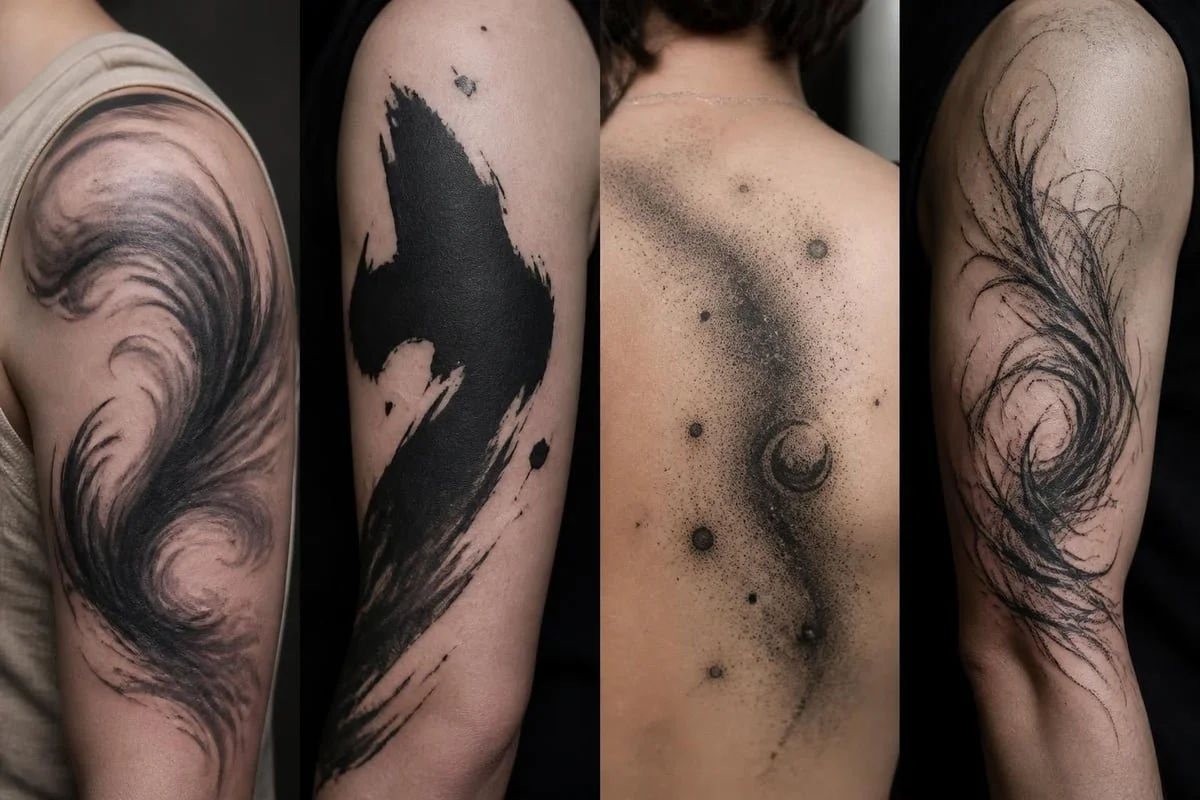
Dark abstract tattoo technique comparison
Health and Safety Considerations
The extensive use of black ink in dark abstract tattoos necessitates awareness of potential complications. Comprehensive research on tattoo adverse reactions indicates that while serious complications remain relatively rare, black ink can trigger specific inflammatory responses in certain individuals. Professional consultation before committing to large-scale blackwork allows artists to assess individual risk factors and discuss any concerns about pigment sensitivity.
Responsible studios implement protocols including:
Patch testing for clients with sensitive skin or allergy histories
Staged application breaking large pieces into manageable sessions
Post-procedure monitoring ensuring proper healing between appointments
Transparent ingredient disclosure providing clients with ink composition information
Proper aftercare education maximizing healing success and long-term results
These practices protect both client health and artistic integrity, ensuring dark abstract tattoos heal properly and maintain their visual impact over time.
Placement Strategies for Maximum Impact
The location of a dark abstract tattoo profoundly influences its visual effectiveness and longevity. Unlike smaller, discrete pieces, abstract blackwork typically occupies substantial skin real estate, requiring thoughtful consideration of anatomical contours, lifestyle factors, and future expansion possibilities.
Optimal Placement Zones
Different body areas offer distinct advantages for dark abstract tattoo work:
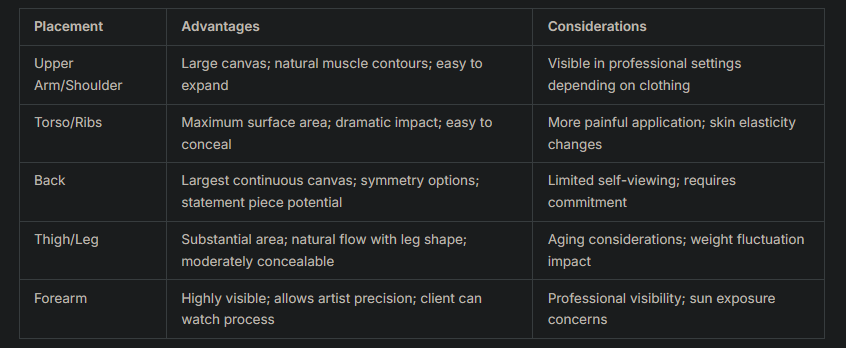
Choosing the perfect tattoo placement requires balancing aesthetic preferences with practical lifestyle considerations. Dark abstract tattoos make bold statements regardless of placement, but some locations facilitate more cohesive compositions than others.
Anatomical Awareness in Design
Expert artists design dark abstract tattoos with specific anatomical knowledge, ensuring patterns enhance rather than fight against the body's natural architecture. Muscle groups, bone structures, and movement patterns all influence how designs appear both at rest and in motion. This three-dimensional thinking separates exceptional dark abstract work from flat, poorly conceived pieces that ignore the living canvas beneath the ink.
Successful anatomical integration considers:
Muscle flexion patterns and how they affect design visibility
Natural skin fold locations that could interrupt visual flow
Body symmetry when creating balanced compositions
Future body changes including aging, weight fluctuation, and muscle development
Expansion potential allowing the piece to grow organically if desired
This holistic approach ensures dark abstract tattoos remain visually compelling throughout the client's lifetime, adapting gracefully as the body changes.
Customization and Personal Expression
While dark abstract tattoos eschew literal imagery, they offer profound opportunities for personal expression through symbolic abstraction. Shapes, patterns, and compositional choices can encode personal meaning visible only to the wearer or represent universal concepts through visual metaphor.
Collaborative Design Process
Creating a meaningful dark abstract tattoo demands genuine collaboration between artist and client. This partnership typically unfolds through several stages:
Conceptual consultation discussing themes, emotions, and symbolic intentions
Visual research exploring reference materials, existing work, and inspirational sources
Preliminary sketching developing rough compositional ideas
Refinement iterations adjusting proportions, density, and flow
Anatomical placement testing using stencils or temporary markings to preview the design
Final approval ensuring alignment between artist vision and client expectations
This thorough process, familiar to those who understand what to expect during a first tattoo session, ensures the final dark abstract tattoo authentically represents the client's vision while benefiting from the artist's technical expertise and aesthetic judgment.
Balancing Artist Vision and Client Input
The most successful dark abstract tattoos emerge when clients trust their artist's creative judgment while maintaining clear communication about personal preferences and boundaries. Unlike more conventional tattoo styles with established templates, abstract work thrives on artistic interpretation and spontaneous decision-making during application.
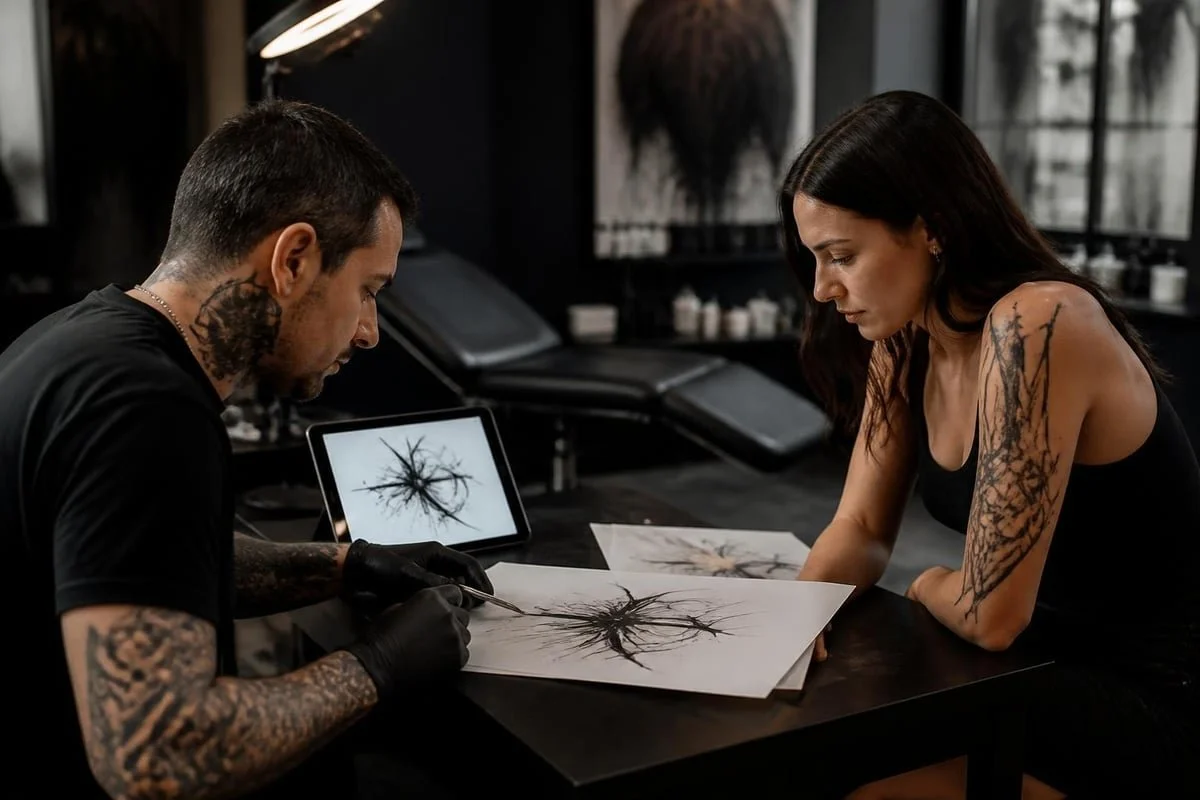
Custom dark abstract tattoo design process
Clients should prepare to:
Articulate emotional rather than literal descriptions of desired outcomes
Provide visual references showing preferred aesthetics, not exact copies
Remain open to artist suggestions regarding composition and placement
Trust the creative process even when preliminary sketches seem incomplete
Communicate concerns promptly before permanent application begins
This balance creates space for artistic excellence while ensuring the final piece resonates personally with the wearer.
Long-Term Care and Maintenance
Dark abstract tattoos require ongoing care to preserve their visual impact across decades. The extensive use of black ink presents both advantages and challenges for long-term maintenance, with proper care protocols significantly influencing aging characteristics.
Essential Aftercare Protocols
Immediate post-tattoo care determines healing quality and color retention. Understanding tattoo aftercare essentials becomes particularly important for large-scale dark abstract pieces, which may require weeks of careful attention during the healing process.
Critical aftercare steps include:
Gentle washing with fragrance-free, antibacterial soap three times daily
Minimal moisture application using artist-recommended unscented lotions
Avoiding submersion in pools, oceans, or baths for 2-3 weeks
Preventing sun exposure during the healing phase and beyond
Resisting picking or scratching as scabs form and shed naturally
Wearing loose clothing that doesn't irritate the healing tattoo
These protocols support optimal healing, ensuring the dark abstract tattoo maintains its intended appearance once fully settled into the skin.
Protecting Against Fading and Degradation
Black ink demonstrates remarkable longevity compared to colored pigments, but environmental factors still affect appearance over time. Professional guidance on caring for tattooed skin emphasizes sun protection as the single most important long-term maintenance practice.
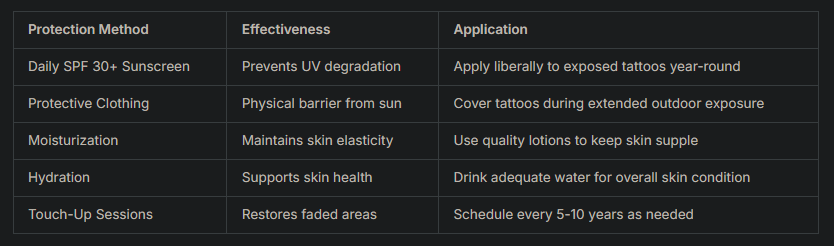
Consistent protection preserves the sharp contrast and solid blacks that define exceptional dark abstract tattoo work, ensuring the piece maintains its visual impact throughout the wearer's lifetime.
When to Consider Touch-Ups
Even with excellent care, dark abstract tattoos may eventually require professional touch-ups to restore their original intensity. Signs that maintenance work may be beneficial include:
Fading in high-friction areas where clothing constantly rubs
Lightening from sun exposure despite protection efforts
Blurred line work as skin ages and changes texture
Desire for additional elements to expand or enhance the existing design
Uneven healing that created lighter patches during initial application
Quality studios maintain relationships with clients across years, offering maintenance services that keep dark abstract tattoos looking fresh and intentional rather than tired and faded.
Selecting the Right Artist for Dark Abstract Work
Not all tattoo artists possess the specialized skills required for exceptional dark abstract tattoo execution. This style demands particular competencies in composition, black ink application, and abstract visual thinking that extend beyond basic tattooing proficiency.
Evaluating Artist Portfolios
When researching potential artists for dark abstract work, examine portfolios with critical attention to specific quality markers:
Consistency in solid black application without patchiness or uneven saturation
Sophisticated compositional balance showing understanding of negative space
Clean, precise line work with consistent weight and intentional variation
Healed work examples demonstrating how pieces age over time
Stylistic coherence indicating a developed artistic voice rather than imitation
Artists specializing in fine line and detailed tattoo designs often possess the technical precision necessary for complex dark abstract compositions, though not all fine line specialists excel at bold blackwork. Look for artists who demonstrate versatility across different black ink techniques.
Questions to Ask During Consultation
A thorough consultation reveals whether an artist truly understands dark abstract tattoo design or merely mimics surface aesthetics. Productive questions include:
How do you approach designing custom abstract compositions?
What techniques do you use for achieving solid, saturated blacks?
Can you show examples of your work after 2-5 years of healing?
How many sessions do you estimate for a piece of this size?
What's your process for ensuring anatomical flow in the design?
How do you handle client feedback during the design phase?
Artists who provide thoughtful, detailed responses demonstrate the depth of understanding necessary for creating meaningful dark abstract work. Those who rush consultations or provide vague answers may lack the expertise required for this demanding style.
Studio Environment and Professional Standards
The quality of a dark abstract tattoo depends not only on artistic skill but also on studio professionalism and hygiene standards. When visiting potential studios, observe:
Cleanliness protocols including autoclave sterilization and single-use needles
Professional licensing and health department certifications
Artist credentials including training, apprenticeships, and experience
Client comfort measures providing appropriate seating, breaks, and amenities
Portfolio presentation showing pride in both process and results
Studios that maintain high standards across all operational aspects typically produce superior dark abstract tattoos while prioritizing client safety and satisfaction.