Color Butterfly Tattoo: Design Guide & Inspiration
A color butterfly tattoo represents one of the most popular and versatile choices in contemporary body art, combining natural beauty with profound symbolism. These designs have evolved from simple traditional patterns to intricate, multi-dimensional artwork that captures the delicate grace and vibrant hues found in nature. Whether you're drawn to realistic renditions featuring accurate species details or prefer stylized interpretations with artistic color palettes, butterfly tattoos offer endless creative possibilities that can be tailored to reflect your personal journey, transformation, and aesthetic preferences.
Understanding the Symbolism Behind Butterfly Tattoos
Butterfly imagery carries powerful meaning across cultures and personal narratives. The most universal symbolism centers on transformation and rebirth, as butterflies undergo complete metamorphosis from caterpillar to chrysalis to their final winged form. This biological journey mirrors human experiences of personal growth, overcoming challenges, and emerging stronger from difficult periods.
Cultural Meanings and Personal Significance
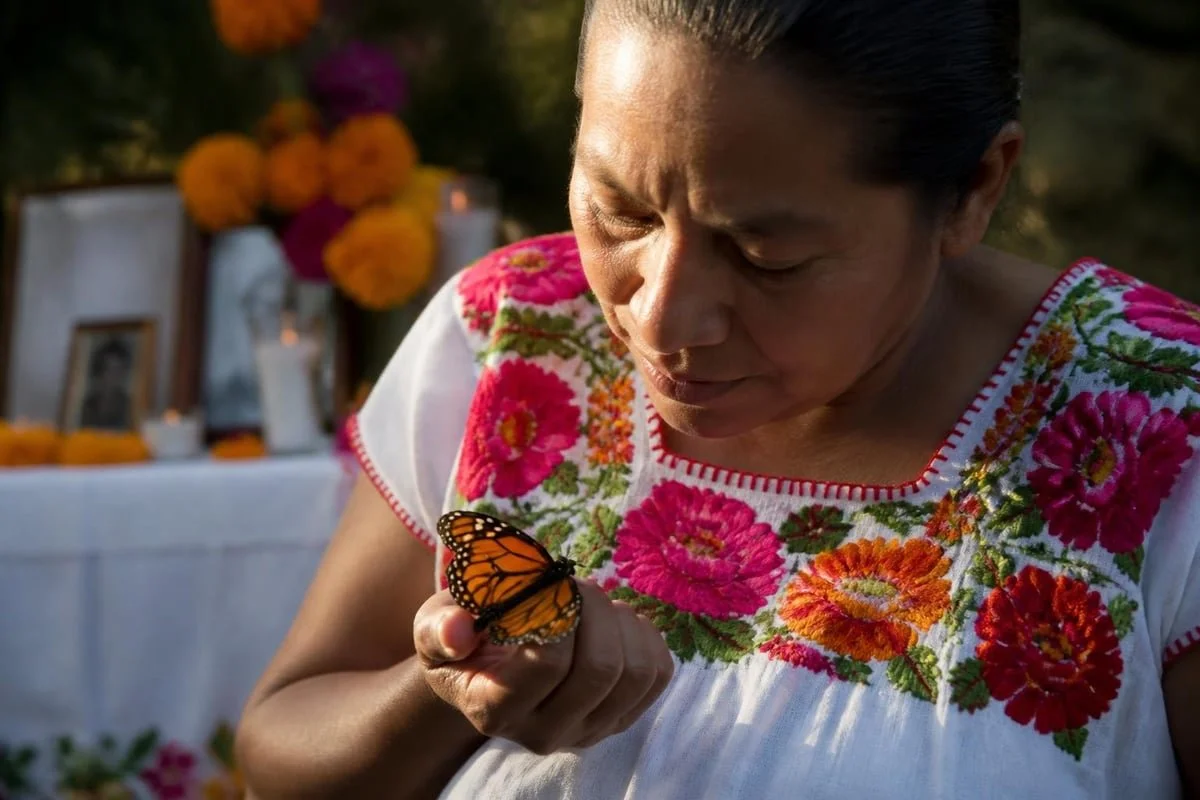
Different cultures attribute unique meanings to butterflies that can inform your design choices. In Japanese culture, butterflies represent the soul and marital happiness, while ancient Greek mythology associated them with the psyche or soul. Mexican traditions view butterflies as visiting spirits of deceased loved ones, particularly during Día de los Muertos celebrations.
Personal significance often drives color butterfly tattoo choices. Many individuals select specific hues to represent:
Life milestones and achievements
Memorial tributes to lost loved ones
Recovery from illness or trauma
Career transitions or new beginnings
Spiritual awakening or enlightenment
The versatility of butterfly symbolism makes these designs deeply personal while remaining universally recognizable. Understanding the symbolism behind tattoo designs can help you develop meaningful artwork that resonates with your story.
Butterfly tattoo symbolism across cultures
Selecting the Perfect Color Palette
Color selection transforms a butterfly tattoo from simple outline to stunning visual masterpiece. The right palette enhances the design's impact while ensuring longevity and clarity on your specific skin tone.
Realistic Versus Artistic Color Approaches
Realistic butterfly tattoos replicate actual species with scientific accuracy. Popular choices include:
Monarch butterflies: Vibrant orange, black, and white patterns
Blue Morpho: Iridescent electric blue with darker edges
Swallowtails: Yellow and black striped patterns with distinctive tail projections
Painted Lady: Soft pinks, oranges, and browns with intricate spotted details
Artistic interpretations allow creative freedom with unconventional colors. These designs might incorporate:
Watercolor effects with bleeding edges and gradient transitions
Neon or UV-reactive inks for bold, modern aesthetics
Pastel palettes for softer, feminine presentations
Galaxy or cosmic themes with purples, blues, and star-like white details
When choosing the best colours for your tattoo, consider how different pigments heal on various skin tones. Deeper skin tones often showcase vibrant jewel tones beautifully, while lighter complexions can support delicate pastel work.
Color Longevity and Maintenance
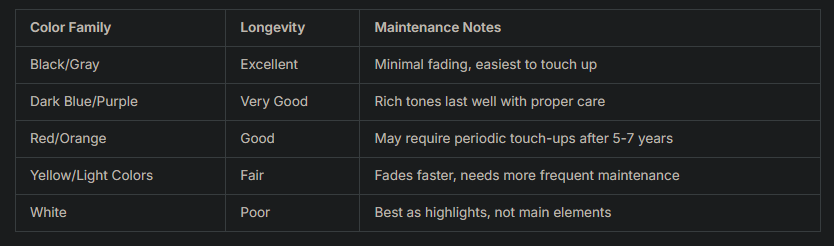
Different pigments fade at varying rates. Understanding color durability helps set realistic expectations:
Design Styles for Color Butterfly Tattoos
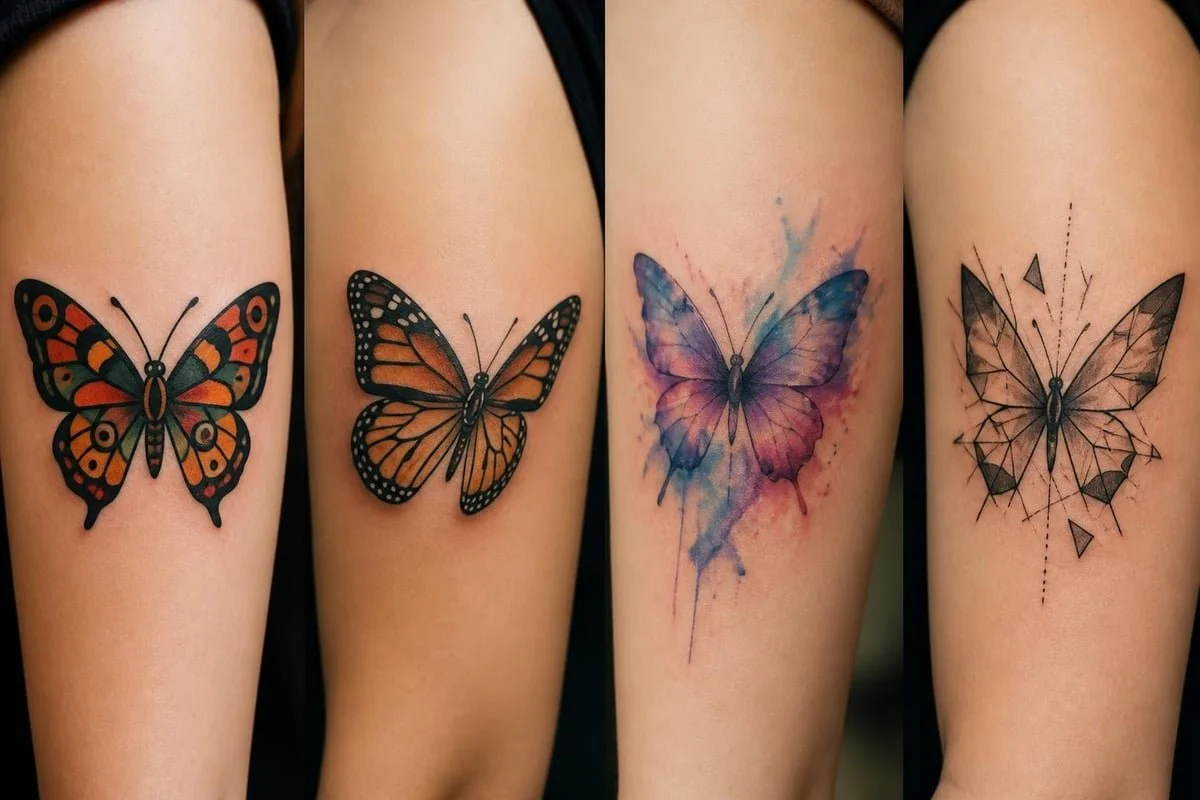
The artistic approach you choose dramatically impacts the final appearance of your color butterfly tattoo. Each style offers distinct advantages and creates different visual effects.
Traditional and Neo-Traditional Styles
Traditional American tattoos feature bold black outlines, limited color palettes, and classic compositions. Neo-traditional designs expand on this foundation with:
More complex color gradients and shading
Enhanced dimensional details in wings
Ornamental elements like flowers, gems, or decorative frames
Greater anatomical accuracy while maintaining bold aesthetic
These styles work exceptionally well for medium to large butterfly pieces where bold lines remain visible over time.
Realistic and Hyper-Realistic Approaches
Realistic butterfly tattoos demand exceptional technical skill to capture authentic details. These designs feature:
Accurate wing patterns matching actual species
Subtle color gradations replicating natural iridescence
Detailed vein structures within wing membranes
Three-dimensional shading creating depth and movement
Hyper-realistic work often includes environmental elements like flowers, branches, or dewdrops to create complete scenes. When exploring top tattoo styles, realistic butterfly work consistently ranks among the most requested designs.
Watercolor and Abstract Techniques
Watercolor butterfly tattoos create stunning artistic statements through:
Flowing color washes that extend beyond traditional boundaries
Minimal or absent black outlines for softer appearance
Splatter effects and color bleeds
Impressionistic rather than literal representation
Abstract interpretations deconstruct butterfly forms into geometric shapes, line work, or minimalist representations. These contemporary approaches suit clients seeking unique, artistic expressions rather than traditional imagery.
Butterfly tattoo style comparison
Optimal Placement Considerations
Placement significantly impacts how your color butterfly tattoo appears and ages. Different body locations offer unique advantages for showcasing detailed color work.
Popular Placement Options
Shoulder and upper back locations provide excellent canvases for larger butterfly designs. These areas offer:
Minimal stretching or distortion over time
Natural contours that enhance three-dimensional appearance
Adequate space for detailed color work and wing spread
Easy concealment when needed for professional settings
Forearm and wrist placements suit smaller to medium designs. Benefits include:
High visibility for personal enjoyment
Relatively flat surface for clear detail rendering
Lower pain levels compared to bony areas
Excellent for matching pairs or cluster compositions
Ankle and foot locations create delicate, feminine presentations. Consider:
Smaller scale designs work best in these compact areas
Higher pain levels due to proximity to bone
More frequent sun exposure requiring diligent protection
Slower healing due to constant movement and footwear friction
For comprehensive guidance on choosing the perfect tattoo placement, consult with experienced artists who understand how body contours affect design appearance.
Size and Scale Recommendations
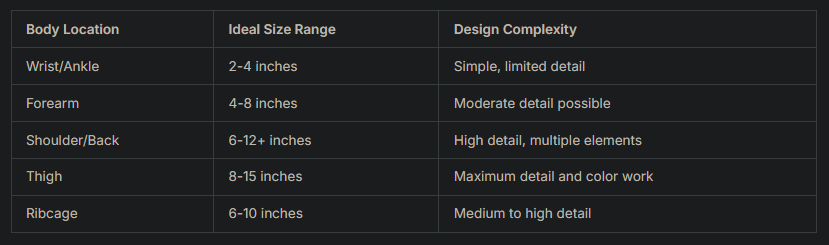
Larger placements accommodate more color variation and intricate shading techniques that make color butterfly tattoos truly spectacular.
Customizing Your Design
Personalization transforms generic butterfly imagery into meaningful artwork that tells your unique story. Several customization approaches create distinctive results.
Incorporating Additional Elements
Color butterfly tattoos gain depth and narrative through complementary elements:
Floral accompaniments: Roses, cherry blossoms, lotus flowers, or wildflowers matching seasonal themes
Natural settings: Branches, leaves, sky backgrounds, or garden scenes
Celestial additions: Moon phases, stars, or sun imagery representing timing or spiritual connection
Text integration: Names, dates, quotes, or meaningful phrases in complementary fonts
Geometric frameworks: Mandalas, sacred geometry, or architectural elements framing the butterfly
Species Selection and Meaning
Different butterfly species carry specific associations:
Monarch butterflies symbolize strength, endurance, and migration. Their distinctive orange and black pattern creates instantly recognizable designs perfect for bold color work.
Blue Morpho butterflies represent change, joy, and good luck. Their iridescent blue wings create stunning visual impact, especially when artists capture the metallic sheen through skilled shading.
Swallowtails signify grace, beauty, and transformation. The varied species within this family offer numerous color combinations from yellow and black to pink and green variations.
White butterflies symbolize purity, spiritual growth, and angelic presence. While challenging to render in pure white ink, these designs work beautifully with subtle gray shading and colored accents.
Technical Considerations for Color Work
Achieving stunning color butterfly tattoos requires understanding technical aspects of pigment application and skin interaction.
Ink Quality and Color Saturation
Professional tattoo studios invest in premium pigments that provide:
Consistent color saturation across all hues
Reduced risk of allergic reactions
Better longevity and fade resistance
Broader range of shade variations for gradient work
Color packing technique ensures vibrant results. Artists make multiple passes to deposit adequate pigment depth, creating rich, saturated colors that maintain intensity through healing.
Skin Tone Considerations
Your natural skin tone affects how colors appear and age. When considering tattoo colours for different skin tones, remember:
Fair skin showcases pastels and light colors effectively
Medium tones support the widest color range
Deeper complexions excel with vibrant jewel tones and high contrast
All skin tones benefit from strategic black outlining for definition
Shading and Dimension Techniques
Creating three-dimensional appearance requires sophisticated shading:
Gradient transitions between colors for realistic wing patterns
Highlight placement suggesting light reflection on wing surfaces
Shadow work beneath wings creating floating or landing illusions
Texture rendering capturing scale-like patterns on wing membranes
Experienced artists understand how to layer colors for maximum depth without creating muddy or unclear results.
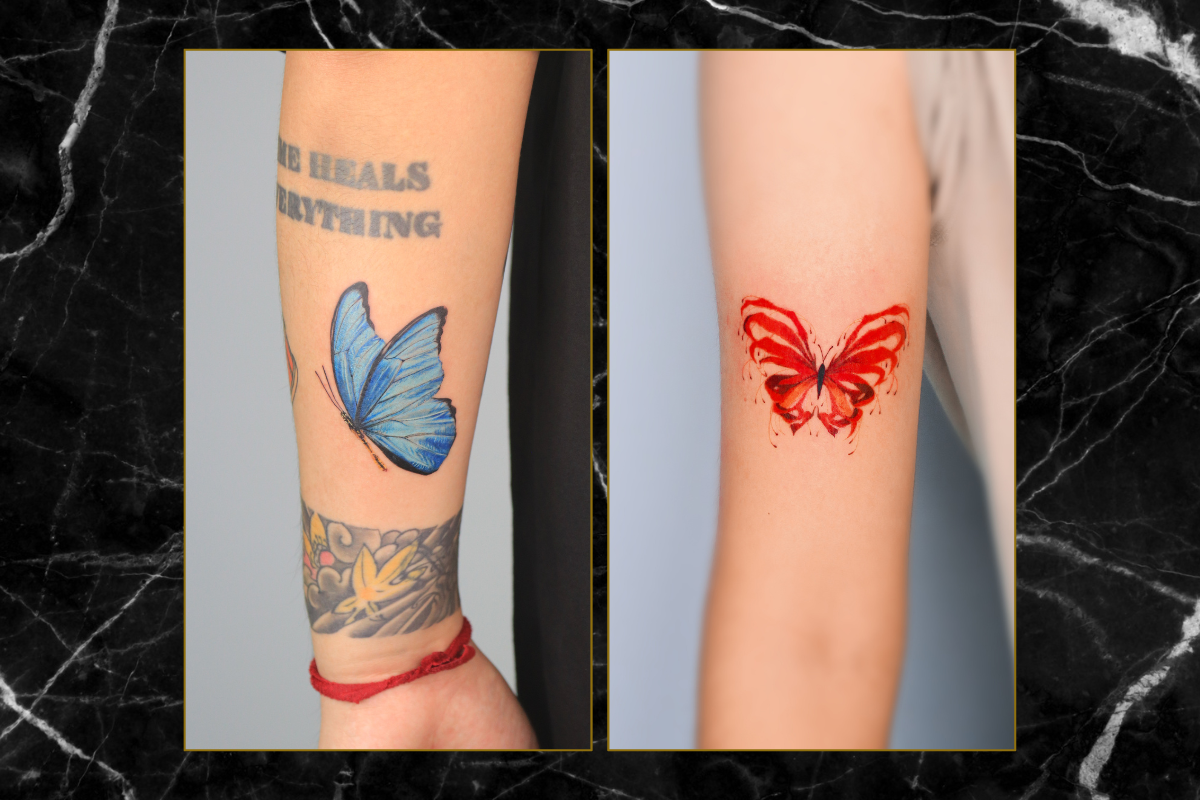
Color butterfly tattoo techniques
Working with Your Tattoo Artist
Successful color butterfly tattoo projects depend on effective collaboration with skilled professionals. Choosing the right tattoo artist ensures your vision becomes reality.
Portfolio Review and Artist Selection
Evaluate potential artists through these criteria:
Color work expertise: Review healed photos showing long-term color retention
Butterfly specialization: Examine previous butterfly pieces for style consistency
Technical proficiency: Assess line work crispness and shading smoothness
Size versatility: Confirm experience with your desired scale
Communication style: Ensure comfortable, professional interaction
Consultation Process
Productive consultations establish clear expectations. Prepare by:
Gathering reference images showing desired colors, styles, and compositions
Identifying specific butterfly species or artistic approaches
Discussing placement and size parameters
Understanding what to expect during your first tattoo session
Reviewing aftercare requirements specific to color work
Professional artists welcome questions and provide honest feedback about design feasibility, suggesting modifications that enhance rather than compromise your vision.
Custom Design Development
Quality studios create original artwork rather than copying existing designs. The development process typically includes:
Initial sketch review and revision requests
Color palette finalization with pigment samples
Size adjustment and placement confirmation
Stencil approval before beginning permanent work
Mid-session check-ins for client comfort and satisfaction
Aftercare for Color Butterfly Tattoos
Proper aftercare directly impacts healing quality and long-term color retention. Color work demands slightly more attention than black-and-gray pieces.
Immediate Post-Session Care
The first 24-48 hours prove critical for color preservation:
Keep the initial bandage on for the timeframe your artist recommends (typically 2-4 hours)
Gently wash with fragrance-free antibacterial soap and lukewarm water
Pat dry with clean paper towels rather than cloth towels
Apply thin layers of recommended aftercare ointment
Avoid soaking in water, swimming, or excessive sweating
Healing Timeline and Expectations

Understanding essential tattoo aftercare helps maintain the vibrant appearance of your color butterfly tattoo throughout the healing process.
Long-Term Color Maintenance
Preserving color vibrancy requires ongoing care:
Apply broad-spectrum SPF 30+ sunscreen to tattooed areas
Moisturize regularly with fragrance-free lotions
Avoid prolonged sun exposure, especially during peak hours
Schedule touch-up sessions every 5-10 years as needed
Maintain healthy skin through hydration and nutrition
Colors fade naturally over time, but proper care extends the period between necessary touch-ups significantly.
Cost Considerations and Investment
Color butterfly tattoos represent significant financial and time investments. Understanding pricing structures helps budget appropriately.
Pricing Factors
Professional color work commands premium rates due to:
Time requirements: Multiple sessions for large, detailed pieces
Skill level: Experienced color specialists charge higher rates
Pigment costs: Quality inks increase material expenses
Studio location: Prime locations in cities like Bangkok reflect market rates
Design complexity: Realistic or highly detailed work requires more hours
Budgeting for Quality
Typical price ranges for color butterfly tattoos:
Small designs (2-4 inches): $150-400
Medium pieces (5-8 inches): $400-1,200
Large artwork (9+ inches): $1,200-3,000+
Full back or thigh pieces: $3,000-8,000+
Remember that choosing artists based solely on low prices often results in disappointing outcomes requiring expensive cover-up work later. Quality color butterfly tattoos justify higher initial investment through superior results and longevity.
Addressing Common Concerns
Prospective clients frequently ask similar questions about color butterfly tattoos. Addressing these concerns helps make informed decisions.
Pain Management
Pain levels vary by placement, with bony areas causing more discomfort than fleshy locations. Color work requires multiple passes over the same area, potentially increasing sensation. Strategies for managing discomfort include:
Scheduling sessions at times when you're well-rested
Eating a substantial meal beforehand
Using approved numbing products if recommended by your artist
Taking breaks as needed during longer sessions
Practicing breathing techniques to manage stress responses
Color Allergies and Sensitivities
While rare, some individuals experience reactions to specific pigments. Red and yellow inks historically caused more allergic responses, though modern formulations have improved significantly. If you have sensitive skin or known allergies, request patch testing before committing to large color pieces.
Touch-Up Requirements
All color tattoos eventually need touch-ups as pigments fade. Factors affecting touch-up frequency include:
Sun exposure levels
Skin type and natural cell turnover rate
Original pigment saturation depth
Color choices (reds and yellows fade faster)
Aftercare diligence during healing
Most quality color butterfly tattoos maintain excellent appearance for 5-10 years before requiring significant touch-up work.
Seasonal and Trend Considerations
Butterfly tattoo popularity remains consistently high, though specific styles and color preferences evolve with broader tattoo trends.
Current Color Trends in 2026
Contemporary color butterfly tattoo trends include:
Bioluminescent effects: Incorporating UV-reactive inks for glowing details
Metallic accents: Gold, silver, and copper highlights creating luxurious appearance
Minimal color pops: Black-and-gray base with strategic color placement
Nature-inspired palettes: Earth tones and botanical color schemes
Gradient ombré: Smooth color transitions across wings
Timeless Versus Trendy Choices
When planning your color butterfly tattoo, balance current trends with timeless appeal:
Timeless elements that remain appealing include:
Natural color palettes matching real butterfly species
Classic placement on shoulders, backs, and forearms
Moderate sizing that ages well
Clean, well-executed technical work
Trendy elements to consider carefully include:
Extreme color combinations that may seem dated
Highly specific pop culture references
Oversized statement pieces in highly visible locations
Experimental techniques without proven aging results