Upper Sleeve Tattoo: Design Ideas & Expert Guide 2026
The upper sleeve tattoo has emerged as one of the most versatile and visually striking choices for body art enthusiasts worldwide. This strategic placement offers an ideal canvas for intricate designs while maintaining professional flexibility through easy concealment when needed. Whether you're considering your first major piece or expanding an existing collection, understanding the nuances of upper arm placement can significantly enhance your satisfaction with the final result. The upper sleeve provides enough surface area for detailed artwork while avoiding some of the pain points associated with other locations, making it a favored choice among both tattoo newcomers and seasoned collectors.
Understanding Upper Sleeve Tattoo Placement
The upper sleeve tattoo specifically covers the area from the shoulder to just above the elbow, creating a distinctive visual impact while offering practical advantages. This placement typically wraps around the circumference of the upper arm, providing artists with approximately 80 to 120 square inches of working space depending on individual anatomy.
Anatomical Considerations
The upper arm's muscular structure makes it an excellent foundation for tattoo work. Pain levels in this region remain moderate compared to bonier areas like ribs or ankles, as the deltoid and bicep muscles provide natural cushioning. Most clients report the experience as tolerable, particularly when working with experienced artists who understand proper needle depth and technique.
Visibility control represents a significant advantage of upper sleeve placement. Professional attire easily covers these tattoos, allowing individuals to maintain workplace standards while expressing personal style outside office hours. This flexibility makes the upper sleeve particularly appealing for professionals in conservative industries who still want substantial body art.
The upper arm tattoo placement offers unique benefits regarding both pain management and design potential, making it accessible for first-time sleeve recipients.
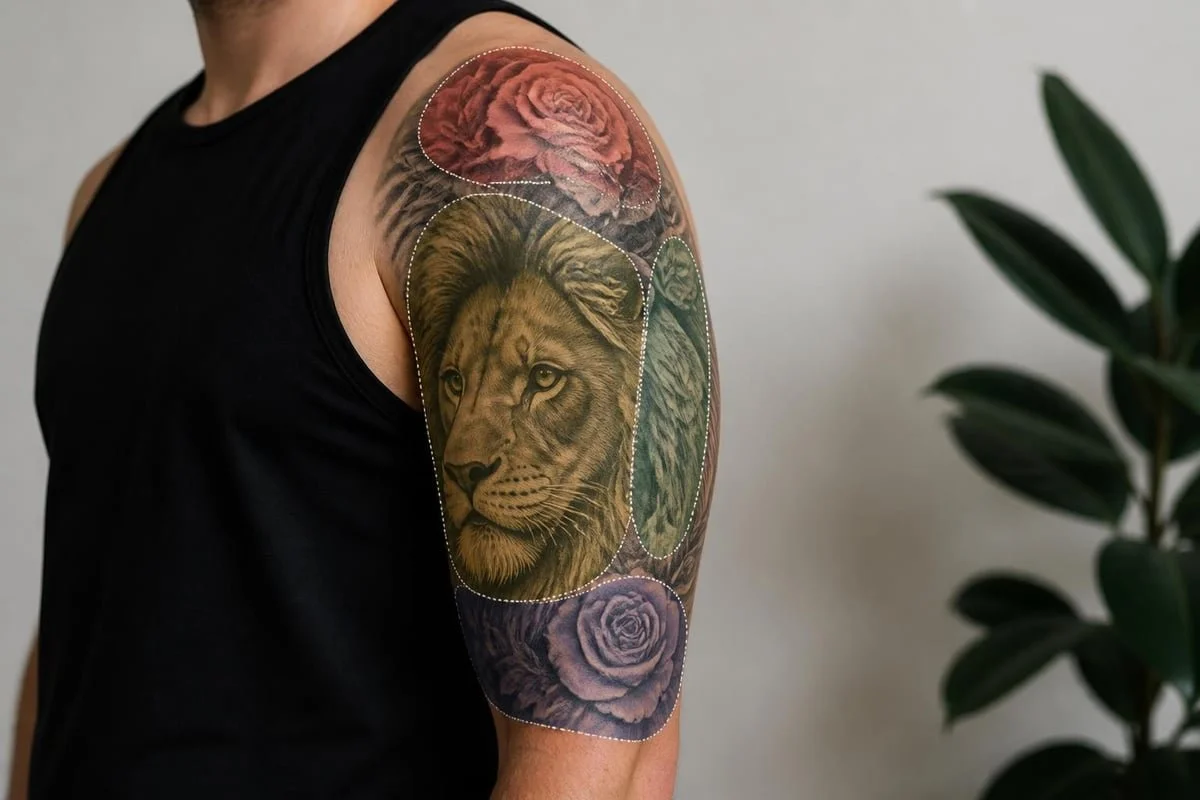
Upper arm anatomy and placement zones
Popular Design Styles for Upper Sleeve Tattoos
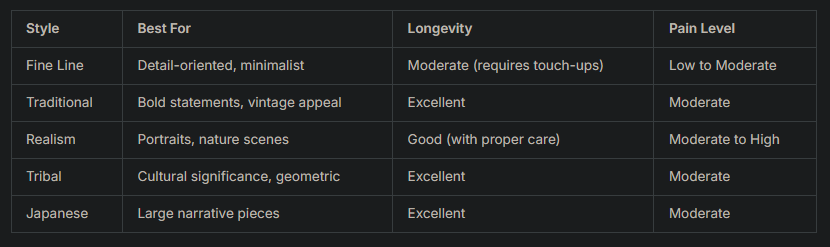
Selecting the right style for your upper sleeve tattoo requires careful consideration of both aesthetic preferences and how designs flow with your arm's natural contours. Different artistic approaches offer distinct advantages depending on your vision and lifestyle.
Fine Line and Detailed Work
Fine line tattoos have gained tremendous popularity in luxury studios, particularly for upper sleeve applications. These designs feature precise, delicate linework that creates sophisticated, minimalist artwork. The upper arm's relatively stable skin surface makes it ideal for maintaining the crisp lines essential to this style over time.
Detailed portraits, botanical illustrations, and geometric patterns thrive in this placement. The upper sleeve's surface area allows artists to incorporate intricate details without overcrowding the design. When considering different tattoo styles to explore, fine line work offers timeless elegance that ages gracefully.
Traditional and Neo-Traditional Approaches
Traditional styles featuring bold outlines and limited color palettes translate exceptionally well to upper sleeve formats. These designs maintain visibility and impact even as the tattoo ages, with thick lines preventing the blurring that can affect finer work over decades.
Neo-traditional interpretations expand on classic motifs with modern color theory and shading techniques. The upper arm's curved surface complements the dimensional quality of neo-traditional work, allowing shadows and highlights to enhance the three-dimensional appearance.
Tribal and Cultural Designs
Tribal arm sleeve designs hold particular significance for many clients seeking to honor heritage or embrace bold graphic statements. These patterns flow naturally around the arm's cylindrical shape, with their strong black work creating dramatic visual impact.
Cultural tattoos, including traditional Thai designs, carry deep symbolic meaning while offering striking aesthetics. Understanding the traditional Thai tattoo history and symbolism enriches the personal connection to these powerful designs.
Design Flow and Composition Strategies
Creating a cohesive upper sleeve tattoo demands thoughtful planning regarding how elements interact and transition across the arm's surface. Professional artists approach sleeve composition with strategic consideration of viewing angles and natural movement.
Vertical vs. Circular Composition
Upper sleeve designs typically employ either vertical orientation or circular flow patterns. Vertical compositions work well for narrative pieces where elements stack from shoulder to elbow, creating a story that unfolds as viewers' eyes travel down the arm. This approach suits portraits, totem-style designs, or architectural elements.
Circular compositions wrap around the arm, ensuring visual interest from every angle. These designs consider how the tattoo appears from front, back, and side perspectives. Mandalas, dragons, or floral arrangements often benefit from this wraparound approach.
Understanding sleeve tattoo placement strategies helps clients communicate their vision effectively during consultations.
Incorporating Negative Space
Strategic use of negative space prevents upper sleeve tattoos from appearing overcrowded or muddy. Breathing room between elements allows each component to maintain visual clarity while creating rhythm and movement throughout the composition.
Experienced artists balance detailed sections with simpler areas, guiding the eye through the design naturally. This technique proves particularly important for upper sleeves, where the limited canvas requires thoughtful element placement.
Connecting to Existing Tattoos
Many clients choose upper sleeve tattoos as extensions of existing shoulder or chest pieces. Professional artists excel at creating seamless transitions that unify separate tattoos into cohesive larger works. Color matching, style consistency, and thematic connections all contribute to successful integration.
When expanding existing body art, scheduling consultations with artists experienced in choosing the right tattoo artist ensures your vision translates successfully to skin.
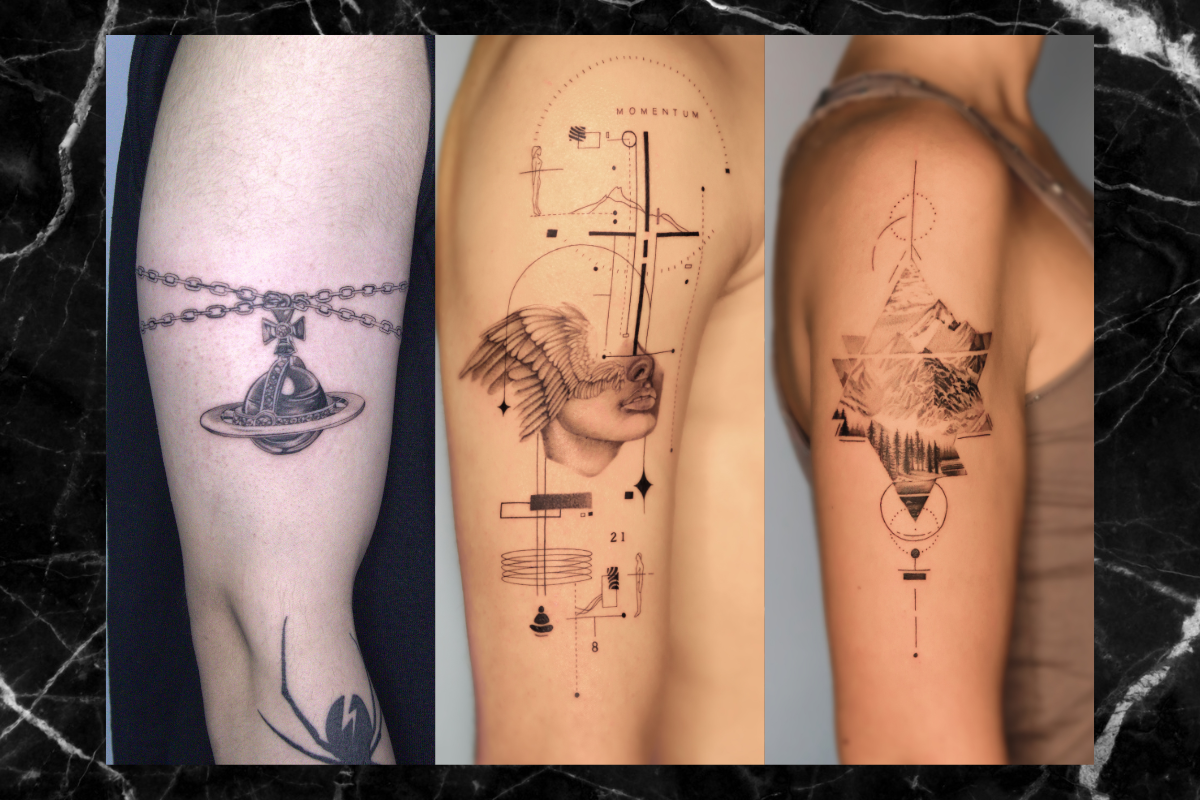
tattoo design flow on upper arm
Session Planning and Time Investment
Creating a complete upper sleeve tattoo rarely happens in a single session. Understanding the timeline and commitment required helps set realistic expectations and ensures optimal results.
Single Session vs. Multiple Sessions
Coverage area significantly impacts session planning. A full upper sleeve typically requires 12 to 25 hours of needle time, usually divided across three to six sessions. This allows both artist and client to maintain focus and quality while preventing excessive trauma to the skin.
Single-session work might cover line work or a specific section, with subsequent appointments dedicated to shading, color, and refinement. Breaking the project into manageable segments also provides opportunities to adjust the design based on how initial sections heal.
Session Duration Considerations
Most professional studios schedule upper sleeve sessions lasting three to five hours. This duration balances productivity with comfort, as longer sessions increase pain sensitivity and reduce skin receptiveness.
First session: Typically focuses on outlining and establishing the design foundation
Middle sessions: Address shading, color filling, and detail work
Final session: Completes touch-ups and refinements for polish
Healing Between Sessions
Proper healing between sessions remains critical for achieving the best possible results. Artists typically recommend four to six weeks between appointments, allowing skin to fully recover and revealing any areas requiring adjustments.
During healing periods, following comprehensive aftercare protocols protects your investment and ensures vibrant, long-lasting results.
Aftercare Essentials for Upper Sleeve Tattoos
The upper sleeve tattoo requires dedicated aftercare to heal properly and maintain its appearance over time. This prominent placement faces particular challenges from clothing friction and sun exposure.
Immediate Post-Session Care
Your artist will apply a protective covering immediately after completing your session. Keep this barrier in place for the recommended duration, typically two to five hours, before the first cleaning. Initial washing should use lukewarm water and fragrance-free antibacterial soap, gently removing any blood, plasma, or excess ink.
Pat the area dry with clean paper towels rather than cloth towels that might harbor bacteria. Apply a thin layer of recommended ointment or fragrance-free moisturizer. The essential aftercare steps provide detailed guidance for optimal healing.
Managing Clothing Interference
Upper sleeve placement means constant contact with shirtsleeves, creating friction that can irritate healing tattoos. Loose-fitting clothing made from soft, breathable fabrics minimizes irritation during the critical healing period. Avoid tight sleeves or rough materials like wool for at least two weeks.
Consider wearing sleeveless or short-sleeve shirts when possible during initial healing. If professional requirements demand long sleeves, choose the softest materials available and ensure ample room around the tattooed area.
Long-Term Maintenance
Apply broad-spectrum SPF 30+ sunscreen whenever the tattoo receives sun exposure
Moisturize daily to maintain skin elasticity and color vibrancy
Avoid prolonged water submersion (pools, hot tubs, ocean) for three weeks
Schedule touch-up appointments as recommended by your artist
Understanding how to care for your new tattoo ensures your upper sleeve maintains its beauty for decades.
Cost Considerations and Investment Value
Upper sleeve tattoos represent a significant financial investment that varies based on multiple factors. Understanding pricing structures helps clients budget appropriately and recognize value in quality work.
Pricing Factors
Artist experience dramatically influences cost, with renowned specialists commanding premium rates justified by their expertise and portfolio quality. Location also affects pricing, with metropolitan studios in major cities like Bangkok typically charging more than rural establishments.
Design complexity impacts total cost significantly. Intricate fine line work requiring extreme precision takes more time than bold traditional designs, translating to higher final prices. Color work generally costs more than black and grey due to additional time and material requirements.
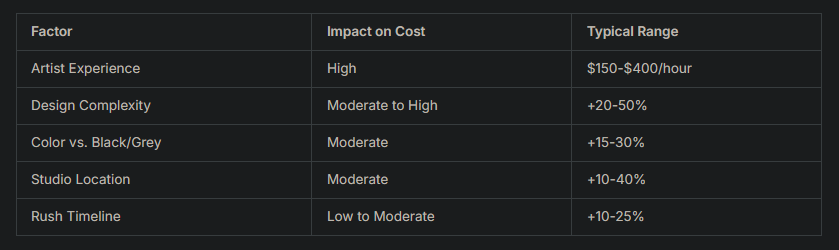
Evaluating Quality vs. Price
The adage "you get what you pay for" holds particularly true for upper sleeve tattoos. Bargain pricing often indicates inexperienced artists, questionable hygiene standards, or rushed work that compromises final results. This prominent placement deserves investment in skilled professionals who deliver exceptional quality.
Research artists thoroughly through portfolios, client reviews, and guidance on choosing tattoo studios. Premium studios provide sterile environments, high-quality inks, and artists with proven track records.
Payment Structures
Most studios require deposits to secure appointments, typically $100 to $300 depending on project scope. These non-refundable fees reserve the artist's time and demonstrate client commitment. Final pricing may follow hourly rates or project quotes, with payment expected at each session's completion.
Addressing Common Concerns
First-time sleeve clients often harbor questions and concerns about the process. Addressing these proactively helps ensure positive experiences and realistic expectations.
Pain Management
While pain tolerance varies individually, most clients find upper sleeve work manageable. The outer upper arm typically causes less discomfort than inner areas where nerves run closer to the surface. Preparation strategies include adequate sleep, proper hydration, and eating before appointments.
Some clients benefit from topical numbing creams, though artists have varying opinions on their effectiveness and impact on skin receptiveness. Discussing pain management with your artist during consultation allows personalized recommendations based on your specific design and tolerance.
Learning what to expect during your first tattoo session reduces anxiety and improves the overall experience.
Professional Implications
Workplace policies regarding visible tattoos continue evolving, but upper sleeve placement offers advantages for professional settings. Easy concealment under business attire allows personal expression without career complications in conservative industries.
Research your specific industry's standards before committing to extensive body art. Many professionals successfully maintain upper sleeve tattoos by simply wearing long sleeves during work hours, revealing their art during personal time.
Future Flexibility
Consider how your upper sleeve tattoo might integrate with future body art plans. This placement works well as a standalone piece or as part of larger projects extending to full sleeves, chest pieces, or back work.
Discussing long-term vision with your artist during initial consultations ensures current work complements potential future additions. Strategic planning prevents designs that limit future options or create awkward transitions.
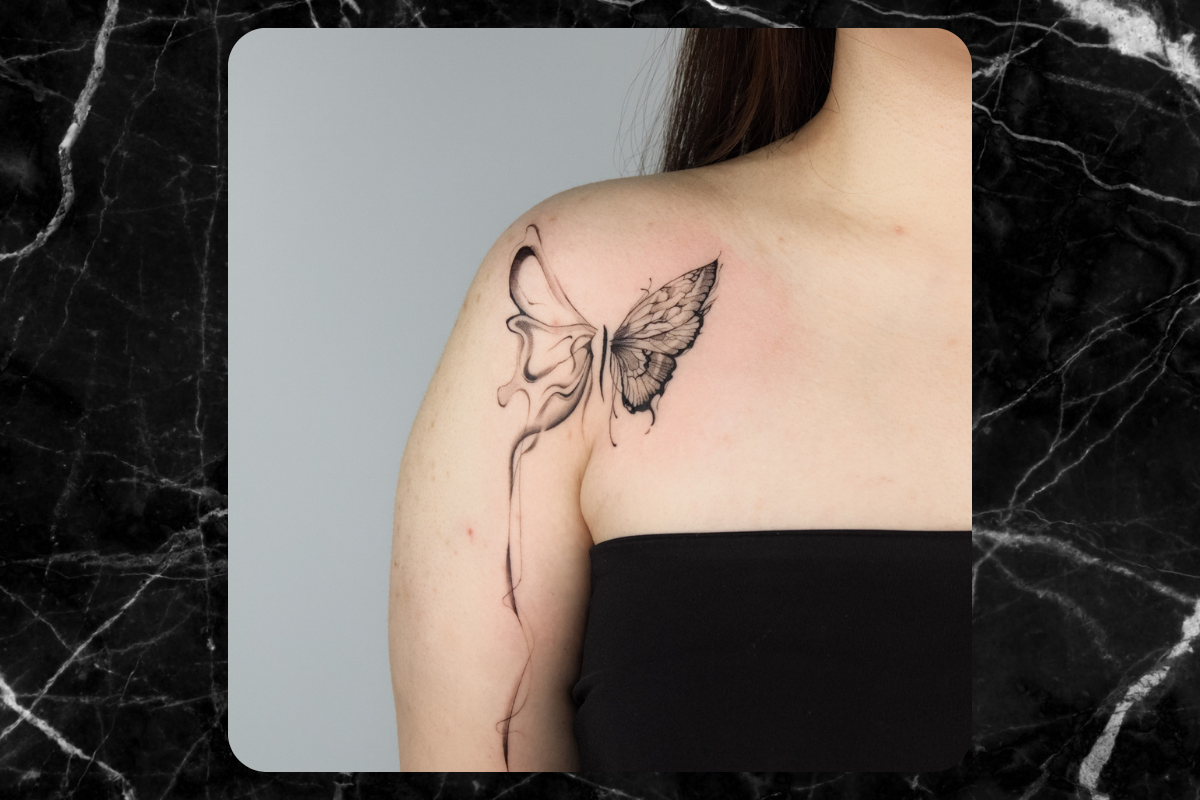
Upper Arm + Chest combination idea
Seasonal Timing Considerations
Selecting the right time of year for your upper sleeve tattoo impacts both the application process and healing outcomes. Strategic timing enhances comfort and results.
Weather and Healing
Cooler months offer advantages for upper sleeve tattoos, as lower temperatures mean less sweating and reduced sun exposure. Fall and winter sessions allow easier clothing management, with long sleeves naturally protecting healing tattoos without causing overheating.
Summer sessions require more vigilant sun protection and create challenges with heat-related swelling. However, summer schedules might offer more flexibility for multiple sessions if you're planning extensive work.
Lifestyle Factors
Consider personal schedules when planning your upper sleeve tattoo. Major events requiring formal attire or extensive sun exposure should factor into timing decisions. Athletes or fitness enthusiasts might schedule work during off-seasons when training intensity decreases.
Vacation timing affects aftercare capability. Avoid scheduling sessions immediately before beach trips or outdoor adventures where proper aftercare becomes challenging. Plan sessions when you can dedicate time to proper healing without compromising lifestyle commitments.
Cover-Up and Correction Possibilities
The upper sleeve's substantial surface area makes it excellent for cover-up work, transforming unwanted previous tattoos into stunning new designs. Understanding cover-up possibilities opens opportunities for clients with tattoo regrets.
Assessing Cover-Up Feasibility
Experienced artists evaluate existing tattoos based on size, color, and placement to determine cover-up viability. Darker, larger old tattoos require strategic planning to achieve effective coverage. Black and dark blue inks prove easiest to cover, while light colors and extensive scarring present greater challenges.
Professional assessments examine skin texture, previous tattoo depth, and available working space. Learning about covering scars and unwanted tattoos reveals modern techniques and realistic expectations.
Design Strategies for Cover-Ups
Successful cover-ups employ clever design techniques that mask previous work while creating beautiful new art. Bold designs with strategic dark areas conceal old tattoos most effectively. Incorporating elements that work with, rather than against, existing ink produces the most natural results.
Artists might recommend laser fading before cover-up work, lightening stubborn dark areas to expand design possibilities. This preliminary step requires additional time and investment but dramatically improves final outcomes.