Tiger Arm Tattoo: Design Ideas & Cultural Meanings
The tiger arm tattoo stands as one of the most commanding and symbolically rich designs in contemporary body art. Combining raw power with elegant artistry, this tattoo choice appeals to those seeking a statement piece that represents strength, courage, and independence. The arm provides an ideal canvas for showcasing the tiger's majestic presence, offering versatility in size, style, and visibility. Whether you prefer a roaring tiger wrapped around your bicep or a subtle fine line design on your forearm, understanding the cultural significance and design possibilities will help you create a truly meaningful piece of art.
Cultural Significance and Symbolism
Tiger tattoos carry profound meanings that vary across different cultures and traditions. Understanding these symbolic layers adds depth to your design choice and creates a personal connection with your body art.
Eastern Cultural Traditions
In Asian cultures, particularly Japanese and Chinese traditions, tigers represent protection, strength, and spiritual power. Japanese tiger tattoos often incorporate traditional imagery that dates back centuries, depicting the tiger as a sacred guardian. The tiger symbolizes the balance between ferocity and control, embodying both physical prowess and mental discipline.
Chinese mythology positions the tiger as one of the four sacred creatures, representing the west and the autumn season. This association connects the tiger with transformation, change, and the cycle of life. When considering traditional Thai tattoos and their meanings, the tiger similarly appears as a protective symbol in Sak Yant designs.
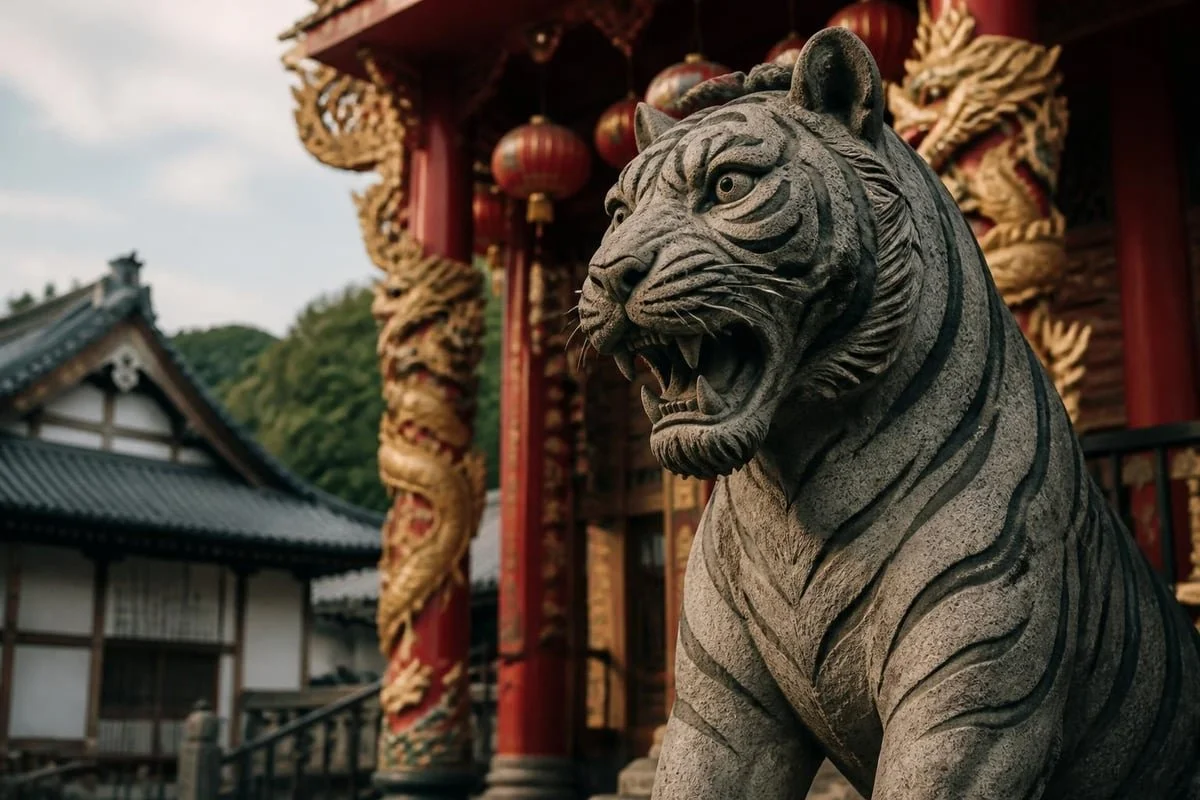
Cultural meanings of tiger tattoo
Western Interpretations
Western tiger tattoo symbolism emphasizes individual strength, fierce independence, and untamed nature. The tiger represents freedom from societal constraints and the courage to forge one's own path. This interpretation resonates with those who value personal autonomy and self-determination.
Key symbolic meanings include:
Raw power and physical strength
Courage in facing challenges
Independence and self-reliance
Passion and sensuality
Protection of loved ones
Untamed spirit and wildness
Design Styles for Tiger Arm Tattoos
The tiger arm tattoo adapts beautifully across various artistic styles, each offering distinct aesthetic qualities and visual impact. Selecting the right style depends on your personal preferences, pain tolerance, and the message you wish to convey.
Traditional Japanese Style
Traditional Japanese tiger tattoos feature bold outlines, vibrant colors, and dynamic compositions. These designs often incorporate additional elements like bamboo, peonies, or waves to create a complete narrative. The tiger typically appears in mid-motion, capturing the animal's fluid power and grace.
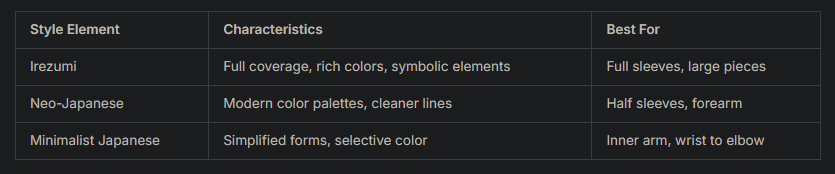
Realistic and Photorealistic Approaches
Realistic tiger arm tattoos demand exceptional technical skill and attention to detail. These designs capture the tiger's true essence through careful shading, texture work, and anatomical precision. Fine line tattoo techniques work particularly well for creating whisker detail and fur texture in smaller realistic pieces.
The photorealistic style requires multiple sessions and significant time investment. Artists must master skin tone variation, light reflection, and dimensional depth to achieve a convincing result. This approach works best on larger canvas areas like the outer arm or full sleeve.
Geometric and Modern Interpretations
Geometric tiger designs blend traditional animal imagery with contemporary artistic elements. These tattoos incorporate angular patterns, mandala elements, or sacred geometry to create visually striking compositions. The contrast between organic tiger features and structured geometric patterns produces unique aesthetic tension.
Popular geometric variations include:
Half-realistic, half-geometric splits
Dotwork tiger portraits
Watercolor backgrounds with line work tigers
Blackwork geometric frames around realistic tigers
Abstract triangle and polygon constructions
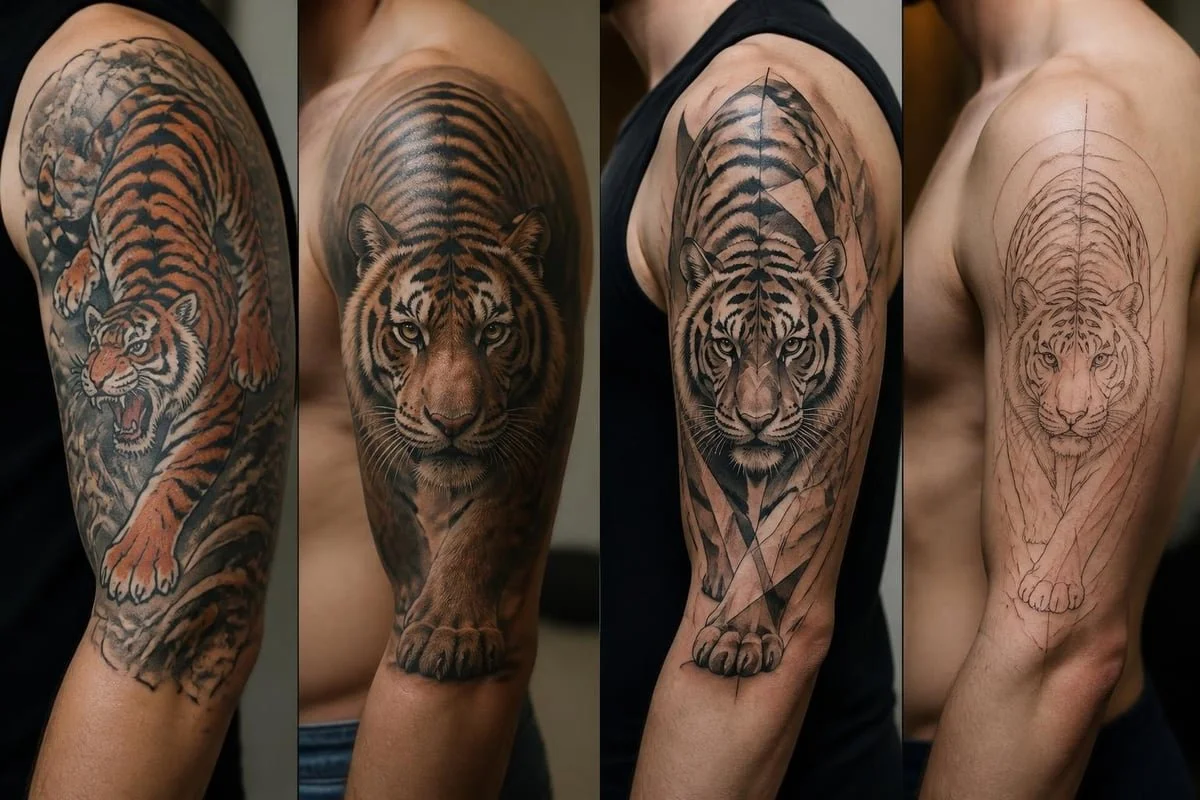
Tiger arm tattoo style variations
Placement Considerations for Your Tiger Arm Tattoo
Strategic placement significantly impacts the visual effectiveness and personal significance of your tiger arm tattoo. The arm offers multiple distinct areas, each with unique advantages and considerations.
Full Sleeve Options
A tiger sleeve tattoo provides maximum space for elaborate compositions and storytelling. The continuous canvas allows the tiger to interact with surrounding elements, creating a cohesive narrative that wraps around your arm. Understanding tattoo placement helps you visualize how the design flows with your body's natural contours.
Full sleeves typically extend from shoulder to wrist, requiring 15-30 hours of work depending on detail level and style. This commitment demands careful artist selection and design planning. Consider how the tiger's position affects visibility in professional settings and daily life.
Half Sleeve Designs
Half sleeve tiger tattoos offer substantial visual impact while maintaining flexibility. Upper arm half sleeves (shoulder to elbow) work well for tigers emerging from clouds or foliage, while forearm half sleeves (elbow to wrist) showcase the tiger's face or prowling pose.
The half sleeve format suits those testing their commitment to larger pieces or maintaining workplace appearance standards. Many clients begin with a half sleeve and later expand to full coverage as their tattoo journey evolves.
Forearm and Inner Arm Placement
Forearm tiger tattoos provide high visibility and relatively lower pain levels compared to inner arm locations. The forearm's shape naturally accommodates vertical tiger compositions, showing the animal in a standing or climbing position. Fine line arm tattoo styles work exceptionally well in this location for detailed work.
Inner arm placements offer more privacy while maintaining easy visibility for the wearer. The inner bicep area suits curved compositions that follow the arm's natural musculature, creating dynamic movement in the design.
Color Choices and Technical Considerations
Color selection profoundly influences your tiger arm tattoo's mood, realism, and longevity. Understanding how different color approaches affect the final result helps you make informed decisions during the design process.
Traditional Color Palettes
Traditional tiger tattoos employ orange, yellow, black, and white to capture the animal's natural coloring. These classic combinations create immediately recognizable imagery that stands the test of time. Choosing the best colors for your tattoo involves considering your skin tone and the tattoo's intended lifespan.
Enhanced color palettes introduce blues, purples, and greens in backgrounds or complementary elements. These additions create depth and visual interest while maintaining the tiger as the focal point. Color saturation affects healing time and touch-up requirements, with bolder colors generally maintaining vibrancy longer.
Black and Gray Mastery
Black and gray tiger arm tattoos offer timeless elegance and sophisticated detail work. This approach emphasizes shading, texture, and form rather than color variation. The monochromatic palette allows for extreme realism or bold traditional styling depending on your preference.
Advantages of black and gray include:
Enhanced detail visibility
Lower maintenance requirements
Versatility across skin tones
Professional appearance flexibility
Easier touch-ups over time
White and Bengal Tiger Variations
White tiger tattoo designs represent rarity, uniqueness, and spiritual purity. These lighter variations require different technical approaches, often using negative space or very light gray shading to create the white fur effect. Bengal tiger designs showcase the distinctive orange and black striping pattern that defines this magnificent subspecies.
Combining Elements and Symbolic Pairings
Tiger arm tattoos gain additional meaning and visual complexity through complementary design elements. Thoughtful pairings create layered narratives that reflect personal philosophies and aesthetic preferences.
Natural and Environmental Elements
Tigers appear naturally within jungle, mountain, or bamboo forest settings. These environmental contexts provide storytelling opportunities while filling space around the main tiger image. Water elements like waves or streams add movement and flow to the composition, particularly in Japanese-style designs.
Tree tattoo symbolism pairs well with tiger imagery, representing growth, strength, and connection to nature. Bamboo specifically carries Asian cultural significance while providing vertical lines that complement the tiger's horizontal stripes.
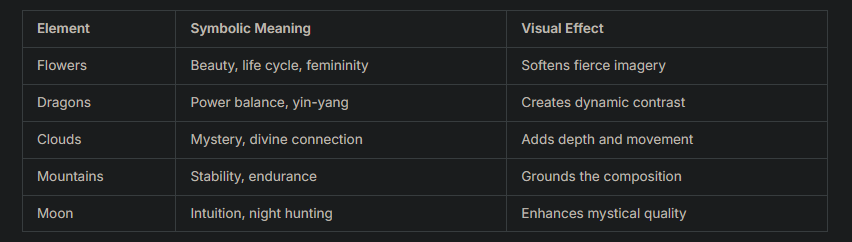
Cultural and Spiritual Symbols
Incorporating cultural symbols deepens your tiger arm tattoo's meaning. Mandalas, sacred geometry, or traditional Asian motifs transform the piece into a spiritual statement. Understanding symbolism behind tattoo designs helps you select elements that resonate with your personal beliefs.
Sanskrit text, Chinese characters, or Thai script can add personal mantras or meaningful phrases to the design. Ensure accurate translation and culturally appropriate usage by consulting with experts familiar with these languages and traditions.
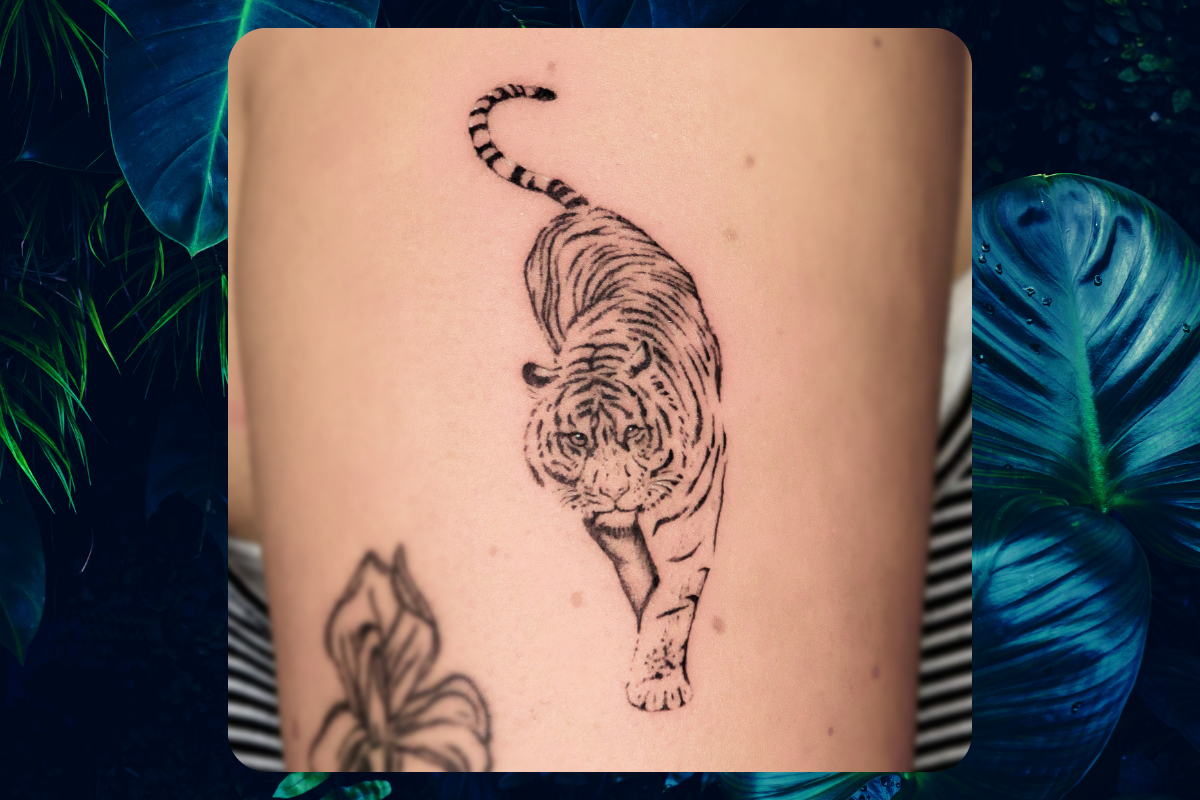
Tiger Tattoo design elements
Size and Scale Planning
Determining the appropriate size for your tiger arm tattoo balances ambition with practicality. Larger designs accommodate greater detail but require more time, investment, and pain tolerance.
Small to Medium Tiger Tattoos
Compact tiger designs measuring 4-8 inches work well for focused imagery like tiger faces or minimalist representations. These sizes suit budget-conscious clients or those preferring subtle body art. Fine line tattoo techniques excel in smaller formats, capturing intricate detail without requiring extensive coverage.
Medium-sized pieces ranging from 8-12 inches allow for more complex compositions including partial body representations or environmental context. This size category provides substantial visual impact while maintaining completion within 2-5 sessions depending on style complexity.
Large Scale and Sleeve Projects
Full tiger arm tattoos measuring 12 inches or larger demand experienced artists and significant commitment. These pieces showcase the tiger's complete form, often incorporating dynamic poses like leaping, roaring, or stalking. The investment yields commanding artwork that transforms your arm into a mobile gallery.
Planning considerations for large pieces:
Budget allocation across multiple sessions
Pain management strategies
Design evolution and adjustment flexibility
Healing time between appointments
Long-term maintenance planning
Working with Professional Artists
Selecting the right tattoo artist represents the most critical decision in your tiger arm tattoo journey. Technical skill, artistic vision, and personal compatibility all influence your final result and overall experience.
Evaluating Artist Portfolios
Examine potential artists' portfolios specifically for tiger work and arm tattoos. Look for consistent quality across multiple pieces, strong understanding of anatomy, and style alignment with your vision. Choosing the right tattoo artist requires researching their specializations and previous client experiences.
Pay attention to line quality, shading smoothness, and color saturation in healed photos. Fresh tattoos always look vibrant, but healed work reveals true skill level and technique quality. Artists who share healed photos demonstrate confidence in their lasting results.
Consultation Process
Professional consultations allow you to discuss your tiger arm tattoo concept, receive expert input, and establish rapport with your chosen artist. Bring reference images, discuss placement options, and ask about the artist's creative process. What to expect during your first tattoo session includes understanding consultation protocols and session preparation.
Key consultation topics include:
Design customization and personalization
Realistic timeline expectations
Pricing structure and payment terms
Aftercare requirements and products
Touch-up policies and guarantees
Studio Environment and Standards
Luxury tattoo studios prioritize cleanliness, comfort, and professionalism alongside artistic excellence. Verify that your chosen studio follows proper sterilization protocols, uses single-use needles, and maintains health department certifications. Choosing the right tattoo studio involves assessing both artistic capabilities and safety standards.
Premium studios offer private rooms, customized design services, and enhanced comfort amenities that improve the overall experience. The investment in luxury tattooing reflects not only artistic quality but also the care and attention devoted to each client's unique needs.
Aftercare and Long-Term Maintenance
Proper aftercare ensures your tiger arm tattoo heals correctly and maintains vibrancy for decades. Following professional guidelines prevents complications and preserves the artwork's integrity.
Initial Healing Phase
The first two weeks prove critical for proper tattoo healing. Understanding tattoo aftercare essentials provides comprehensive guidance for this crucial period. Keep the tattoo clean, moisturized, and protected from sun exposure, friction, and submersion in water.
Daily aftercare routine:
Gently wash 2-3 times daily with fragrance-free soap
Pat dry with clean paper towels
Apply thin layer of recommended ointment
Avoid picking or scratching healing skin
Wear loose, breathable clothing
Long-Term Care Strategies
Your tiger arm tattoo requires ongoing maintenance to preserve its appearance. Sun exposure causes the most significant fading, making daily SPF application essential. Protecting tattoos from UV damage extends your artwork's lifespan and maintains color vibrancy.
Schedule touch-ups every 5-10 years depending on color intensity, sun exposure, and skin type. Black and gray tattoos generally require less frequent maintenance than heavily colored pieces. Moisturizing daily keeps skin healthy and tattoo colors vibrant.
Pain Management and Session Planning
Understanding pain levels and session expectations helps you mentally and physically prepare for your tiger arm tattoo. Different arm areas vary significantly in sensitivity and discomfort.
Pain Level Variations
The outer arm, shoulder, and upper forearm typically cause less discomfort than inner arm, elbow, and ditch areas. Bony areas and thin skin increase sensation intensity, while muscular padding provides natural cushioning. Individual pain tolerance varies widely, making personal experience the ultimate guide.
Session length affects pain accumulation. Most people tolerate 2-4 hours comfortably, while marathon sessions exceeding 6 hours challenge even experienced collectors. Making tattoo healing easier begins with managing session stress and physical strain.
Preparing for Multiple Sessions
Large tiger arm tattoos typically require multiple appointments spaced 4-6 weeks apart. This schedule allows proper healing between sessions and prevents overworking the skin. Arrive well-rested, hydrated, and fed to maximize your endurance and minimize discomfort.
Session preparation checklist:
Get adequate sleep the night before
Eat a substantial meal 2-3 hours prior
Stay hydrated throughout the day
Avoid alcohol and blood-thinning medications
Bring snacks and entertainment
Wear comfortable, accessible clothing
Customization and Personal Meaning
Creating a truly unique tiger arm tattoo involves incorporating personal elements that reflect your individual story, values, and aesthetic preferences. Generic flash designs lack the emotional resonance of custom artwork.
Incorporating Personal Elements
Work with your artist to integrate symbols, dates, or imagery that holds personal significance. Family heritage, life achievements, or transformative experiences can inform design choices that make your tiger tattoo exclusively yours. The tiger's expression, pose, and surrounding elements should align with your intended message.
Consider how different tattoo styles can represent various aspects of your personality or life philosophy. A roaring tiger might represent overcoming adversity, while a calm, seated tiger could symbolize achieved balance and inner peace.
Adapting Cultural Traditions
Respectfully incorporating cultural elements requires understanding their original context and meaning. Exploring tiger tattoo cultural significance reveals how different traditions interpret this powerful animal. Collaborate with artists familiar with specific cultural styles to ensure authentic representation.
Modern interpretations can blend multiple cultural influences while maintaining artistic integrity. Fusion designs that combine Japanese backgrounds with realistic Western-style tigers create unique cross-cultural statements reflecting our globalized world.