Tattoo Tree Arm: Design Ideas and Symbolism Guide
The arm serves as an exceptional canvas for tree tattoos, offering a unique vertical format that mirrors the natural growth of trees themselves. A tattoo tree arm design captures both the majesty of nature and personal symbolism, creating a statement piece that flows with the body's natural lines. Whether you envision a delicate sapling wrapping around your forearm or a mighty oak stretching from shoulder to wrist, understanding the design possibilities and symbolic depth will help you create artwork that resonates for years to come.
Understanding the Appeal of Tree Arm Tattoos
Tree tattoos have surged in popularity throughout 2026, with arm placements becoming particularly sought after in luxury tattoo studios worldwide. The arm's cylindrical shape provides an ideal surface for exploring tree tattoo symbolism and diverse design styles, allowing artists to work with the natural contours to create dimensional artwork.
The tattoo tree arm placement offers several distinct advantages:
Natural vertical orientation matches tree growth patterns
Ability to wrap designs around the arm for 360-degree viewing
Visibility can be controlled with clothing choices
Sufficient space for intricate detail work
Potential for expansion into larger sleeve designs
The arm's musculature and bone structure create natural highlights and shadows that enhance the three-dimensional quality of tree designs. Many clients appreciate how fine line and detailed tattoo work translates beautifully in this placement, particularly when artists consider how the design moves with the body.
Symbolic Meanings Behind Tree Designs
Trees carry profound symbolism across virtually every culture and spiritual tradition. When choosing a tattoo tree arm design, understanding these meanings helps create artwork that reflects your personal journey and values.
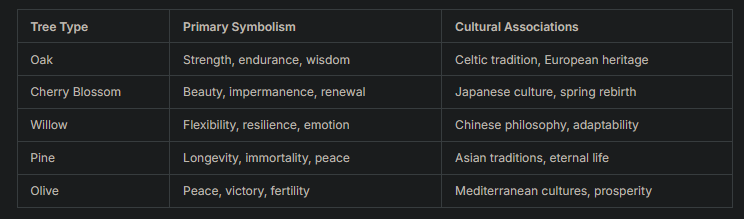
The symbolism of tree tattoos extends beyond specific species to encompass universal themes of growth, connection, and the cycle of life. Many individuals choose tattoo tree arm designs to represent family roots, personal growth through adversity, or their connection to nature and environmental consciousness.
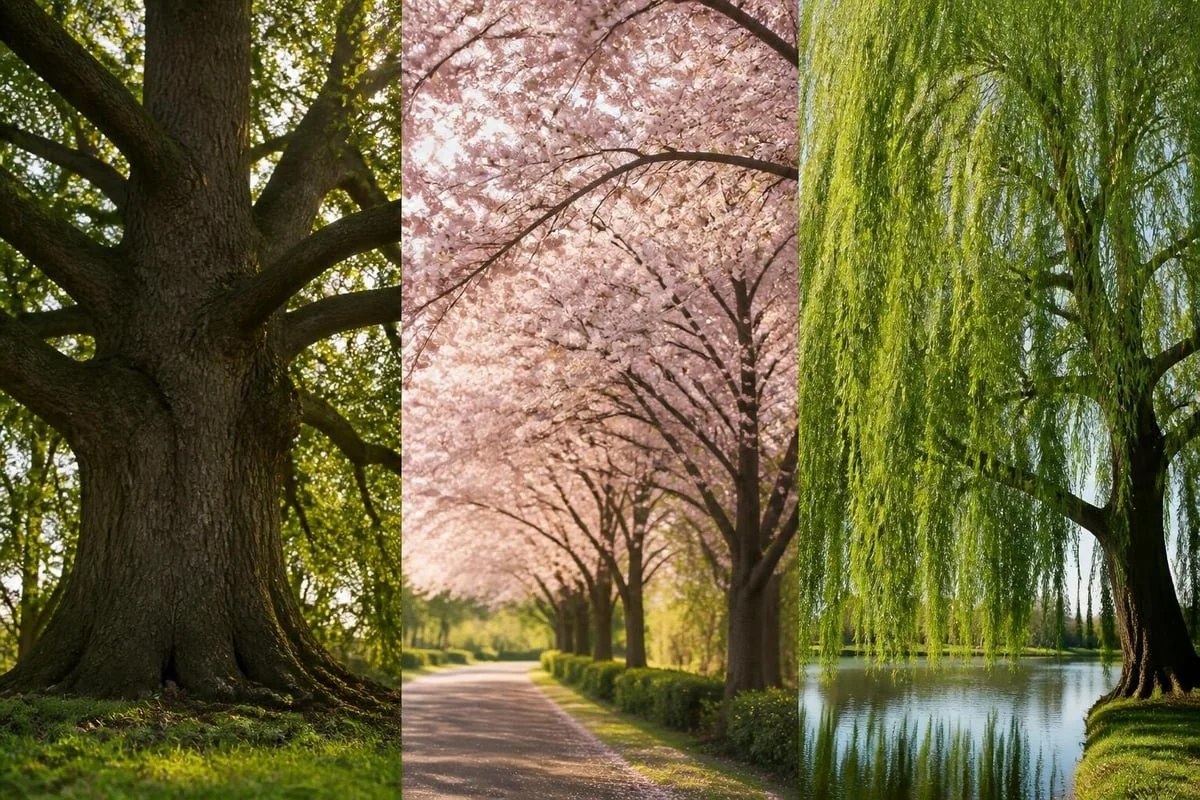
Tree symbolism meanings
Popular Tattoo Tree Arm Design Styles
The versatility of tree imagery allows for interpretation across numerous tattoo styles, each bringing distinct aesthetic qualities to the final piece. Your choice of style should align with both your aesthetic preferences and the symbolic message you wish to convey.
Realistic and Botanical Approaches
Realism tattoos bring photographic quality to tree designs, capturing every detail from bark texture to individual leaves. This approach works exceptionally well for tattoo tree arm placements where the extended canvas allows for intricate shading and depth. Artists specializing in botanical realism can create pieces that appear to grow directly from your skin, incorporating scientific accuracy with artistic vision.
Key elements of realistic tree arm tattoos include:
Detailed bark textures with highlights and shadows
Anatomically correct branch structures
Seasonal variations in foliage
Environmental context like sky, ground, or wildlife
Light source consideration for natural shadowing
Botanical illustration styles offer a refined alternative, combining scientific precision with elegant line work. These designs often reference vintage botanical prints, creating timeless pieces that emphasize the tree's structure and form.
Minimalist and Geometric Interpretations
Minimal tattoo designs distill tree imagery to its essential elements, creating clean, modern pieces perfect for those seeking understated elegance. A minimalist tattoo tree arm might feature a simple outline of a tree silhouette, using negative space and clean lines to suggest rather than explicitly render every detail.
Geometric styles transform organic tree forms into angular, mathematical representations. These designs might incorporate:
Sacred geometry patterns within the tree structure
Triangular or polygonal branch formations
Mandala elements in root systems or canopies
Symmetrical designs that balance perfectly around the arm
Abstract interpretations using only essential shapes
The contrast between organic subject matter and geometric execution creates visually striking pieces that feel contemporary while maintaining symbolic depth. When choosing the right tattoo style, consider how different approaches reflect your personality and aesthetic sensibilities.
Traditional and Cultural Variations
Traditional tattoo styles bring cultural context to tree imagery. Japanese-inspired designs might feature cherry blossom trees with flowing branches and delicate petals, often combined with other elements like koi fish or temple architecture. These pieces honor centuries-old tattoo traditions while adapting them to contemporary tastes.
Traditional Thai tattoo elements sometimes incorporate sacred trees like the bodhi tree, representing enlightenment and spiritual awakening. Celtic tree tattoos feature intricate knotwork integrated into root and branch systems, creating complex patterns that symbolize the interconnectedness of all life.
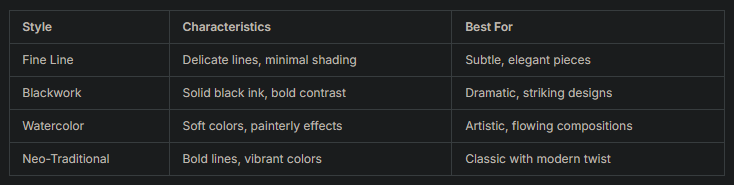
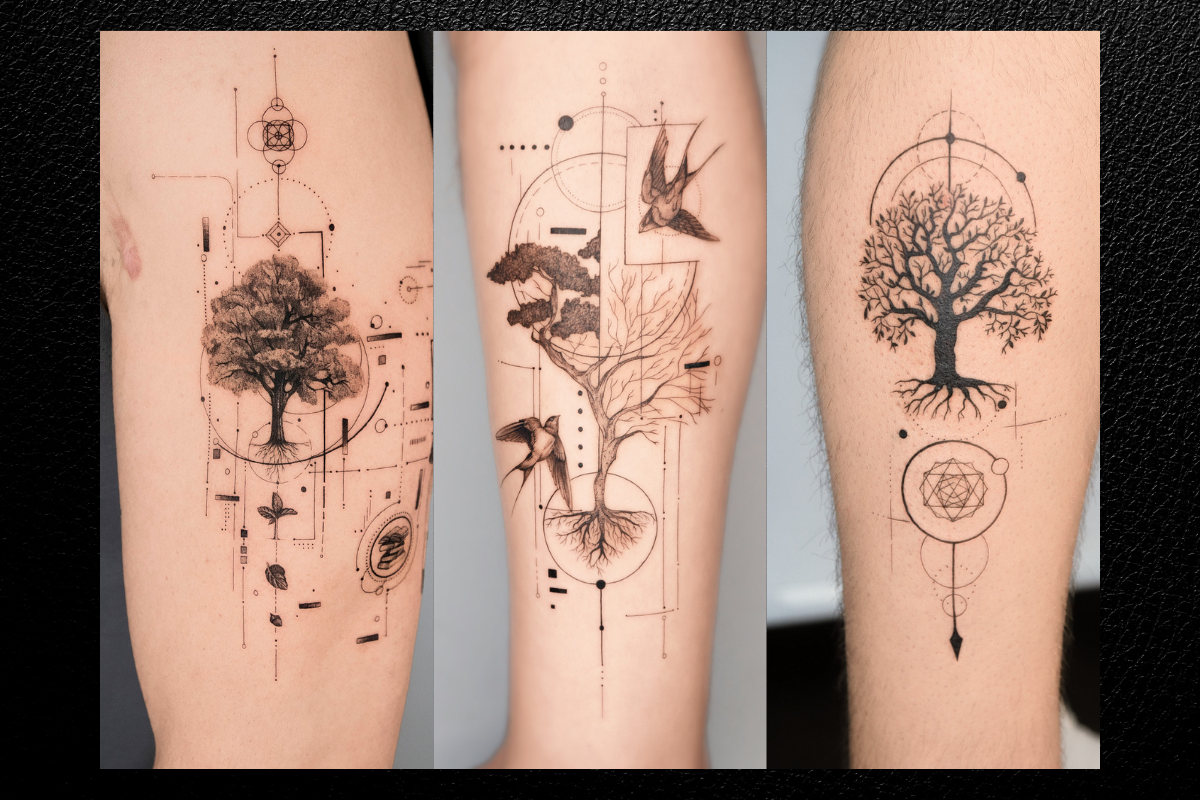
Tree tattoo style variations
Strategic Placement Considerations for Arm Trees
The specific placement of your tattoo tree arm design significantly impacts both the visual effect and your experience wearing the tattoo. Understanding arm anatomy and how designs interact with natural body contours ensures optimal results.
Full Sleeve vs. Partial Coverage
A complete sleeve transforms your entire arm into a cohesive nature scene, allowing for extensive sleeve designs that tell complex visual stories. Full sleeve tattoo tree arm designs might show the tree at different seasons around the arm's circumference, or integrate the tree into a larger landscape composition with mountains, water, or sky elements.
Partial coverage options provide flexibility:
Half sleeve (shoulder to elbow or elbow to wrist): Substantial canvas while maintaining professional flexibility
Forearm placement: Highly visible, popular for detailed work
Upper arm: Easily concealed when needed
Wraparound band: Tree encircling arm at specific point
Consider your lifestyle and professional requirements when deciding coverage extent. Many clients begin with a smaller piece and expand over time, allowing the design to evolve with their personal journey.
Working with Arm Anatomy
The arm's musculature creates natural contours that skilled artists incorporate into tree designs. The bicep and tricep muscles can suggest hills or terrain beneath the tree, while the forearm's length provides perfect vertical space for trunk and branch extension.
Tattoo placement strategies should account for how the design appears both at rest and in motion. Trees with extensive branch systems look particularly dynamic when designed to follow the arm's natural movement patterns. Root systems can wrap around the wrist or flow toward the hand, creating visual interest from multiple viewing angles.
Pain tolerance varies significantly across arm regions. The inner bicep and elbow ditch typically prove more sensitive than outer arm areas. Discussing pain management expectations during your first tattoo session helps set realistic expectations.
Design Elements to Enhance Your Tree Tattoo
Beyond the tree itself, complementary elements elevate tattoo tree arm designs from simple imagery to sophisticated artistic statements. These additions provide context, enhance symbolism, and create visual balance across the composition.
Incorporating Natural Elements
Surrounding your tree with additional natural features creates environmental context and narrative depth. Popular additions include:
Wildlife: Birds nesting in branches, deer beneath canopy, insects on bark
Celestial bodies: Moon phases, sun rays, star constellations
Weather elements: Clouds, rain, wind-swept leaves
Seasonal indicators: Snow, falling leaves, spring blossoms
Landscape features: Mountains, water, rocks, grass
Plant tattoo designs often combine multiple botanical elements, creating rich garden scenes that showcase biodiversity. A tattoo tree arm might feature wildflowers growing around the base, mushrooms sprouting from the roots, or vines climbing the trunk.
Color Choices and Their Impact
While many tree tattoos utilize only black ink for classic, timeless appeal, color introduces additional dimensions of meaning and visual impact. When considering the best colors for your tattoo, think about both aesthetic preferences and symbolic associations.
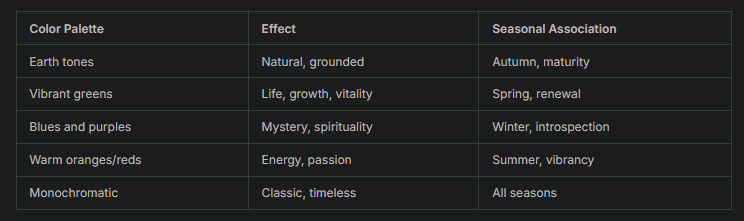
Understanding how different colors work with various skin tones ensures your tattoo tree arm maintains visual clarity and vibrancy over time. Professional artists assess your skin's undertones to recommend colors that will heal beautifully and remain vibrant through the years.
Adding Personal Symbolism
The most meaningful tattoo tree arm designs incorporate personal elements that transform generic imagery into deeply individual artwork. Consider weaving in:
Family names or initials carved into bark
Significant dates integrated into root systems
Personal totems or animals within branches
Coordinates of meaningful locations
Quotes or phrases in roots or trunk
These personalized touches ensure your tattoo remains uniquely yours while maintaining aesthetic coherence. When exploring unusual tattoo ideas, discuss with your artist how to integrate personal elements without compromising the overall composition.
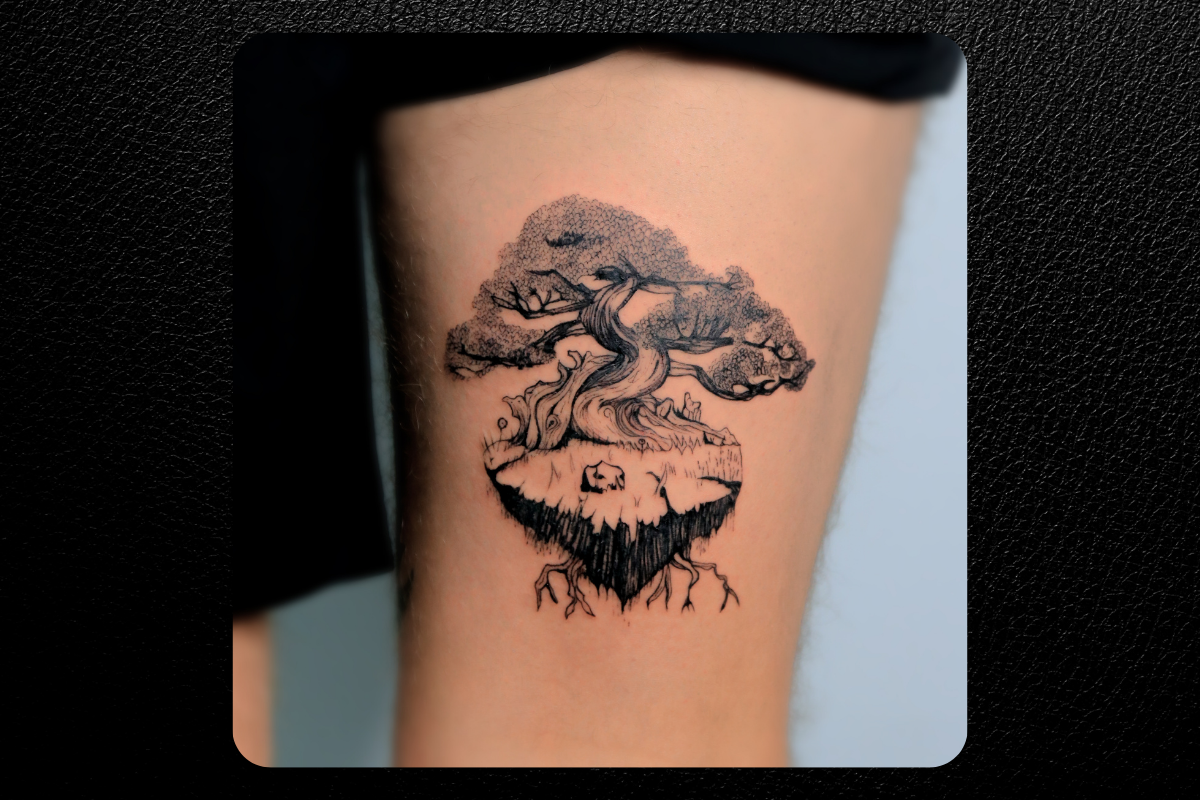
Personalized tree tattoo elements
Successful tattoo experiences begin long before the needle touches skin. Proper preparation ensures optimal results and a smooth healing process for your tattoo tree arm.
Choosing the Right Artist
Not all tattoo artists excel at nature-based designs or possess the technical skills required for detailed tree work. Research artists whose portfolios demonstrate proficiency in your chosen style, whether that's photorealistic bark texture, delicate fine line work, or bold traditional approaches.
When selecting your tattoo artist, examine:
Portfolio consistency across multiple tree or nature pieces
Understanding of botanical structure and anatomy
Ability to work with arm contours and natural body flow
Communication style and collaboration approach
Studio cleanliness and professional practices
Schedule consultations with multiple artists to discuss your vision. The ideal artist doesn't just execute your idea but enhances it with professional expertise and creative input. Choosing the right tattoo studio environment contributes significantly to your overall experience and comfort level.
Design Development Process
Professional tattoo tree arm designs evolve through collaborative consultation. Bring reference images, but understand these serve as inspiration rather than exact templates. Your artist will create custom artwork that fits your arm's specific dimensions and proportions.
The design development typically includes:
Initial consultation discussing concept, size, placement
Preliminary sketches exploring composition options
Refinement sessions adjusting details and proportions
Final stencil creation sized precisely for your arm
Day-of adjustments ensuring perfect placement
This process may span several weeks or months for complex pieces. Rushing design development compromises the final result. Trust your artist's timeline and provide clear, constructive feedback throughout the process.
Physical and Mental Preparation
Large-scale tattoo tree arm designs require multiple sessions, sometimes totaling ten to twenty hours depending on size and detail level. Physical preparation helps you endure longer sessions comfortably:
Hydrate thoroughly in the days before your appointment
Get adequate sleep the night before
Eat a substantial meal one to two hours before your session
Avoid alcohol for at least 24 hours prior
Wear comfortable, appropriate clothing with easy arm access
Mental preparation proves equally important. Understanding what happens during a tattoo session reduces anxiety and helps you approach the experience with realistic expectations. Meditation, breathing exercises, or music can help manage discomfort during the process.
Aftercare for Optimal Healing
The weeks following your tattoo session determine how well your tattoo tree arm heals and how vibrant it remains throughout your lifetime. Proper aftercare prevents infections, reduces scarring, and ensures colors heal true to the artist's vision.
Immediate Post-Session Care
Your artist will apply a protective covering immediately after completing your tattoo. Modern aftercare practices vary, with some artists using traditional bandages while others prefer newer breathable film products. Follow your specific artist's instructions, as techniques differ based on their experience and your tattoo's characteristics.
General tattoo aftercare essentials include:
Keep initial covering on for recommended duration (typically 2-24 hours)
Wash gently with fragrance-free antimicrobial soap
Pat dry with clean paper towels
Apply thin layer of recommended ointment or moisturizer
Avoid submersion in water (no swimming, soaking baths)
The first three days require particular vigilance. Your tattoo tree arm will likely feel tender, appear slightly swollen, and may leak small amounts of ink or plasma. These reactions are normal parts of the healing process.
Long-Term Healing and Maintenance
Complete healing of detailed tattoo tree arm designs takes four to six weeks, though surface healing occurs within two weeks. During this period, you'll experience various stages:
Week-by-week healing progression:
Days 1-3: Swelling, tenderness, some oozing
Days 4-7: Peeling begins, itching intensifies
Days 8-14: Continued peeling, cloudy appearance
Weeks 3-4: Color begins settling, skin normalizes
Weeks 5-6: Deep skin layers complete healing
Following proper healing protocols prevents complications that could compromise your artwork. Resist the urge to scratch peeling skin, avoid sun exposure, and continue gentle moisturizing throughout the healing period. Many professional studios provide detailed aftercare resources to guide you through each healing stage.
Protecting Your Investment
After initial healing, your tattoo tree arm requires ongoing protection to maintain its appearance for decades. Sun exposure causes the most significant fading and degradation of tattoo pigments. Apply broad-spectrum SPF 50+ sunscreen to your tattoo whenever exposed to sunlight, even on cloudy days.
Long-term maintenance strategies include:
Daily moisturizing to keep skin supple and prevent cracking
Annual touch-ups to refresh faded areas or strengthen lines
Healthy lifestyle supporting skin elasticity and regeneration
Professional assessment if healing concerns arise
Documentation through photos to track changes over time
Quality fine line and detailed work particularly benefits from diligent sun protection, as thin lines fade more quickly than bold, saturated areas.
Customizing Your Vision
Every tattoo tree arm should reflect your unique story and aesthetic sensibilities. While popular designs provide inspiration, the most satisfying pieces incorporate personalization that makes them unmistakably yours.
Drawing from Personal Experience
Consider trees that hold significance in your life story. Perhaps an ancient oak stood in your childhood yard, a willow provided shade during formative moments, or a bonsai tree represents your appreciation for patience and cultivation. Translating personal memories into visual form creates emotionally resonant artwork.
Your artist can incorporate specific details that anchor the design in your experience: the exact branch pattern of your grandmother's apple tree, the view from a favorite hiking spot, or stylized representations of places you've called home. These subtle touches transform a generic tattoo tree arm into a visual autobiography.
Integrating with Existing Tattoos
For those with previous arm tattoos, a new tree design offers opportunities for integration rather than isolation. Skilled artists can incorporate existing pieces into expanded compositions, using the tree as a unifying element that brings coherence to previously separate designs.
Discuss integration possibilities during consultation, including:
Color palette harmony across old and new work
Thematic connections between existing and new elements
Technical approaches to blend different artistic styles
Background elements that create visual continuity
Negative space management for balanced composition
When planning expansions of existing sleeve work, consider how the tree's form can naturally flow into and around previous tattoos, creating the illusion of a cohesive, pre-planned design.
Symbolizing Life Stages and Growth
Many individuals choose tattoo tree arm designs specifically to mark significant life transitions or achievements. The tree metaphor naturally aligns with concepts of personal growth, family expansion, or overcoming adversity. Consider how your design might evolve:
Adding branches or elements after major life events
Seasonal variations representing different life phases
Growth rings in the trunk marking years or milestones
New leaves symbolizing fresh starts or new relationships
Fallen leaves honoring loss or letting go
This approach transforms your tattoo tree arm into a living document that grows and changes alongside your life journey. Discuss future expansion possibilities with your artist to ensure the initial design allows space for meaningful additions.