Tattoo Bonsai: Art, Symbolism, and Design Guide
The ancient art of bonsai cultivation has transcended garden boundaries to become one of the most meaningful and aesthetically compelling tattoo designs in contemporary body art. A tattoo bonsai represents far more than a miniature tree; it embodies centuries of Japanese philosophy, personal growth narratives, and the delicate balance between nature and human intention. As we move through 2026, this design continues to captivate clients seeking artwork that combines visual elegance with profound symbolic depth, particularly those who appreciate fine line work and detailed artistic expression.
The Cultural Roots of Tattoo Bonsai
The practice of bonsai cultivation originated in China over a thousand years ago before becoming deeply embedded in Japanese culture. Understanding the Japanese kanji for bonsai provides insight into its literal meaning: "planted in a container." This simple translation belies the complex philosophy behind the art form, which emphasizes patience, dedication, and the harmonious relationship between human creativity and natural growth.
When translated into tattoo form, these principles take on additional layers of meaning. A tattoo bonsai becomes a permanent reminder of life's gradual transformations and the beauty that emerges through careful cultivation. The design speaks to those who value intentional growth over rushed results.
Philosophical Foundations
The art of bonsai teaches practitioners to work with nature rather than against it. Each branch, each leaf placement represents a conscious decision made over years or decades. Similarly, choosing a tattoo bonsai reflects a commitment to carrying these values on your skin.
Core principles embodied in bonsai tattoos include:
Patience in achieving long-term goals
Balance between control and natural flow
Resilience through adversity and change
Harmony with life's organic processes
Mindfulness in daily practice
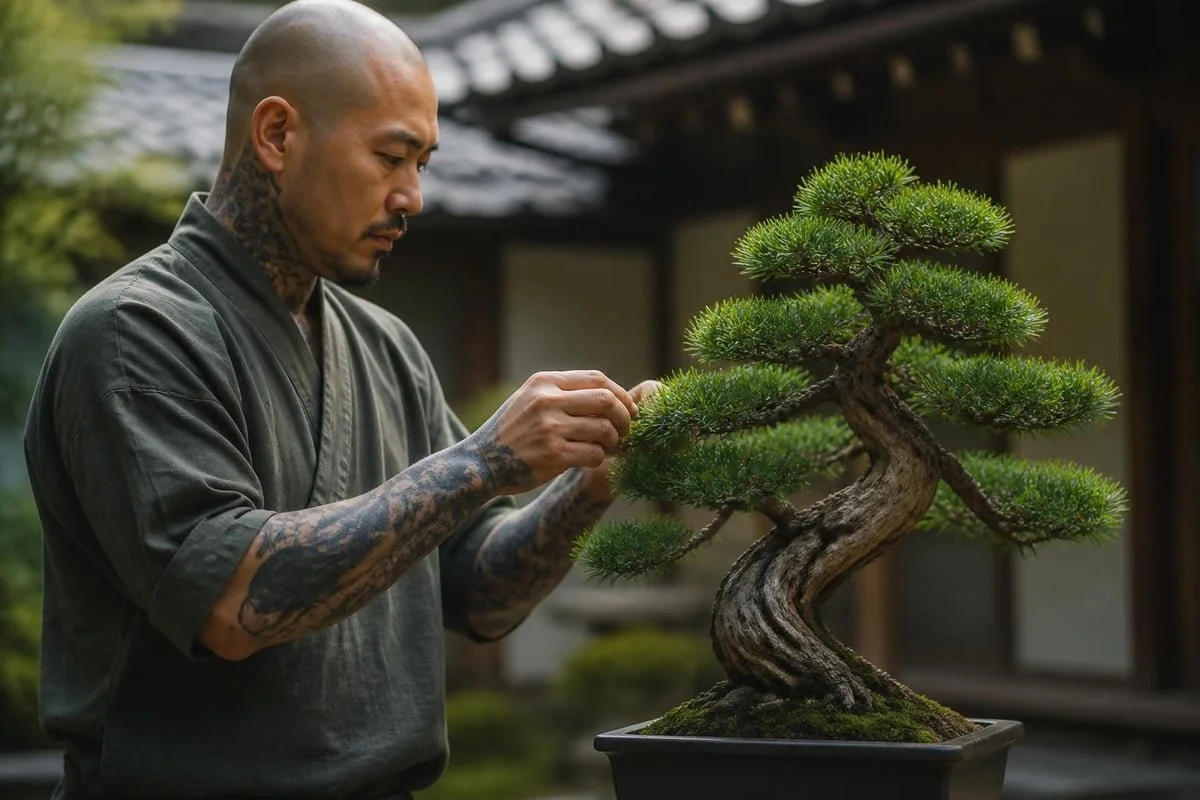
Bonsai symbolism in tattoo art
Design Variations and Artistic Styles
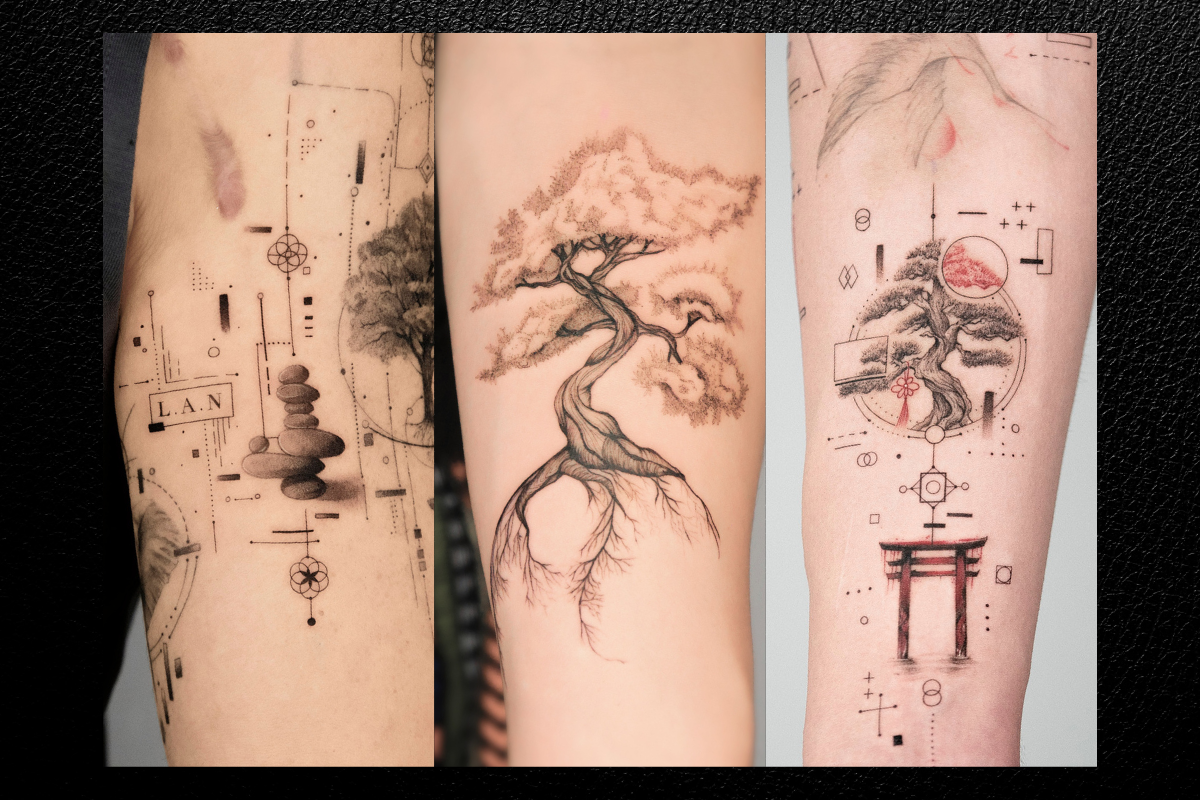
The versatility of tattoo bonsai designs allows for remarkable creative expression. From minimalist line work to elaborate compositions incorporating traditional Japanese elements, the possibilities span numerous aesthetic approaches that align perfectly with various tattoo styles available today.
Fine Line and Minimalist Approaches
Fine line tattoo bonsai designs have gained significant popularity among clients seeking understated elegance. These interpretations focus on clean, precise linework that captures the essential form of the tree without excessive detail. The minimalist approach emphasizes negative space and subtle shading, creating designs that age gracefully and maintain clarity over time.
Traditional Japanese Integration
Incorporating traditional Japanese elements elevates tattoo bonsai into comprehensive storytelling pieces. These designs might include accompanying symbols such as koi fish, cherry blossoms, water elements, or traditional cloud patterns. The symbolism behind these tattoo designs creates layered narratives that reflect personal journeys.
Artists specializing in Japanese traditional work often position the bonsai within larger sleeve or back pieces, where it serves as a grounding element representing stability amidst flowing composition elements. This approach particularly resonates with clients seeking comprehensive body art that tells cohesive stories.
Contemporary and Abstract Interpretations
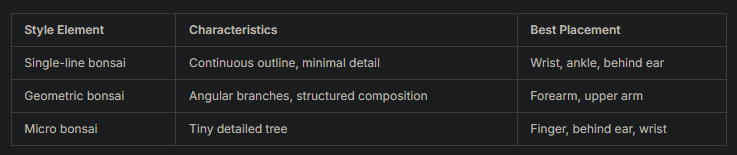
Modern tattoo artists continue pushing boundaries with innovative bonsai interpretations. Watercolor splashes behind precise bonsai linework create dynamic contrast. Geometric frameworks containing organic tree forms blend mathematical precision with natural irregularity. These contemporary approaches demonstrate how unusual tattoo ideas can honor traditional symbolism while embracing modern aesthetic sensibilities.
Symbolic Meanings and Personal Significance
The deep meanings associated with bonsai tree tattoos extend beyond their visual appeal, offering wearers opportunities to express complex personal philosophies through body art. Each design element can carry specific significance that resonates with individual life experiences.
Growth Through Constraint
Bonsai trees achieve their remarkable forms through careful pruning and training. This controlled growth mirrors how humans develop character through overcoming limitations. A tattoo bonsai often represents personal transformation achieved not despite challenges but because of them.
Common interpretations include:
Professional development through disciplined practice
Emotional maturity gained through life experiences
Creative expression refined through technical mastery
Spiritual growth cultivated through mindful practice
The concept of intentional limitation creating beauty speaks powerfully to those who have shaped themselves deliberately rather than simply allowing circumstances to determine their path.
Balance and Harmony
The asymmetrical balance characteristic of bonsai design reflects natural harmony rather than rigid symmetry. Exploring various bonsai design approaches reveals how artists capture this delicate equilibrium, creating compositions that feel stable yet dynamic.
This balance extends to life philosophy. Clients often choose tattoo bonsai to represent their pursuit of equilibrium between:
Ambition and contentment
Structure and flexibility
Independence and connection
Tradition and innovation
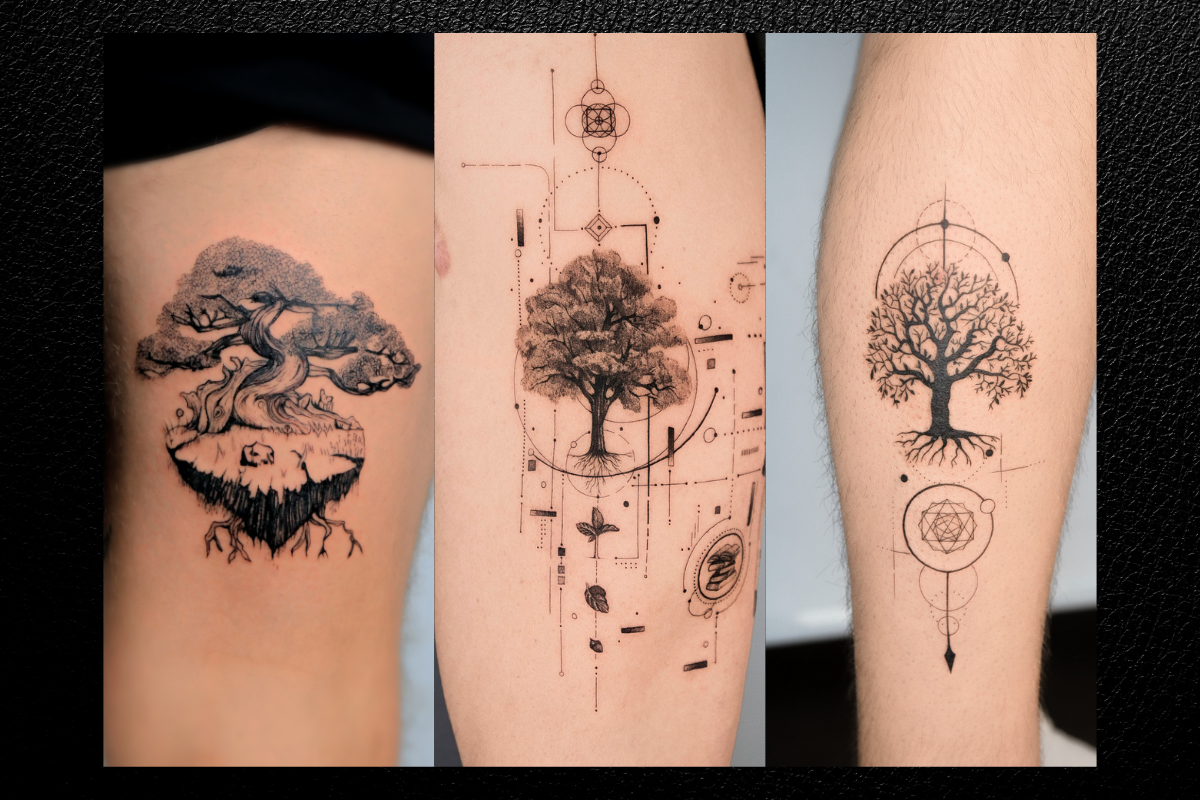
Bonsai tattoo placement concepts
Technical Considerations for Bonsai Tattoos
Creating exceptional tattoo bonsai requires technical expertise beyond general tattooing skills. The intricate branch structures, delicate foliage details, and proper proportions demand artists with specialized experience in botanical and fine line work.
Detail Density and Longevity
One critical consideration involves balancing detail density with long-term clarity. Highly detailed foliage might appear stunning initially but can blur together as the tattoo ages. Experienced artists understand how to structure detail levels that maintain visual integrity over decades.
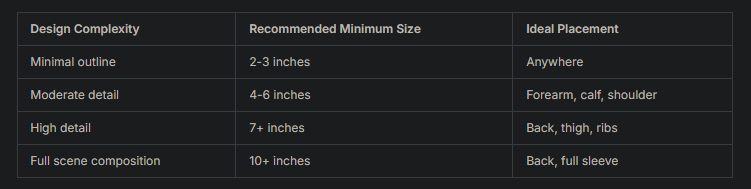
Working with artists who understand these technical requirements ensures your investment maintains its beauty. Choosing the right tattoo artist becomes particularly important for botanically complex designs.
Color Versus Black and Grey
While traditional bonsai tattoos typically employ black and grey palettes, contemporary interpretations increasingly incorporate color. Subtle green tints in foliage, warm browns in trunk work, or vibrant seasonal elements can enhance realism or create stylistic emphasis.
Color choices should consider skin tone compatibility and personal aesthetic preferences. Understanding how colors interact with different skin tones helps ensure your tattoo bonsai appears as intended across all lighting conditions.
Placement Strategy
Optimal placement depends on design complexity and personal visibility preferences. Strategic tattoo placement considers how the natural curves and planes of your body complement the composition.
Popular placements for tattoo bonsai include:
Forearm: Excellent for vertical compositions, highly visible
Upper back/shoulder blade: Ideal for larger, detailed pieces
Thigh: Provides substantial canvas for elaborate scenes
Ribcage: Suits elongated vertical designs
Calf: Works well for contained, standalone trees
Design Inspiration and Conceptual Approaches
Drawing inspiration from diverse bonsai tattoo examples helps refine your vision before consulting with artists. The breadth of interpretation possibilities means finding designs that resonate with your specific story and aesthetic preferences.
Seasonal Representations
Incorporating seasonal elements adds temporal dimension to tattoo bonsai. Cherry blossoms indicate spring and ephemeral beauty. Vibrant foliage suggests summer abundance. Bare branches convey winter's quiet strength. These seasonal markers can represent significant life phases or ongoing cycles of renewal.
Species-Specific Symbolism
Different tree species carry distinct meanings. Pine bonsai represents longevity and perseverance. Maple suggests grace and transformation. Juniper embodies protection and purification. Researching specific tree symbolism helps select species aligned with your intended message.
Compositional Elements
Beyond the tree itself, compositional elements enrich storytelling. Root systems extending below the tree symbolize foundation and ancestry. Landscape elements like rocks or water add environmental context. Container imagery acknowledges the bonsai tradition while suggesting boundaries we choose to work within.
Bonsai tattoo design variations
The Tattooing Process for Detailed Botanical Work
Understanding what happens during a tattoo session helps prepare for the specific requirements of detailed bonsai work. These intricate designs often require extended sessions or multiple appointments to achieve optimal results.
Session Duration and Planning
Complex tattoo bonsai designs rarely complete in single sessions. Artists typically schedule multiple appointments to:
Outline the basic structure (2-4 hours)
Add detailed branching and foliage (3-5 hours)
Complete shading and depth work (2-4 hours)
Final touch-ups and refinements (1-2 hours)
This staged approach allows proper healing between sessions and enables artists to assess how the design settles before proceeding.
Pain Management and Comfort
Preparing for your first tattoo session includes understanding pain levels vary by placement. Bonsai tattoos on fleshier areas like the outer arm or thigh typically involve manageable discomfort. Placements over bone or near sensitive areas require additional mental preparation.
Professional studios prioritize client comfort through proper positioning, regular breaks, and open communication about pain management strategies.
Aftercare for Detailed Line Work
Fine line bonsai tattoos demand meticulous aftercare to preserve detail clarity. Essential tattoo aftercare practices become particularly important for preventing infection and ensuring optimal healing.
Critical aftercare steps include:
Keep the area clean with gentle, fragrance-free soap
Apply thin layers of recommended ointment
Avoid sun exposure during healing
Resist picking or scratching
Wear loose, breathable clothing over the area
Proper aftercare significantly impacts how well fine details preserve over time, making this commitment as important as the initial tattooing process.
Contemporary Trends in Bonsai Tattoo Art
The evolution of tattooing technology and technique continues expanding creative possibilities for bonsai designs. Contemporary artists merge traditional symbolism with innovative approaches that reflect current aesthetic movements.
Micro-Realism Applications
Advances in needle technology enable unprecedented detail in small-scale work. Micro-realism bonsai tattoos capture photographic accuracy in remarkably compact designs, perfect for clients seeking subtle yet impactful body art. This approach requires artists with specialized micro-tattooing expertise and steady precision.
Fusion Styles
Cultural fusion designs blend bonsai imagery with elements from diverse artistic traditions. Celtic knotwork forming root systems, sacred geometry framing compositions, or biomechanical elements integrated with organic forms demonstrate how plant-themed tattoos continue evolving.
Interactive Compositions
Some contemporary designs create interactive relationships between multiple tattoos. A bonsai on one arm might visually connect with complementary elements on the other, or a back piece might feature seasonal variations of the same tree across different areas. These complex conceptual approaches reward viewers who take time to discover the complete narrative.
Choosing Your Tattoo Bonsai Design
The journey from initial concept to completed tattoo bonsai involves thoughtful consideration and collaborative design development. Browsing extensive design galleries provides starting points, but truly exceptional results emerge through personalized consultation with skilled artists.
Personal Meaning Integration
The most powerful tattoo bonsai designs incorporate elements reflecting your unique story. Consider which aspects of bonsai philosophy resonate most deeply. Does the patience required in cultivation mirror your professional journey? Does the balance between human intention and natural growth reflect your spiritual beliefs? Identifying these connections guides design decisions that create personally meaningful artwork.
Scale and Detail Consultation
Professional artists help determine appropriate scale for your vision. Attempting excessive detail in insufficient space compromises clarity and longevity. Honest consultation about realistic expectations based on placement, size, and desired detail level ensures satisfaction with final results.
Style Alignment
Your chosen artist's specialty should align with your aesthetic vision. Fine line specialists excel at delicate botanical work. Traditional Japanese artists bring authentic cultural knowledge to comprehensive compositions. Choosing tattoo studios and artists whose portfolios demonstrate relevant expertise significantly impacts outcome quality.
Long-Term Considerations
Tattoo bonsai represents permanent body art requiring long-term commitment and care. Understanding how designs age and what maintenance they require helps ensure continued satisfaction.
Aging and Touch-Ups
All tattoos fade and blur over time, though proper care minimizes these effects. Fine line bonsai work may require periodic touch-ups to restore definition, particularly in highly detailed foliage areas. Establishing relationships with artists who provide ongoing maintenance services supports long-term preservation.
Sun Protection
UV exposure accelerates fading and detail loss. Protecting your tattoo bonsai with sunscreen whenever exposed preserves vibrancy and clarity. This simple practice dramatically extends the lifespan of intricate work.
Lifestyle Compatibility
Consider how your tattoo bonsai integrates with professional requirements and personal aesthetics. Placement decisions should account for visibility preferences and any workplace considerations. Well-planned designs remain sources of pride and meaning throughout life's various phases.