Tattoo Design for Face: Expert Guide & Considerations
Face tattoos represent one of the most profound commitments in body art, transcending mere aesthetic choice to become a powerful statement of identity, culture, and personal conviction. As facial ink continues to evolve from traditional cultural practices to contemporary artistic expression, understanding the complexities of tattoo design for face applications requires careful consideration of multiple factors. This guide explores the essential aspects of facial tattoo design, placement strategies, cultural significance, and professional considerations to help you make an informed decision about this transformative art form.
Understanding the Significance of Facial Tattoos
The practice of facial tattooing carries deep historical and cultural roots across numerous civilizations. Face tattoos hold cultural significance for indigenous communities worldwide, from Polynesian tribes to Native American nations, where these markings often signified social status, spiritual beliefs, or rites of passage. In 2026, this rich heritage continues to influence contemporary tattoo design for face applications, blending traditional motifs with modern artistic techniques.
Traditional cultural contexts include:
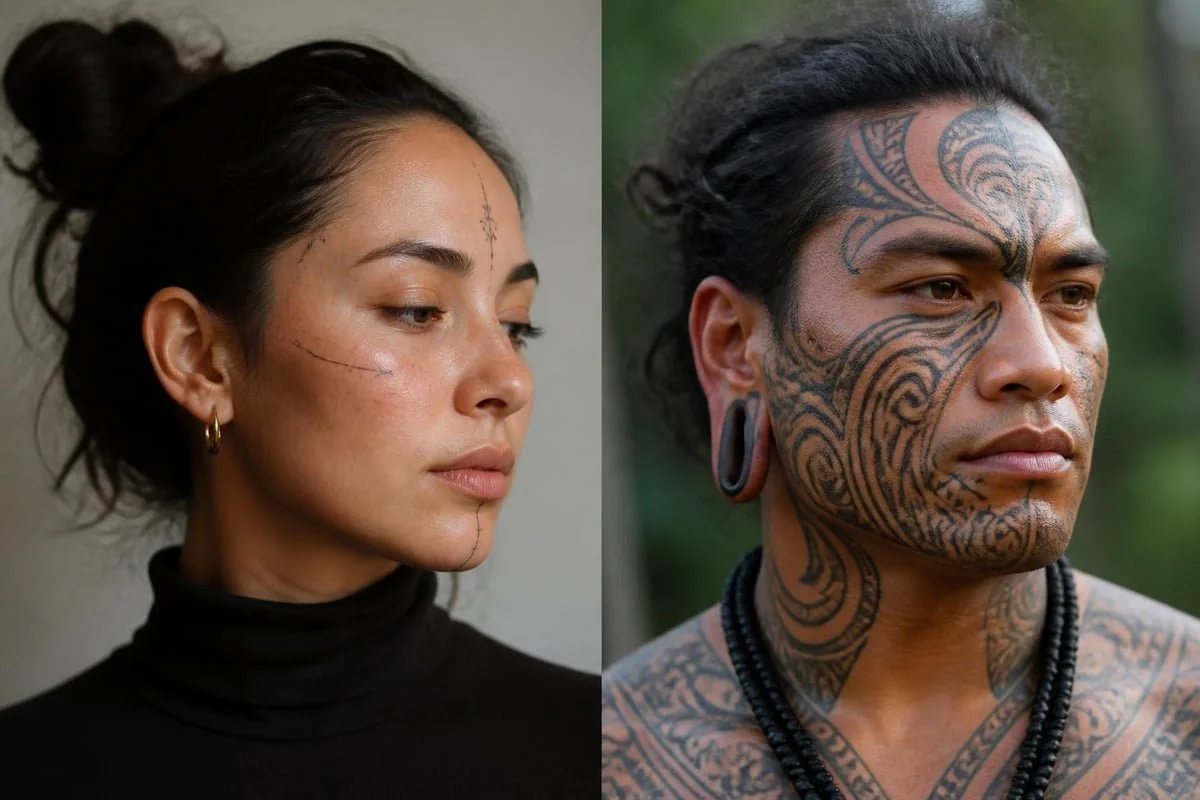
Maori Ta Moko featuring intricate spiral patterns representing genealogy and status
Inuit Kakiniit marking important life transitions for women
Thai Sak Yant believed to provide spiritual protection and blessings
Polynesian tribal designs denoting family lineage and personal achievements
The modern interpretation of facial tattoos has expanded beyond cultural traditions to encompass personal expression, artistic identity, and fashion statements. However, this evolution requires practitioners and clients alike to approach the art form with cultural sensitivity and awareness. Before committing to a tattoo design for face placement, research the cultural origins of any symbols or patterns you're considering to ensure respectful representation.

Cultural face tattoo traditions
Design Considerations for Facial Placement
Creating an effective tattoo design for face applications demands exceptional artistic skill and anatomical understanding. The face presents unique challenges due to its three-dimensional contours, constant movement, and prominent visibility. Professional tattoo artists must account for facial structure, bone prominence, muscle movement, and how designs will age alongside natural facial changes.
Anatomical Zones and Design Adaptation
Different facial regions require distinct design approaches. The forehead offers a relatively flat canvas suitable for horizontal designs or centered motifs, while the temples accommodate flowing patterns that complement natural contours. Cheekbone areas work exceptionally well with designs that follow the natural curves, and the jawline can support elongated patterns that enhance facial structure.
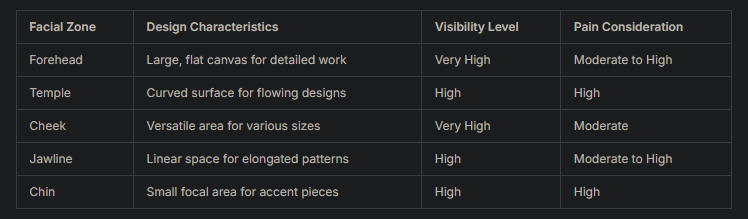
When exploring different tattoo styles, fine line work has emerged as particularly suitable for facial applications. The delicate nature of fine line tattoos creates sophisticated, refined appearances that complement facial features without overwhelming them. Microrealism techniques also excel in facial placement, allowing for intricate portraiture or detailed symbolic imagery within compact spaces.
Popular Face Tattoo Design Styles
The artistic possibilities for tattoo design for face placement continue to expand as techniques advance and cultural acceptance grows. Contemporary facial tattoos range from subtle accent pieces to bold statement designs, each requiring specialized expertise and careful planning.
Minimalist and Fine Line Approaches
Minimalist facial tattoos have gained significant popularity among those seeking subtle enhancement rather than dramatic transformation. Small symbols, delicate geometric patterns, or single-word scripts positioned strategically on the face offer meaningful expression without dominating facial features. These designs typically measure under one inch and utilize precise line work that ages gracefully.
Popular minimalist face tattoo elements:
Single small stars or celestial symbols near the eye or temple
Tiny geometric shapes following cheekbone contours
Delicate floral accents positioned at strategic points
Minimal script or individual characters with personal significance
Abstract dots or line patterns creating subtle visual interest
Fine line work requires exceptional technical skill, particularly on facial skin that experiences constant movement and expression. Artists specializing in this technique must possess steady hands, precise depth control, and understanding of how ink settles in facial tissue differently than other body areas.
Bold Traditional and Cultural Designs
For those honoring cultural heritage through face tattoos, traditional designs maintain their powerful significance. These larger-scale applications often cover substantial facial areas, incorporating tribal patterns, spiritual symbols, or ancestral motifs that connect wearers to their cultural identity.
Face tattoo design styles
Critical Factors Before Committing
Choosing a tattoo design for face placement represents one of the most significant decisions in body modification. Unlike tattoos on arms, back, or legs that can be easily concealed, facial ink remains constantly visible, affecting personal and professional interactions. Several essential considerations deserve thorough evaluation before proceeding.
Professional and Social Implications
The professional landscape regarding facial tattoos has evolved considerably, yet significant barriers remain in many industries. Corporate environments, client-facing positions, and certain professional fields maintain conservative appearance standards that may exclude visible facial tattoos. Before committing, honestly assess your career path, industry norms, and future aspirations.
Consider creating a decision matrix:

When choosing the right tattoo studio for facial work, prioritize establishments with specific experience in facial tattooing. The technical demands of working on facial skin exceed those of other body areas, requiring artists with specialized training and extensive portfolios demonstrating successful facial applications.
Pain Management and Healing Considerations
Facial tattooing involves heightened pain sensitivity due to thin skin, proximity to bone, and dense nerve concentrations. The experience varies across facial regions, with areas like the forehead, temples, and around the eyes typically producing more intense sensations. Understanding what happens during a tattoo session helps prepare mentally and physically for the experience.
The healing process for facial tattoos demands particular attention. Facial skin experiences constant movement through expressions, eating, and speaking, potentially affecting ink settlement. Environmental exposure to sun, wind, and pollutants also impacts healing. Following proper aftercare protocols becomes crucial for optimal results.
Facial tattoo healing timeline:
Days 1-3: Initial swelling, redness, and sensitivity peak
Days 4-7: Flaking begins, itching increases, maintain moisture
Days 8-14: Most visible healing completes, color settles
Weeks 3-4: Deep skin healing continues, avoid sun exposure
Months 2-3: Final color stabilization, touch-ups if needed
Design Selection and Customization Process
Developing the perfect tattoo design for face applications requires collaborative effort between client and artist. This partnership ensures the final design complements facial features, aligns with personal aesthetics, and achieves technical excellence. The customization process typically spans multiple consultations, allowing for refinement and adjustment before permanent application.
Working with Specialized Artists
Selecting an artist experienced in facial tattooing cannot be overstated. Choosing the right tattoo artist involves reviewing portfolios specifically showing facial work, understanding their technical approach, and assessing their willingness to provide honest guidance about design feasibility and placement.
Professional facial tattoo artists should demonstrate:
Portfolio containing multiple successful facial tattoo applications
Understanding of facial anatomy and how skin ages
Willingness to discuss risks, limitations, and alternatives
Commitment to cultural sensitivity when working with traditional designs
Technical expertise in fine line work and precision application
Transparent communication about realistic expectations and outcomes
During consultation, discuss your vision thoroughly, but remain open to professional recommendations. Experienced artists understand how designs translate to facial contours and may suggest modifications that improve long-term results. They can advise on sizing, placement adjustments, and technical considerations you might not have considered.
Customization and Personal Meaning
The most successful face tattoo designs carry deep personal significance, transforming them from mere decoration into meaningful expressions of identity. When developing your custom design, consider elements that reflect your values, experiences, or cultural heritage. Symbolism behind tattoo designs adds layers of meaning that transcend visual appeal.
Customization options include:
Incorporating personal symbols, dates, or coordinates
Adapting cultural patterns to honor heritage respectfully
Creating unique geometric compositions based on facial structure
Combining multiple meaningful elements into cohesive designs
Developing original artwork that tells your personal story

Face tattoo consultation process
Placement Strategies and Facial Harmony
Strategic placement distinguishes exceptional facial tattoos from poorly conceived ones. The goal extends beyond simply finding available skin space to creating designs that enhance natural facial features, maintain visual balance, and age gracefully. Tattoo placement considerations become exponentially more critical when working with the face.
Enhancing Natural Features
Skilled placement can accentuate attractive facial characteristics while maintaining overall harmony. Consider how the tattoo design for face applications interacts with your bone structure, symmetry, and natural expressions. Designs that follow or complement facial contours typically achieve more aesthetically pleasing results than those fighting against natural anatomy.
Placement strategies include positioning designs to:
Follow cheekbone curves to enhance facial definition
Frame the eyes without overpowering them
Accentuate jawline structure through linear patterns
Balance asymmetrical facial features through strategic design placement
Work with natural facial movement rather than against it
Size and Scale Considerations
Determining appropriate size for facial tattoos requires balancing visibility, impact, and subtlety. Larger designs make bold statements but offer less versatility, while smaller pieces provide accent without dominance. Many successful facial tattoo designs occupy the "medium-small" range, typically between one to three inches, offering visibility without overwhelming facial features.

Technical Excellence in Facial Tattooing
The technical demands of executing tattoo design for face applications exceed standard body tattooing. Facial skin possesses unique characteristics requiring specialized techniques, equipment settings, and artistic approaches. Understanding these technical aspects helps clients appreciate the expertise required and make informed decisions about artist selection.
Skin Characteristics and Ink Behavior
Facial skin differs significantly from body skin in thickness, texture, and healing properties. The epidermis on the face measures thinner than most body areas, requiring precise needle depth control to achieve optimal ink placement without causing trauma or scarring. Additionally, facial skin contains more sebaceous glands, potentially affecting how ink settles and ages over time.
Technical considerations include:
Adjusting needle depth for thinner facial skin layers
Modifying machine speed to accommodate sensitive areas
Selecting ink formulations that work optimally in facial tissue
Accounting for increased blood flow affecting ink saturation
Managing inflammation response in highly visible areas
Professional artists specializing in facial work understand these nuances and adjust their technique accordingly. They recognize that facial tattoos require lighter hand pressure, slower application speeds, and heightened attention to detail compared to other body areas.
Color Selection and Longevity
While black and gray ink dominates facial tattoo applications due to its timeless appearance and aging characteristics, color work remains viable when executed properly. However, choosing colors for tattoos on the face requires additional considerations regarding skin tone compatibility, sun exposure effects, and long-term vibrancy.
Factors affecting color longevity on facial tattoos:
Sun exposure: Facial skin receives more UV radiation than covered body areas
Skin tone: Different complexions absorb and display colors variably
Ink quality: Premium pigments maintain vibrancy longer
Aftercare compliance: Proper care significantly impacts color retention
Touch-up schedule: Facial tattoos may require more frequent refreshing
Making the Final Decision
Committing to a tattoo design for face placement demands comprehensive evaluation of personal, professional, and practical factors. This decision carries permanent consequences that extend beyond aesthetic preferences into lifestyle implications. Before getting your first face tattoo, create a structured decision-making framework that addresses all relevant considerations.
Self-Assessment Questions
Ask yourself these critical questions before proceeding:
Have I thoroughly researched the cultural significance of my chosen design?
Do I understand how this tattoo may impact my career trajectory?
Am I prepared for potential social judgment or discrimination?
Have I considered how this tattoo will age with my face over decades?
Can I financially commit to proper aftercare and potential touch-ups?
Have I consulted with experienced professionals about feasibility?
Is this decision based on lasting personal conviction rather than trend?
Do I have realistic expectations about pain, healing, and results?
Honest answers to these questions reveal whether you're truly ready for a facial tattoo or if additional consideration is warranted. There's no shame in deciding to wait, explore alternative placements, or choose different designs after thorough reflection.
Trial Periods and Testing
Before permanent commitment, consider testing your design concept through temporary methods. High-quality temporary tattoos, makeup application, or digital photo editing can provide visual previews of how specific designs appear on your face. Living with these trial versions for days or weeks offers valuable insight into your comfort level with constant visibility and social reactions.
Some professionals recommend:
Applying temporary versions for one-month minimum
Wearing the temporary tattoo in various social and professional settings
Documenting reactions and personal comfort levels
Evaluating whether the design maintains appeal over time
Adjusting size, placement, or design based on trial experience
This testing phase helps differentiate impulsive desires from lasting convictions, potentially preventing regret from hasty decisions. Professional artists appreciate clients who take this preparatory step, as it typically results in more satisfied customers and better collaborative relationships.
Maintenance and Long-Term Care
Once you've committed to a tattoo design for face application, understanding long-term maintenance becomes essential for preserving the artwork's quality and appearance. Facial tattoos face unique challenges from constant environmental exposure, requiring dedicated care protocols that exceed standard tattoo aftercare.
Daily Protection Protocols
Facial tattoos demand daily attention to sun protection, moisture maintenance, and gentle cleansing. UV radiation poses the greatest threat to facial tattoo longevity, causing fading, color shifting, and premature aging. Incorporating broad-spectrum SPF 50+ sunscreen into daily skincare routines protects your investment and maintains visual quality.
Essential daily care practices:
Apply mineral-based sunscreen specifically over tattooed areas
Use gentle, fragrance-free cleansers avoiding harsh chemicals
Maintain skin hydration through quality moisturizers
Avoid picking, scratching, or aggressive exfoliation
Monitor for signs of fading requiring touch-up work
Touch-Up Schedules and Refresh Work
Even with excellent care, facial tattoos typically require more frequent touch-ups than tattoos on less exposed body areas. Plan for potential touch-up sessions every three to five years, depending on design complexity, color usage, and individual skin characteristics. Establishing a relationship with your original artist ensures consistency in touch-up work and maintains design integrity over time.
Touch-up sessions address:
Line definition that softens with age
Color vibrancy loss from sun exposure
Small areas where ink didn't fully settle
Design adjustments for facial changes over time
Enhancement or expansion of original design