Tattoo Designs Hibiscus Flowers: Meanings & Styles
The hibiscus flower stands as one of nature's most visually striking blooms, making it an exceptional choice for those seeking meaningful and aesthetically beautiful body art. Tattoo designs hibiscus flowers combine vibrant cultural symbolism with elegant artistic expression, offering clients endless possibilities for personalization. Whether you're drawn to the delicate petals, the rich cultural heritage, or the flower's symbolic meanings of beauty and transformation, hibiscus tattoos provide a timeless canvas for self-expression. This comprehensive guide explores everything you need to know about hibiscus flower tattoos, from their deep-rooted symbolism to contemporary design approaches that make these pieces truly exceptional.
Cultural Significance and Symbolism of Hibiscus Flowers
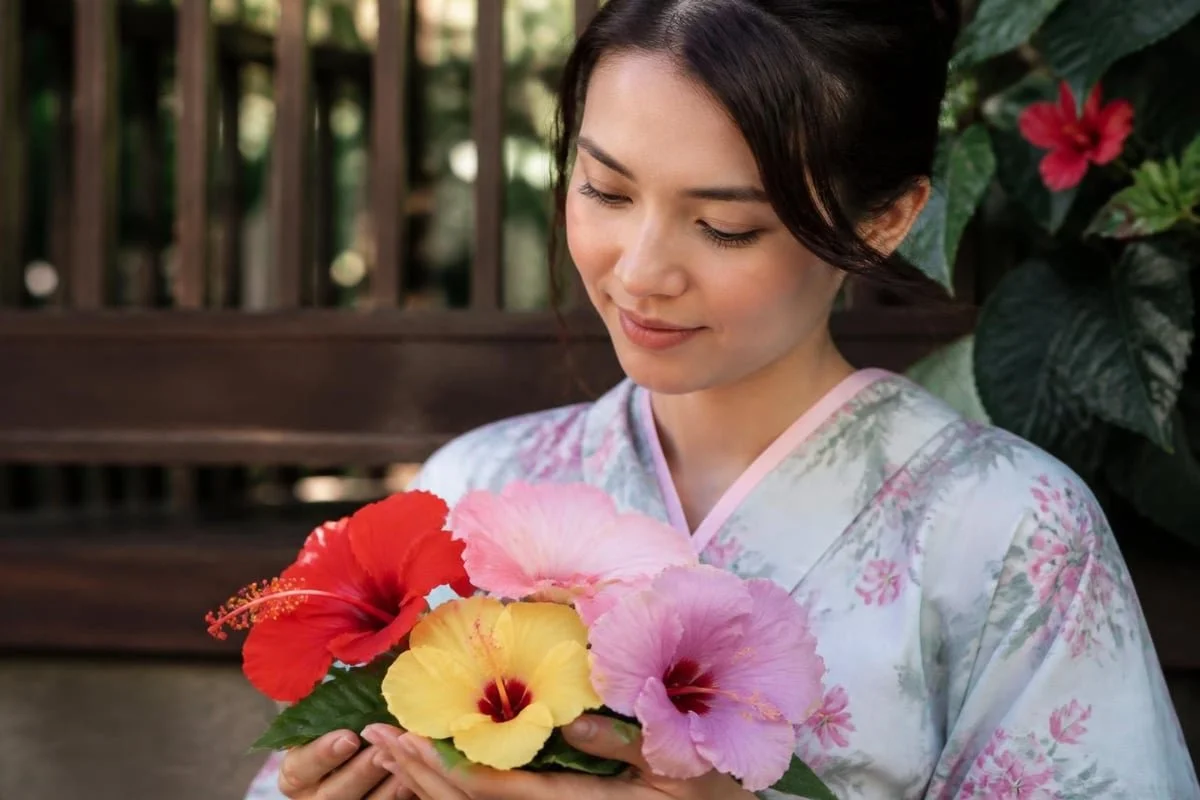
The hibiscus flower carries profound meaning across multiple cultures, making it far more than just a visually appealing design choice. In Hawaiian culture, the hibiscus represents hospitality, respect, and the spirit of aloha. Women traditionally wear these flowers behind their ears, with placement indicating relationship status-behind the right ear signaling availability, behind the left showing commitment.
Cultural meaning of hibiscus flowers
Key Symbolic Meanings:
Beauty and femininity: The delicate petals represent grace and elegance
Fleeting life: The short blooming period symbolizes living in the moment
Joy and happiness: Bright colors evoke positive emotions and celebration
Transformation: The daily blooming cycle represents renewal and change
Power and respect: In some Asian cultures, hibiscus signifies royalty
The spiritual meanings of hibiscus flowers extend beyond surface aesthetics, connecting wearers to ancient wisdom and natural cycles. In Chinese culture, the hibiscus symbolizes fame, glory, and wealth, while Korean tradition associates it with immortality and eternity. Understanding these layered meanings helps clients choose tattoo designs hibiscus flowers that resonate with their personal journey and values.
Color Symbolism in Hibiscus Tattoos
Different hibiscus colors carry distinct symbolic weight, allowing for further customization of your tattoo's meaning. Red hibiscus flowers traditionally symbolize passionate love and desire, making them popular choices for romantic expressions. Yellow blooms represent happiness, sunshine, and good luck-perfect for those seeking optimistic symbolism. White hibiscus flowers convey purity, spirituality, and new beginnings, while pink varieties express gentle love, friendship, and femininity.
When choosing tattoo colors for skin tones, consider how pigments will appear on your complexion. Purple hibiscus tattoos often symbolize mystery and royalty, while orange blooms represent energy and enthusiasm. The color palette you select significantly impacts both the visual impact and the symbolic message your tattoo conveys.
Popular Styles for Tattoo Designs Hibiscus Flowers
Fine line hibiscus tattoos have emerged as a dominant trend in luxury tattoo studios, offering delicate, precise rendering of the flower's intricate petals and stamen. This technique creates sophisticated, minimalist designs that age gracefully and suit various body placements. The fine line tattoo style requires exceptional technical skill, making it essential to work with experienced artists who specialize in detailed botanical work.
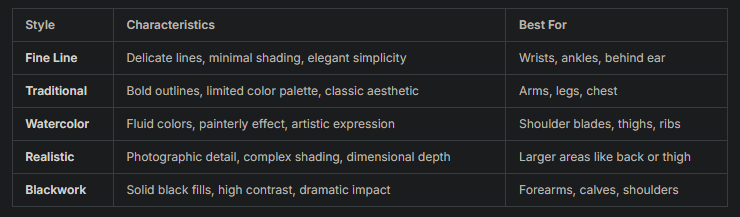
Watercolor hibiscus tattoos create stunning visual effects by blending colors seamlessly, mimicking the appearance of brush strokes on canvas. This contemporary approach works beautifully for flower tattoo designs, particularly when combined with abstract elements or geometric shapes. The technique allows artists to capture the hibiscus's natural vibrancy while adding modern artistic flair.
Combining Hibiscus with Other Design Elements
Tattoo designs hibiscus flowers gain additional depth when paired with complementary imagery. Popular combinations include tropical leaves like monstera or palm fronds, creating cohesive island-themed compositions. Butterflies or hummingbirds add movement and life, symbolizing transformation and freedom alongside the flower's beauty.
Effective Design Pairings:
Ocean waves or beach elements for tropical themes
Japanese koi fish for cultural fusion designs
Mandalas or geometric patterns for spiritual dimension
Script or quotes integrated into floral composition
Vines and additional botanical elements for nature themes
Many clients incorporate hibiscus flowers into sleeve designs, building comprehensive narratives that tell personal stories. The flower's versatile shape adapts well to flowing compositions that wrap naturally around arms, legs, or torso placements.
Optimal Placement Considerations
Hibiscus tattoo placement options
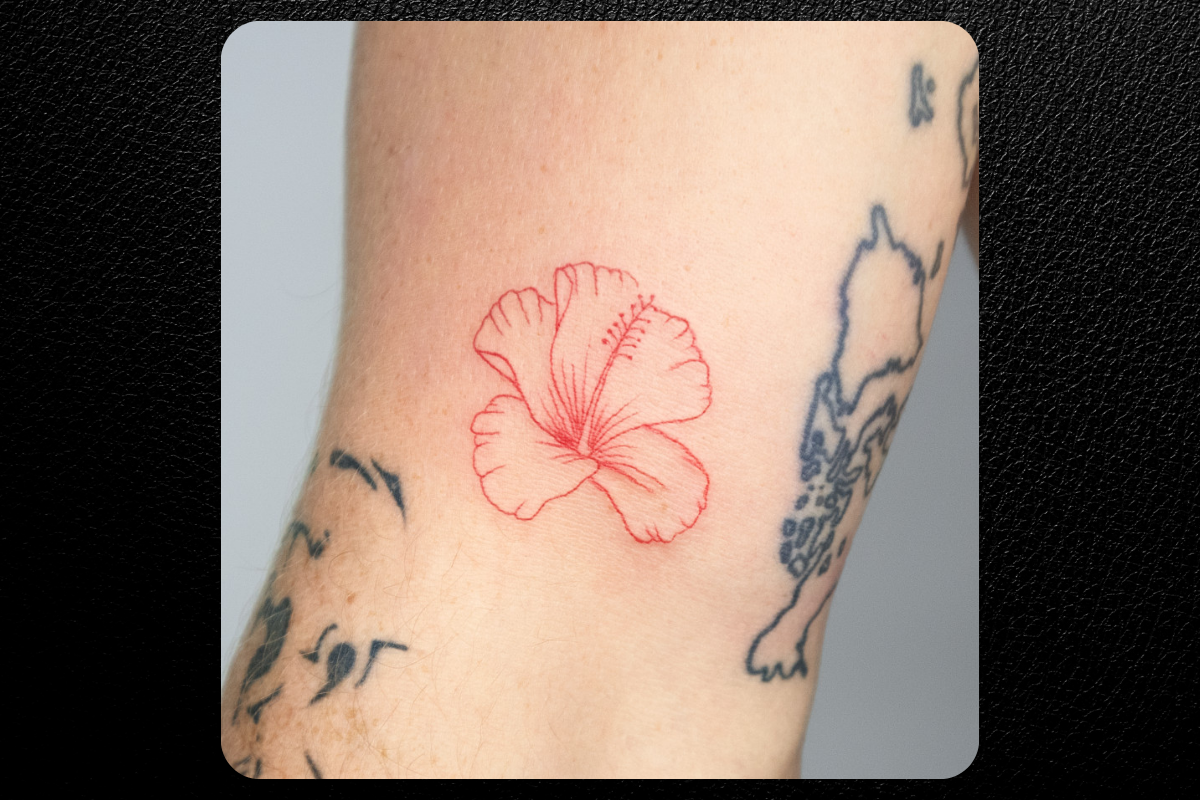
Selecting the perfect tattoo placement requires balancing aesthetic preferences, visibility requirements, and pain tolerance. Smaller, delicate hibiscus designs work beautifully on wrists, ankles, or behind the ear, offering subtle elegance for professional environments. These locations suit fine line work particularly well, as the limited space demands precise execution.
Shoulder and upper arm placements provide versatile canvases for medium-sized tattoo designs hibiscus flowers. These areas offer relatively low pain levels and excellent visibility control-easily shown or concealed depending on clothing choices. The natural curve of the shoulder complements the organic shape of hibiscus petals, creating harmonious compositions.
Large-Scale Placement Options
Back pieces and thigh tattoos accommodate elaborate hibiscus compositions with multiple blooms, shading variations, and complementary elements. These extensive canvases allow artists to showcase technical mastery through intricate detail work and complex color gradations. The larger surface area supports realistic rendering that captures every nuance of the flower's structure.
Ribcage and side body placements create striking vertical compositions, though these areas typically involve higher pain levels. The pain considerations during tattoo sessions vary significantly by individual pain tolerance and specific placement. Discussing concerns openly with your artist ensures appropriate session planning and breaks as needed.
Design Customization and Personalization
The beauty of tattoo designs hibiscus flowers lies in endless customization possibilities. Single bloom designs offer clean, focused aesthetics perfect for minimalist preferences, while clustered arrangements create dynamic, fuller compositions. Consider whether you want your hibiscus in full bloom, budding, or with fallen petals-each variation carries different symbolic weight regarding life stages and personal growth.
Adding personal elements transforms generic hibiscus designs into meaningful, unique artwork. Incorporating significant dates in Roman numerals, names of loved ones in elegant script, or coordinates of special locations creates deeply personal pieces. Understanding the symbolism behind tattoo designs helps ensure every element contributes to your overall narrative.
Personalization Options:
Adjusting petal count or arrangement for symbolic meaning
Incorporating birthstones through colored accents
Adding subtle background patterns or textures
Integrating cultural symbols from your heritage
Customizing the stamen design for unique character
Working with skilled artists who specialize in botanical tattoos ensures accurate representation of hibiscus anatomy while allowing creative interpretation. Choosing the right tattoo artist significantly impacts final results, particularly for detailed floral work requiring botanical knowledge and artistic sensitivity.
Technical Considerations for Hibiscus Tattoos
Fine line tattoo designs hibiscus flowers demand exceptional technical precision, as the delicate lines must be executed perfectly to maintain clarity over time. The technique requires steady hands, proper needle selection, and thorough understanding of how line weight affects aging. Thicker lines generally age better, but skilled artists balance durability with the delicate aesthetic that makes fine line work appealing.
Shading techniques dramatically affect hibiscus tattoo depth and dimension. Stippling creates soft, gradual transitions perfect for petal shadows, while smooth shading produces photorealistic effects. Black and grey tattoos offer timeless elegance, though color tattoos capture the hibiscus's natural vibrancy more accurately.
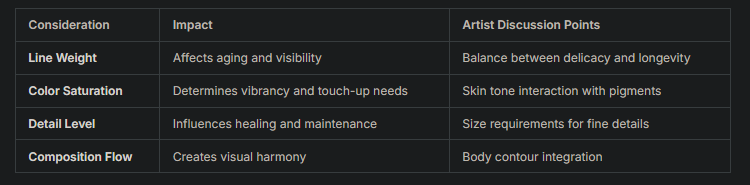
Understanding what happens during your tattoo session helps manage expectations and ensures comfortable experiences. Professional studios maintain sterile environments, use premium inks, and prioritize client comfort throughout the process. Sessions for detailed hibiscus work may require multiple appointments, particularly for larger pieces with extensive color work.
Aftercare and Long-Term Maintenance
Proper aftercare directly impacts how well tattoo designs hibiscus flowers heal and maintain their beauty over time. Following essential tattoo aftercare guidelines prevents complications and ensures optimal color retention. The healing process typically spans two to four weeks, with complete settling of pigments occurring over several months.
Critical Aftercare Steps:
Keep the tattoo clean and moisturized with fragrance-free products
Avoid direct sunlight and swimming during initial healing
Resist picking at scabs or peeling skin
Wear loose clothing to prevent friction
Apply high SPF sunscreen once healed to prevent fading
Color tattoos require particular attention to sun protection, as UV exposure causes pigment degradation over time. Easier tattoo healing begins with following artist instructions precisely and maintaining consistent aftercare routines. Quality inks and proper application technique from experienced artists also contribute significantly to longevity.
Touch-Up Considerations
Fine line work may benefit from periodic touch-ups to maintain crispness, particularly in high-friction areas. Most professional studios offer touch-up policies within the first year, addressing any healing inconsistencies or line fading. Discussing these policies during initial consultations ensures you understand long-term maintenance expectations for your hibiscus tattoo.
Seasonal and Trend Considerations
While tattoo designs hibiscus flowers maintain timeless appeal, certain styles experience periodic popularity surges. Minimalist single-line hibiscus designs have gained traction recently, appealing to clients seeking understated elegance. Micro-realistic approaches that capture photographic detail in small formats demonstrate advancing technical capabilities within the industry.
The exploration of different tattoo styles reveals how traditional hibiscus motifs adapt to contemporary aesthetics. Neo-traditional approaches combine bold outlines with expanded color palettes and modern shading techniques, breathing fresh life into classic designs. These interpretations honor the flower's cultural significance while reflecting current artistic sensibilities.
Contemporary trends also embrace negative space techniques, where skin tone becomes integral to the design composition. This approach creates striking contrast in hibiscus tattoos, particularly when combined with bold blackwork elements. The versatility of hibiscus imagery allows seamless integration across various artistic movements and personal style preferences.
Cultural Sensitivity and Authenticity
When selecting tattoo designs hibiscus flowers rooted in specific cultural traditions, understanding proper context demonstrates respect and appreciation. Hawaiian hibiscus tattoos carry particular cultural weight, representing more than mere decoration. Researching traditional cultural meanings ensures your chosen design honors rather than appropriates sacred symbolism.
Consulting with artists who understand cultural nuances helps navigate these considerations thoughtfully. Some hibiscus varieties hold specific regional significance-the yellow hibiscus serves as Hawaii's state flower, while the rose of Sharon (a hibiscus variety) represents South Korea. Acknowledging these distinctions adds authenticity and depth to your tattoo choice.
Cultural Respect Guidelines:
Research the specific hibiscus variety and its cultural origins
Understand whether certain design elements hold sacred meaning
Discuss cultural considerations with your tattoo artist
Avoid mixing symbols from different cultures inappropriately
Consider consulting cultural practitioners if uncertain
Working with studios that value cultural awareness and artistic integrity ensures your hibiscus tattoo celebrates beauty while maintaining appropriate respect for its origins. The meanings behind hibiscus flower tattoos extend far beyond surface aesthetics, connecting wearers to rich cultural histories and universal human experiences.
Gender-Neutral Appeal and Versatility
Though historically associated with feminine beauty, modern tattoo designs hibiscus flowers transcend gender boundaries completely. Men increasingly embrace floral tattoos, appreciating their symbolic depth and visual impact. Larger, bolder hibiscus designs with strong black outlines appeal to masculine aesthetics, while maintaining the flower's inherent elegance and cultural significance.
The hibiscus adapts seamlessly to various stylistic preferences regardless of gender identity. Geometric interpretations create structured, angular versions of the organic flower, while tribal-inspired approaches emphasize bold, flowing lines. This versatility makes hibiscus tattoos universally accessible, limited only by imagination and artistic skill.
Design composition affects perceived masculine or feminine energy more than the subject itself. Pairing hibiscus with traditionally masculine elements like skulls, anchors, or wildlife creates balanced fusion pieces. The diverse range of tattoo ideas demonstrates how personal expression transcends conventional gender associations in contemporary tattoo culture.
Investment and Studio Selection
Quality tattoo designs hibiscus flowers represent significant investments in both time and finances. Premium studios charge accordingly for exceptional artistry, sterile environments, and extensive consultation processes. Understanding that quality work commands appropriate pricing helps set realistic budgets and expectations.
When choosing the right tattoo studio, prioritize portfolios demonstrating botanical expertise and fine line proficiency. Review healed photos showing how work ages over time, not just fresh tattoos. Artist specialization matters significantly-those who regularly create floral pieces develop refined techniques that generalist artists may lack.
Studio Selection Criteria:
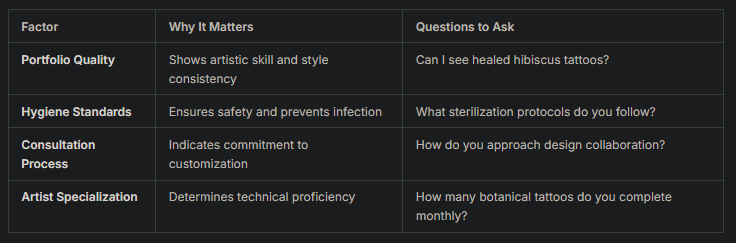
Luxury tattoo experiences prioritize client comfort, artistic excellence, and comprehensive aftercare support. These studios invest in premium equipment, continuous artist education, and creating environments where clients feel valued throughout their tattoo journey. The investment in quality work pays dividends through pieces that remain beautiful for decades.