Fine Lining Tattoo: The Delicate Art of Precision Ink
The world of body art has evolved dramatically over the past decade, with one particular style capturing the attention of discerning clients seeking elegant, sophisticated designs. The fine lining tattoo represents the pinnacle of precision tattooing, where artists use single needles or minimal needle configurations to create delicate, intricate designs that resemble pencil sketches or pen illustrations on skin. This meticulous approach has transformed how people view permanent body art, shifting from bold, traditional imagery to subtle, refined expressions of personal identity. Understanding the nuances of this specialized technique helps clients make informed decisions about their tattoo journey, particularly when seeking premium experiences that honor both artistry and craftsmanship.
The Evolution of Fine Line Tattoo Artistry
The fine line tattooing style emerged from a convergence of minimalist aesthetic movements and advances in tattooing equipment technology. Unlike traditional tattooing methods that utilize multiple needles grouped together, fine line work demands exceptional control and steady hands. Artists who specialize in this technique often train for years to master the precise pressure, angle, and speed required to create consistent, hair-thin lines that maintain their integrity over time.
Historical context reveals that fine lining tattoo techniques draw inspiration from various artistic traditions. Japanese tebori methods, European engraving traditions, and contemporary minimalist design philosophies all contribute to the modern fine line aesthetic. The style gained significant popularity through social media platforms, where crisp, detailed photographs showcase the remarkable precision achievable with this approach.
Technical Requirements and Equipment
Creating exceptional fine line tattoos requires specialized equipment beyond standard tattooing machines. Artists typically use:
Single-needle configurations or 3-liner needle groupings for maximum precision
Rotary machines with adjustable voltage for delicate control
Premium quality inks with optimal consistency for fine detail work
Specialized power supplies that offer stable, low-voltage output
High-quality transfer paper for accurate stencil placement
The technical demands of fine lining tattoo work extend to environmental factors as well. Optimal lighting, ergonomic positioning, and a steady work surface become crucial when working at microscopic scales. Many luxury studios invest significantly in creating ideal conditions for this precision work, recognizing that environmental factors directly impact artistic outcomes.
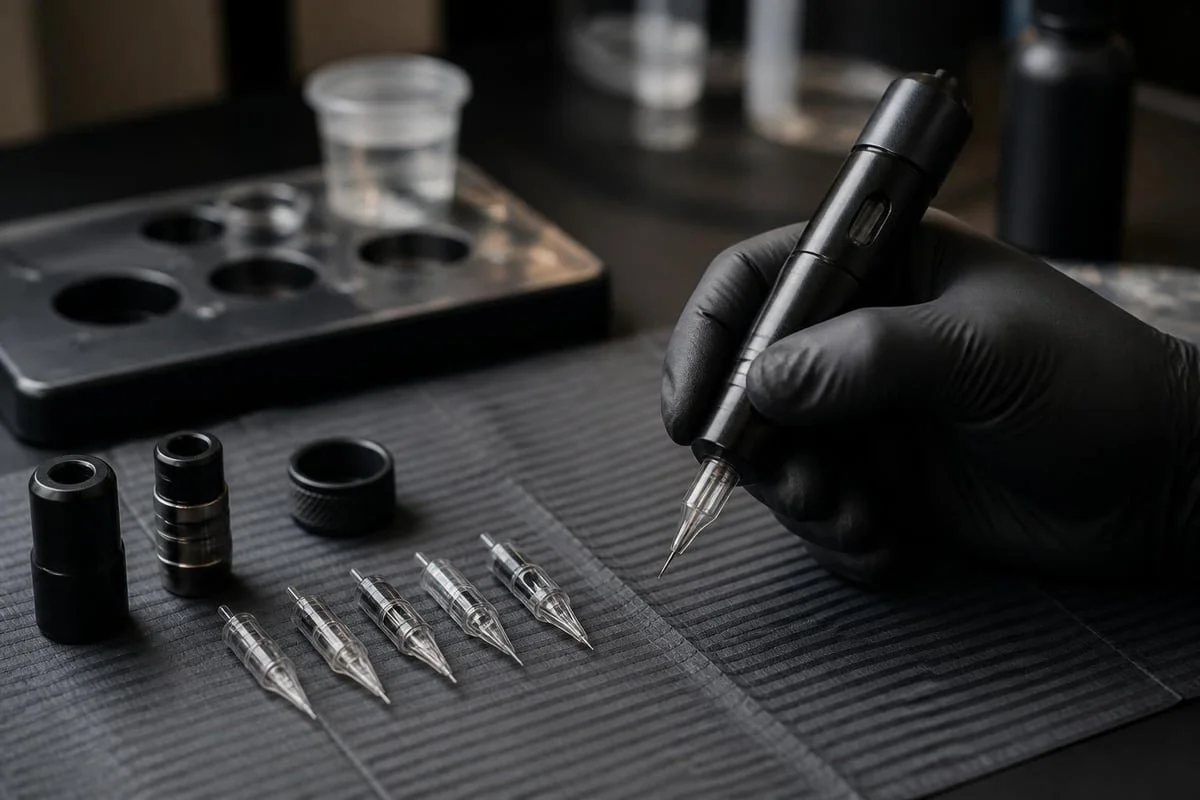
Fine line tattooing equipment and technique
Popular Design Categories and Applications
The versatility of fine line techniques allows artists to create diverse design categories, each with distinct characteristics and appeal. Understanding these variations helps clients articulate their vision when choosing the perfect tattoo artist for their project.
Botanical and Nature Designs
Floral compositions represent one of the most requested fine lining tattoo categories. Delicate petals, intricate leaf veining, and subtle shading create botanical illustrations with remarkable realism. These designs often incorporate:
Single stem flowers with detailed stamen and petal structure
Wildflower bouquets featuring multiple species in natural arrangements
Botanical illustrations inspired by vintage scientific drawings
Minimalist branch patterns emphasizing negative space
Herb and plant studies showcasing medicinal or culinary botanicals
Nature-inspired designs extend beyond florals to include animals, insects, and landscape elements. The fine line approach particularly suits subjects requiring detailed texture work, such as bird feathers, butterfly wings, or animal fur patterns.
Geometric and Abstract Compositions
Geometric fine lining tattoo designs combine mathematical precision with artistic expression. These pieces often feature:
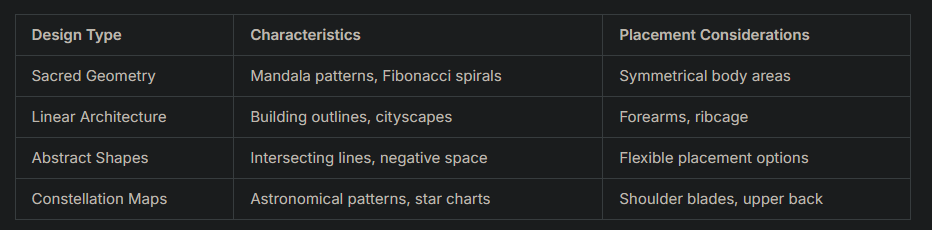
The clean, precise nature of geometric work showcases the artist's technical skill while creating visually striking compositions. Many clients appreciate how these designs complement modern aesthetic sensibilities and professional environments.
Portraiture and Figurative Work
Advanced fine lining tattoo artists can create remarkably detailed portraits using only black ink and varying line weights. This challenging category requires exceptional understanding of:
Facial anatomy and proportional accuracy
Light and shadow rendered through line density
Subtle gradations achieved without traditional shading techniques
Expression capture through precise feature placement
Likeness achievement despite minimal tonal range
Figurative work extends to full-body representations, classical statue references, and contemporary fashion illustrations. The precision required for this work makes it essential to select artists with proven portfolios in portraiture.
Placement Considerations and Design Optimization
Strategic placement significantly impacts the longevity and visual impact of fine lining tattoo designs. Understanding how skin texture, movement, and aging affect delicate linework helps clients make informed decisions about tattoo placement.
Optimal Body Areas for Fine Line Work
Certain anatomical locations provide ideal canvases for delicate designs:
High-quality skin areas include inner forearms, upper shoulders, and ribcage sections where skin remains relatively taut and experiences minimal daily stretching. These locations preserve fine details exceptionally well and allow for comfortable tattooing sessions.
Moderate-quality areas such as outer arms, thighs, and calves offer good surfaces with slightly more textural variation. These placements work well for slightly larger fine line pieces where minor detail variation remains acceptable.
Challenging areas include hands, feet, and finger locations where skin texture and frequent movement pose preservation challenges. While fine lining tattoo work remains possible in these areas, clients should maintain realistic expectations regarding long-term appearance.
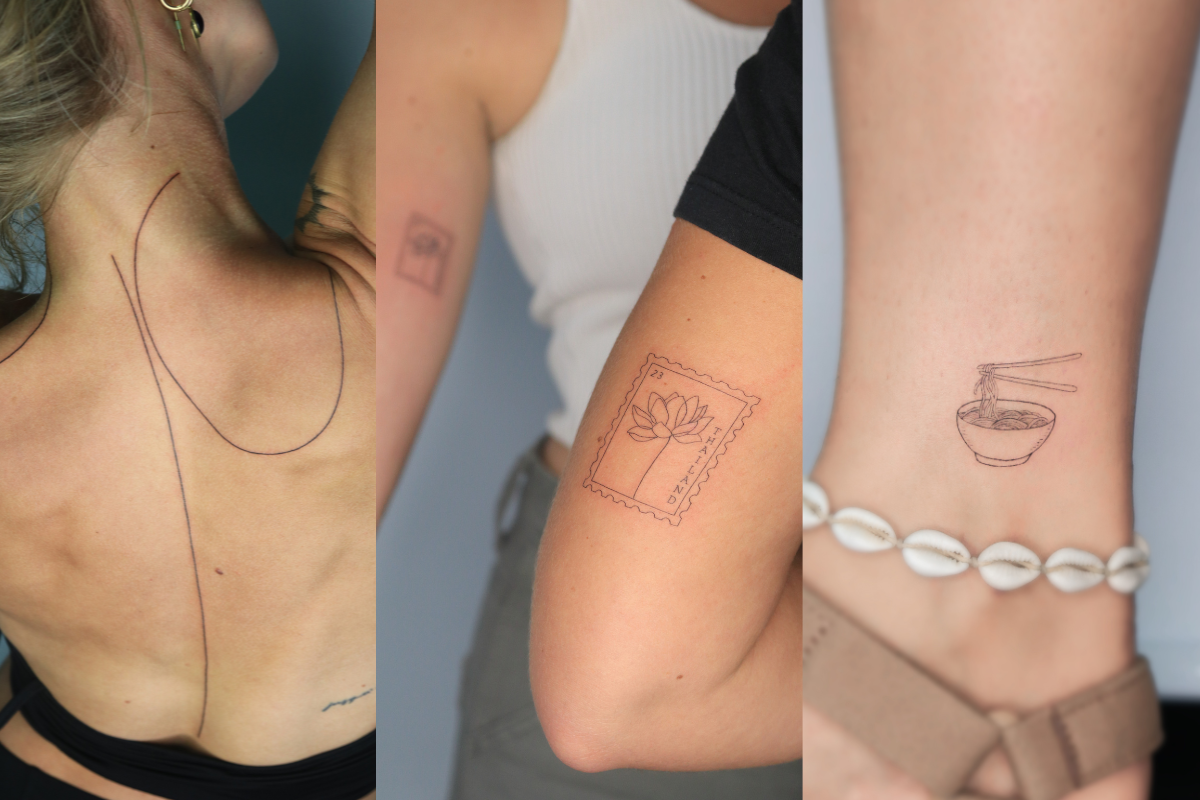
Fine line tattoo placement guide
Size and Scale Considerations
Fine line designs function best within specific size parameters. Extremely small tattoos (under one inch) may blur together as skin ages, while oversized fine line pieces can appear unbalanced without additional visual weight. Most professional artists recommend:
Minimum sizing of 2-3 inches for complex designs to ensure detail visibility
Proportional scaling that maintains line weight consistency throughout the composition
Negative space integration to prevent visual crowding
Strategic detail placement in areas receiving optimal visibility
Future modification consideration allowing for potential additions or enhancements
The relationship between design complexity and physical size directly impacts both artistic execution and long-term appearance. Experienced artists guide clients toward proportions that honor both aesthetic vision and practical longevity.
Aftercare Protocols for Fine Line Tattoos
Proper healing practices prove essential for preserving the crisp details characteristic of fine lining tattoo work. The unique aftercare requirements for delicate linework differ somewhat from traditional tattoo healing protocols.
Immediate Post-Session Care
The first 24-48 hours establish the foundation for optimal healing. Gentle cleansing practices become paramount:
Wash hands thoroughly before any tattoo contact
Use fragrance-free antibacterial soap in lukewarm water
Pat dry gently with clean paper towels rather than cloth
Apply thin ointment layers avoiding thick, suffocating coverage
Avoid submersion in water bodies including pools, baths, and ocean
Temperature management during initial healing prevents excessive inflammation that might blur fine details. Cool to lukewarm water temperatures during cleansing and avoiding hot showers near the tattoo site help maintain optimal healing conditions.
Long-Term Maintenance Strategies
Preserving fine line tattoo quality requires ongoing commitment to skin health and protection:
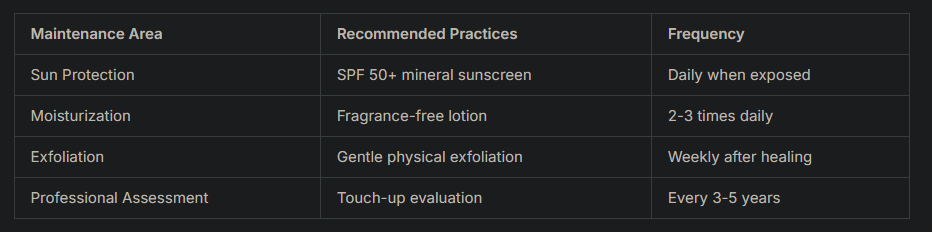
Understanding comprehensive tattoo aftercare essentials helps clients maintain the pristine appearance that attracted them to fine line work initially. Many luxury studios provide detailed aftercare packages including premium healing products specifically formulated for delicate tattoo preservation.
Artist Selection and Studio Evaluation
Choosing the right professional for fine lining tattoo work represents perhaps the most critical decision in the entire process. The specialized nature of this technique demands specific qualifications and demonstrated expertise.
Portfolio Assessment Criteria
When evaluating potential artists, examine portfolios for:
Line consistency across entire designs, indicating steady hand control and proper machine setup. Examine whether lines maintain uniform thickness or show unwanted variation suggesting technical limitations.
Healing examples showing how previous work has aged, typically 6-12 months post-session. Understanding what happens during tattoo sessions includes recognizing how initial appearance differs from healed results.
Design variety demonstrating versatility across different fine line categories rather than repetitive pattern work. Artists with diverse portfolios typically possess stronger fundamental skills applicable to custom projects.
Detail preservation in photographed work, where crisp lines appear sharp even in close-up images. Blurred or inconsistent details in portfolio photos often reflect actual technical limitations rather than photography issues.
Key portfolio elements for assessing fine lining tattoo artist expertise, including line consistency, healed work examples, and technical skill demonstration
Studio Environment and Standards
The physical environment where tattooing occurs impacts both experience quality and health outcomes. Premium studios specializing in fine lining tattoo work typically feature:
Sterile procedure rooms with medical-grade sanitation protocols
Optimal lighting systems providing shadow-free illumination
Comfortable client positioning equipment for extended sessions
Climate control maintaining ideal temperature and humidity
Private consultation spaces for detailed design discussions
Choosing the right tattoo studio involves evaluating these environmental factors alongside artist credentials. Luxury facilities invest significantly in creating spaces where both technical precision and client comfort receive equal priority.
Pricing Structures and Investment Considerations
Fine lining tattoo work typically commands premium pricing reflecting the specialized skill, time investment, and equipment requirements involved. Understanding pricing structures helps clients budget appropriately for quality work.
Factors Influencing Cost
Several variables determine final pricing for fine line projects:
Artist experience level significantly impacts rates, with established specialists charging substantially more than emerging artists still developing their skills. However, expertise differences often justify price variations through superior results and reduced touch-up needs.
Design complexity affects both session duration and required concentration levels. Intricate compositions with numerous fine details demand more time and mental focus than simpler designs, reflected in overall costs.
Placement difficulty influences pricing when locations require awkward positioning, extended session durations, or heightened precision due to anatomical challenges.
Studio location affects overhead costs, with premium urban locations and luxury facilities typically commanding higher rates than standard shops in secondary markets.
Most professional fine lining tattoo artists work on hourly rates or project-based pricing established during consultation. Transparent pricing discussions during initial meetings prevent misunderstandings and ensure budget alignment with artistic vision.
Value Assessment Beyond Price
Evaluating fine line tattoo investment requires looking beyond immediate costs to long-term value:
Longevity of well-executed fine line work that maintains appearance for decades
Artistic uniqueness of custom designs created specifically for individual clients
Professional execution reducing or eliminating touch-up requirements
Health safety through proper sterilization and technique
Experience quality in premium environments prioritizing client comfort
While budget constraints represent valid considerations, prioritizing cost minimization in fine lining tattoo selection often results in disappointing outcomes requiring expensive correction or removal procedures. The comprehensive guide to fine line tattooing emphasizes how initial investment in quality work pays dividends through superior long-term results.
Common Misconceptions and Realistic Expectations
Several myths surrounding fine lining tattoo work deserve clarification to help potential clients form accurate expectations about this specialized art form.
Longevity and Aging Concerns
One prevalent misconception suggests fine line tattoos fade rapidly or blur unrecognizably within months. While delicate linework requires proper execution and care, quality fine lining tattoo work maintains clarity for years when:
Proper technique includes appropriate needle depth, optimal ink saturation, and suitable line weight for the design scale. Artists experienced in fine line tattoo techniques understand how to achieve longevity through technical precision.
Adequate aftercare follows professional protocols during healing and maintenance phases. The detailed aftercare guide demonstrates how proper healing practices preserve fine details.
Strategic placement selects body areas conducive to long-term detail preservation rather than high-friction or frequently stretched locations.
Realistic sizing ensures designs remain appropriately scaled for their detail level, preventing natural aging processes from compromising visibility.
Pain Level and Session Duration
Fine lining tattoo sessions often feel less intense than traditional work due to minimal needle configurations and gentler machine settings. However, extended session durations required for detailed work can test endurance levels. Most clients report:
Initial discomfort being moderate rather than severe
Fatigue development during sessions exceeding two hours
Location-dependent variation with ribcage and spine placements remaining challenging
Manageable sensation allowing most people to complete sessions without numbing products
Understanding what to expect during your first tattoo session helps prepare mentally and physically for the experience, particularly when pursuing detailed fine line work requiring extended appointment times.
Design Development and Consultation Process
Successful fine lining tattoo projects begin with thorough consultation and collaborative design development. This preparatory phase establishes clear communication and ensures artistic vision alignment between client and artist.
Initial Consultation Components
Professional consultations typically include:
Vision discussion where clients articulate concepts, inspirations, and desired aesthetic qualities. Bringing reference images, written descriptions, and example photographs helps communicate ideas effectively.
Technical assessment during which artists evaluate design feasibility, recommend optimal sizing and placement, and discuss realistic expectations for the proposed concept.
Portfolio review allowing clients to examine relevant previous work demonstrating the artist's capability with similar designs or techniques.
Pricing estimation providing transparent cost expectations based on design complexity, size, and estimated session requirements.
Timeline establishment outlining design development duration, session scheduling, and any preparatory requirements before the appointment.
Custom Design Creation
Following consultation, artists develop custom designs through iterative refinement:
Initial sketch creation based on consultation discussions
Client feedback incorporation adjusting elements to align with vision
Detail refinement perfecting proportions and technical elements
Final approval confirming readiness to proceed with tattooing
Stencil preparation creating transfer templates for precise placement
The collaborative nature of custom fine lining tattoo work ensures final designs reflect individual personality and aesthetic preferences rather than generic flash selections. This personalization represents a hallmark of luxury tattoo experiences prioritizing artistic partnership.
Touch-Ups and Long-Term Care
Even expertly executed fine lining tattoo work may eventually benefit from touch-up sessions as natural skin changes occur over years or decades. Understanding this reality helps maintain appropriate expectations and budgeting.
When Touch-Ups Become Necessary
Several factors might necessitate touch-up work:
Natural aging gradually affects skin texture and elasticity, potentially causing minor line spreading or detail softening after 5-10 years in optimal conditions.
Sun exposure accelerates fading even with protection, particularly in frequently exposed areas like hands, forearms, and shoulders.
Weight fluctuations stretching or contracting skin can impact fine details, especially in areas prone to significant size changes.
Inadequate initial healing due to aftercare protocol neglect might compromise some details requiring professional correction.
Most reputable artists offer complimentary minor touch-ups within the first year, addressing any healing inconsistencies not attributable to client aftercare failures. Subsequent touch-up sessions years later typically incur fees reflecting time and materials invested.
Preservation Best Practices
Maximizing fine lining tattoo longevity involves consistent protective measures:
Daily sunscreen application on tattooed areas when exposed to UV radiation
Moisturization routines maintaining optimal skin hydration and elasticity
Gentle cleansing avoiding harsh exfoliants or abrasive scrubbing
Professional skincare avoiding aggressive treatments near tattooed areas
Healthy lifestyle supporting overall skin quality through nutrition and hydration
These maintenance practices extend beyond tattoo preservation to promote general skin health, creating synergistic benefits for overall appearance and well-being.