Fine Line Sleeve Tattoo: Guide to Elegant Full-Arm Ink
The fine line sleeve tattoo represents a masterful convergence of minimalist aesthetics and comprehensive body art coverage. This sophisticated approach to full-arm tattooing has revolutionized the industry by proving that impactful designs don't require bold, heavy linework. Instead, delicate strokes create intricate compositions that flow seamlessly from shoulder to wrist, offering a refined alternative to traditional sleeve tattoos. The growing popularity of this style reflects a broader cultural shift toward subtle elegance in permanent body art, particularly among professionals and creatives seeking meaningful expression without overwhelming visual presence.
Understanding Fine Line Sleeve Tattoo Artistry
A fine line sleeve tattoo distinguishes itself through the use of single-needle or small-grouped needle configurations that produce extraordinarily thin lines. This technical precision in fine line tattooing demands exceptional steadiness and expertise from artists who specialize in this delicate craft. The lines typically range from 0.25mm to 1mm in width, creating subtle gradations and intricate details impossible to achieve with conventional tattooing methods.
The aesthetic appeal lies in the understated elegance these designs offer. Unlike bold traditional sleeves that command immediate attention, fine line work reveals its complexity gradually, rewarding closer inspection with hidden details and nuanced shading. This characteristic makes the style particularly suitable for professional environments where discrete body art is preferred.
Key characteristics of fine line sleeve tattoos include:
Minimal line weight creating delicate visual impact
Intricate detail work showcasing technical precision
Subtle shading and gradient transitions
Contemporary aesthetic with timeless appeal
Versatility across multiple artistic styles
Different artistic approaches can be applied within the fine line framework. Botanical illustrations featuring native Thai flora, minimalist geometric patterns, micro-realism portraits, and abstract line compositions all translate beautifully to this technique. Exploring various tattoo styles helps clients understand how fine line methods adapt to different artistic visions.
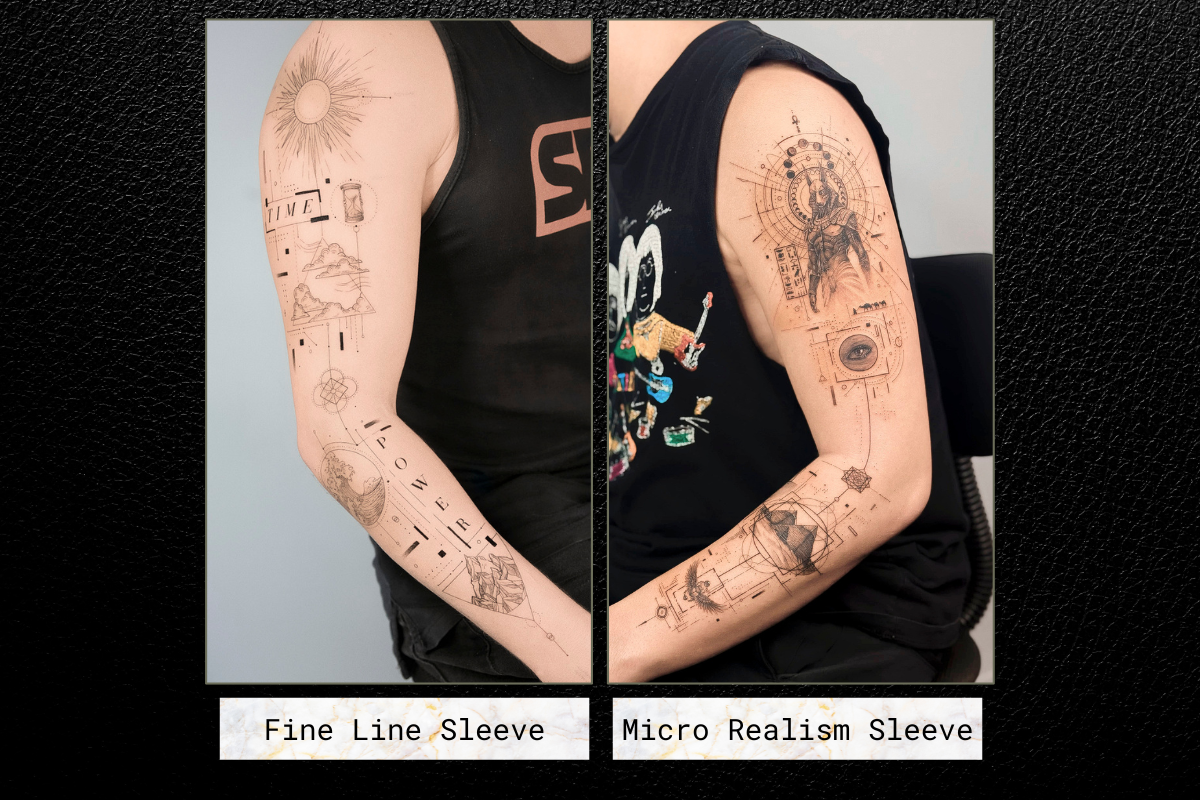
Fine line tattoo comparison
Design Considerations for Full-Arm Coverage
Planning a fine line sleeve tattoo requires comprehensive forethought regarding composition, flow, and thematic cohesion. The arm's natural contours influence how designs appear from different angles, making three-dimensional planning essential. Artists must consider how the design wraps around muscles, how movement affects visibility, and how elements connect across the shoulder, forearm, and wrist transitions.
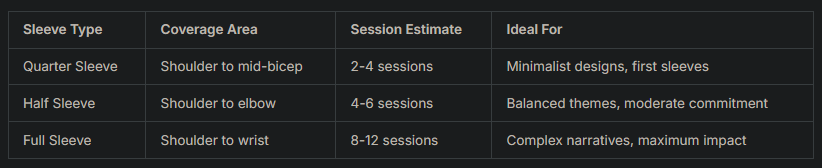
Quarter, Half, and Full Sleeve Options
Sleeve coverage varies significantly based on personal preference and commitment level. A quarter sleeve extends from the shoulder to mid-bicep, offering substantial design space while remaining easily concealable. Half sleeves reach the elbow, providing balanced coverage that works well for cohesive thematic designs. Full sleeves extend from shoulder to wrist, offering maximum canvas for complex narratives and interconnected imagery.
The application of fine line techniques to sleeve designs presents unique opportunities for creating flowing compositions that guide the eye naturally along the arm's length. Design elements should complement the arm's natural movement rather than fighting against anatomical structure.
Thematic Unity and Visual Flow
Establishing a cohesive theme prevents the finished sleeve from appearing disjointed or haphazard. Nature-inspired designs might incorporate celestial elements, botanical specimens, and wildlife in harmonious arrangement. Architectural themes could blend geometric patterns with structural elements. Personal narratives might combine portraiture, symbolic imagery, and meaningful text in carefully balanced composition.
Visual flow ensures smooth transitions between design elements. Negative space plays a crucial role in fine line work, providing breathing room that prevents overcrowding while emphasizing the delicacy of each component. Strategic placement of larger focal points balanced with intricate details creates rhythm and movement throughout the composition.
Artist Selection and Expertise Requirements
The technical demands of fine line sleeve tattoos necessitate working with artists who specialize specifically in this technique. Not all talented tattooists possess the steady hand and precise control required for consistent fine line execution. Reviewing portfolio work becomes essential when choosing the right tattoo artist for this particular style.
Portfolio Assessment Criteria
Examining an artist's previous fine line sleeve work reveals their technical capabilities and aesthetic sensibilities. Look for consistency in line weight throughout completed pieces, clean connections where lines meet, and absence of blowouts or irregular edges. Healed photos prove particularly valuable, demonstrating how the work ages and maintains clarity over time.
Critical elements to evaluate in artist portfolios:
Consistency of line thickness across multiple projects
Clean, precise intersections and connections
Variety of subject matter within fine line technique
Evidence of healed work showing longevity
Compositional balance in full sleeve pieces
Understanding the fine line tattooing style helps clients communicate effectively with artists about desired aesthetics. Bringing reference images creates productive dialogue about possibilities while respecting the artist's creative input and technical expertise.
Consultation meetings allow potential clients to assess rapport and communication effectiveness. The artist should demonstrate enthusiasm for the project while offering honest feedback about feasibility and realistic expectations. Discussing skin type, lifestyle factors, and maintenance requirements indicates thorough professional approach.
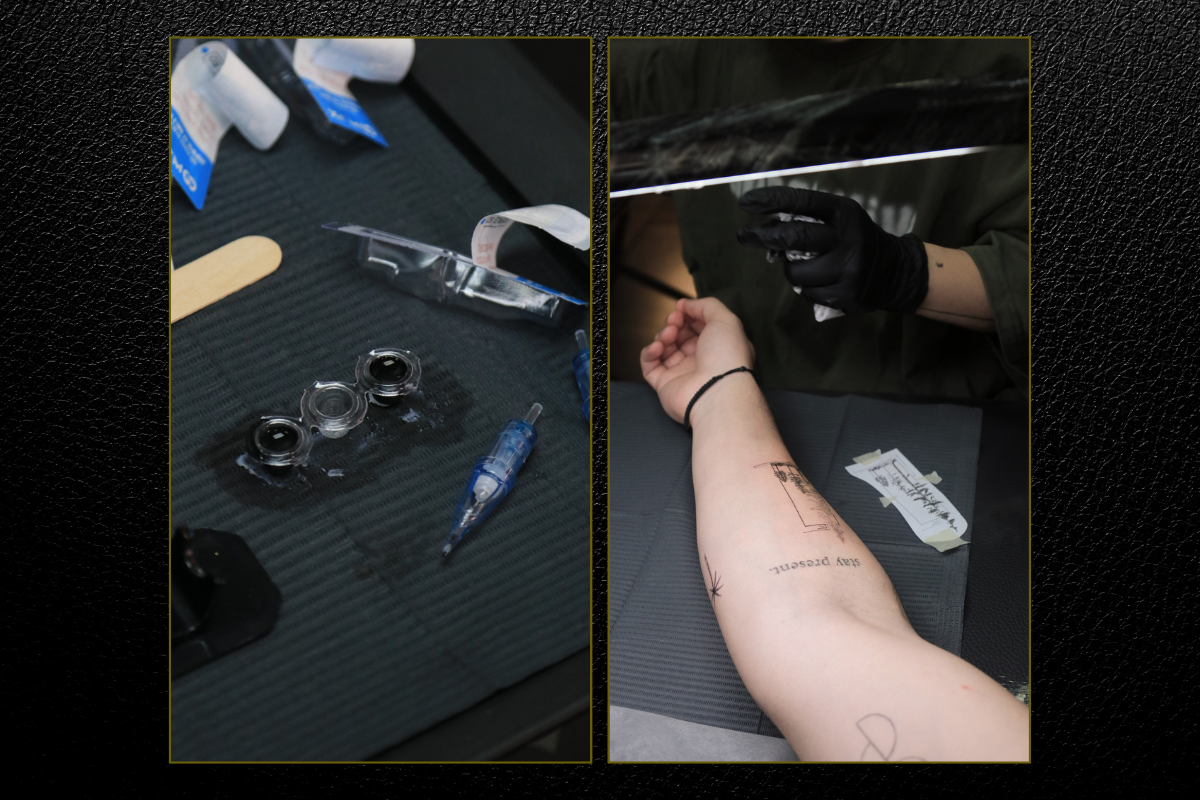
Crafting Fine Line Tattoos
Practical Considerations and Pain Management
The extended sessions required for completing a fine line sleeve tattoo demand mental and physical preparation. Understanding what to expect during the process helps clients approach each session with appropriate readiness. Preparing for your first tattoo session provides foundational knowledge applicable to extensive projects like sleeve tattoos.
Pain Levels Across Arm Regions
Different arm areas present varying sensitivity levels during tattooing. The inner bicep and elbow ditch rank among the most sensitive regions due to thinner skin and proximity to nerve clusters. The outer arm and shoulder generally prove more tolerable, while the wrist and forearm fall somewhere between these extremes.
Fine line work typically generates less discomfort than heavy shading or color saturation because needles penetrate skin more delicately. However, the precision required means artists work more slowly, potentially extending session duration. Managing expectations about discomfort helps clients remain calm and still throughout the process.
Session Planning and Timeline
Completing a full fine line sleeve typically requires multiple sessions spaced several weeks apart. This interval allows proper healing between appointments while preventing artistic fatigue that might compromise quality. Most artists recommend 3-4 hour sessions for optimal results, balancing productive progress with maintaining steady hand control.
The sequential approach to sleeve development varies by artistic preference. Some artists prefer completing sections entirely before moving to adjacent areas, while others establish the entire outline before returning for detailed work. Discussing the planned approach during consultation ensures alignment with client preferences and scheduling constraints.
Maintenance and Longevity Factors
Fine line tattoos require diligent aftercare and ongoing maintenance to preserve their delicate appearance. The minimal line weight that creates their elegant aesthetic also makes them potentially more susceptible to fading compared to bolder work. Proper tattoo aftercare essentials become particularly critical for maintaining fine line integrity.
Immediate Aftercare Protocol
The initial healing period proves crucial for fine line preservation. Following artist-provided instructions precisely prevents complications that could compromise line quality. This typically includes gentle washing with fragrance-free soap, applying thin layers of recommended ointment, and avoiding submersion in water for specified periods.
Days 1-3: Keep the area clean and moisturized, avoid tight clothing
Days 4-14: Manage itching without scratching, continue gentle moisturizing
Days 15-30: Monitor healing progress, avoid sun exposure
Beyond 30 days: Establish long-term protection routine
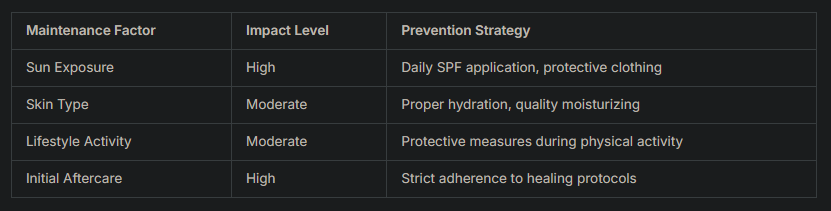
Sun protection emerges as the single most important factor in preserving fine line clarity. UV radiation breaks down tattoo pigment, causing premature fading that particularly affects delicate lines. Daily application of broad-spectrum SPF 30+ sunscreen to exposed tattoo areas prevents degradation and maintains crisp appearance.
Long-Term Touch-Up Expectations
Even with meticulous care, fine line tattoos may require periodic touch-ups to maintain optimal appearance. Natural skin aging, sun exposure, and cellular turnover gradually affect pigment retention. Most clients benefit from touch-up sessions every 3-5 years, though individual needs vary based on skin type, lifestyle, and placement.
Touch-up procedures typically prove less extensive than initial application, focusing on reinforcing areas where fading has occurred. Exploring fine line tattoo concepts demonstrates how well-maintained work retains beauty across years.
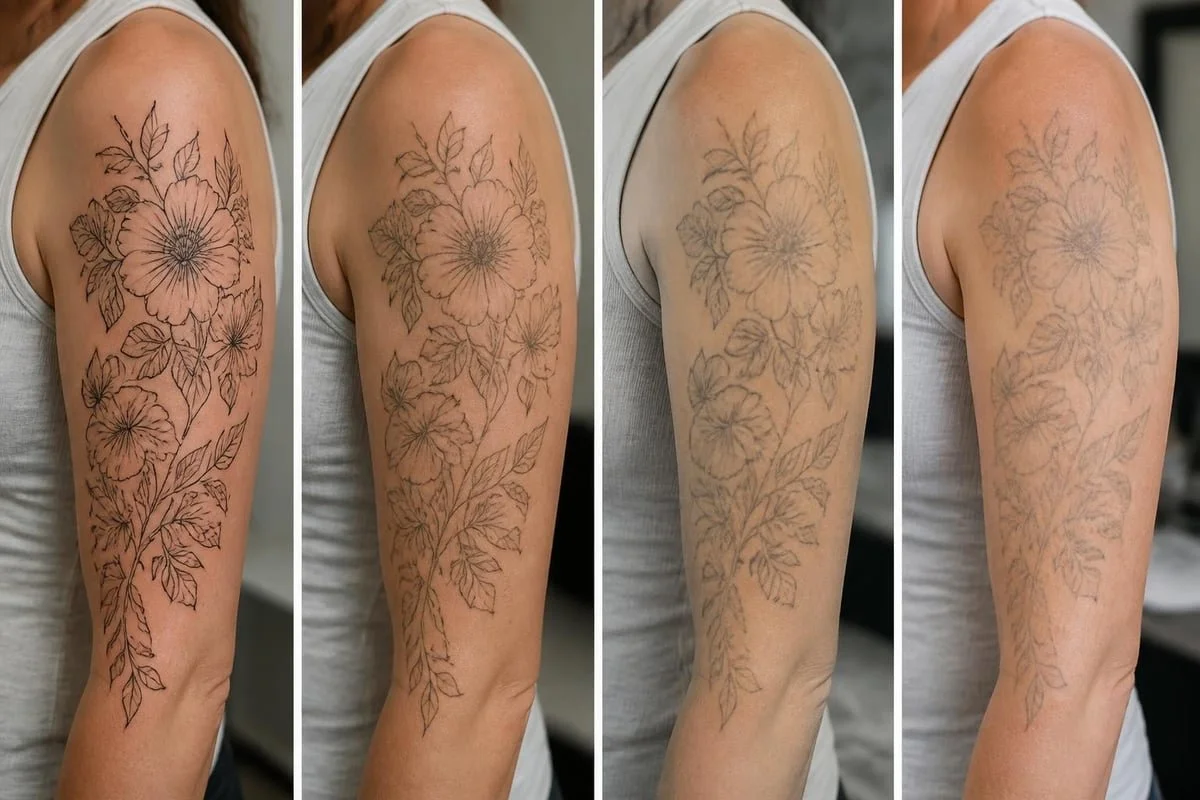
Fine line sleeve tattoo aging
Cost Considerations and Investment Value
Fine line sleeve tattoos represent significant financial investment due to the time, expertise, and precision required. Understanding pricing structures helps clients budget appropriately while appreciating the value proposition of quality work. Exploring comprehensive fine line sleeve ideas provides context for the artistic complexity that influences pricing.
Pricing Factors and Structure
Most reputable studios specializing in fine line work charge hourly rates ranging from $150 to $300+ depending on artist experience, geographic location, and studio overhead. Bangkok's luxury tattoo studios offer competitive international pricing while maintaining world-class standards. A complete fine line sleeve typically requires 20-40 hours of work, translating to substantial total investment.
The precision and time required for fine line execution justifies premium pricing. Artists cannot rush delicate linework without compromising quality, and their specialized skill commands appropriate compensation. Selecting quality tattoo studios ensures investment in lasting artwork rather than budget work requiring costly correction.
Investment considerations include:
Artist experience and specialization premium
Studio environment and sterilization standards
Number and duration of required sessions
Design complexity and custom artwork fees
Geographic location and market positioning
Some studios offer package pricing for full sleeve projects, providing cost certainty while incentivizing commitment to completion. Discussing financial arrangements during consultation prevents misunderstandings and establishes clear expectations.
Technical Excellence and Material Quality
The materials used in fine line tattooing directly impact final results and longevity. Professional artists invest in premium equipment specifically suited to delicate work, including specialized needle configurations and high-quality pigments. Understanding fine line ink selection and techniques reveals the importance of material choices in achieving optimal outcomes.
Needle Configurations and Machine Setup
Fine line work typically employs single needles or tight groupings (3-5 needles) to create precise, controlled marks. The needle depth requires careful calibration to deposit ink consistently without causing excessive trauma or uneven saturation. Rotary machines generally prove more suitable than coil machines for fine line application due to smoother, more controlled needle movement.
Artist expertise in executing fine line techniques determines whether equipment potential translates to exceptional results. Technical knowledge about proper needle angles, hand speed, and pressure application separates competent practitioners from true specialists.
Ink Quality and Color Selection
Black ink dominates fine line sleeve work due to its superior retention and crisp appearance. High-quality black inks maintain density over time while resisting premature fading. Some designs incorporate subtle gray washes for dimensional shading, requiring careful dilution and application technique.
Color fine line work presents additional challenges, as pigments vary in molecular size and retention characteristics. When incorporating color, artists must consider how different hues age and potentially plan for more frequent touch-ups. Selecting appropriate tattoo colors becomes particularly crucial for fine line applications where subtle variations significantly impact overall appearance.
Popular Design Themes and Motifs
Contemporary fine line sleeve tattoos encompass diverse thematic directions, each offering unique aesthetic possibilities. Understanding popular approaches helps clients articulate preferences while inspiring creative exploration. The versatility of fine line technique accommodates everything from hyper-realistic portraiture to abstract geometric compositions.
Botanical and Nature-Inspired Designs
Floral compositions rank among the most requested fine line sleeve themes, offering organic flow that complements arm anatomy naturally. Delicate line work excels at capturing botanical details like petal veins, leaf structures, and stem characteristics. These designs often incorporate seasonal blooms, meaningful symbolic flowers, or native species reflecting personal connections to specific environments.
Wildlife elements integrated with botanical backgrounds create cohesive nature narratives. Fine line technique captures fur texture, feather detail, and scale patterns with remarkable precision. Exploring meaningful tattoo symbolism helps identify creatures and plants carrying personal significance.
Geometric and Abstract Compositions
Geometric fine line sleeves showcase the technical precision this style offers. Intricate patterns, sacred geometry, mandala-inspired designs, and abstract linear compositions create striking visual impact through mathematical precision. These designs often incorporate negative space strategically, allowing the arm's natural contours to contribute to the overall composition.
The clean lines and perfect symmetry achievable through fine line technique particularly suit geometric work. Dot work shading combined with precise linework creates depth and dimension while maintaining the delicate aesthetic characteristic of this approach.
Minimalist Portraiture and Micro-Realism
Fine line technique enables remarkably detailed portrait work and realistic imagery at surprisingly small scales. Micro-realism captures photographic quality in compact designs, while minimalist portraiture distills subjects to essential recognizable features through economical linework. These approaches work beautifully within sleeve compositions, particularly when balanced with complementary negative space.
The challenge lies in maintaining recognizability and emotional impact while working within fine line constraints. Skilled artists understand how to simplify forms without losing character, creating portraits that remain legible and meaningful as skin ages.
Cultural Considerations in Bangkok Context
Bangkok's position as a global cultural crossroads influences fine line sleeve aesthetics popular within the city's luxury tattoo scene. International clientele brings diverse artistic references, while Thai cultural elements offer rich symbolic vocabulary. Understanding this context enriches design possibilities while ensuring respectful incorporation of meaningful imagery.
Blending Traditional and Contemporary Elements
Many clients seek to honor Thai heritage while embracing contemporary fine line aesthetics. Traditional Thai tattoo history and meanings provide foundation for understanding sacred symbols and protective imagery. Fine line interpretation of classical Sak Yant motifs creates bridges between ancient practices and modern artistic expression.
This fusion requires sensitivity and knowledge to execute appropriately. Consulting with artists familiar with Thai tattoo traditions ensures respectful adaptation rather than superficial appropriation. The delicate line work can capture intricate details of temple architecture, traditional patterns, and cultural symbols with stunning precision.
International Influence and Style Fusion
Bangkok's luxury tattoo studios attract global artists and clientele, creating fertile ground for stylistic innovation. Japanese minimalism, European avant-garde aesthetics, and American traditional elements all find expression through fine line technique. This cultural melting pot encourages unique hybrid styles that transcend geographic boundaries.
The international atmosphere facilitates cross-cultural collaboration, where clients from diverse backgrounds work with artists of varied training to create truly personalized sleeve designs. This cosmopolitan context positions Bangkok as a premier destination for sophisticated fine line sleeve work.