Tattoo Body Tattoo: Complete Guide to Body Art in 2026
The world of tattoo body tattoo artistry has evolved dramatically over the past decade, transforming from simple standalone designs into comprehensive body art strategies that reflect personal narratives, aesthetic preferences, and cultural connections. As we navigate 2026, the approach to body tattoos has become increasingly sophisticated, with clients seeking cohesive visual stories rather than isolated images. Understanding how to plan, execute, and maintain body tattoos requires knowledge of placement principles, style coordination, and long-term vision for your body canvas.
Understanding Tattoo Body Tattoo Placement Strategies
Body placement represents one of the most critical decisions in your tattoo journey. The human body offers diverse canvases, each with unique characteristics that influence how designs appear and age over time.
Primary Placement Zones and Their Characteristics
Different body areas serve distinct purposes in tattoo composition. The torso provides expansive space ideal for large-scale work, allowing artists to create detailed scenes or intricate patterns. Arms offer visibility and versatility, making them popular choices for sleeve designs that can be displayed or concealed depending on professional requirements.
Popular placement zones include:
Upper arms and shoulders for medium-sized designs with excellent visibility
Forearms for pieces that clients want to see regularly
Back canvas for elaborate, statement-making artwork
Chest areas for deeply personal or symbolic work
Legs and thighs for larger compositions with more privacy options
The relationship between tattoo placement and design effectiveness significantly impacts the final result. Curved body areas require designs that flow naturally with anatomical contours, while flat surfaces accommodate geometric patterns more effectively.
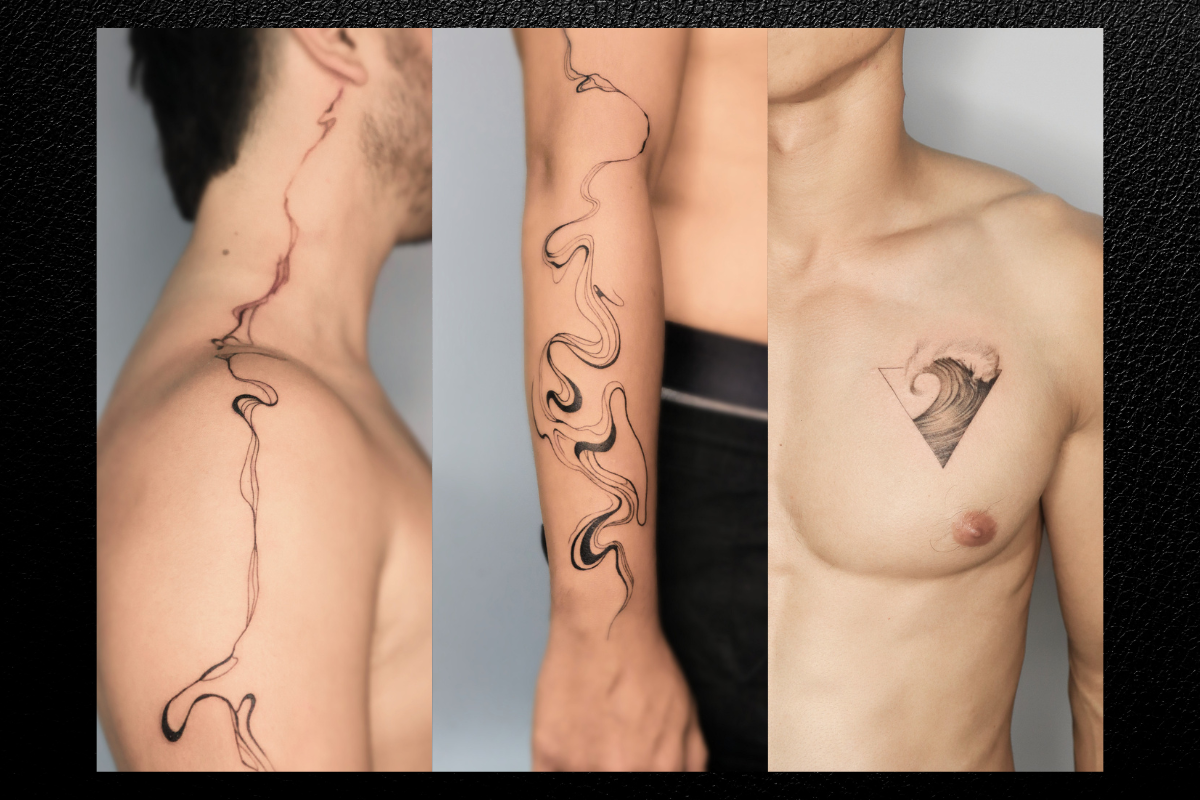
Body placement strategy for tattoos
Coordinating Multiple Pieces Across Your Body
When planning multiple tattoos, visual harmony becomes essential. A tattoo body tattoo strategy considers how individual pieces relate to one another, creating either complementary themes or intentional contrasts.
Professional tattoo enthusiasts often develop collection approaches:
Thematic coordination where all pieces share common elements or narratives
Style consistency using the same artistic technique across different body areas
Color palette unity maintaining cohesive color schemes throughout your collection
Organic growth allowing pieces to develop naturally over time while maintaining aesthetic coherence
Style Selection for Body Tattoo Projects
The artistry behind tattoo body tattoo work encompasses numerous styles, each offering distinct visual languages and technical requirements. Selecting appropriate styles for different body areas maximizes both aesthetic impact and longevity.
Fine Line and Detailed Work
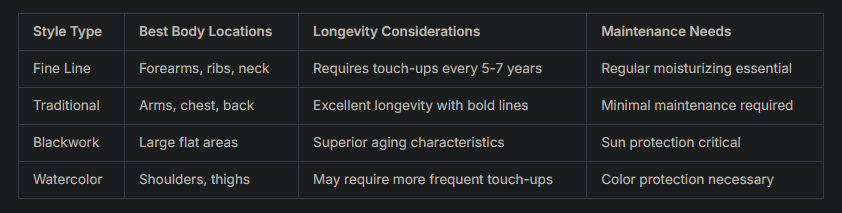
Fine line tattooing has gained tremendous popularity in luxury studios, particularly for clients seeking sophisticated, subtle body art. This technique utilizes single needles or tight needle groupings to create delicate lines, intricate patterns, and refined details. Exploring different tattoo styles helps clients understand which approaches align with their aesthetic preferences and lifestyle needs.
The precision required for fine line work demands exceptional artistic skill and steady technique. These tattoos appear elegant on areas with minimal muscle movement, such as inner forearms, behind ears, or along collarbones.
Bold Traditional and Contemporary Approaches
Traditional tattooing emphasizes bold outlines, limited color palettes, and iconic imagery that maintains clarity throughout decades. This approach works exceptionally well for tattoo body tattoo projects spanning multiple sessions, as pieces can be added gradually while maintaining visual consistency.
Contemporary styles blend traditional techniques with modern aesthetics, incorporating elements like:
Geometric precision with organic flow
Minimalist concepts with maximum impact
Cultural motifs reimagined through modern lenses
Abstract representations of concrete ideas
Health and Safety Considerations for Body Tattoos
Professional tattoo application prioritizes safety protocols that protect client health while ensuring optimal artistic outcomes. Understanding these considerations helps clients make informed decisions about their body art journey.
Sterility and Ink Quality Standards
The importance of sterile materials and high-quality inks cannot be overstated. Recent research on tattoo ink contamination highlights potential health risks associated with compromised materials, emphasizing why selecting reputable studios matters significantly.
Luxury tattoo studios implement comprehensive safety measures:
Single-use needles and equipment for every client
Autoclave sterilization of reusable tools
Premium ink brands with verified ingredient lists
Disposable barriers for all contact surfaces
Artist training in bloodborne pathogen protocols
Preparing for Your Tattoo Session
Understanding what happens during a tattoo session reduces anxiety and improves the overall experience. Physical preparation enhances your body's ability to handle the tattooing process effectively.
Pre-session preparation checklist:
Hydrate thoroughly for 48 hours before your appointment
Eat a substantial meal 2-3 hours prior to your session
Avoid alcohol and blood-thinning medications for 24 hours
Get adequate sleep the night before
Wear comfortable, appropriate clothing for the placement area
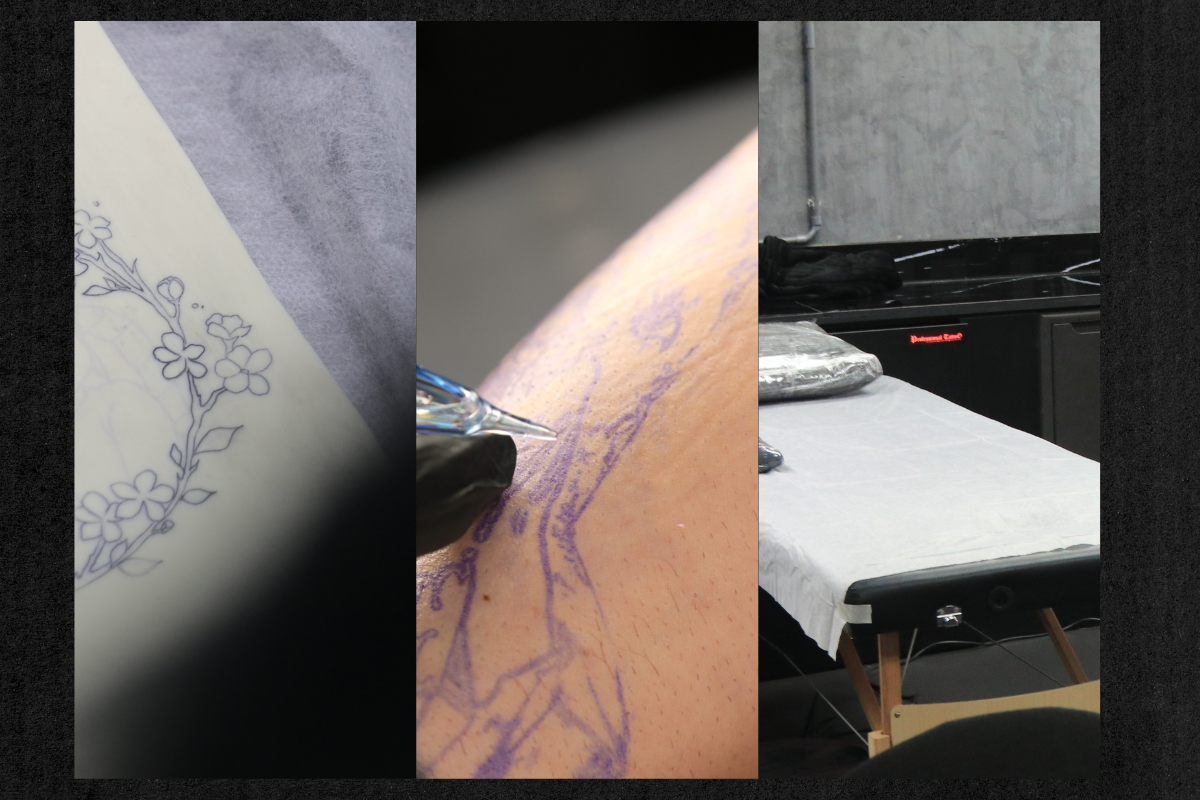
Tattoo session preparation
Pain Management and Comfort Strategies
Pain tolerance varies significantly among individuals, and different body areas present varying sensitivity levels. Understanding pain patterns helps clients prepare mentally and physically for their tattoo body tattoo experience.
Body Areas and Pain Sensitivity
Nerve density and proximity to bone directly influence tattoo discomfort. Areas with more muscle and fat padding typically cause less pain, while bony regions or areas with concentrated nerve endings prove more challenging.
Pain level rankings by body area:
Lower pain: Outer arms, shoulders, thighs, calves
Moderate pain: Forearms, chest (away from sternum), upper back
Higher pain: Ribs, spine, feet, hands, inner bicep
Highest pain: Sternum, elbow ditches, behind knees, groin area
Some clients explore sedation options for tattoo sessions, though this practice remains controversial within the tattoo community. Traditional pain management focuses on breathing techniques, mental preparation, and session planning that accounts for individual tolerance levels.
Session Length and Break Strategies
Extended tattoo sessions require strategic planning to maintain both artist performance and client comfort. Most tattoo body tattoo projects spanning large areas benefit from multiple shorter sessions rather than marathon appointments.
Professional artists recommend:
Initial sessions limited to 2-3 hours for first-time clients
Regular 10-15 minute breaks during longer appointments
Hydration and light snacks available throughout sessions
Open communication about discomfort levels
Flexibility to reschedule continuation sessions if needed
Design Development and Artist Collaboration
Creating meaningful tattoo body tattoo artwork requires collaborative partnership between client and artist. This relationship transforms abstract concepts into concrete designs that resonate personally while achieving technical excellence.
Custom Design Process
Choosing the right tattoo artist represents the foundation of successful custom work. Artists specializing in specific styles bring technical expertise and creative vision that elevate concepts beyond initial client ideas.
The custom design workflow typically progresses through several stages:
Initial consultation where concepts, references, and placement are discussed
Design development where artists create preliminary sketches
Revision rounds incorporating client feedback and refinements
Final approval confirming size, placement, and details
Stencil creation preparing the transfer for application
Reference Materials and Inspiration
Effective communication about desired aesthetics requires visual references that convey style preferences, subject matter, and compositional ideas. Clients should compile inspiration boards featuring:
Specific design elements that appeal to their aesthetic
Style examples demonstrating preferred techniques
Color palettes or black-and-gray references
Similar tattoos showcasing desired scale and placement
Cultural or symbolic imagery with personal significance
Long-Term Planning for Body Tattoo Collections
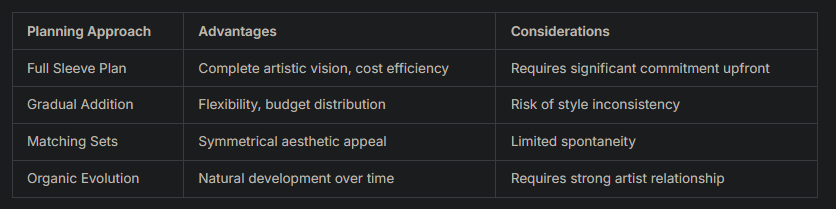
Strategic tattoo body tattoo planning considers both immediate designs and future expansion possibilities. This foresight prevents placement conflicts and maintains aesthetic coherence as collections grow.
Creating Cohesive Body Art Collections
Successful body art collections develop through intentional planning rather than impulsive decisions. Establishing overarching themes or visual guidelines ensures new pieces complement existing work.
Budgeting for Quality Body Art
Luxury tattoo work represents significant financial investment, particularly for extensive tattoo body tattoo projects. Quality artwork from experienced artists commands premium pricing that reflects skill, studio overhead, and time investment.
Understanding pricing structures helps clients budget appropriately:
Hourly rates for complex custom work allowing artistic freedom
Flat pricing for standard designs with predictable timeframes
Day rates for extensive sessions exceeding six hours
Package pricing for multi-session projects like full sleeves
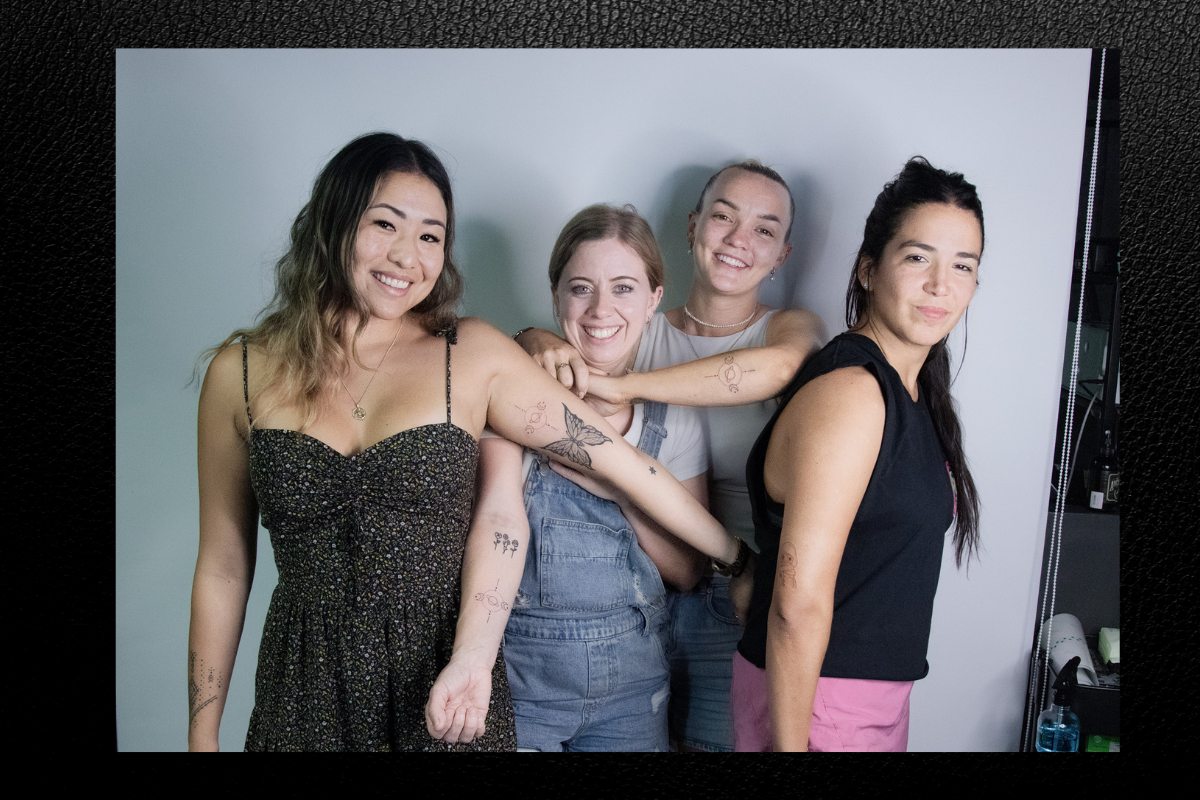
After tattoo session
Aftercare and Maintenance Excellence
Proper aftercare directly impacts healing quality, color retention, and long-term appearance of your tattoo body tattoo. Professional studios provide detailed instructions tailored to their specific techniques and inks.
Initial Healing Protocol
The first two weeks prove critical for tattoo healing. Understanding tattoo aftercare essentials ensures optimal results and prevents complications that could compromise artwork.
Week one priorities:
Keep the bandage on for the time period specified by your artist (typically 2-24 hours)
Wash gently with fragrance-free antibacterial soap and lukewarm water
Pat dry with clean paper towels or allow air drying
Apply thin layers of recommended ointment or lotion
Avoid submersion in water, intense sweating, and sun exposure
Week two through four:
Continue gentle washing twice daily
Switch to fragrance-free moisturizer as scabbing diminishes
Resist picking or scratching at healing skin
Wear loose, breathable clothing over tattooed areas
Maintain hydration and nutritious diet supporting skin health
Long-Term Tattoo Preservation
Beyond initial healing, maintaining vibrant tattoo body tattoo work requires ongoing care. Sun exposure represents the primary threat to color longevity and line clarity.
Preservation best practices:
Apply broad-spectrum SPF 30+ sunscreen to all tattooed areas before sun exposure
Moisturize regularly to maintain skin health and ink vibrancy
Stay hydrated to support overall skin quality
Consider touch-ups every 5-10 years depending on placement and style
Avoid tanning beds and excessive sun exposure
Cultural Sensitivity and Meaningful Selection
Thoughtful tattoo body tattoo choices consider cultural significance, personal meaning, and long-term relevance. Understanding the origins and meanings of designs prevents appropriation and ensures authentic self-expression.
Researching Design Significance
Certain symbols, patterns, and imagery carry deep cultural or spiritual significance. Traditional Thai tattoos, for example, represent sacred practices with specific meanings and traditional application methods.
Responsible tattoo selection involves:
Researching cultural origins of desired imagery
Understanding whether designs are open or closed cultural practices
Consulting with artists familiar with traditional contexts
Selecting imagery that genuinely resonates with personal experience
Respecting sacred symbols by avoiding casual or decorative use
Personal Meaning and Longevity
The most successful tattoo body tattoo projects reflect authentic personal narratives rather than fleeting trends. Designs rooted in significant experiences, relationships, or values maintain relevance throughout life's changes.
Consider these questions before committing to permanent body art:
Does this design represent something genuinely important to my identity?
Will this imagery remain meaningful in 10, 20, or 50 years?
Am I choosing this for myself or to impress others?
Does the style align with my aesthetic preferences long-term?
Have I given this decision adequate time and consideration?
Studio Environment and Client Experience
Modern tattoo studios, particularly luxury establishments, prioritize client comfort and experience alongside artistic excellence. The evolution of tattoo studio design reflects changing client expectations and industry professionalization.
Luxury Studio Standards
Premium tattoo body tattoo experiences encompass more than skilled application. Environmental factors, client service, and professional presentation distinguish luxury studios from standard tattoo shops.
Luxury studio characteristics:
Sophisticated, welcoming interior design reducing intimidation for first-time clients
Private session rooms ensuring comfort and discretion
High-end sterilization equipment and medical-grade supplies
Consultation spaces facilitating detailed design discussions
Portfolio access showcasing artist specializations and previous work
Artist Specialization Benefits
Working with artists who specialize in specific styles ensures technical expertise and aesthetic refinement. Selecting specialized artists for different pieces within your tattoo body tattoo collection maximizes quality across diverse styles.
Specialist advantages include:
Deep technical knowledge of style-specific techniques
Refined aesthetic judgment within their specialty
Efficient execution reducing session duration
Problem-solving expertise for challenging placements
Portfolio demonstrating consistent excellence in chosen style
Addressing Common Concerns and Misconceptions
Many individuals hesitate to pursue tattoo body tattoo projects due to misconceptions about pain, permanence, and professional implications. Addressing these concerns with accurate information empowers informed decision-making.
Career and Professional Considerations
Workplace attitudes toward visible tattoos continue evolving, though industry and role significantly influence acceptance levels. Strategic placement allows professional flexibility while enabling personal expression.
Conservative industries may require:
Placement in areas easily concealed by business attire
Avoiding hands, neck, and face for maximum professional versatility
Considering seasonal clothing when planning visibility
Researching specific employer policies before prominent placement
Understanding that attitudes continue becoming more accepting overall
Tattoo Removal and Modification Options
While tattoos should be considered permanent, removal technology has advanced significantly. However, removal remains expensive, time-consuming, and sometimes incomplete, reinforcing the importance of thoughtful initial decisions.
Modification alternatives to complete removal include:
Cover-up tattoos transforming unwanted pieces into new designs
Laser fading preparing skin for cover-up work
Incorporation of existing tattoos into larger compositions
Addition of elements that shift or reframe original meaning