Micro Realism Tattoos: Detail, Artistry & Technique
The tattoo industry has witnessed a remarkable evolution in artistic styles over the past decade, with one technique standing out for its extraordinary precision and breathtaking detail. Micro realism represents the pinnacle of technical skill in modern tattooing, combining photorealistic imagery with miniature scale to create pieces that challenge the very boundaries of what's possible with ink and skin. This sophisticated style demands exceptional artistry, specialized equipment, and a deep understanding of how tattoos age over time. For those seeking the ultimate in detailed body art, understanding the nuances of this technique becomes essential to making informed decisions about permanent artwork.
Understanding the Micro Realism Technique
Micro realism tattoos compress photorealistic detail into remarkably small spaces, typically ranging from one to three inches in size. This style emerged from the broader realism movement but distinguished itself through its emphasis on miniaturization without sacrificing clarity or depth.
The technical foundation of this approach relies on precise needle control and advanced shading techniques. Artists working in this style must master tonal compression, creating the illusion of dimension within limited space. Unlike traditional realism tattoos that can utilize larger canvases to build gradual transitions, micro realism tattoos require condensed value scales where every millimeter carries significant visual weight.
Key Technical Elements
Needle Configuration and Selection
Single-needle outlines for crisp definition
Fine liner groupings (3RL to 5RL) for detail work
Magnum configurations for smooth gradations
Specialized cartridges designed for delicate shading
Artists must carefully calibrate their machines to deposit ink at precisely controlled depths. Too shallow, and the tattoo will fade prematurely; too deep, and details blur into the surrounding tissue. This balance requires years of experience and continuous refinement.
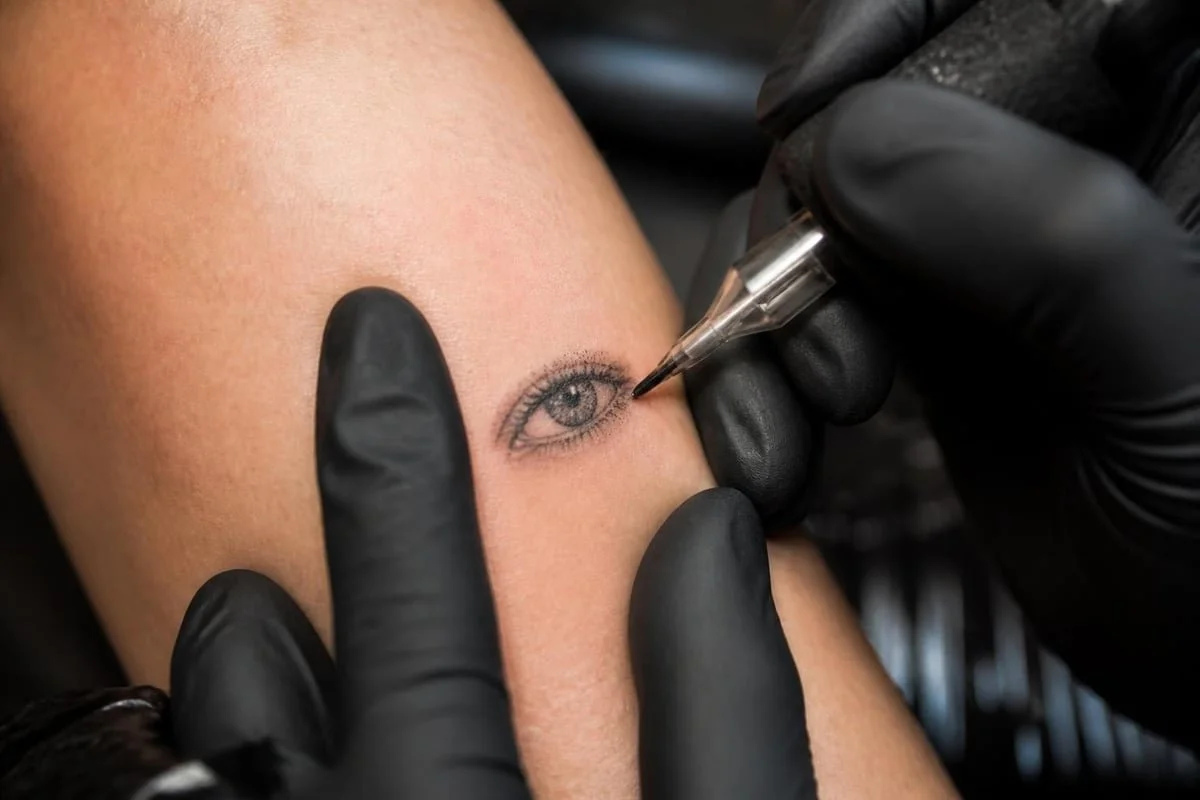
Micro realism needle technique demonstration
Ink Density and Layering
The saturation levels in micro realism work differ significantly from other styles. Artists build up pigment gradually through multiple passes, creating smooth transitions between values. Black ink serves as the primary medium, though some pieces incorporate subtle color accents.

Popular Subject Matter and Design Choices
Portrait work dominates the micro realism landscape, with clients frequently requesting renditions of loved ones, pets, or cultural icons. The human face presents unique challenges at reduced scale, requiring artists to capture essential features while eliminating unnecessary elements that would muddy the composition.
Wildlife and nature subjects also feature prominently in this style. The texture of animal fur, the delicate structure of butterfly wings, or the intricate details of floral anatomy all translate beautifully when executed with proper technique. These organic subjects benefit from the soft, photographic quality that skilled practitioners achieve.
Placement Considerations for Maximum Impact
Location on the body significantly affects how micro realism tattoos present and age. Areas with minimal skin stretching and consistent texture provide ideal canvases for this detailed work.
Optimal Placement Areas
Inner forearm (consistent viewing angle, minimal distortion)
Upper arm and shoulder (stable skin, protected from sun)
Behind the ear (discreet, minimal movement)
Ankle and lower leg (good for symmetrical designs)
Ribcage (flat surface, though more painful)
When choosing the right placement for your tattoo, consider both aesthetic presentation and long-term preservation. Areas subjected to frequent friction, sun exposure, or natural skin elasticity changes may compromise the crisp detail that defines this style.
The Artistic Process Behind Miniature Masterpieces
Creating micro realism tattoos begins long before the needle touches skin. Artists invest significant time in design development, often working from high-resolution photographs that capture every subtle gradation and texture detail.
The consultation phase proves critical for this style. Clients must understand that certain photographic elements won't translate effectively at miniature scale. A skilled artist will guide clients toward compositions that emphasize bold shapes, clear focal points, and simplified backgrounds that won't compete with the primary subject.
Preparation and Stencil Application
Reference material quality directly impacts final results. Artists require sharp, well-lit photographs with clear detail in highlight and shadow areas. Blurry or low-resolution images create impossible working conditions when compressed to micro scale.
The stencil transfer process demands meticulous attention. Even minor placement errors become magnified in such small pieces. Artists often create multiple stencil versions, adjusting proportions and composition until the design sits perfectly within the intended space.
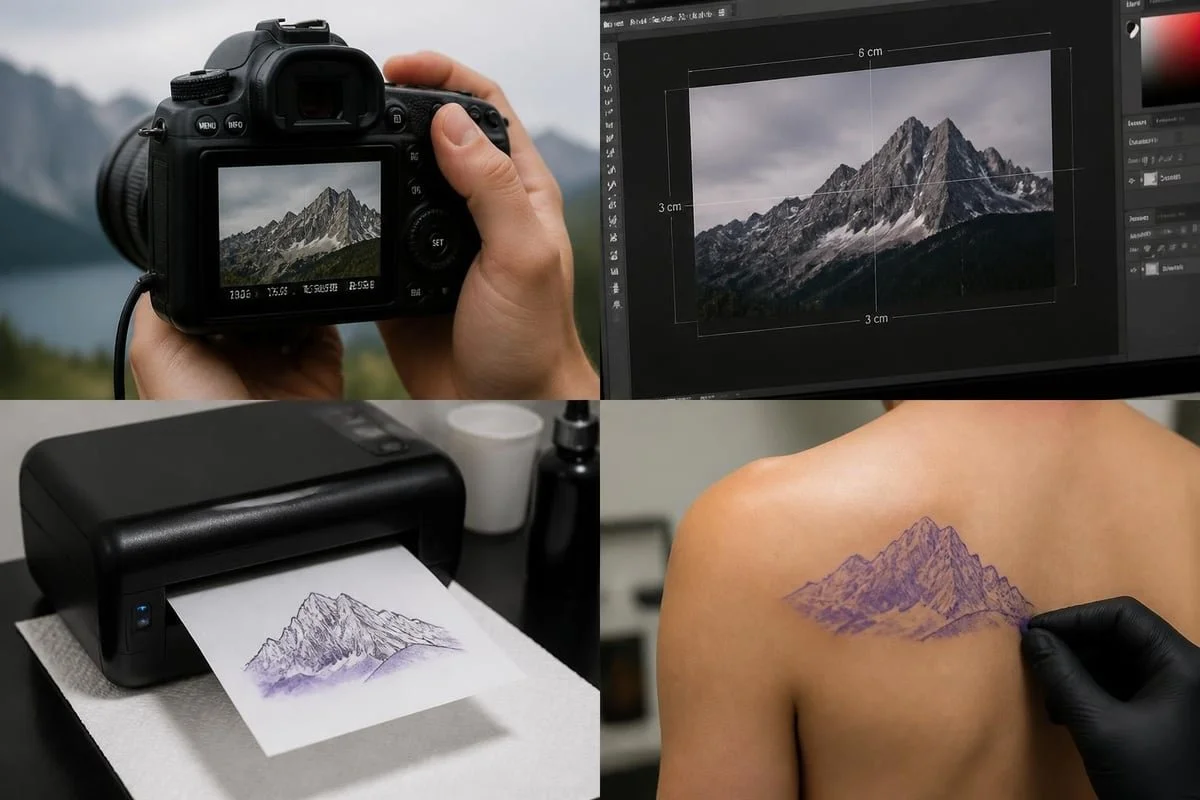
Micro realism design work flow
Many practitioners now incorporate exploring different tattoo styles into their consultations, helping clients understand how micro realism compares to alternative approaches and whether it suits their vision and lifestyle.
Longevity and Aging Considerations
The most frequently debated aspect of micro realism centers on how these tattoos age over time. Unlike bold traditional designs with thick lines and high contrast, micro realism relies on subtle gradations and fine details that naturally soften as skin ages.
Research on tattoo trends indicates growing popularity for this style, though experts consistently emphasize realistic expectations about longevity. The same characteristics that make these tattoos stunning when fresh-delicate lines, soft shading, compressed detail-also make them more susceptible to blurring over years.
Factors Affecting Long-Term Appearance
Biological Variables
Skin type and texture variations
Natural aging and collagen breakdown
Sun exposure accumulation
Immune system response to pigment
Individual healing characteristics
Lifestyle and Maintenance Factors
Consistent sun protection application
Hydration and skin care routines
Weight fluctuation management
Occupational skin trauma exposure
Touch-up commitment and timing
According to detailed analysis of micro realism tattoos, clients should anticipate potential touch-ups within three to seven years, depending on placement and care. This doesn't mean the tattoo disappears, but rather that fine details may soften and benefit from strategic enhancement.
Artist Selection and Studio Standards
Not every talented tattoo artist can execute micro realism successfully. This specialized technique requires specific training, appropriate equipment, and extensive portfolio evidence of consistent quality work at small scale.
When choosing a tattoo artist, examine portfolios specifically for healed micro realism pieces, not just fresh work. The true test of an artist's skill appears months after the session when initial inflammation subsides and the tattoo settles into the skin.
Evaluating Technical Competence
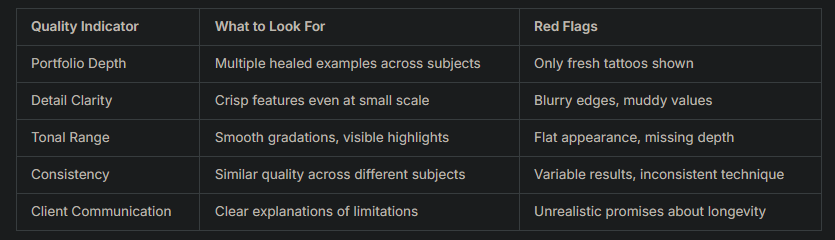
Professional studios maintain rigorous hygiene standards, use premium single-use equipment, and invest in advanced technology. These factors directly impact both safety and artistic outcomes. The distinction between adequate and exceptional results often traces back to studio investment in proper tools and ongoing artist education.
Current Trends and Cultural Influence
The micro realism movement gained significant momentum through social media exposure, where close-up photography showcases the remarkable detail these pieces achieve. Reflecting on recent tattoo trends reveals how platforms like Instagram have created global communities around this style, with artists sharing techniques and pushing creative boundaries.
Asian tattoo artists have particularly influenced micro realism development, bringing traditions of precision and patience to contemporary Western tattooing. This cross-cultural exchange has elevated technical standards industry-wide and introduced new subject matter perspectives.
Contemporary Applications
Modern micro realism extends beyond traditional portraiture into abstract concepts and symbolic imagery. Clients increasingly request designs that combine realistic elements with geometric patterns, watercolor effects, or ornamental frameworks. These hybrid approaches demonstrate the style's versatility and ongoing evolution.
Popular Contemporary Subjects
Architectural details and cityscapes
Astronomical imagery (planets, galaxies, celestial bodies)
Botanical illustrations with scientific precision
Miniature landscape scenes
Abstract concept visualizations
Memory-specific objects and heirlooms
The minimalist aesthetic movement in broader design culture has also influenced micro realism's popularity. Clients appreciate how these tattoos make powerful statements without requiring extensive body coverage, fitting modern preferences for subtlety and sophistication.
Technical Challenges and Problem-Solving
Even experienced artists encounter specific challenges unique to micro realism work. The compressed scale magnifies every technical imperfection, leaving no room for imprecise hand movements or inconsistent needle depth.
Skin texture variations present ongoing obstacles. Areas with larger pores, uneven surfaces, or previous scarring may not accept fine detail as cleanly as smooth skin. Artists must adapt their approach based on individual client anatomy, sometimes recommending alternative placements when original locations prove unsuitable.
Managing Client Expectations
Education forms a crucial component of the micro realism process. Clients often arrive with reference images showing larger realism pieces, expecting identical detail compression into much smaller spaces. Responsible artists explain physical limitations honestly, helping clients understand what's achievable while maintaining artistic integrity.
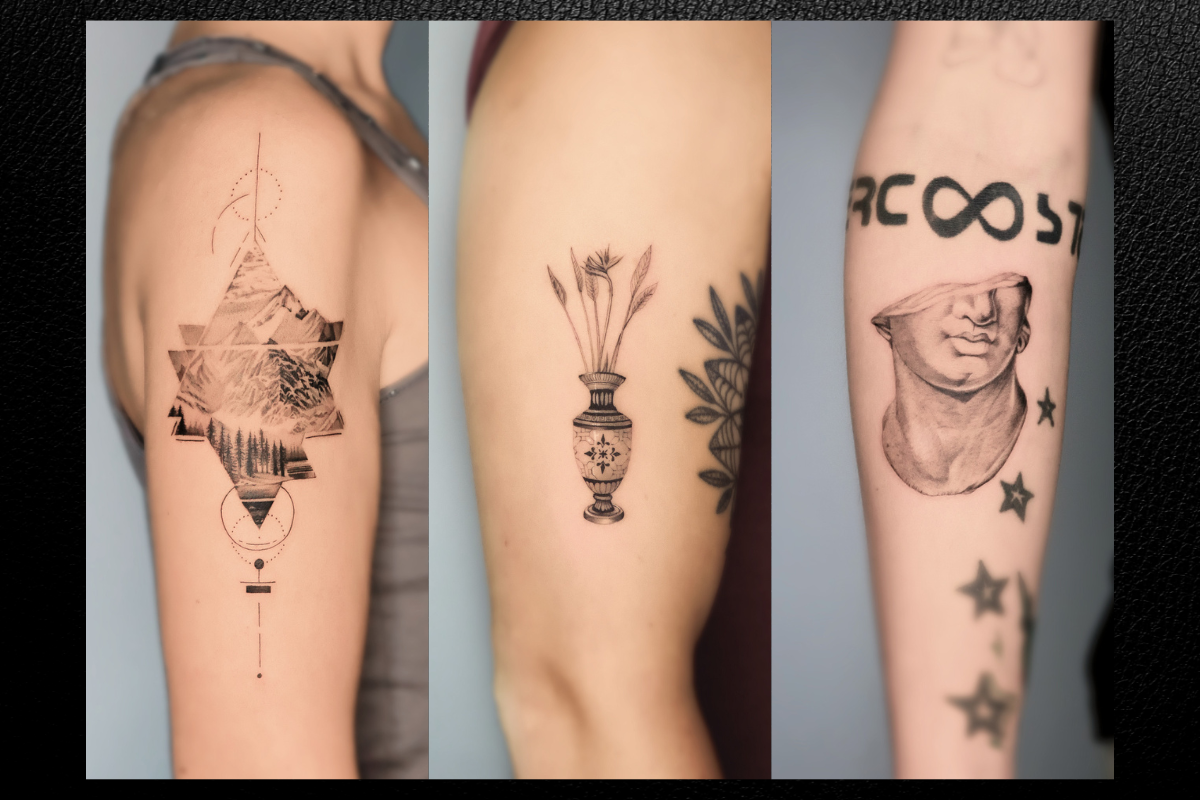
Micro realism tattoos from us
Understanding what happens during a tattoo session helps clients prepare mentally and physically for the concentration required during micro realism application. These sessions demand stillness and patience as artists work methodically through intricate detail.
Aftercare Specific to Fine Detail Work
The healing process critically impacts how micro realism tattoos settle into the skin. The same aftercare principles apply as with other styles, but the stakes increase given the delicate nature of fine line and detail work.
Initial healing typically progresses over two to three weeks, with complete settling occurring over several months. During this time, the tattoo may appear slightly darker than intended as the top layers of skin heal and shed, eventually revealing the true tonal values beneath.
Essential Healing Protocol
First Week Requirements
Gentle washing with unscented soap three times daily
Thin moisturizer application (avoid over-saturation)
Loose clothing to prevent friction and irritation
Absolute sun avoidance on the tattooed area
No swimming, soaking, or excessive sweating
Long-Term Maintenance
Daily broad-spectrum SPF 50+ application
Regular moisturizing with quality products
Annual assessment for potential touch-ups
Avoiding harsh exfoliants over tattooed areas
Professional evaluation if changes occur
Clients should maintain open communication with their artist throughout healing, documenting progress with photographs and reporting any concerns immediately. This collaborative approach ensures optimal results and addresses potential issues before they compromise the artwork.
Investment Considerations and Pricing
Micro realism tattoos command premium pricing reflective of the specialized skill and time investment required. While size might suggest lower costs compared to larger pieces, the technical complexity and artist expertise often result in comparable or higher hourly rates.
Factors influencing pricing include artist reputation, studio location, design complexity, and session duration. Established micro realism specialists in major metropolitan areas may charge between $200 and $400 per hour, with minimum session fees even for small pieces.
Value Assessment Factors
Artist specialization and portfolio quality
Studio reputation and facility standards
Geographic location and market rates
Design complexity and subject matter
Touch-up policies and guarantees
Investing in quality work from proven specialists ultimately costs less than attempting to correct poorly executed micro realism. The old adage about good tattoos not being cheap applies especially to this technically demanding style. When selecting the right tattoo studio, prioritize expertise and safety over cost savings.
The Future of Miniature Realism
Technological advancement continues shaping micro realism possibilities. Improved tattoo machines offer greater precision and consistency, while ink formulation research explores pigments with enhanced longevity and reduced fading. These developments may address some current limitations regarding aging and detail retention.
Virtual reality consultation tools are emerging, allowing clients to preview placement and scale before committing to permanent artwork. This technology helps bridge the gap between client expectations and realistic outcomes, reducing disappointment and improving overall satisfaction.
The style itself continues evolving as artists experiment with new approaches to compression, contrast, and composition. Some practitioners now incorporate UV-reactive inks for hidden detail layers, while others explore how micro realism elements can enhance larger traditional or neo-traditional pieces.
Training programs specifically focused on micro realism technique are becoming more available, raising baseline competency across the industry. As more artists develop these skills, clients gain access to quality work in diverse geographic locations, though the highest-level specialists will likely remain concentrated in major tattoo culture hubs.