Plant Tattoo: Meanings, Designs & Fine Line Artistry
The natural world has captivated human imagination for millennia, and this fascination extends deeply into body art. A plant tattoo represents far more than aesthetic appeal; it embodies profound connections to growth, resilience, and the cyclical nature of existence. From delicate ferns to bold monstera leaves, botanical designs have surged in popularity among discerning tattoo enthusiasts seeking meaningful artwork that reflects their personal journey. This surge aligns perfectly with the precision and artistry required for fine line tattoo work, where every vein, stem, and petal demands meticulous attention to detail.
The Symbolic Depth Behind Plant Tattoos
Understanding the symbolism embedded within botanical designs enriches the tattooing experience and ensures your chosen artwork resonates with your personal narrative. Plant symbolism spans cultures and centuries, with each species carrying distinct meanings that can amplify your tattoo's significance.
Universal Themes in Botanical Body Art
Plant-based designs inherently communicate several powerful concepts that transcend individual species. Growth and transformation stand at the forefront, representing personal evolution and the continuous journey of self-improvement. Many clients select botanical designs during pivotal life transitions, using the imagery to mark new chapters or commemorate personal achievements.
Resilience and adaptability manifest through plants that thrive in challenging conditions. Succulents, for instance, symbolize endurance and the ability to flourish despite adversity. These qualities resonate particularly well with individuals who have overcome significant obstacles and wish to celebrate their strength through permanent body art.
The concept of renewal appears consistently throughout botanical symbolism. Just as plants shed leaves and regenerate, these designs can represent letting go of the past and embracing fresh starts. This cyclical nature appeals to those seeking meaningful tattoo designs that reflect life's natural rhythms.
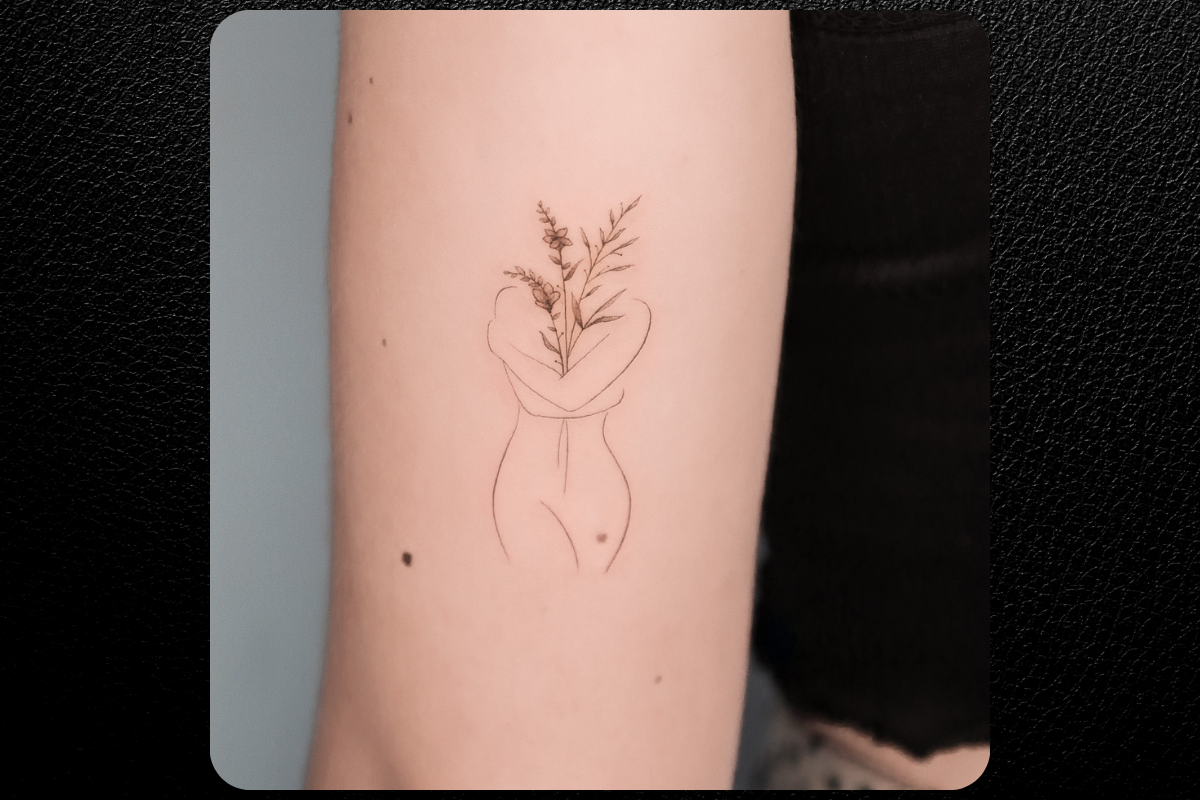
Plant tattoo symbolism guide
Specific Plant Species and Their Meanings
Different botanical elements carry unique symbolic weight that can personalize your tattoo experience. Ferns communicate new beginnings and the promise of future growth, their unfurling fronds representing potential yet to be realized. These designs work exceptionally well in fine line applications, where the delicate structure of each leaf can be rendered with precision.
Vine tattoos emphasize connection and determination, their climbing nature symbolizing the bonds we forge and the persistence required to achieve our goals. The flowing, organic lines of vines offer artists considerable creative freedom while maintaining strong symbolic significance.
Clover designs, particularly four-leaf varieties, represent luck and optimism. The cultural significance of clover tattoos spans multiple traditions, making them universally recognizable symbols of good fortune. These compact designs suit various placement options and scale beautifully from small, discrete pieces to larger compositions.
Dandelion tattoos carry profound meaning related to wishes, transformation, and the courage to release what no longer serves us. The delicate seed heads provide exceptional opportunities for fine line work, with each individual seed requiring careful attention to detail.
Design Approaches for Plant Tattoos
The versatility of botanical themes allows for diverse artistic interpretations, each suited to different aesthetic preferences and technical approaches. Understanding these options helps ensure your final design aligns with your vision.
Fine Line Botanical Precision
Fine line technique has revolutionized plant tattoo execution, allowing artists to capture intricate botanical details with remarkable accuracy. This approach emphasizes clean, single-needle work that produces delicate lines mimicking the natural structure of plants. The method particularly suits designs featuring leaves with visible veins, flower petals with subtle gradations, and stems with organic curves.
When considering different tattoo styles, fine line botanical work stands apart for its sophistication and timeless appeal. The technique requires steady hands and extensive experience, as corrections prove challenging with such delicate linework. This precision work represents the pinnacle of tattoo artistry in botanical designs.
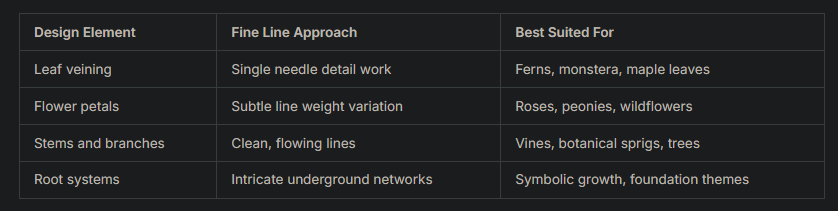
Minimalist versus Detailed Compositions
The spectrum between minimalist and highly detailed botanical designs offers considerable creative latitude. Minimalist plant tattoos distill botanical forms to their essential elements, using simplified silhouettes and clean outlines. These designs appeal to clients seeking subtle, elegant body art that communicates meaning without overwhelming visual complexity.
Detailed compositions embrace botanical illustration traditions, incorporating scientific accuracy and comprehensive rendering of plant anatomy. These pieces often include roots, flowers, leaves, and seeds in various growth stages, creating narrative-rich artwork that rewards close examination.
Considerations for choosing detail level:
Personal aesthetic preference and style affinity
Placement location and available space
Skin tone and how different line weights will age
Long-term visibility and design longevity
Budget and session time requirements
Black and Grey versus Color Applications
Color choices significantly impact both the visual effect and symbolic resonance of plant tattoos. Black and grey work offers timeless sophistication, using shading techniques to create depth and dimension without chromatic elements. This approach ages exceptionally well and maintains clarity over decades, making it ideal for clients prioritizing longevity.
Selecting the right colors for your tattoo involves understanding how different pigments interact with various skin tones. Green hues naturally enhance botanical realism, while unexpected color choices can create artistic, stylized interpretations. When working with colors suited to different skin tones, experienced artists adjust saturation and value to ensure optimal visibility and impact.
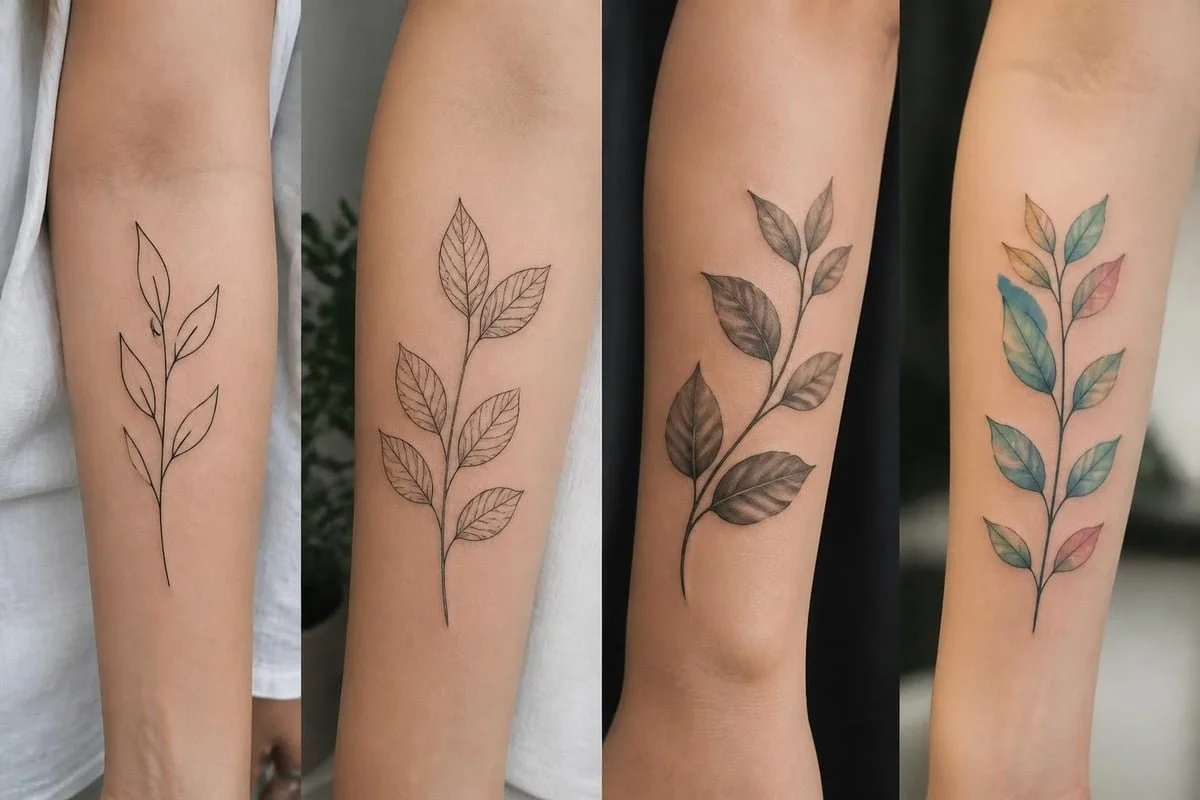
Plant tattoo design variations
Popular Plant Tattoo Design Categories
Certain botanical themes have emerged as perennial favorites within the tattoo community, each offering unique aesthetic and symbolic advantages. Exploring various design inspirations helps identify which botanical elements resonate most strongly with your personal story.
Tropical and Exotic Flora
Monstera leaves, palm fronds, and bird of paradise flowers bring bold, graphic appeal to plant tattoo designs. These tropical specimens feature strong structural elements that translate exceptionally well to body art, with their distinctive shapes remaining recognizable even at smaller scales. The large, fenestrated leaves of monstera plants create striking negative space opportunities, while the dramatic silhouettes of palm fronds suit elongated placement areas like forearms and calves.
Herb and Medicinal Plant Designs
Lavender, rosemary, sage, and other culinary and medicinal herbs carry rich cultural associations beyond their botanical characteristics. These plants symbolize healing, wisdom, and domestic comfort, appealing to clients who value holistic wellness and traditional knowledge. The delicate flowering structures of herbs provide excellent opportunities for fine line work, with tiny blossoms and slender stems creating intricate, detailed compositions.
Wildflower Collections
Wildflower designs celebrate untamed beauty and natural diversity. Daisies, poppies, cornflowers, and lupines can be arranged in naturalistic bouquets or scattered compositions that feel organic and spontaneous. These designs often incorporate multiple species, creating botanical studies that showcase the artist's versatility and attention to detail.
Tree and Branch Motifs
While full tree tattoos require substantial space and commitment, branch sections offer botanical symbolism in more manageable compositions. Cherry blossoms on delicate branches represent fleeting beauty and mindfulness, while oak branches communicate strength and endurance. Understanding how different plants represent growth and stability helps clients select species that align with their personal values.
Technical Considerations for Plant Tattoo Success
Achieving exceptional results with botanical body art requires careful planning beyond design selection. Understanding technical factors ensures your plant tattoo maintains its beauty and clarity throughout the years.
Placement Strategy and Design Scale
The relationship between design complexity and placement location directly impacts both the tattooing process and long-term results. Selecting the perfect tattoo placement involves evaluating how botanical elements will flow with your body's natural contours and how the design will age in different locations.
Optimal placements for specific plant tattoo types:
Forearm: Medium to large botanical compositions, vertical vine arrangements
Shoulder/upper arm: Circular wreaths, flowering branches, tropical leaves
Ribcage: Tall stems, cascading flowers, vertical garden compositions
Ankle/wrist: Small sprigs, single flowers, minimalist leaf designs
Back: Large-scale botanical scenes, tree designs, comprehensive garden arrangements
Fine details require adequate space to remain legible as the tattoo ages and the skin naturally changes. Microscopic elements that appear crisp initially may blur together over time, particularly in areas subject to frequent movement or sun exposure. Experienced artists balance ambition with practicality, ensuring designs maintain their integrity for decades.
Skin Type and Healing Considerations
Different skin types accept ink and heal with varying characteristics that influence final results. Understanding tattoo aftercare essentials becomes particularly important with fine line botanical work, where proper healing preserves delicate details. Clients with oily skin may experience slightly softer line edges, while those with dry skin should maintain consistent moisturization to prevent scabbing that could lift pigment.
Knowing what to expect during your first tattoo session helps manage anxiety and ensures you arrive properly prepared. Botanical designs, particularly those featuring extensive fine line work, may require multiple sessions to achieve optimal detail density and shading depth.
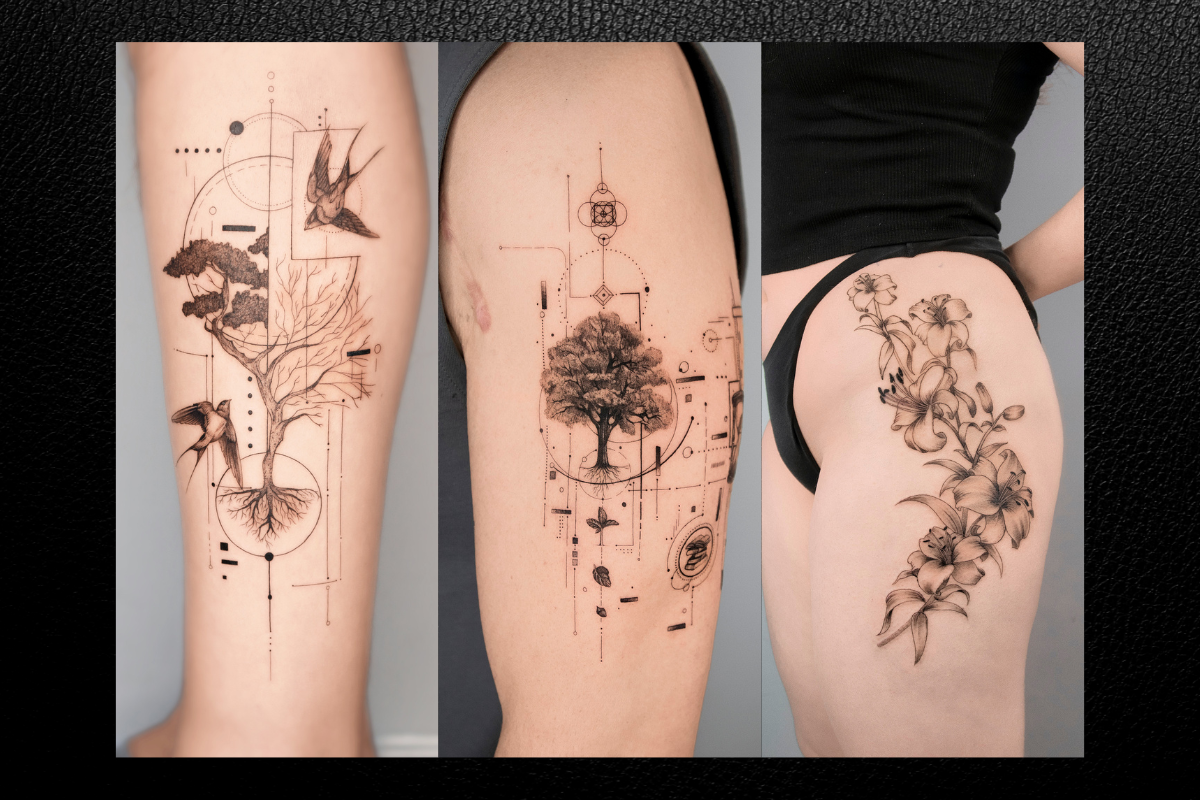
Plant tattoo placement guide
Customizing Your Plant Tattoo Experience
Personalization elevates botanical body art from generic imagery to deeply meaningful personal expression. Several approaches allow you to create truly unique plant tattoos that reflect your individual story and aesthetic preferences.
Incorporating Personal Significance
Selecting plants based on personal experiences, memories, or aspirations adds layers of meaning beyond traditional symbolism. Birth flowers, plants from significant locations, or species connected to important relationships transform botanical designs into autobiographical artwork. Understanding plant and flower tattoo meanings provides a foundation for selecting elements that resonate personally.
Consider plants that grow in your ancestral homeland, species from gardens you've cultivated, or flowers present at meaningful life events. This personalization ensures your tattoo remains relevant and emotionally significant throughout your lifetime.
Combining Botanical Elements with Other Imagery
Plant tattoos integrate beautifully with complementary design elements, creating complex compositions that tell richer stories. Geometric frameworks provide structured contrast to organic botanical forms, while celestial elements like moons and stars add mystical dimensions. Animals, particularly butterflies, bees, and birds, create ecological narratives that emphasize interconnection and natural harmony.
The key to successful combination designs lies in maintaining visual balance and thematic coherence. Each element should enhance rather than compete with the others, creating unified artwork that reads clearly from various distances.
Working with Your Tattoo Artist
Collaboration between client and artist produces the most satisfying results, particularly with detailed botanical work requiring technical expertise. Choosing the right tattoo artist involves reviewing portfolios for relevant experience, examining healed work to assess longevity, and evaluating communication style to ensure your vision will be understood and respected.
During consultations, bring reference images that capture the aesthetic qualities you admire, even if they're not exact design matches. Discuss sizing honestly, understanding that increasing scale often improves detail retention. Be receptive to professional recommendations regarding placement, sizing, and design modifications that will optimize results.
Botanical Design Trends in Contemporary Tattooing
The plant tattoo landscape continues evolving as artists develop new techniques and clients seek fresh interpretations of botanical themes. Staying informed about current trends helps you identify designs that feel contemporary while avoiding styles that may quickly feel dated.
Scientific Illustration Influences
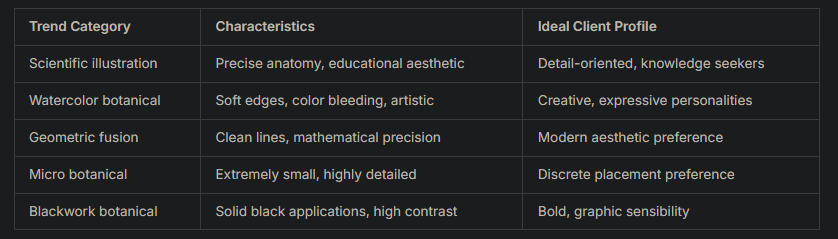
Botanical illustration traditions from scientific and herbalist texts have inspired increasingly detailed, technically accurate plant tattoos. These designs emphasize precise anatomical rendering, often including root systems, cross-sections, and multiple growth stages within single compositions. The educational aesthetic appeals to clients who appreciate both artistry and botanical knowledge.
Watercolor and Abstract Interpretations
While traditional botanical tattoos emphasize realistic rendering, abstract and watercolor-inspired approaches offer artistic alternatives. These styles use color bleeding, splatter effects, and loose linework to create impressionistic plant imagery that prioritizes emotional impact over scientific accuracy. The approach works particularly well for clients seeking softer, more ethereal botanical expressions.
Micro Botanical Designs
The trend toward extremely small, detailed tattoos has influenced botanical artwork, with artists creating tiny, perfect plant specimens that pack surprising detail into minimal space. These micro designs require exceptional technical skill and suit clients desiring discrete body art that maintains sophisticated aesthetic qualities.
Caring for Your Plant Tattoo Investment
Proper aftercare determines whether your botanical artwork maintains its intended beauty or suffers premature degradation. Fine line plant tattoos particularly require diligent care during healing and beyond.
Initial Healing Phase
Following easier tattoo healing tips prevents complications that could compromise fine details. Keep the area clean using fragrance-free, gentle cleansers and apply recommended ointments sparingly to prevent moisture buildup that encourages bacterial growth. Avoid submerging fresh tattoos in water beyond brief showers, and never pick at scabs or peeling skin.
The healing timeline typically spans two to four weeks for surface healing, though complete healing beneath the skin takes several months. During this period, protect your tattoo from sun exposure, friction from clothing, and contamination from dirty environments.
Long-Term Maintenance
Preserving your plant tattoo's clarity requires ongoing commitment to sun protection and skin health. UV exposure represents the primary threat to tattoo longevity, breaking down pigments and causing lines to blur and colors to fade. Apply broad-spectrum sunscreen with SPF 30 or higher to tattooed areas whenever they'll be exposed to sunlight.
Maintaining overall skin health through hydration and moisturization keeps tattooed skin supple and vibrant. As your skin ages, your tattoo ages with it, but proper care minimizes negative impacts and extends the period during which your botanical artwork maintains its intended appearance.
Long-term care essentials:
Daily sunscreen application on exposed tattoos
Regular moisturization with quality, fragrance-free products
Avoiding harsh exfoliants directly on tattooed skin
Maintaining healthy hydration and nutrition
Scheduling touch-ups as needed to refresh faded areas
Finding the Right Studio for Your Plant Tattoo
Selecting the appropriate tattoo studio significantly influences both your experience and final results. Studios specializing in fine line and detailed work possess the equipment, expertise, and artistic sensibility required for exceptional botanical designs.
Evaluate studios based on their portfolio diversity in botanical subjects, hygiene standards and sterilization protocols, artist availability and booking processes, and consultation approach and client communication style. Premier establishments prioritize client comfort and satisfaction while maintaining uncompromising technical standards.
When reviewing portfolios, examine healed work whenever possible, as fresh tattoos often appear sharper than they will after settling. Look for consistent line quality, appropriate detail density for the design scale, and aging characteristics that demonstrate longevity. Artists experienced with fine line tattoo techniques will have extensive portfolios showcasing their botanical expertise.
Exploring additional botanical tattoo inspiration through various resources helps refine your vision before consultations. Arrive prepared with clear ideas about preferred styles, desired meanings, and placement preferences, but remain open to professional guidance that may enhance your original concept.