Tan skin Tattoo Artist: Mastering Art on All Skin Tones
The tattoo industry has undergone significant transformation in recent years, with increasing recognition of the unique expertise required to work successfully on diverse skin tones. A black tattoo artist brings specialized knowledge, cultural understanding, and technical precision that addresses historically overlooked aspects of the craft. This expertise extends beyond artistic ability to encompass deep understanding of how ink interacts with melanin-rich skin, proper needle techniques for different complexions, and design choices that honor both aesthetic vision and skin biology. As luxury tattoo studios worldwide embrace diversity and excellence, the contributions of talented artists who specialize in working with darker skin tones have become increasingly celebrated and essential.
Understanding Specialized Techniques for Melanin-Rich Skin
Working with melanin-rich skin requires distinct technical approaches that many traditional tattoo programs historically failed to address. The black tattoo artist community has pioneered methods that account for undertones, healing processes, and color selection specific to darker complexions.
Melanin creates unique challenges and opportunities:
Keloid scarring risks require modified needle pressure and technique
Undertones influence color appearance and final results
Healing patterns differ significantly from lighter skin
Design placement must consider natural skin variations
The most skilled practitioners understand that melanin-rich skin is not a limitation but rather a canvas requiring specialized expertise. Black tattoo artists who specialize in brown skin have developed innovative approaches that produce stunning results while prioritizing skin health and longevity.
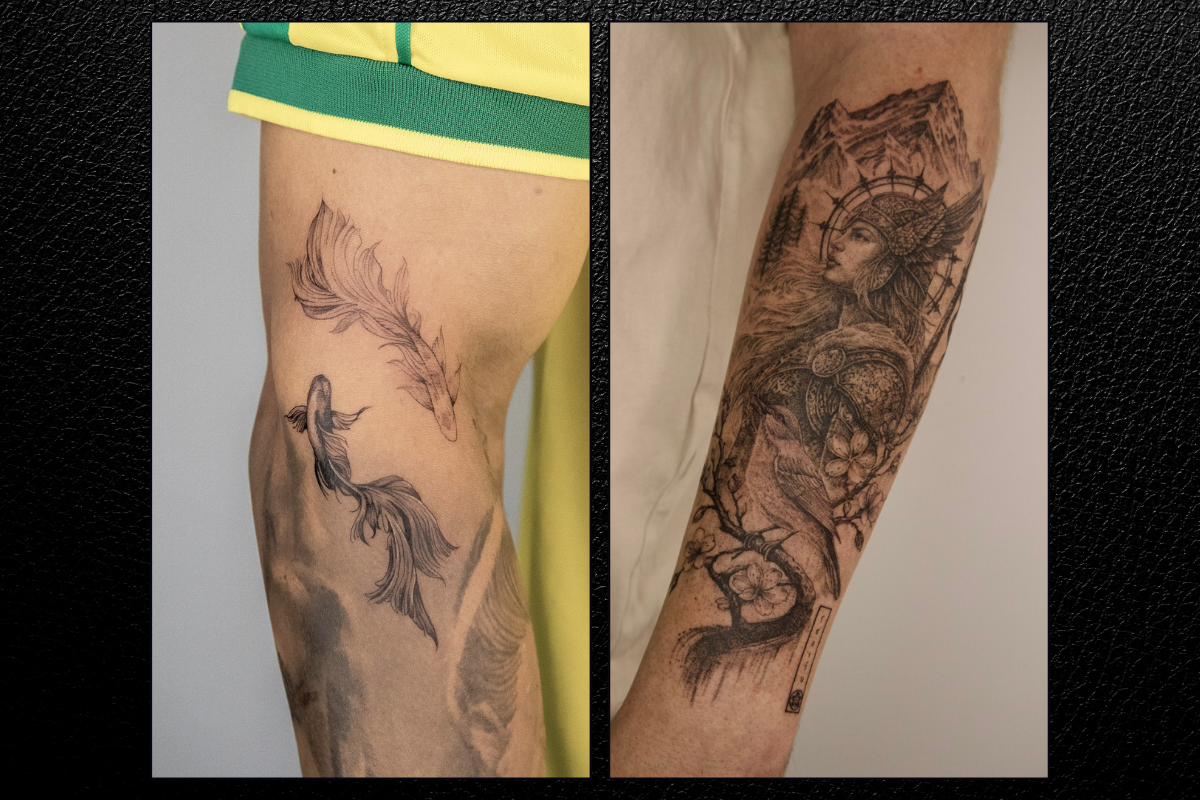
Tattoo technique comparison for different skin tones
Color Theory and Ink Selection
Color selection represents one of the most critical technical considerations. Traditional color wheels and ink choices were developed primarily for lighter skin tones, creating a knowledge gap that talented artists have worked to fill through experimentation and expertise.
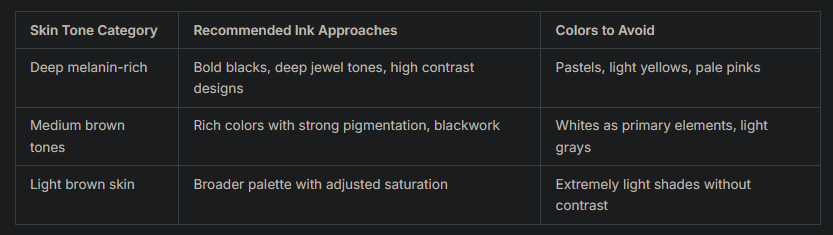
Color selection represents one of the most critical technical considerations. Traditional color wheels and ink choices were developed primarily for lighter skin tones, creating a knowledge gap that talented artists have worked to fill through experimentation and expertise.
Skin Tone Category
Recommended Ink Approaches
Colors to Avoid
Deep melanin-rich
Bold blacks, deep jewel tones, high contrast designs
Pastels, light yellows, pale pinks
Medium brown tones
Rich colors with strong pigmentation, blackwork
Whites as primary elements, light grays
Light brown skin
Broader palette with adjusted saturation
Extremely light shades without contrast
When choosing the right tattoo studio, clients with darker skin should specifically inquire about the artist's experience and training with melanin-rich complexions.
Breaking Barriers in a Historically Exclusive Industry
The tattoo industry has faced legitimate criticism for its lack of diversity and inclusion. Black tattoo artists pushing for diversity have worked tirelessly to create opportunities, share knowledge, and establish standards that serve all clients equally.
This movement extends beyond representation to fundamental industry reform. Many apprenticeship programs traditionally excluded artists of color or failed to provide training on diverse skin types. The result was a generation of practitioners unprepared to serve a significant portion of potential clients.
Key industry changes driven by diverse artists:
Expanded training curricula including melanin-rich skin techniques
Portfolio requirements demonstrating work on various skin tones
Product development for specialized inks and equipment
Community education about tattoo options for all complexions
Mentorship programs connecting experienced artists with new talent
Cultural Representation and Authentic Expression
Beyond technical expertise, a black tattoo artist often brings cultural knowledge that enriches the creative process. This understanding proves invaluable when clients seek designs rooted in African, Caribbean, or African-American cultural traditions.
The ability to respectfully interpret cultural symbols, understand their historical context, and execute designs with authentic detail creates deeper meaning for clients. This expertise parallels the way studios specializing in traditional Thai tattoos bring cultural knowledge to that ancient art form.
Blackwork and Bold Design Approaches
Blackwork represents a tattoo style particularly well-suited to melanin-rich skin, offering high contrast and dramatic visual impact. Artists specializing in Blackwork styles have elevated this approach to fine art status.
This style encompasses several distinct approaches:
Geometric patterns: Precise lines creating intricate mathematical designs
Ornamental work: Decorative elements inspired by various cultural traditions
Solid black areas: Bold shapes and negative space techniques
Dotwork: Stippling techniques creating texture and gradation
Botanical blackwork: Nature-inspired designs rendered in black ink
The high contrast inherent in blackwork designs shows beautifully on darker skin tones, creating striking visual effects that maintain clarity over time. For clients interested in exploring various approaches, reviewing top tattoo styles provides valuable context for decision-making.
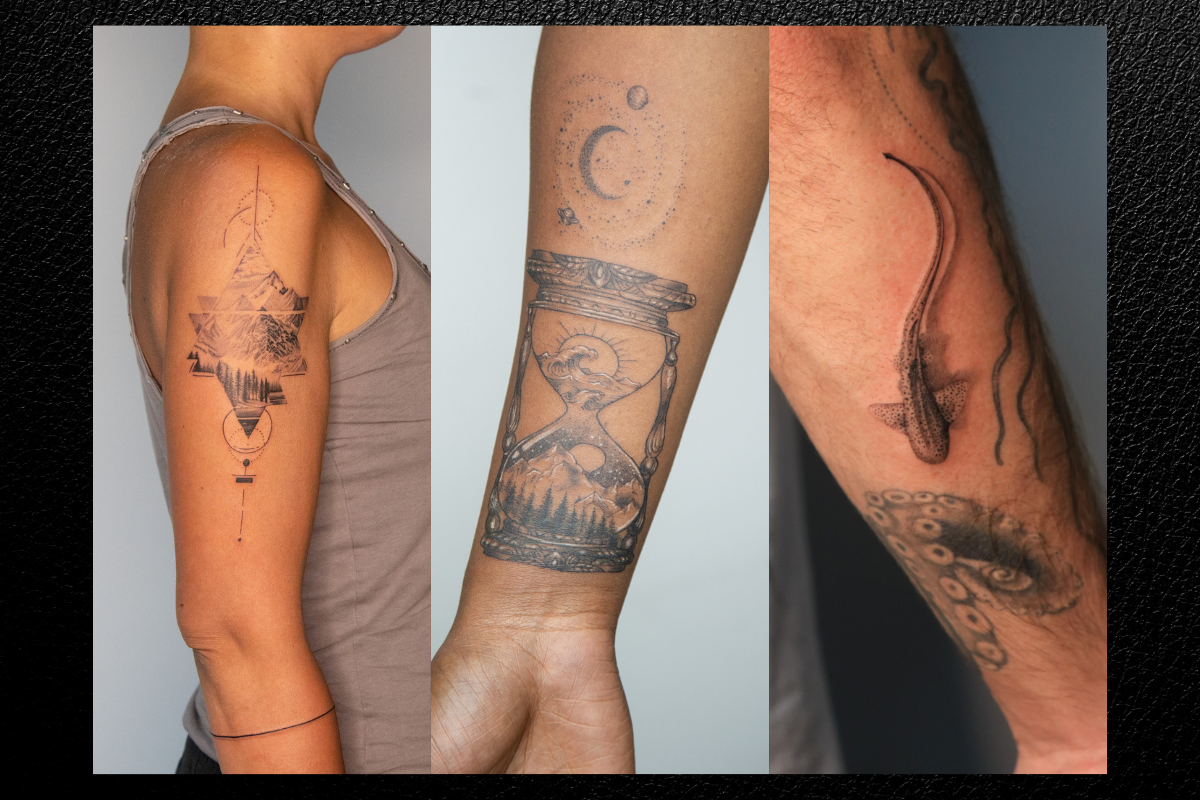
Black work tattoo style variations
Technical Mastery and Equipment Considerations
Professional excellence requires both artistic vision and technical precision. The black tattoo artist community has contributed significant innovations in equipment use and technique modification.
Needle Configuration and Depth
Proper needle depth becomes particularly critical when working with melanin-rich skin. Too shallow, and the ink may not hold properly; too deep, and scarring risks increase substantially.
Standard depth modifications:
Keloid-prone areas require lighter hand pressure
Scar tissue demands careful assessment before proceeding
Areas with varying skin thickness need depth adjustments
Healing history informs technique choices
Many artists who work extensively with darker skin tones develop highly refined sensitivity to skin resistance and feedback. This tactile expertise, combined with visual assessment skills, enables consistent, beautiful results. Understanding what happens during a tattoo session helps clients appreciate this technical complexity.
Ink Quality and Pigment Selection
Not all tattoo inks perform equally across different skin tones. Premium inks with higher pigment concentrations typically produce superior results on melanin-rich skin.
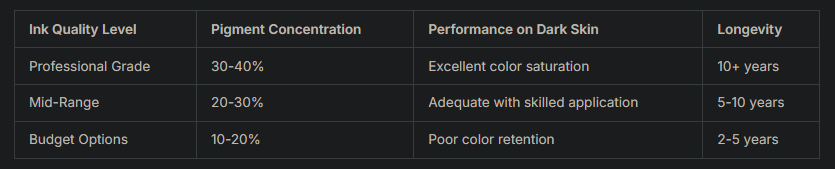
Luxury studios invest in premium ink lines specifically because they deliver consistent results across all skin tones. This commitment to quality materials complements artistic expertise.
Portfolio Assessment and Artist Selection
Choosing the right artist requires careful portfolio review with specific attention to relevant work samples. When choosing a tattoo artist, clients should look for demonstrated experience with skin similar to their own.
Essential portfolio elements to evaluate:
Multiple examples on melanin-rich skin at various stages
Healed work photos showing long-term results
Variety of styles demonstrating versatility
Close-up detail shots revealing technical precision
Before and after images for cover-up work
Many prominent Black tattoo artists maintain extensive portfolios showcasing their specialized expertise. These examples provide realistic expectations for potential clients and demonstrate the artist's capabilities across different design approaches.
Consultation Process and Communication
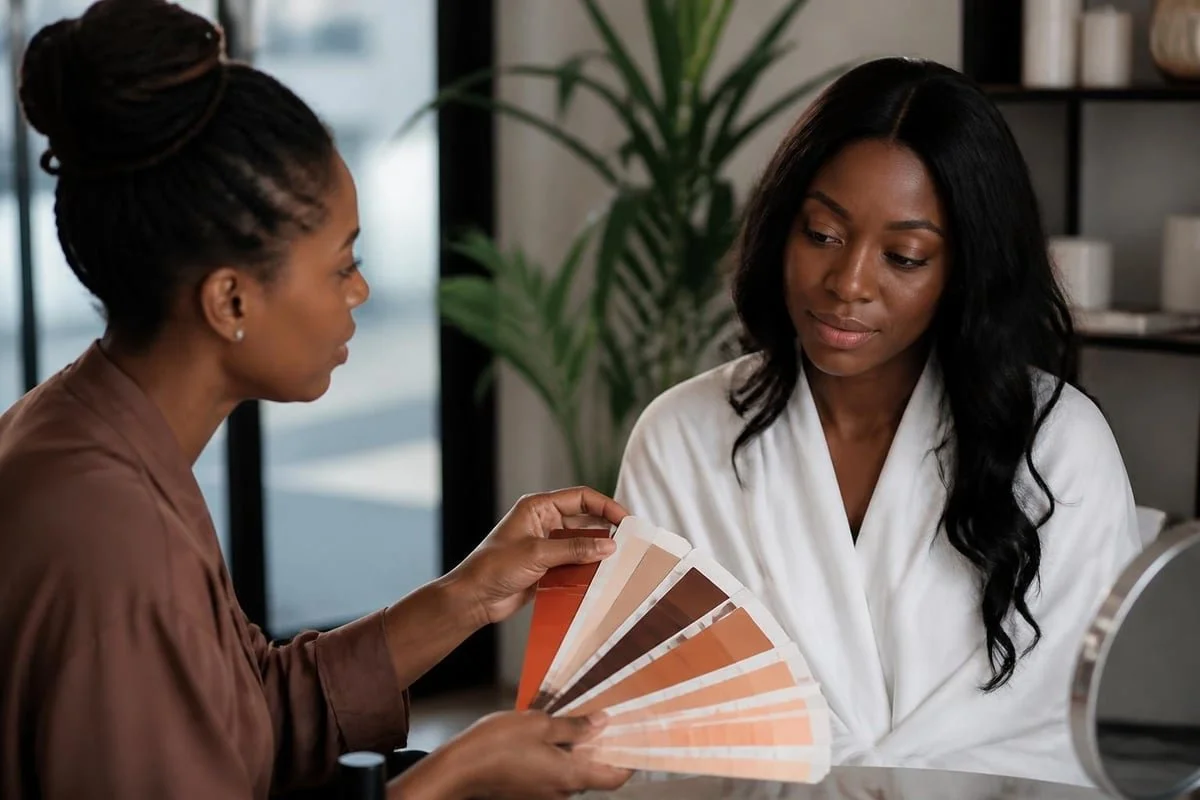
The initial consultation reveals much about an artist's expertise and approach. A knowledgeable black tattoo artist will discuss undertones, test ink placement if needed, and provide honest assessments about design feasibility.
During consultation, expect discussion of:
Skin undertone analysis and color recommendations
Healing expectations specific to your skin type
Design modifications for optimal results
Aftercare protocols tailored to melanin-rich skin
Timeline considerations and session planning
This thorough consultation process mirrors the personalized approach that luxury studios provide for all clients, ensuring each piece receives appropriate planning and consideration.
Tattoo consultation process
Aftercare Protocols for Optimal Healing
Proper aftercare becomes particularly important for melanin-rich skin, which may experience hyperpigmentation or hypopigmentation during healing. Experienced artists provide detailed, customized aftercare instructions.
Melanin-specific aftercare considerations:
Moisturizing protocols preventing ashiness and dryness
Sun protection preventing hyperpigmentation
Product recommendations for sensitive skin
Monitoring for keloid formation
Touch-up timing and assessment
Understanding tattoo aftercare essentials provides foundation knowledge, but working with an artist experienced in your skin type ensures protocols match your specific needs. The relationship between proper aftercare and long-term tattoo quality cannot be overstated.
Innovation and Industry Evolution
The contributions of talented artists working with diverse skin tones continue driving industry innovation. Artists challenging outdated norms have expanded possibilities for all clients while raising overall standards.
This innovation extends to multiple areas:
Development of specialized inks with improved melanin compatibility
Educational resources filling historical training gaps
Social media platforms showcasing diverse work
Community building and knowledge sharing
Advocacy for inclusive industry practices
The luxury tattoo sector has particularly benefited from these advancements, as premium studios prioritize expertise across all skin types and cultural backgrounds.
Global Perspectives and Cross-Cultural Exchange
International tattoo communities have embraced knowledge sharing regarding techniques for diverse skin tones. Studios in Bangkok, London, New York, and beyond collaborate through social media, conventions, and professional networks.
This global exchange enriches the craft while ensuring clients worldwide receive expert service regardless of their complexion. The black tattoo artist community has been instrumental in facilitating these connections and raising standards internationally.
Design Considerations for Maximum Impact
Certain design approaches work particularly well on melanin-rich skin, offering stunning visual impact and excellent longevity. Understanding these principles helps clients make informed decisions about their body art.
High-impact design choices:
Bold line work with clear definition
High contrast elements creating visual separation
Negative space techniques using skin tone strategically
Large-scale pieces maximizing visibility
Geometric precision showcasing technical skill
While delicate fine line tattoo work remains possible on darker skin, it requires exceptional technical expertise and realistic client expectations. Many artists recommend slightly bolder line weights for optimal longevity and clarity.
Placement Strategies and Anatomical Considerations
Tattoo placement on melanin-rich skin requires consideration of natural skin variations, undertone differences in various body areas, and healing characteristics of different anatomical regions.
Areas particularly well-suited for tattoos on darker skin include:
Upper arms and shoulders with consistent skin tone
Back and ribcage offering large canvas areas
Thighs and calves with good healing characteristics
Chest for bold statement pieces
Forearms for visible, well-healing work
Each location presents unique opportunities and challenges that experienced artists navigate through customized approach and technique adjustment.
Building Trust and Long-Term Relationships
The relationship between artist and client often extends beyond a single tattoo, particularly when that artist demonstrates specialized expertise with the client's skin type. Many people return to the same black tattoo artist for multiple pieces, building portfolios that showcase consistent quality and artistic evolution.
This ongoing relationship provides several advantages:
Artist familiarity with your skin's healing patterns
Cohesive aesthetic across multiple pieces
Trust built through proven results
Personalized design development over time
Efficient sessions based on established rapport
Luxury tattoo studios foster these long-term relationships through exceptional service, consistent quality, and genuine care for client satisfaction. The investment in finding the right artist pays dividends across years of beautiful body art.