Tattoo Studio Ink: Quality, Safety & Selection Guide
The foundation of exceptional tattoo artistry begins long before the needle touches skin. Professional tattoo studio ink represents the critical element that transforms artistic vision into permanent body art, determining everything from color vibrancy to longevity and safety. In luxury tattoo environments, the selection and application of premium inks separates mediocre work from masterpieces that stand the test of time. Understanding the complexities of tattoo studio ink empowers clients to make informed decisions about their body art investments and ensures artists can deliver the finest results possible.
Understanding Professional Tattoo Studio Ink Composition
Modern tattoo studio ink formulations have evolved dramatically from traditional recipes, incorporating advanced chemistry and rigorous safety standards. Professional-grade inks consist of pigment particles suspended in a carrier solution, with each component playing a vital role in application quality and long-term results.
Pigment Quality and Particle Size
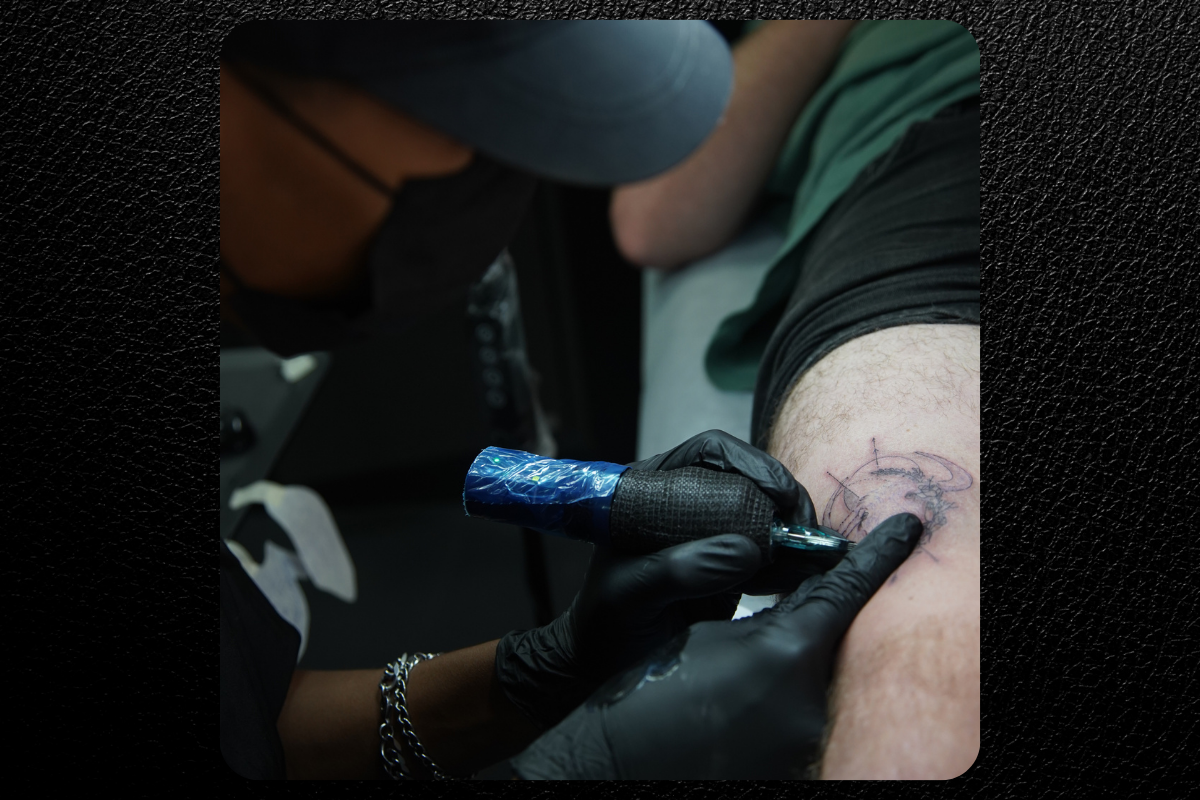
The pigments within tattoo studio ink determine color intensity, brightness, and stability over time. Premium formulations utilize finely milled particles that disperse evenly beneath the skin, creating smooth gradations and consistent color saturation. Particle size directly impacts how ink settles in dermal layers, with smaller particles producing more refined details essential for fine line work and microrealism techniques.
Key pigment considerations include:
Organic versus inorganic compounds and their respective color stability
Particle uniformity for consistent application
Light-fastness ratings indicating fade resistance
Bio-compatibility with human tissue
High-quality tattoo studio ink manufacturers invest substantially in pigment refinement processes, ensuring each batch meets strict consistency standards. This attention to detail becomes particularly evident in fine line tattoo applications, where precision and clarity depend on superior ink formulation.
tattoo pigment particle distribution
Carrier Solutions and Suspension Agents
Beyond pigments, the carrier solution in tattoo studio ink facilitates smooth application while maintaining pigment suspension. Professional formulations balance viscosity, sterility, and skin compatibility through carefully selected ingredients.
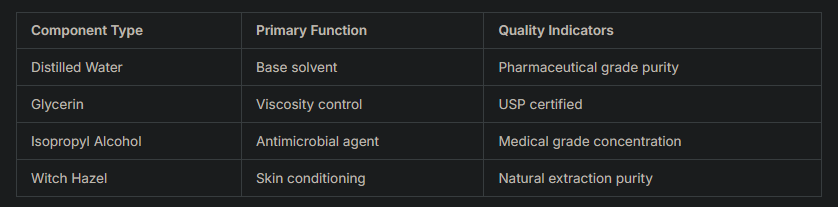
Premium carriers ensure tattoo studio ink flows consistently through various needle configurations while minimizing tissue trauma. These formulations maintain sterility throughout the tattooing process, reducing infection risks and supporting optimal healing outcomes.
Safety Standards and Regulatory Compliance
The tattoo industry has witnessed increased regulatory scrutiny regarding ink composition and safety protocols. Research examining health implications of tattoo inks has prompted manufacturers to reformulate products, eliminating potentially harmful substances.
Heavy Metal Content and Toxicity Concerns
Historical tattoo studio ink formulations sometimes contained heavy metals and toxic compounds that posed long-term health risks. Contemporary standards mandate rigorous testing and certification to ensure client safety.
Studies assessing toxic metals in tattoo inks using advanced spectroscopic techniques have identified problematic ingredients, driving industry-wide improvements. Premium manufacturers now provide comprehensive ingredient disclosures and third-party testing certifications.
Critical safety parameters include:
Lead content below detectable limits
Cadmium-free formulations
Mercury elimination in all color variants
Chromium restrictions in green and yellow pigments
PAH (polycyclic aromatic hydrocarbon) screening
Sterilization and Contamination Prevention
Tattoo studio ink safety extends beyond chemical composition to include contamination prevention protocols. Professional studios implement strict handling procedures to maintain sterility from manufacturing through application.
Single-use ink caps prevent cross-contamination between clients, while proper storage conditions preserve ink integrity. When choosing the right tattoo studio, observing these hygiene practices provides valuable insight into overall quality standards.
Color Selection and Artistic Applications
The palette available in professional tattoo studio ink has expanded tremendously, offering artists unprecedented creative flexibility. Understanding color characteristics enables informed selections that align with design requirements and client preferences.
Black and Grey Formulations
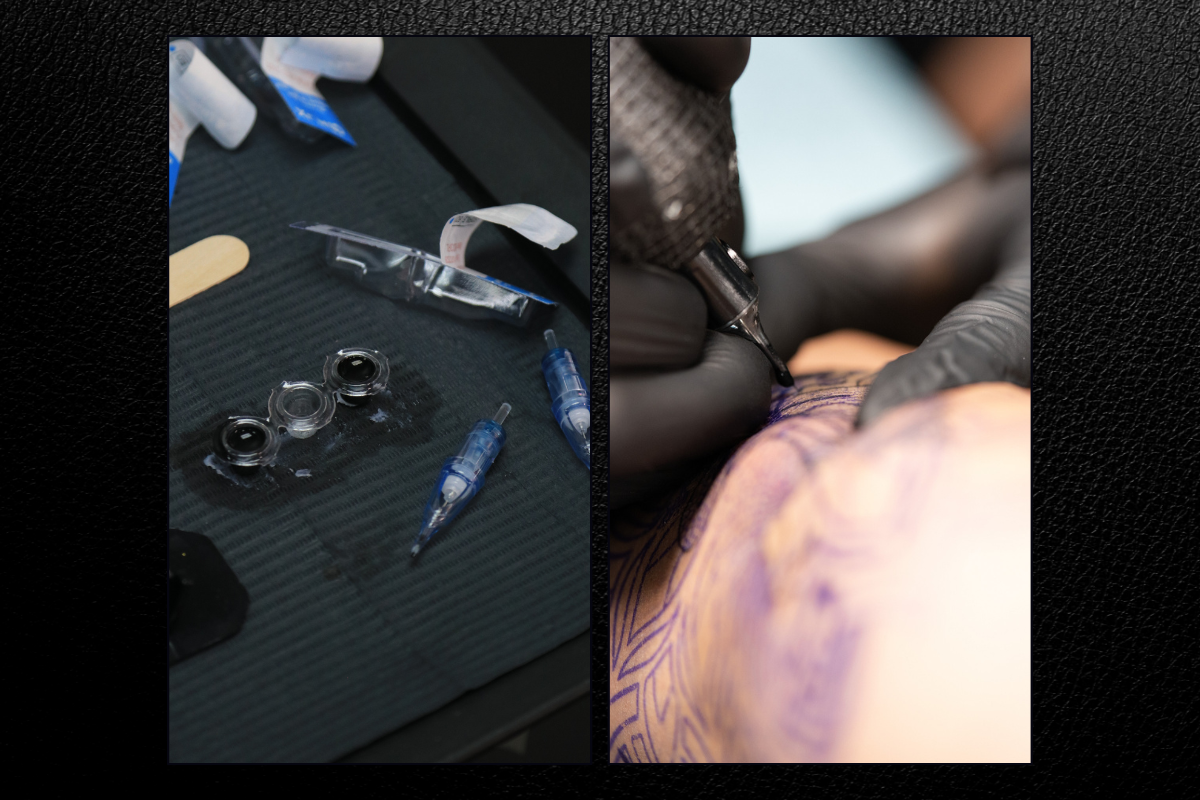
Black tattoo studio ink remains the most widely used pigment, serving as the foundation for countless tattoo styles. Premium black inks utilize carbon-based pigments that provide deep saturation and exceptional longevity.
Grey wash variations allow artists to create dimensional shading and photorealistic effects. Black and grey tattoo techniques rely heavily on ink quality to achieve smooth tonal transitions and lasting clarity.
Different black ink formulations serve specific purposes:
Lining blacks with higher viscosity for crisp outlines
Shading blacks optimized for smooth gradations
Packing blacks for solid coverage in blackwork pieces
Dilution-friendly formulas maintaining consistency when creating grey washes
Black tattoo ink applications
Color Spectrum and Vibrancy
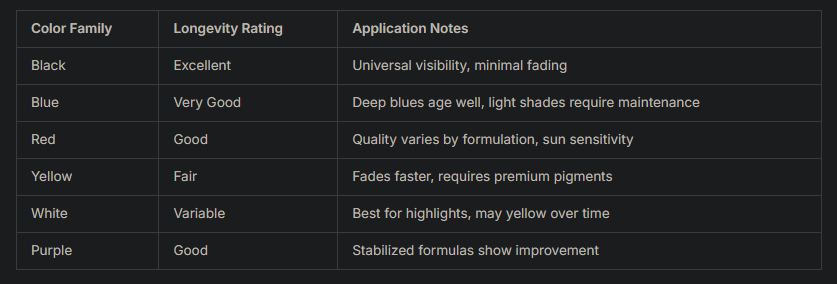
Contemporary tattoo studio ink manufacturers offer extensive color ranges, from subtle pastels to vibrant neons. Each hue presents unique application characteristics and aging properties that influence artistic choices.
Certain colors pose specific challenges in terms of longevity and visibility across different skin tones. Understanding best colours for tattoos helps clients set realistic expectations while maximizing design impact.
Brand Selection and Professional Preferences
Established tattoo studios develop strong preferences for specific tattoo studio ink brands based on performance, reliability, and safety records. These professional endorsements reflect years of practical experience and client feedback.
Industry-Leading Manufacturers
Several manufacturers have earned reputations for producing consistently excellent tattoo studio ink that meets professional standards. These brands invest heavily in research, quality control, and safety testing.
Premium brands typically offer:
Comprehensive ingredient transparency
Batch testing and quality certifications
Extensive color ranges with consistent formulations
Professional artist support and education
Rigorous sterility protocols
Artists specializing in detailed work particularly value tattoo studio ink that maintains consistency across production runs. This reliability proves essential when executing complex designs requiring precise color matching and tonal accuracy.
Custom Mixing and Color Matching
Advanced practitioners sometimes create custom tattoo studio ink blends to achieve specific hues or effects. This practice requires thorough understanding of pigment interactions and compatibility between different ink lines.
When commissioning custom designs, discussing ink selection with your artist ensures optimal results. The choosing a tattoo artist process should include conversations about materials and techniques that will bring your vision to life.
Storage and Handling Best Practices
Proper tattoo studio ink management extends product lifespan while maintaining safety standards. Professional studios implement systematic approaches to inventory control and storage conditions.
Environmental Factors Affecting Ink Quality
Temperature fluctuations, light exposure, and contamination risks all impact tattoo studio ink integrity. Premium formulations include stabilizers that resist degradation, but careful handling remains essential.
Optimal storage conditions include:
Cool, dry environments away from direct sunlight
Sealed containers preventing oxidation
Organized inventory systems ensuring proper rotation
Regular inspection for separation or discoloration
Immediate disposal of compromised products
Expiration and Quality Control
Unlike permanent makeup products with clearly defined shelf lives, tattoo studio ink expiration varies by formulation and storage conditions. Professional artists monitor ink quality through visual inspection and application testing.
Signs of degraded tattoo studio ink include:
Visible separation requiring excessive shaking
Color shifting or inconsistency
Unusual odors indicating contamination
Texture changes affecting flow characteristics
Reduced pigment saturation during application
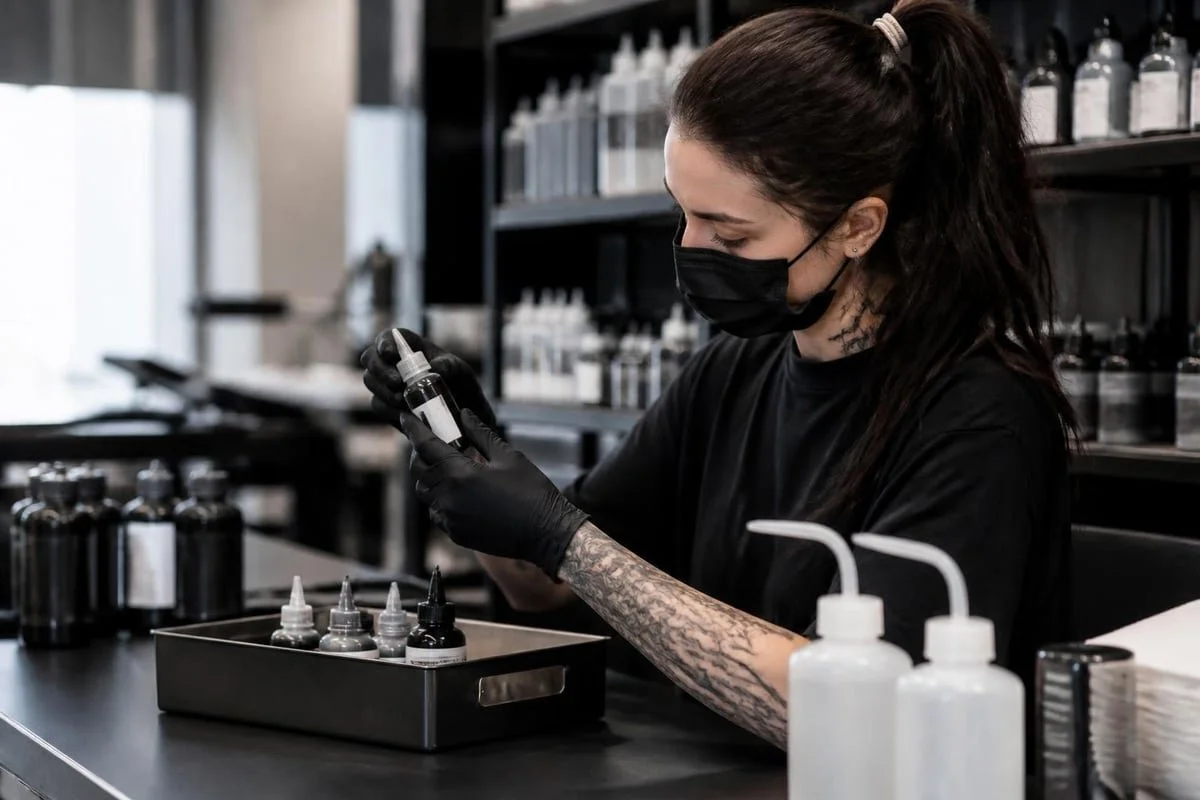
Tattoo ink quality control
Technical Considerations for Different Tattoo Styles
Various tattoo approaches demand specific ink characteristics to achieve desired results. Understanding these technical requirements helps match tattoo studio ink properties with artistic objectives.
Fine Line and Microrealism Requirements
Delicate work requires tattoo studio ink with exceptional flow properties and pigment stability. The precision demanded by microrealism techniques necessitates inks that maintain consistent viscosity throughout extended sessions.
Fine line artists prefer formulations that don't spread excessively beneath the skin, ensuring crisp details remain sharp over time. Premium black inks specifically formulated for detail work contain carefully calibrated pigment concentrations that balance saturation with precision.
Bold Traditional and Coverage Applications
Conversely, traditional styles and coverage work benefit from tattoo studio ink with higher pigment loads and excellent packing capabilities. These formulations provide solid color saturation in fewer passes, reducing skin trauma while achieving vibrant results.
When covering scars with tattoos, selecting appropriate ink formulations helps ensure even coverage over textured skin surfaces. Experienced artists adjust technique and ink selection based on individual scar characteristics and desired outcomes.
Health Implications and Allergic Reactions
While modern tattoo studio ink formulations prioritize safety, individual sensitivities occasionally produce adverse reactions. Understanding these risks enables informed decision-making and appropriate precautions.
Common Allergens and Sensitivities
Certain pigments historically associated with allergic reactions have prompted reformulations across the industry. Research examining colorants used in tattooing provides valuable insights into composition and potential sensitivities.
Red pigments containing cinnabar or cadmium compounds posed historical concerns, though modern alternatives utilize safer organic compounds. Clients with known metal sensitivities should discuss alternative pigment options with their artists before proceeding.
Potential reaction indicators include:
Persistent itching beyond normal healing
Raised areas confined to specific colors
Excessive redness or inflammation
Prolonged healing times in colored sections
Granuloma formation around pigmented areas
Patch Testing and Precautionary Measures
For clients with sensitive skin or allergy histories, patch testing provides valuable information before committing to extensive tattoo work. Small test applications allow observation of tissue response without risking large-scale complications.
Professional studios prioritizing client safety incorporate comprehensive consultation processes. Understanding what happens during a tattoo session helps clients prepare appropriately and communicate concerns effectively.
Innovation and Future Developments
The tattoo industry continues evolving, with ongoing research driving improvements in tattoo studio ink formulations. Emerging technologies promise enhanced safety, expanded color options, and improved longevity.
Removable and Biodegradable Formulations
Researchers explore tattoo studio ink compositions designed to break down naturally over time or respond to specific removal triggers. While traditional permanence remains standard, these innovations may eventually offer greater flexibility for clients uncertain about lifelong commitments.
Current removal technologies rely on laser treatments that fragment pigment particles for immune system absorption. Future tattoo studio ink formulations might incorporate components specifically engineered for efficient, less painful removal processes.
Enhanced Pigment Stability and Longevity
Advanced chemistry promises tattoo studio ink with superior fade resistance and color stability. Encapsulation technologies protect pigments from UV degradation while maintaining bio-compatibility, potentially extending the vibrant phase of color tattoos significantly.
These developments particularly benefit clients seeking color tattoos optimized for their specific skin tones, as improved formulations may offer better visibility and longevity across diverse complexions.
Professional Application Techniques
Even premium tattoo studio ink requires skilled application to achieve optimal results. Professional techniques maximize ink retention while minimizing tissue trauma and supporting efficient healing.
Needle Configuration and Ink Flow
Different needle groupings interact distinctively with tattoo studio ink, affecting deposit patterns and saturation levels. Liner configurations require inks that flow smoothly without flooding, while shader setups benefit from formulations that distribute evenly across broader areas.
Artists adjust machine settings, hand speed, and needle depth based on ink characteristics and skin type. This technical expertise, combined with quality materials, produces superior outcomes that justify premium studio pricing.
Depth Control and Color Saturation
Proper tattoo studio ink placement occurs within the dermis layer, approximately 1-2 millimeters beneath the skin surface. Too shallow, and ink migrates to the epidermis where it's eventually shed. Too deep, and pigments may spread excessively or appear muted.
Experienced practitioners develop intuitive understanding of optimal depth through extensive practice. This expertise becomes particularly evident in challenging applications like white tattoo work, where visibility depends on precise placement and saturation.
Investment Value and Long-Term Considerations
Premium tattoo studio ink represents a significant component of overall tattoo costs, yet quality materials justify their expense through superior results and reduced complication risks. Understanding this value proposition helps clients appreciate pricing structures at professional studios.
Cost-Benefit Analysis of Premium Materials
High-end tattoo studio ink typically costs three to five times more than budget alternatives, yet this investment delivers measurable benefits. Superior pigment stability means less frequent touch-ups, while enhanced safety profiles reduce complication risks that could require medical intervention.
Professional studios factor material costs into session pricing, ensuring artists can utilize optimal products without compromise. When evaluating studio options, inquiring about ink brands provides insight into overall quality commitments.
Maintenance and Touch-Up Requirements
Even premium tattoo studio ink fades over time due to UV exposure, immune system activity, and natural skin regeneration. Understanding maintenance requirements helps clients protect their investments through proper aftercare and periodic enhancements.
Following recommended tattoo aftercare protocols significantly impacts long-term appearance. Quality inks combined with diligent care maximize the years before touch-ups become necessary.