Line Tattoo Design: The Art of Minimalist Elegance
The minimalist revolution in body art has transformed how we approach permanent design, with line tattoo design emerging as one of the most sought-after styles among discerning collectors. This artistic approach strips away excess to reveal pure form, relying on the precision and confidence of unbroken lines to create stunning visual impact. Whether you're drawn to the meditative flow of single-line artwork or the intricate detail of fine line compositions, understanding the fundamentals of this style helps you make informed decisions about your next piece. The appeal extends beyond aesthetics-line work represents a commitment to clarity, requiring exceptional technical skill from artists who specialize in this demanding discipline.
Understanding Line Tattoo Design Fundamentals
Line tattoo design encompasses a broad spectrum of techniques, each requiring distinct skill sets and artistic vision. At its foundation, this style relies on the quality and consistency of the line itself rather than shading or color to create impact.
The Anatomy of Exceptional Linework
The significance of linework in tattooing cannot be overstated-it forms the structural foundation of most tattoo designs. A well-executed line possesses consistent weight, smooth flow, and crisp edges that remain readable as the tattoo ages. Artists achieve this through needle configuration, machine speed, hand stability, and years of practiced technique.
Key characteristics of professional line tattoo design include:
Uniform thickness throughout continuous sections
Clean starts and stops without blowouts or gaps
Smooth curves without hesitation marks
Strategic variation in line weight to create dimension
Perfect geometric precision when required
The technical challenge lies in maintaining these standards while working on curved body surfaces with varying skin textures. Unlike paper or digital media, skin presents unique obstacles including natural elasticity, different absorption rates across body areas, and the need to work quickly before swelling occurs.
Line tattoo fundamental
Single-Line Versus Compound Designs
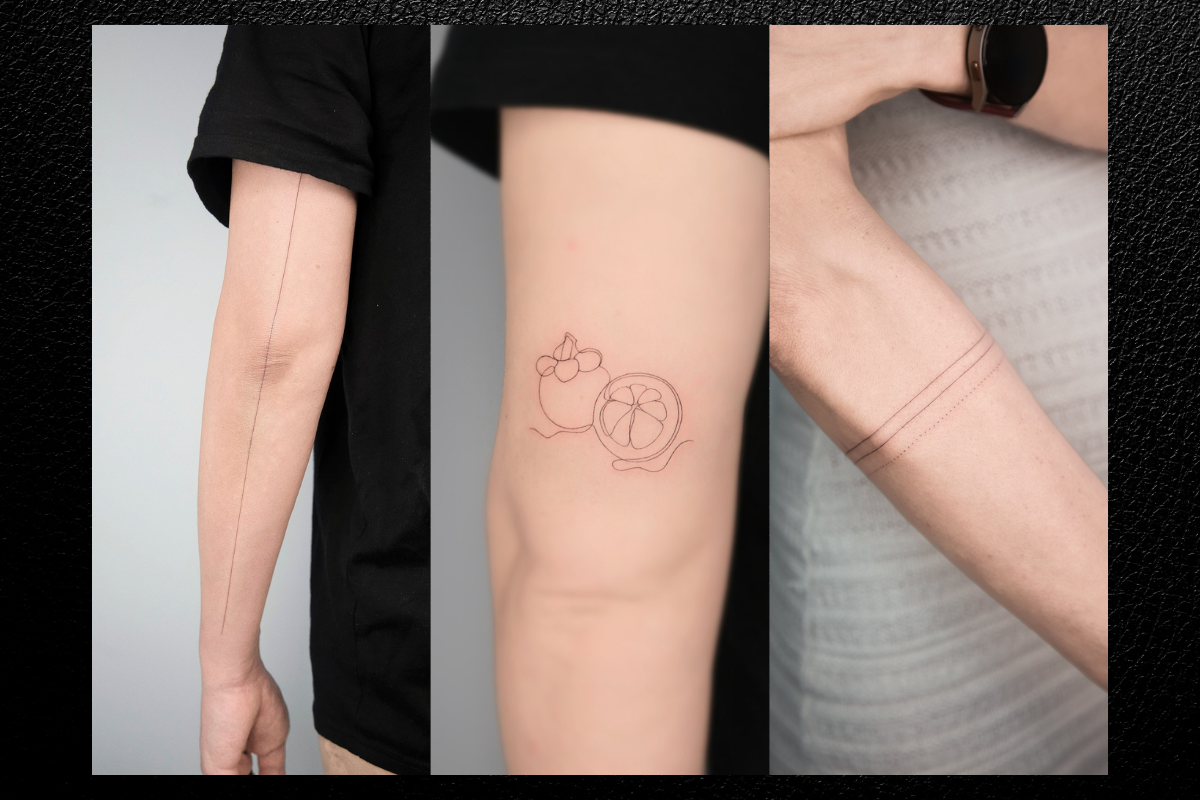
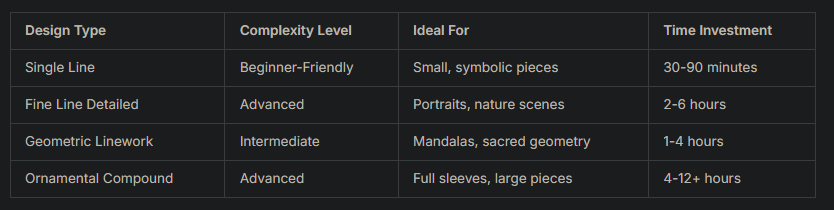
Single line tattoos represent the purest expression of this art form, where the artist creates an entire image without lifting the needle. This continuous approach demands extraordinary planning and flawless execution-there's no room for correction once the line begins.
Compound line tattoo design involves multiple strokes working together to build more complex imagery. This approach allows for greater detail and dimensional depth while maintaining the clean aesthetic that defines the style. Artists combine varying line weights, negative space manipulation, and strategic placement to create sophisticated compositions.
Popular Styles Within Line Tattoo Design
The versatility of line-based tattooing has spawned numerous substyles, each with its own aesthetic principles and cultural influences. Understanding these variations helps you articulate your vision when choosing the perfect tattoo artist.
Fine Line Tattooing Excellence
Fine line tattoos have exploded in popularity over the past decade, particularly among clients seeking subtle, sophisticated body art. This technique uses single needles or tight needle groupings to create delicate lines approximately the width of a hair strand.
The precision required for fine line work demands specialized equipment and extensive training. Artists must work with a lighter hand than traditional tattooing while maintaining sufficient depth for proper ink saturation. This delicate balance prevents blowouts while ensuring longevity.
Advantages of fine line tattoo design:
Minimal skin trauma and faster healing
Subtle appearance suitable for professional environments
Excellent for detailed botanical illustrations
Ages gracefully when properly executed
Works beautifully on smaller body placements
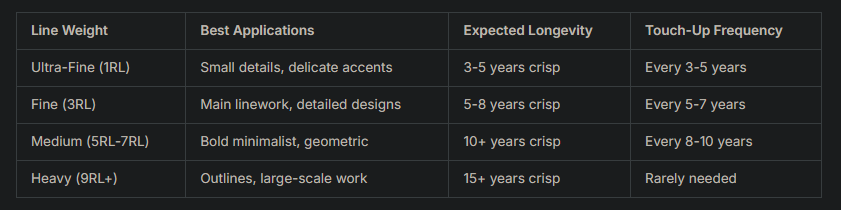
However, fine line work presents unique challenges. The delicate nature means these tattoos may fade slightly faster than bold traditional work, requiring touch-ups every 5-7 years. Choosing an experienced artist familiar with fine line techniques is essential for achieving lasting results.
Geometric and Sacred Geometry Applications
Geometric line tattoo design draws from mathematical principles and ancient symbolism to create perfectly balanced compositions. These pieces often incorporate mandalas, metatron's cubes, flower of life patterns, and other sacred geometry elements.
The appeal lies in the precision and symmetry-when executed flawlessly, geometric tattoos demonstrate mastery of fundamental tattooing skills. Artists use stencils, measuring tools, and steady hands to ensure perfect angles and proportions. Even millimeter-level deviations become obvious in geometric work, making it a true test of technical ability.
Full back line work style
Minimalist Illustrative Work
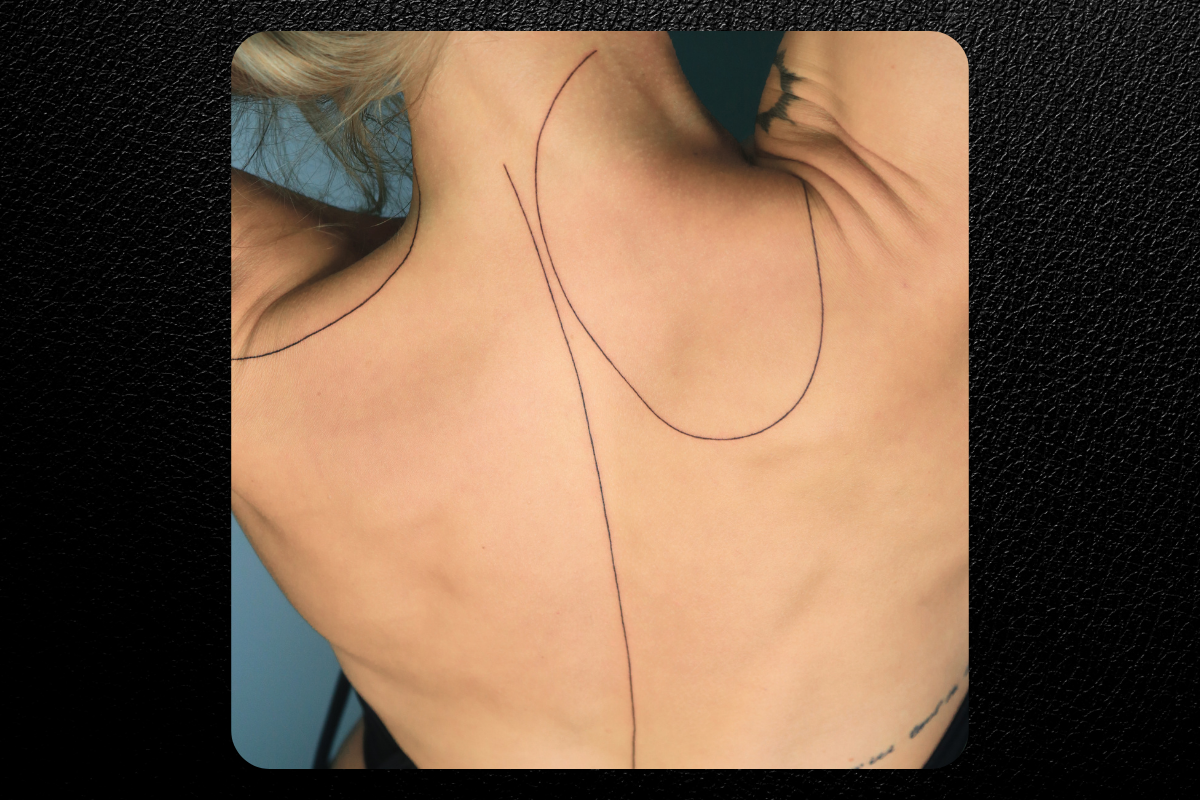
Minimalist line tattoo design strips subjects to their essential elements, creating recognizable imagery with the fewest possible strokes. This approach originated in the fine art world and translates beautifully to skin.
Artists working in this style must understand composition, negative space, and visual hierarchy. A minimalist portrait might use five carefully placed lines to suggest an entire face, relying on the viewer's brain to complete the image. This intellectual engagement creates artwork that rewards longer contemplation.
Popular minimalist subjects include:
Animal silhouettes reduced to essential curves
Abstract representations of meaningful concepts
Simplified botanical elements
Architectural landmarks in outline form
Constellation maps and celestial bodies
Technical Considerations for Line Tattoo Design
Success in line-based tattooing requires attention to numerous technical factors that impact both immediate results and long-term appearance. When exploring different tattoo styles, understanding these considerations helps you make informed decisions.
Skin Placement and Line Longevity
Not all body areas accept line work equally. Factors including skin thickness, sun exposure, friction from clothing, and natural body movement affect how lines heal and age.
Optimal placements for line tattoo design:
Inner forearm (minimal friction, good visibility)
Upper back and shoulder blades (stable skin surface)
Outer thigh (ample flat space)
Ribs (when properly aftercared)
Behind the ear (for small, delicate pieces)
Areas with frequent movement like hands, feet, and joints experience faster fading and line spreading. While not prohibitive, these placements require realistic expectations about maintenance. Proper tattoo placement considerations balance aesthetic desires with practical longevity.
Line Weight and Aging Considerations
A common misconception suggests that thinner always equals better in line tattoo design. In reality, line weight must match the design's scale and intended placement. Micro-thin lines may look stunning fresh but can blur into illegibility within years.
Professional artists consider the aging process during design consultation. Lines that appear perfect at one year may spread slightly by year ten as skin naturally changes. Strategic line weight prevents this spreading from compromising the design's readability.
Color Versus Black Linework
While line tattoo design traditionally emphasizes black ink, contemporary artists increasingly incorporate subtle color elements. This hybrid approach maintains the clean aesthetic while adding dimensional depth through selective color application.
Black ink remains the gold standard for line work due to its high contrast, proven longevity, and ability to read clearly on all skin tones. When properly applied, black lines maintain their definition longer than any color alternative.
Color linework requires additional expertise. Certain pigments spread more readily than black, affecting line crispness over time. Artists experienced in selecting appropriate tattoo colors can guide decisions about incorporating hues while maintaining the style's integrity.
Design Process and Artist Collaboration
Creating exceptional line tattoo design requires collaborative partnership between client and artist. The process begins long before needle touches skin, involving consultation, design refinement, and technical planning.
Communicating Your Vision Effectively
Successful line work starts with clear communication. Unlike styles that forgive minor imprecision, line tattoo design demands exact understanding between client and artist.
Preparation steps for your consultation:
Compile reference images showing desired aesthetic, not exact copies
Identify specific line qualities you appreciate (weight, style, complexity)
Determine sizing and placement with body measurements
Discuss whether single session completion is realistic or multiple sessions needed
Understand the artist's interpretation process and revision policy
Many clients find understanding what happens during a tattoo session reduces anxiety and improves collaboration. Artists specializing in line work often sketch multiple variations before finalizing the stencil, ensuring the design works harmoniously with your body's natural contours.
Custom Design Development
Premium studios create fully custom line tattoo design rather than applying flash art from portfolios. This bespoke approach ensures your piece remains unique while optimizing the design for your specific placement and body type.
The development process typically includes:
Initial consultation discussing concepts, symbolism, and aesthetic preferences
Artist sketching preliminary designs based on your input
Revision rounds refining proportions, line placement, and overall composition
Stencil creation and placement testing on your body
Final adjustments before tattooing begins
Artists at luxury studios invest significant time in this preparatory phase, recognizing that line work's unforgiving nature demands perfect planning. This attention to detail distinguishes exceptional results from mediocre execution.
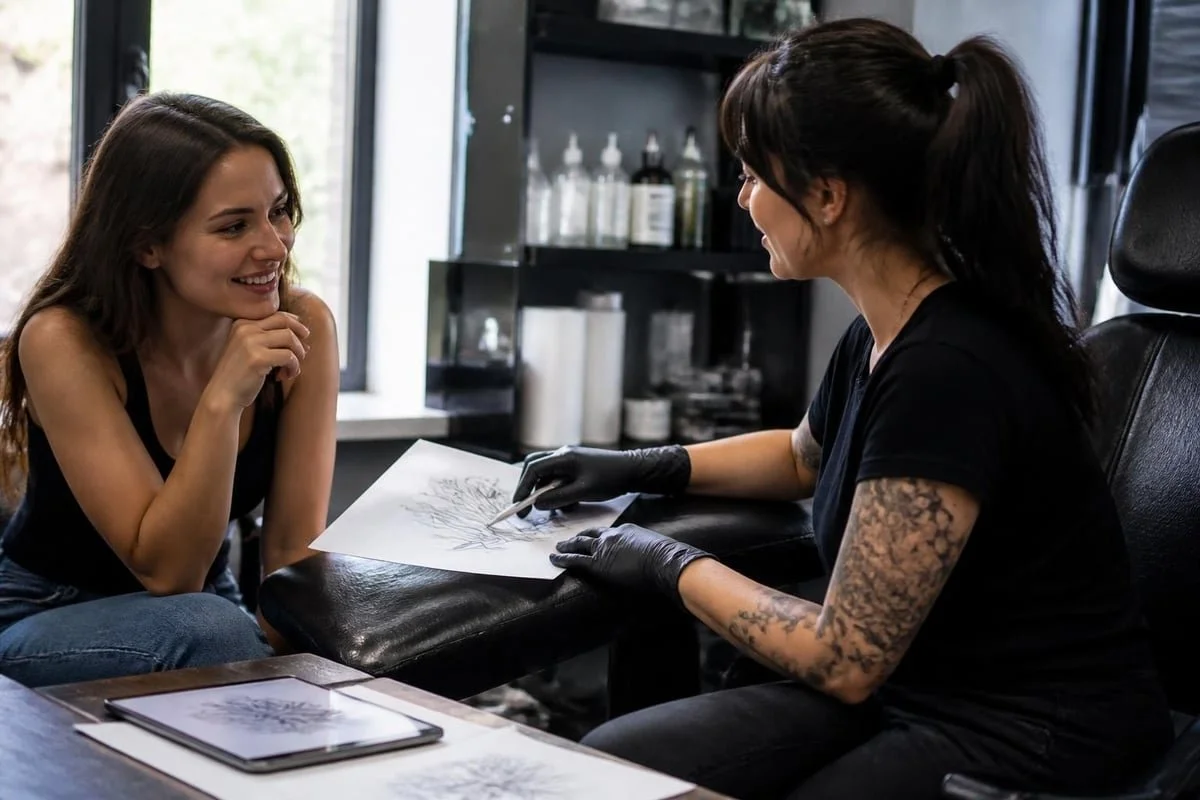
Design consultation process
Aftercare Specific to Line Tattoo Design
Proper healing protocols prove especially critical for line work, where any complications directly impact the design's visual clarity. Unlike heavily saturated pieces that can hide minor healing imperfections, line tattoo design reveals every detail.
Initial Healing Phase Best Practices
The first two weeks determine your tattoo's final appearance. Line work's delicate nature demands strict adherence to tattoo aftercare essentials without deviation.
Critical aftercare guidelines for line tattoos:
Keep the area clean using fragrance-free, gentle soap
Apply thin layers of recommended healing ointment 2-3 times daily
Avoid soaking (swimming, baths) for 2-3 weeks
Never pick at scabs or peeling skin
Protect from sun exposure completely during healing
Wear loose clothing that won't rub against the tattoo
Stay hydrated to support skin healing from within
Line tattoo design heals faster than heavily saturated work due to less skin trauma, typically achieving surface healing within 10-14 days. However, complete dermal healing requires 4-6 weeks, during which you must maintain protection protocols.
Long-Term Maintenance Strategies
Preserving your line work's crispness requires ongoing care extending years beyond the initial healing. Sun exposure represents the primary threat to tattoo longevity, breaking down ink particles and causing lines to blur.
Daily SPF 50+ application to tattooed areas prevents premature fading and line spreading. This simple habit can extend your tattoo's crisp appearance by several years, delaying or eliminating the need for touch-ups.
Regular moisturizing maintains skin elasticity, helping lines remain defined as your skin naturally ages. Quality, fragrance-free lotions applied daily keep tattooed skin supple without interfering with ink stability.
Choosing the Right Artist for Line Tattoo Design
Artist selection represents your most important decision in the tattooing process. The specialized skills required for exceptional line work mean not every talented tattoo artist excels in this particular style.
Portfolio Evaluation Criteria
Examining an artist's portfolio reveals their true capabilities beyond marketing claims. When selecting a tattoo artist, focus on specific technical indicators rather than general aesthetic appeal.
Red flags in line work portfolios:
Inconsistent line weight within continuous sections
Wobbly or hesitant-looking curves
Blowouts or ink spreading beyond intended lines
Unclear starts and stops
Limited examples of healed work
Request to see healed photos of line work at least 1-2 years old. Fresh tattoos can mask technical deficiencies that become obvious once healing completes. Artists confident in their work gladly share long-term results.
Specialization and Experience Factors
While versatile artists can work across multiple styles, line tattoo design benefits from specialization. Artists who focus primarily on fine line and minimalist work develop muscle memory and technical refinement that generalists cannot match.
Experience matters particularly in this style. The steady hand and confident strokes required for perfect lines develop over thousands of hours of practice. Artists with 5+ years specializing in line work typically deliver superior results compared to those who occasionally incorporate the style.
Premium studios in markets like Bangkok attract highly specialized artists who've honed their craft specifically in line-based techniques. These professionals understand nuances like optimal needle configurations for different line weights, machine settings for various body placements, and how different skin types accept fine linework.
Cultural and Artistic Influences
Contemporary line tattoo design draws from diverse artistic traditions spanning centuries and continents. Understanding these historical influences adds depth to your appreciation of the style.
Traditional Asian Influences
Asian artistic traditions heavily influence modern line tattooing, particularly Japanese calligraphy and Chinese brush painting. These disciplines emphasize economy of line, where each stroke carries maximum meaning with minimum embellishment.
The concept of "ma" (negative space) in Japanese aesthetics directly translates to line tattoo design. What remains untattooed proves as important as the ink itself, creating breathing room that allows simple lines to achieve visual impact.
Western Minimalist Movements
European and American minimalist art movements of the mid-20th century laid conceptual groundwork for contemporary line tattooing. Artists like Picasso demonstrated how complex subjects could be reduced to essential linear elements without losing recognizability.
This philosophy merged with evolving tattoo technology to create the fine line movement. As equipment became more precise and ink formulations improved, artists could execute increasingly delicate work, bringing minimalist principles from canvas to skin.
Technical Innovation and Equipment
Advances in tattooing technology continue expanding possibilities within line tattoo design. Modern equipment allows precision impossible with traditional tools, enabling the ultra-fine work that defines contemporary line tattooing.
Machine and Needle Configurations
Rotary machines have largely replaced coil machines for line work due to their smoother operation and reduced vibration. This stability proves essential when executing delicate lines requiring millimeter precision.
Needle configurations for line work typically include:
Single round liners (1RL) for ultra-fine detail
Three round liners (3RL) for standard fine line work
Five round liners (5RL) for medium-weight lines
Seven and nine round liners for bold outlines
Cartridge needle systems have revolutionized consistency and hygiene while allowing quick configuration changes during single sessions. This flexibility enables artists to vary line weights seamlessly within complex designs.
Ink Technology Advancements
Modern tattoo ink formulations demonstrate superior stability and color retention compared to historical options. Black inks now incorporate carbon particles sized for optimal dermal retention while minimizing spreading.
Reputable manufacturers test their inks extensively for longevity, ensuring lines maintain definition as skin ages. Quality ink represents a critical factor in how well line tattoo design withstands time, yet remains invisible to clients who must trust their artist's material choices.