Tattoo of Thailand: Sacred Art & Modern Luxury
Thailand has emerged as one of the world's most sought-after destinations for tattoo enthusiasts, blending centuries-old spiritual traditions with cutting-edge artistry. A tattoo of Thailand represents far more than ink on skin; it embodies a profound cultural heritage rooted in Buddhist philosophy, protective magic, and artistic excellence. Whether you're drawn to the sacred geometry of traditional Sak Yant or contemporary fine line designs, understanding the depth of Thai tattoo culture enhances both the experience and meaning of your body art. Bangkok's luxury tattoo studios now offer discerning clients the opportunity to receive world-class tattoos that honor traditional Thai motifs while embracing modern techniques and uncompromising standards of comfort and hygiene.
The Sacred Heritage of Sak Yant Tattoos
The most iconic tattoo of Thailand is undoubtedly the Sak Yant, a mystical practice that dates back over two thousand years. These sacred tattoos combine intricate geometric patterns with ancient Khmer script and Buddhist psalms, creating powerful protective symbols believed to offer spiritual benefits to the wearer. Traditional Thai tattoos have deep roots in religious and spiritual practices, making them distinct from purely aesthetic body art found in other cultures.
The Spiritual Foundation
Sak Yant tattoos are traditionally administered by Buddhist monks or ajarn (masters) who have studied the sacred arts for years. The word "Sak" means "to tap" or "to tattoo," while "Yant" refers to the yantra, a geometric design used in meditation and spiritual practice. Each design carries specific meanings and powers, from protection against physical harm to attracting good fortune and enhancing personal qualities like courage or compassion.
The spiritual significance of Sak Yant extends beyond the visual design itself. Recipients must often adhere to specific behavioral guidelines or precepts to maintain the tattoo's spiritual power. These rules might include refraining from speaking ill of one's parents, avoiding certain foods, or maintaining ethical conduct in daily life.
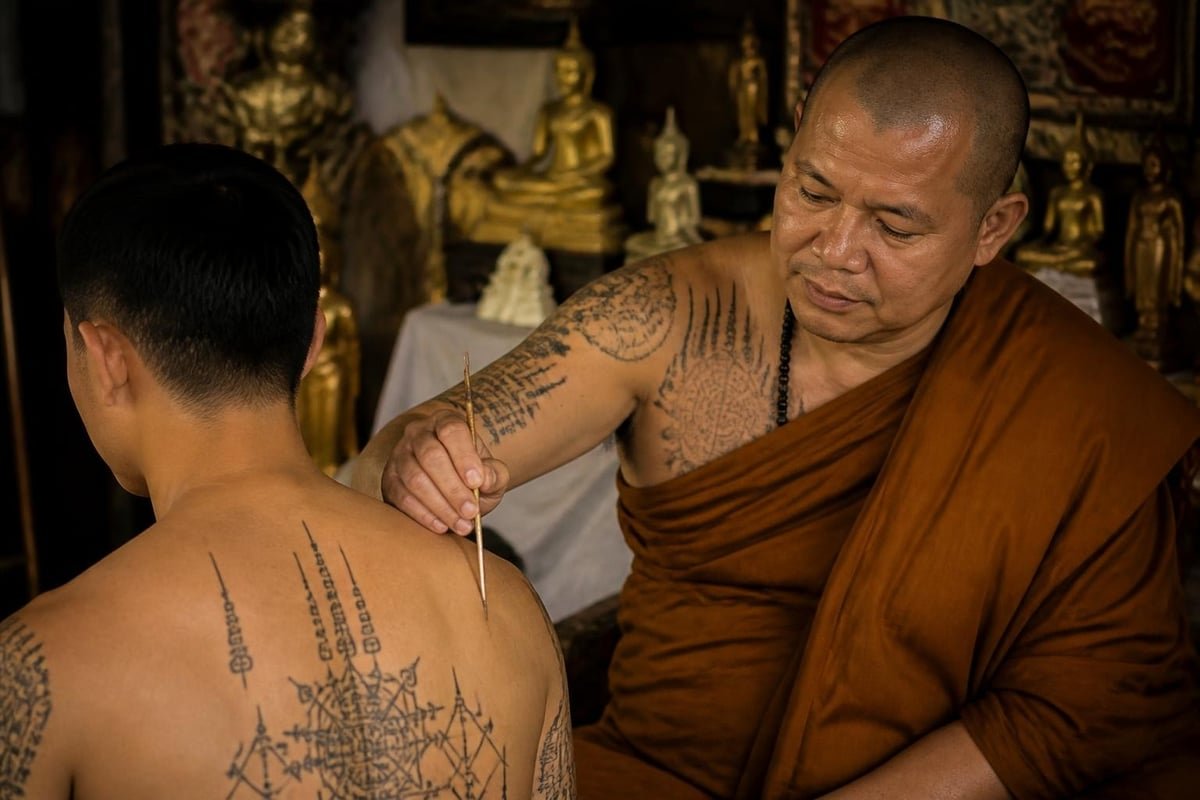
Sacred Sak Yant geometry and Buddhist principle
Popular Thai Tattoo Designs and Their Meanings
When considering a tattoo of Thailand, understanding the symbolism behind various designs helps ensure your chosen artwork aligns with your personal intentions and values. Thai tattoo culture offers a rich vocabulary of meaningful symbols, each with its own history and purpose.
Traditional Sak Yant Patterns
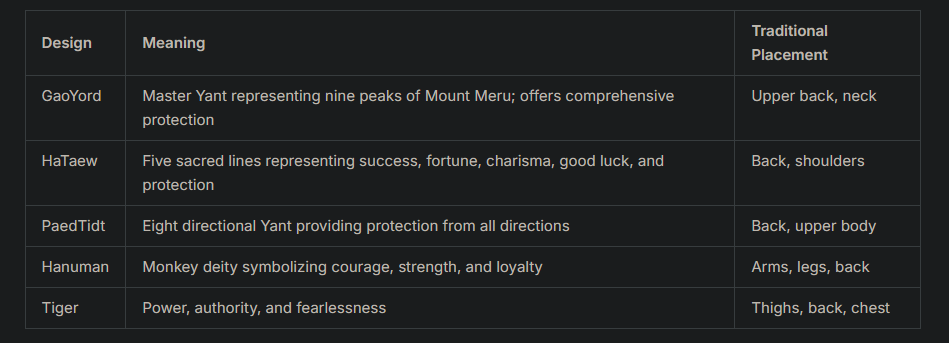
The meanings behind Sak Yant designs are deeply layered, often incorporating multiple levels of symbolism. A single tattoo might reference Buddhist scriptures, Hindu deities, animist beliefs, and protective magic simultaneously. This complexity makes working with knowledgeable artists essential for creating authentic Thai-inspired designs.
Contemporary Thai-Inspired Designs
Modern interpretations of a tattoo of Thailand expand beyond traditional Sak Yant while maintaining cultural respect and aesthetic excellence. Fine line lotus flowers, Buddha imagery, Thai script, elephants, and temple architecture all appear in contemporary Thai tattoo art. These designs can be executed in traditional bamboo stick-and-poke style or with modern tattoo machines, depending on client preference and the specific studio's capabilities.
Exploring different tattoo styles allows you to find the perfect balance between traditional Thai elements and contemporary artistic approaches. Many luxury studios in Bangkok specialize in merging these worlds, creating tattoos that honor Thai cultural heritage while meeting modern standards of precision and detail.
The Traditional Bamboo Tattoo Method
The authentic bamboo tattoo technique, known as "sak," involves hand-tapping ink into the skin using a long bamboo pole with a needle cluster at the tip. This method predates modern tattoo machines by millennia and remains the preferred approach for receiving sacred Sak Yant tattoos from traditional masters.
Process and Experience
Preparation: Recipients typically bring offerings such as flowers, incense, and candles to show respect to the master
Blessing: The ajarn or monk may perform a blessing ceremony before beginning the tattoo
Application: The master rhythmically taps the bamboo pole, depositing ink with each strike
Chanting: Sacred mantras or prayers often accompany the tattooing process
Completion: A final blessing activates the tattoo's spiritual properties
Many practitioners believe that bamboo tattooing causes less skin trauma than machine tattoos, potentially leading to faster healing times. The history of Sak Yant techniques reveals an unbroken lineage of knowledge passed from master to student over countless generations, preserving both the technical skill and spiritual understanding required for authentic work.
Modern Thai Tattoo Studios in Bangkok
While traditional temple and ajarn settings continue to offer sacred Sak Yant experiences, Bangkok has witnessed the rise of luxury tattoo studios that bring Thai artistry into contemporary contexts. These establishments combine respect for cultural traditions with modern hygiene standards, comfortable environments, and artistic versatility.
What to Expect in a Luxury Setting
Bangkok's premier tattoo studios offer experiences that differ significantly from traditional temple tattoos. Air-conditioned spaces, sterilized equipment, private consultation rooms, and professional aftercare guidance characterize these modern establishments. Artists in luxury studios often have training in both traditional Thai designs and contemporary international styles, enabling them to create fusion pieces that honor Thai heritage while incorporating elements like fine line work, shading techniques, and color theory.
Understanding what happens during a professional tattoo session helps first-time clients feel prepared and comfortable. Luxury studios prioritize client comfort and satisfaction, offering consultations to discuss design preferences, placement options, and expected outcomes before beginning any permanent work.
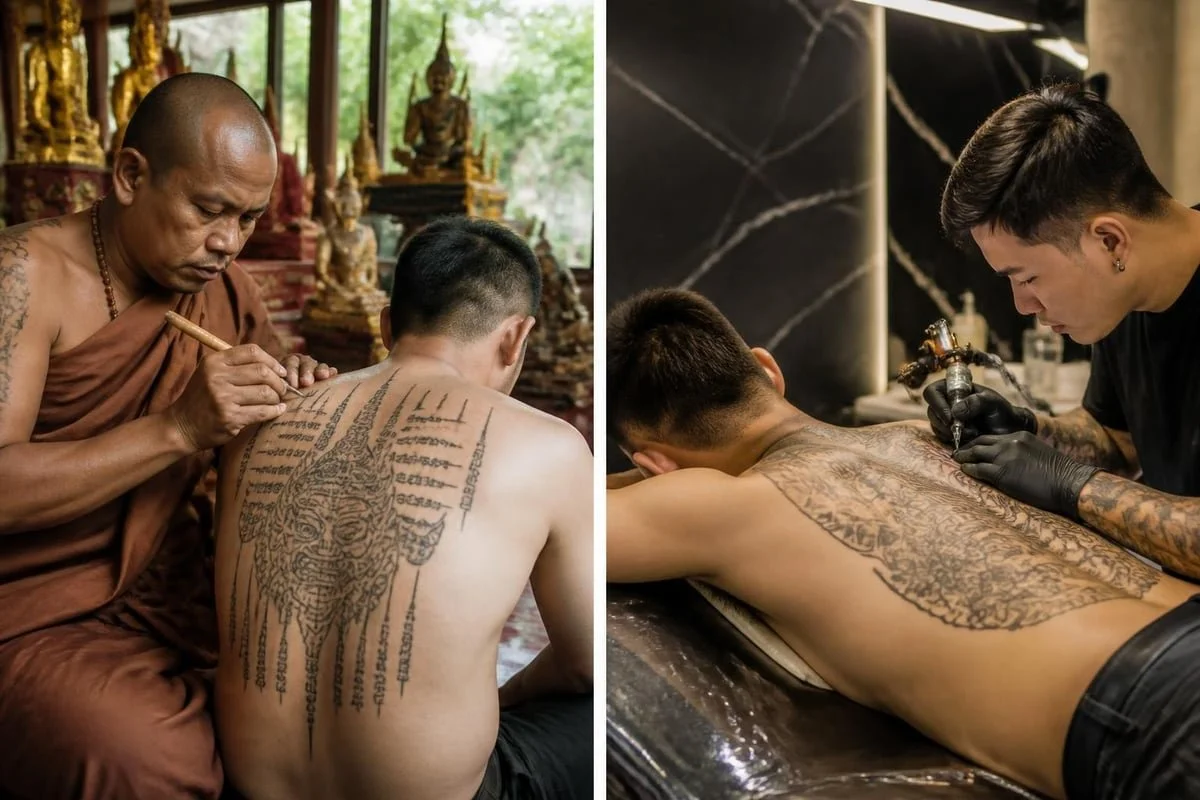
Traditional versus contemporary Thai tattoo approaches
Choosing the Right Artist for Your Thai Tattoo
Selecting an appropriate artist for your tattoo of Thailand requires careful consideration of multiple factors beyond simply finding appealing portfolio images. The best artists combine technical skill, cultural knowledge, and professional standards that ensure both beautiful results and safe practices.
Key Considerations
Cultural Expertise: For authentic Thai designs, seek artists who demonstrate genuine understanding of the cultural and spiritual significance behind traditional motifs. This knowledge prevents cultural appropriation and ensures your tattoo accurately represents its intended meaning. Some important considerations when choosing a tattoo artist include their experience with specific styles and their ability to explain symbolism in depth.
Technical Proficiency: Examine portfolio work carefully, looking for clean lines, consistent shading, and well-executed detail work. Thai designs often feature intricate geometric patterns and fine script that demand exceptional precision. Artists specializing in fine line work typically excel at rendering the delicate elements common in Thai tattoo art.
Studio Standards: Professional studios maintain rigorous hygiene protocols, use single-use needles, and follow proper sterilization procedures for reusable equipment. Choosing the right tattoo studio involves verifying these safety measures before committing to any work.
Communication: Effective collaboration between artist and client produces the best results. Your chosen artist should listen carefully to your vision, offer expert guidance, and clearly explain the tattooing process, aftercare requirements, and realistic expectations.
Placement Considerations for Thai Designs
Traditional Thai tattoo culture includes specific beliefs about appropriate body placement for different designs. While modern interpretations offer more flexibility, understanding these traditional perspectives adds depth to your decision-making process.
Traditional Placement Guidelines
In traditional Sak Yant culture, certain body areas are considered more sacred than others. The upper body, particularly the back and shoulders, represents higher spiritual planes and typically receives protective or empowering designs. Lower body placement might be reserved for different types of yantras or avoided entirely for certain sacred symbols. The head is considered the most sacred part of the body, making it an inappropriate location for foot-related imagery or designs meant to be walked upon.
Modern practitioners adapt these guidelines based on personal beliefs and artistic vision. Selecting the perfect tattoo placement involves balancing traditional considerations, aesthetic preferences, and practical factors like visibility and pain tolerance.
Color Versus Black and Grey in Thai Tattoos
Traditional Sak Yant tattoos are almost exclusively rendered in black ink, emphasizing the sacred geometry and script without color distraction. However, contemporary Thai-inspired designs increasingly incorporate color elements, particularly when depicting traditional imagery like lotus flowers, Buddhist iconography, or Thai temple architecture.
Making the Color Decision
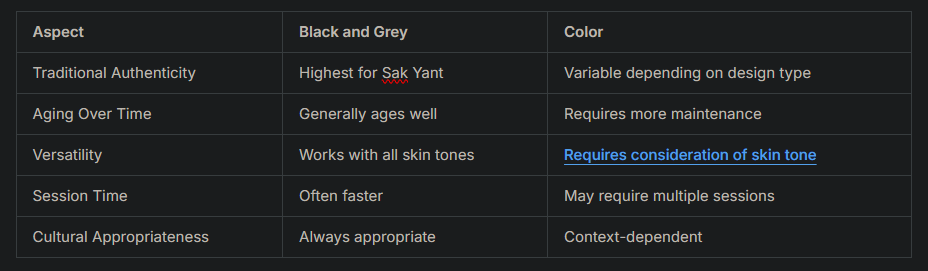
Choosing the best colors for your tattoo depends on your specific design, skin tone, and personal aesthetic preferences. Experienced artists can guide you through these decisions, showing examples of how different color palettes age on skin over time.
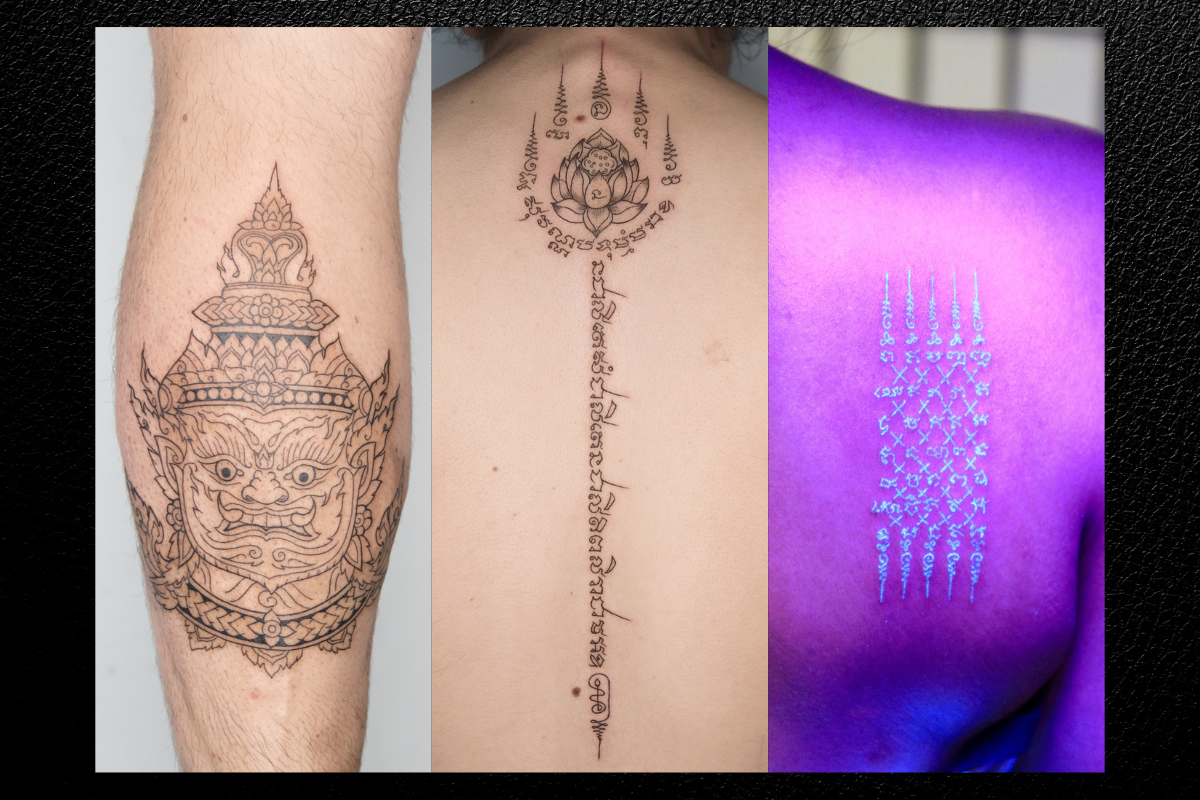
Thai tattoo design options and customization
Respecting Thai Cultural Traditions
Receiving a tattoo of Thailand comes with cultural responsibilities that extend beyond the tattoo session itself. Understanding and respecting Thai cultural values ensures your tattoo honors rather than appropriates this rich tradition.
Cultural Sensitivity Guidelines
Buddha imagery requires particular care and respect. In Thai culture, Buddha representations are sacred religious symbols, not decorative art. Placing Buddha tattoos on lower body parts, particularly below the waist, is considered deeply disrespectful. Many traditional Thai artists will refuse such requests, and travelers with Buddha tattoos on legs or feet have occasionally faced legal consequences when visiting Buddhist countries.
The sacred geometry and Buddhist elements in Sak Yant designs demand similar respect. If you choose to receive traditional Sak Yant, understanding the associated behavioral guidelines helps maintain the tattoo's spiritual integrity. Even if you don't personally follow these precepts, awareness demonstrates cultural respect.
Research designs thoroughly before committing to them permanently. Some symbols that might appear merely decorative actually carry specific spiritual meanings or require initiation rites for proper activation. Working with culturally knowledgeable artists helps navigate these considerations appropriately.
Aftercare for Thai-Style Tattoos
Whether you receive your tattoo of Thailand using traditional bamboo methods or modern machines, proper aftercare ensures optimal healing and long-term appearance. While basic aftercare principles remain consistent across tattoo styles, some traditional practitioners offer specific guidelines rooted in Thai cultural practices.
Essential Aftercare Steps
Keep the tattoo clean: Gently wash with mild, fragrance-free soap and lukewarm water
Apply appropriate moisturizer: Use recommended ointments or lotions sparingly
Avoid sun exposure: Direct sunlight can fade ink and damage healing skin
Don't pick or scratch: Allow scabs to fall off naturally
Wear loose clothing: Prevent friction against the fresh tattoo
Avoid swimming: Stay out of pools, oceans, and hot tubs during initial healing
Understanding tattoo aftercare essentials helps prevent complications and ensures your investment heals beautifully. Some traditional Sak Yant masters provide specific blessing oils or herbal preparations for aftercare, combining practical healing support with spiritual elements.
Combining Thai Elements with Other Tattoo Styles
Contemporary tattoo artists increasingly create fusion designs that incorporate Thai elements alongside other cultural motifs or modern artistic styles. This approach allows for personalized tattoos that honor Thai traditions while expressing individual creativity and aesthetic preferences.
Successful Fusion Approaches
Fine Line Integration: Thai geometric patterns and script translate beautifully into fine line tattooing, a style characterized by delicate, precise linework. This combination maintains the intricate detail of traditional designs while utilizing modern technical approaches that appeal to contemporary sensibilities.
Realism Blending: Realistic portraits of Buddha, monks, or Thai temple architecture can be combined with traditional Sak Yant patterns, creating depth and visual interest. Understanding symbolism behind tattoo designs helps ensure these combinations remain culturally coherent rather than merely decorative.
Minimalist Interpretations: Simplified versions of complex Sak Yant patterns appeal to those seeking subtle Thai-inspired tattoos. These minimalist approaches capture the essence of traditional designs while adapting them to contemporary aesthetic preferences.
The Role of Intention in Thai Tattoo Culture
Unlike purely decorative Western tattoo traditions, a tattoo of Thailand traditionally emphasizes intention and purpose over aesthetics alone. This philosophical difference shapes how Thai tattoo masters approach their craft and how recipients should consider their designs.
Setting Your Intention
Before receiving a traditional Sak Yant, practitioners typically reflect on their intentions, goals, and the qualities they wish to cultivate. This meditation becomes part of the tattoo's spiritual foundation. Even in modern luxury studio settings, thoughtful consideration of your tattoo's meaning creates a more personally significant experience.
Common intentions for Thai tattoos include:
Protection from harm or negative energy
Enhancing personal courage and strength
Attracting prosperity and success
Developing compassion and wisdom
Honoring spiritual practice or beliefs
Commemorating transformative life experiences
Exploring unusual tattoo ideas might lead you to discover lesser-known Thai symbols that align perfectly with your personal intentions. Experienced artists can help identify appropriate designs that resonate with your goals while maintaining cultural authenticity.
Tourism and Thai Tattoo Culture
Thailand's reputation for exceptional tattooing has made Bangkok a global destination for tattoo tourism. International visitors seek both traditional temple experiences and luxury studio services, contributing significantly to Thailand's creative economy while raising questions about cultural preservation and commercialization.
Navigating Tattoo Tourism Responsibly
Responsible tattoo tourism involves researching artists thoroughly, understanding cultural context, and avoiding exploitative practices. Some high-traffic temple locations have become somewhat commercialized, with rushed procedures that may not maintain traditional standards. Conversely, reputable studios that specialize in traditional Thai tattoos often provide more thorough consultations and clearer explanations of cultural significance.
Price should never be the primary decision factor when selecting where to receive your tattoo of Thailand. Quality work requires time, skill, and proper materials. Extremely low prices often indicate compromised hygiene standards, inexperienced artists, or rushed procedures that produce inferior results.
Women and Thai Tattoo Culture
Traditional Thai Buddhist practices include restrictions on physical contact between monks and women, which historically limited women's access to temple-based Sak Yant tattoos. However, female ajarn (non-monastic masters) have long provided sacred tattoos to women, and modern luxury studios serve all clients regardless of gender.
Contemporary Access and Considerations
Today's Thai tattoo culture offers women full access to both traditional and contemporary designs. Some traditional practitioners maintain separation practices out of religious observance, directing female clients to female masters or lay practitioners rather than monks. Modern studios operate without these restrictions, providing identical services to all clients.
Preparing for your first tattoo session involves understanding any cultural practices that might affect your experience, particularly if seeking traditional temple-based Sak Yant. Luxury studios eliminate these considerations while maintaining respect for Thai artistic traditions.
Legal and Ethical Considerations
Receiving a tattoo of Thailand involves navigating certain legal and ethical considerations that protect both cultural heritage and individual rights. Understanding these factors helps ensure your tattoo experience remains positive and respectful.
Key Legal Points
Thailand maintains laws protecting religious imagery and symbols. Disrespectful use of Buddha images can result in legal consequences, including fines or deportation for foreign visitors. These laws primarily target commercial exploitation or deliberately offensive displays, but awareness helps avoid unintentional violations.
Intellectual property concerns arise when traditional designs are commercialized without proper attribution or benefit to source communities. Ethical artists maintain connections with Thai cultural traditions, often studying under traditional masters and contributing to cultural preservation efforts rather than simply copying designs for commercial gain.
Documentation and portfolio photography typically require client consent. Professional studios maintain clear policies about image use, respecting client privacy while showcasing their artistic work.