Tattoos and Sun: Protection Guide for Vibrant Ink
The relationship between tattoos and sun exposure represents one of the most critical aspects of long-term tattoo care that many enthusiasts overlook. Whether you've just walked out of a luxury tattoo studio with fresh ink or you're protecting years-old artwork, understanding how ultraviolet radiation affects your tattoo can mean the difference between vibrant, lasting art and faded, damaged designs. Bangkok's tropical climate presents unique challenges for tattoo preservation, making sun protection not just recommended but essential for maintaining the quality and appearance of your investment in body art.
Understanding How UV Radiation Affects Tattoo Pigments
Ultraviolet radiation poses a significant threat to tattoo longevity and appearance. When UV rays penetrate the skin, they interact directly with the tattoo pigment molecules embedded in the dermal layer, causing a process known as photodegradation. This chemical reaction breaks down the color compounds, leading to visible fading and color shifts over time.
The science behind this deterioration is straightforward yet concerning. UVA rays penetrate deeply into the skin, reaching the dermis where tattoo ink resides, while UVB rays primarily affect the epidermis but contribute to overall skin damage. Both types of radiation accelerate the breakdown of pigment particles, with certain colors proving more vulnerable than others.
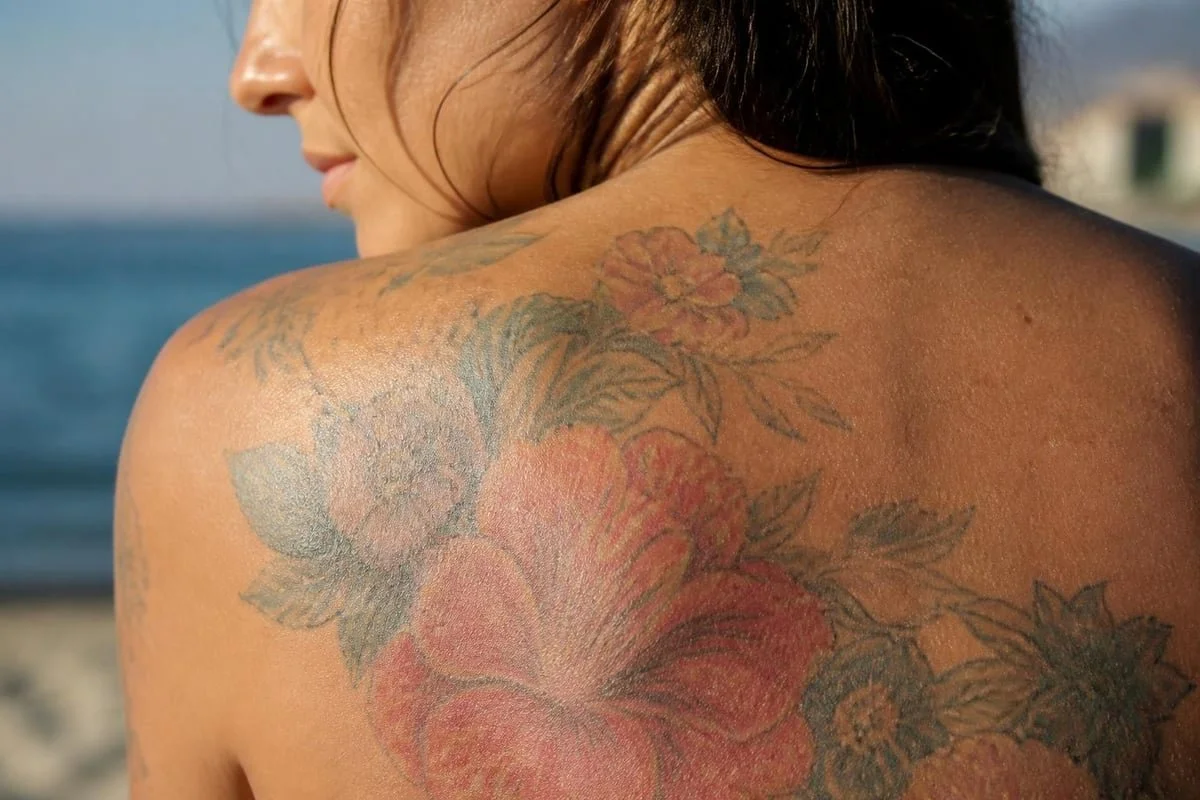
UV radiation impact on tattoo ink
Research published in dermatology journals demonstrates that sun tattoos and photodamage present emerging public health concerns requiring greater awareness among tattoo enthusiasts. The effects extend beyond simple fading to include changes in skin texture, increased risk of premature aging, and potential complications in previously healed tattoos.
Color Vulnerability Rankings
Different tattoo colors respond to sun exposure with varying degrees of resistance:
Most vulnerable: Yellow, orange, and light colors fade fastest under UV exposure
Moderately vulnerable: Red, pink, and purple hues show significant deterioration over time
More resistant: Black and dark blue inks demonstrate better longevity but still require protection
Variable response: Green colors may shift in tone rather than simply fading
Understanding these vulnerabilities helps inform both design choices and protection strategies, especially for those investing in fine line and detailed designs where color precision matters significantly.
Critical Protection During the Healing Phase
The relationship between tattoos and sun becomes particularly crucial during the initial healing period, which typically spans two to four weeks. Fresh tattoos represent open wounds, making the skin extraordinarily vulnerable to UV damage, infection, and complications that can permanently affect the final appearance.
During this critical phase, complete sun avoidance is non-negotiable. Exposing new tattoos to direct sunlight can result in:
Severe sunburn on already compromised skin
Ink displacement as the healing process is disrupted
Color loss through premature scabbing and peeling
Scarring that permanently alters the tattoo's appearance
Infection risks as UV exposure weakens the skin's protective barriers
Many clients at luxury studios underestimate the importance of this protection phase. What happens during your tattoo session sets the foundation, but proper aftercare determines the final result. Professional artists emphasize that the first month represents the most critical period for establishing how your tattoo will look for decades to come.
Practical Protection Strategies for Fresh Ink
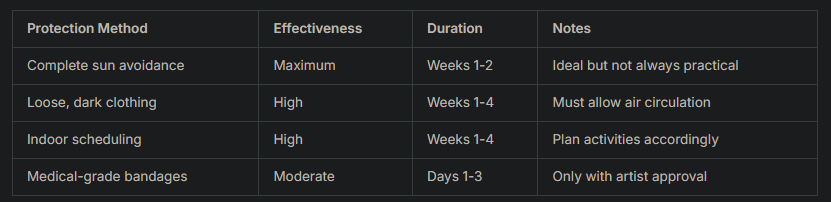
For individuals living in tropical climates like Bangkok, scheduling tattoo appointments during periods when outdoor exposure can be minimized becomes strategically important. Consider your first tattoo session timing relative to upcoming vacations, beach trips, or outdoor events.
Sunscreen Selection and Application for Healed Tattoos
Once your tattoo has fully healed, typically after four weeks, sunscreen becomes your primary defense against UV-related fading. However, not all sunscreens provide equal protection for tattooed skin. Understanding how to protect tattoos from the sun requires selecting products specifically formulated for maximum effectiveness.
Mineral versus Chemical Sunscreens
The debate between mineral and chemical sunscreens holds particular significance for tattoo protection. Mineral sunscreens containing zinc oxide or titanium dioxide create a physical barrier that reflects UV rays away from the skin. These formulations generally provide more reliable broad-spectrum protection without potentially irritating ingredients.
Chemical sunscreens work by absorbing UV radiation and converting it to heat. While effective, some formulations may interact unpredictably with certain tattoo inks over prolonged use, though scientific evidence remains limited on this front.
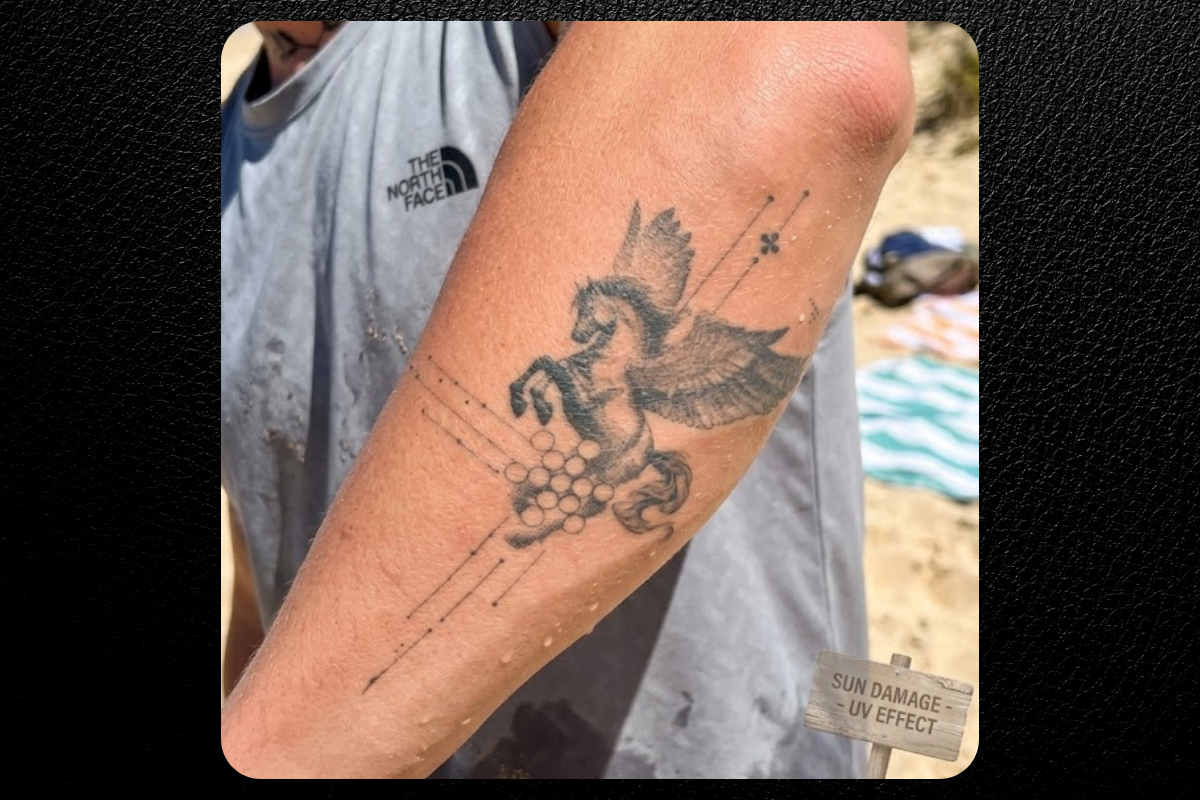
Sunscreen comparison for tattoos
Essential Sunscreen Specifications
SPF 50 or higher for optimal protection
Broad-spectrum coverage protecting against both UVA and UVB rays
Water-resistant formulation lasting at least 80 minutes
Reef-safe ingredients for environmental responsibility
Non-comedogenic properties preventing pore blockage
Application technique matters as much as product selection. Experts recommend applying sunscreen 15-30 minutes before sun exposure, using approximately one ounce (enough to fill a shot glass) for full-body coverage. Reapplication every two hours, or immediately after swimming or excessive sweating, maintains protective effectiveness throughout the day.
Long-Term Maintenance and Prevention Strategies
Protecting tattoos and sun exposure extends far beyond the healing phase and daily sunscreen application. Developing comprehensive prevention strategies ensures your tattoo maintains its artistic integrity for decades. Professional tattoo preservation requires consistency, awareness, and proactive measures that become ingrained habits.
Bangkok's climate presents year-round UV exposure risks, with the tropical sun maintaining intensity even on cloudy days. Many individuals mistakenly believe overcast conditions eliminate UV radiation, but up to 80 percent of UV rays penetrate cloud cover. This persistent exposure demands constant vigilance for those committed to tattoo preservation.
Clothing as Primary Defense
Strategic wardrobe choices provide reliable protection that supplements sunscreen applications. UPF-rated clothing specifically designed for sun protection offers measurable defense against UV radiation:
UPF 50+ fabrics block approximately 98 percent of UV rays
Dark, tightly woven materials provide superior protection over light, loose weaves
Long sleeves and full-coverage garments protect larger tattoo pieces effectively
Modern moisture-wicking fabrics combine comfort with protection in tropical climates
Those with tattoo placement on frequently exposed areas should invest in high-quality sun-protective clothing as a primary defense strategy rather than relying solely on topical products.
Timing Outdoor Activities Strategically
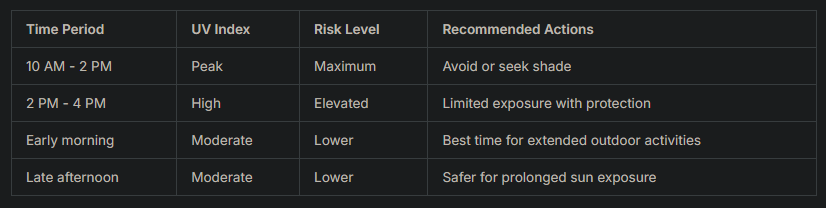
Understanding UV index patterns enables strategic planning of outdoor activities around periods of lower radiation intensity. This proactive approach reduces cumulative UV exposure without requiring complete lifestyle alterations.
Special Considerations for Different Tattoo Styles
The relationship between tattoos and sun varies significantly based on artistic style, ink density, and design complexity. Fine line tattoos, which have become increasingly popular at luxury studios, require particular attention due to their delicate nature and lighter ink application compared to traditional bold designs.
Fine Line and Delicate Work
Fine line tattoos present unique vulnerability to sun damage. The precision and subtlety that make these designs aesthetically appealing also make them more susceptible to fading. Thin lines contain less ink volume, meaning UV degradation becomes visible more quickly than in heavily saturated designs.
Clients investing in microrealism tattoos or detailed portraiture should understand that sun protection directly correlates with the longevity of fine details and subtle shading. A comprehensive guide on protecting tattoos from sun damage emphasizes that intricate designs require more diligent care than simpler, bolder pieces.
Color-Specific Protection Requirements
Watercolor tattoos: Require maximum protection due to lighter pigment application and subtle color gradients
Black and gray work: More forgiving but still benefits from consistent sun protection
Traditional bold designs: Greater ink density provides some inherent resistance but not immunity
White ink accents: Extremely vulnerable and may yellow or disappear with UV exposure
Those considering unusual tattoo ideas incorporating multiple colors or experimental techniques should discuss sun protection requirements with their artist during the consultation phase.
Addressing Sun Damage and Restoration Options
Despite best intentions, some tattoos inevitably experience sun damage through accumulated exposure over years or unexpected incidents. Recognizing the signs of UV damage early enables intervention before deterioration becomes irreversible. Understanding whether tattoos can get sunburned helps distinguish between temporary inflammation and permanent damage.
Identifying Sun Damage Symptoms
Noticeable fading of color vibrancy and intensity
Blurring of previously sharp lines and edges
Color shifting, particularly in reds, purples, and yellows
Uneven fading creating patchy appearance
Loss of detail in intricate shading or fine line work
When sun damage becomes apparent, several restoration approaches exist. Touch-up sessions with qualified artists can restore faded colors and reinforce weakened lines, though prevention remains far more effective and economical than correction. Choosing the right tattoo artist for restoration work requires seeking professionals experienced in color matching and working with existing tattoos.
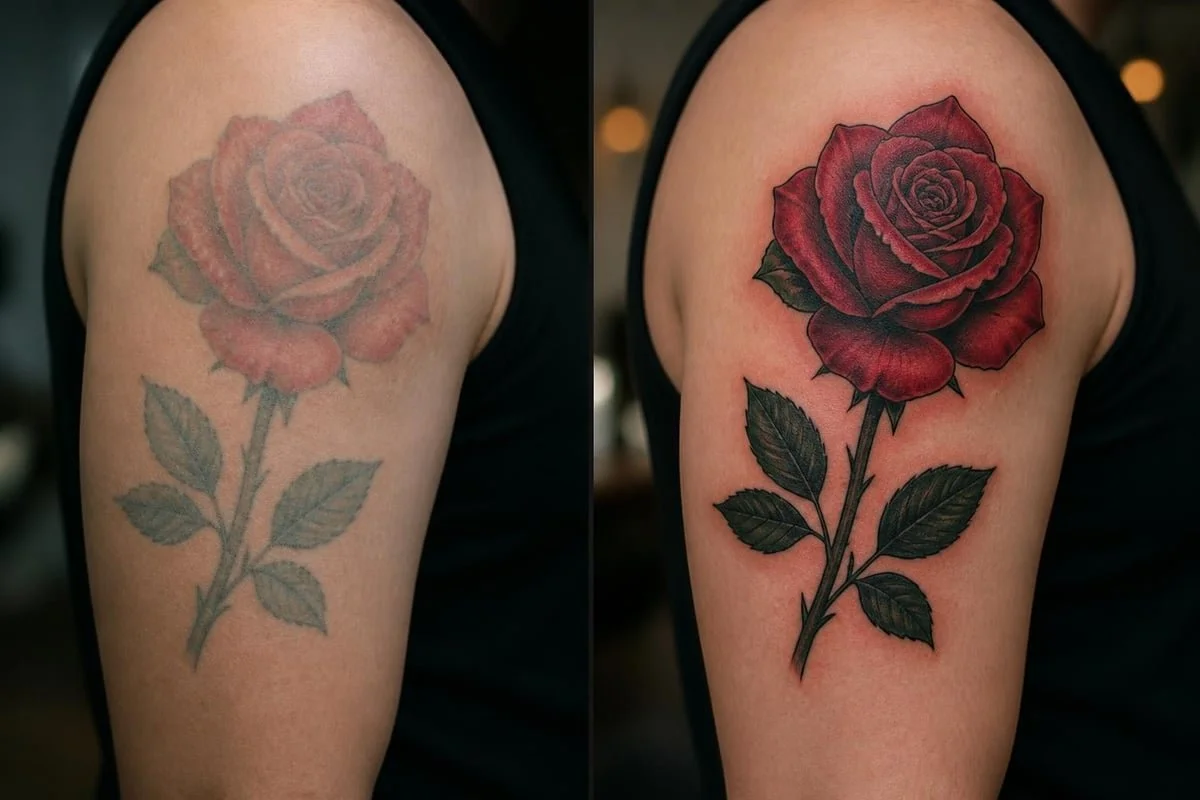
Tattoo restoration process
Prevention Versus Correction Economics
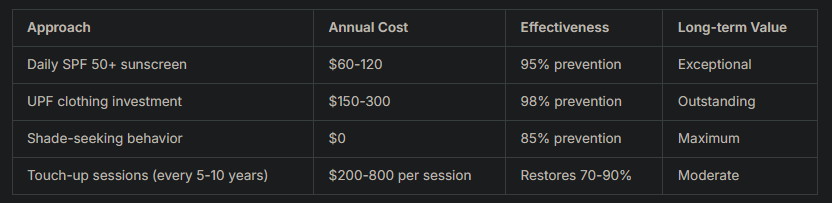
The economics clearly favor prevention over correction. Investing in proper protection products and developing sun-aware habits costs significantly less than periodic restoration work while maintaining original artistic integrity.
Advanced Protection for High-Exposure Scenarios
Certain lifestyle factors and geographical locations create elevated sun exposure risks that demand advanced protection strategies. Beach vacations, outdoor sports, tropical climates, and occupations requiring extended outdoor time all intensify the relationship between tattoos and sun exposure. Practical sun protection strategies should scale with exposure intensity.
Beach and Water Activity Protocols
Water environments present compounded challenges. Water reflects UV radiation, effectively doubling exposure intensity. Saltwater and chlorine may also compromise sunscreen effectiveness, requiring more frequent reapplication than typical recommendations suggest.
For beach or pool situations:
Apply waterproof SPF 50+ sunscreen 30 minutes before water exposure
Reapply immediately upon exiting water
Consider UV-protective rash guards or swim shirts for extended sessions
Seek shade during peak UV hours (10 AM - 2 PM)
Use beach umbrellas rated for UV protection, not just rain coverage
Athletes and outdoor enthusiasts with visible tattoos should integrate protection into their training routines. Understanding proper tattoo aftercare essentials includes recognizing that active lifestyles require adapted protection strategies.
Tropical Climate Adaptations
Bangkok residents and visitors face year-round high UV indexes averaging 11-12 during peak hours, classified as "extreme" by international standards. This persistent exposure demands lifestyle adaptations:
Morning or evening scheduling for outdoor exercise and recreation
Indoor training alternatives during peak UV periods
Professional-grade sun protection products designed for tropical conditions
Regular skin and tattoo condition assessments
Strategic wardrobe planning incorporating UPF-rated garments
Those exploring traditional Thai tattoos or other culturally significant designs should understand that preserving these meaningful pieces requires commitment to protection protocols suited to Thailand's climate realities.
Seasonal Variations and Year-Round Vigilance
While tropical climates maintain relatively consistent UV levels year-round, temperate regions experience seasonal variations that influence protection requirements. However, the fundamental principle remains constant: UV radiation poses risks to tattoos during all seasons, including winter months when many individuals become complacent about sun protection.
Winter Sun Protection Myths
Common misconceptions about reduced winter UV exposure lead to preventable tattoo damage. Snow reflects up to 80 percent of UV radiation, creating exposure levels comparable to summer beach conditions. High-altitude winter activities compound this reflection effect. Additionally, winter sun positioned lower on the horizon may strike exposed skin at more direct angles during midday hours.
Maintaining protection vigilance throughout the year ensures consistent tattoo preservation. Easier tattoo healing tips emphasize that aftercare principles extend beyond the initial healing phase into lifelong maintenance practices.
Monthly Protection Checklist
Assess sunscreen inventory and replace expired products
Inspect tattoos for signs of fading or damage
Review upcoming outdoor events requiring enhanced protection
Update UPF clothing as needed for seasonal activities
Schedule touch-up consultations if deterioration is noted
Maintain consistent application habits regardless of season
This systematic approach transforms sun protection from sporadic effort into sustainable routine, ensuring tattoos maintain their intended appearance across decades.