Tattoo Dark: Safety, Style, and Care Guide 2026
Dark tattoos have captivated body art enthusiasts for centuries, representing timeless elegance, bold statements, and intricate artistry. Whether you're considering a blackwork sleeve, fine line dark design, or traditional black-and-grey piece, understanding the science, safety, and styling considerations behind tattoo dark applications ensures both beautiful results and long-term skin health. As tattoo pigment technology evolves and regulatory standards tighten in 2026, informed clients can make confident decisions about their permanent artwork while partnering with skilled artists who prioritize quality and safety.
Understanding Dark Tattoo Pigments and Composition
Dark tattoos rely primarily on black, charcoal, navy, and deep grey pigments to create depth, contrast, and visual impact. The chemical composition of these pigments has evolved significantly over recent decades, moving from traditional carbon-based formulations to sophisticated synthetic compounds designed for enhanced safety and longevity.
Traditional Carbon Black Versus Modern Formulations
Carbon black remains the most common base for tattoo dark applications, derived from incomplete combustion of petroleum products or organic materials. This pigment offers exceptional opacity and permanence, creating the rich, saturated blacks that define many classic tattoo styles.
Modern formulations, however, incorporate additional compounds to improve consistency, sterility, and performance. A comprehensive review of tattoo ink colourants reveals that contemporary dark inks may contain various additives including dispersing agents, preservatives, and binding compounds that affect how pigment integrates with skin tissue.

Dark tattoo pigment chemistry
Regulatory Standards and Safety Compliance
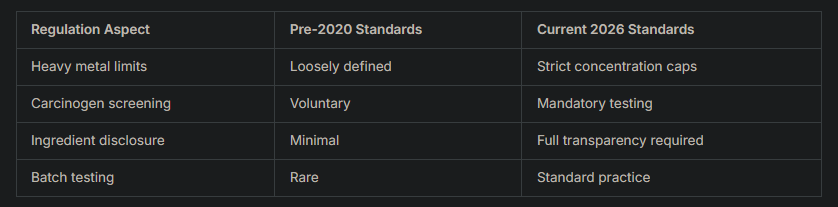
The tattoo industry has experienced unprecedented regulatory oversight in recent years, particularly regarding dark pigment safety. EU Regulation 2020/2081 restricts thousands of hazardous substances in tattoo inks, including specific compounds previously used in dark pigment formulations.
Professional studios now verify that all pigments meet stringent safety standards, ensuring clients receive tattoo dark applications free from banned carcinogens, heavy metals, and toxic compounds. This regulatory framework protects consumers while elevating industry standards globally.
Health Considerations for Dark Tattoo Applications
While tattoo dark designs offer stunning aesthetic possibilities, understanding potential health implications ensures informed decision-making and proper aftercare protocols. Recent research has illuminated specific considerations related to dark pigment interactions with skin tissue.
Pigment Degradation and Photolysis
Dark tattoo pigments undergo gradual degradation through multiple mechanisms including UV exposure, metabolic processes, and laser treatment. A systematic review of pigment degradation demonstrates that photolysis of dark pigments can produce aromatic amines and other breakdown products requiring careful monitoring.
Understanding these processes helps clients make informed decisions about:
Sun protection protocols for tattooed areas
Placement considerations based on typical UV exposure
Long-term maintenance strategies for preserving tattoo dark integrity
Touch-up scheduling to maintain optimal appearance
Monitoring for Adverse Reactions
While most individuals tolerate dark tattoo pigments without complications, vigilant monitoring ensures early detection of potential issues. Research examining melanoma arising in tattoos indicates slightly elevated detection in darkly-pigmented tattoos, emphasizing the importance of regular skin examinations.
Clients receiving tattoo dark work should establish baseline documentation and maintain awareness of any changes in tattooed tissue including texture variations, color shifts, or unusual sensations. When choosing the right tattoo studio, prioritize facilities that provide comprehensive aftercare guidance and maintain open communication channels for post-session concerns.
Aesthetic Applications and Design Possibilities
Dark tattoos encompass extraordinary stylistic diversity, from minimalist fine line work to bold traditional designs. Understanding how tattoo dark techniques translate across different artistic approaches helps clients envision possibilities for their unique artwork.
Fine Line Dark Work
Fine line tattooing represents one of the most technically demanding applications of dark pigment, requiring exceptional precision and artistic skill. These delicate designs utilize single-needle or small grouping techniques to create intricate patterns, elegant script, or detailed botanical illustrations.
The appeal of fine line tattoo dark designs includes:
Sophisticated, understated aesthetic suitable for professional environments
Exceptional detail capacity for complex imagery
Versatile placement options including wrists, fingers, and behind ears
Minimal healing time compared to larger, heavily saturated pieces
When exploring different tattoo styles, fine line dark work offers timeless elegance that complements various personal aesthetics while maintaining professional versatility.
Blackwork and Tribal Styles
Blackwork represents bold, high-contrast tattoo dark applications featuring solid fills, geometric patterns, and dramatic negative space. This style creates powerful visual impact through strategic pigment placement and careful consideration of skin tone interaction.
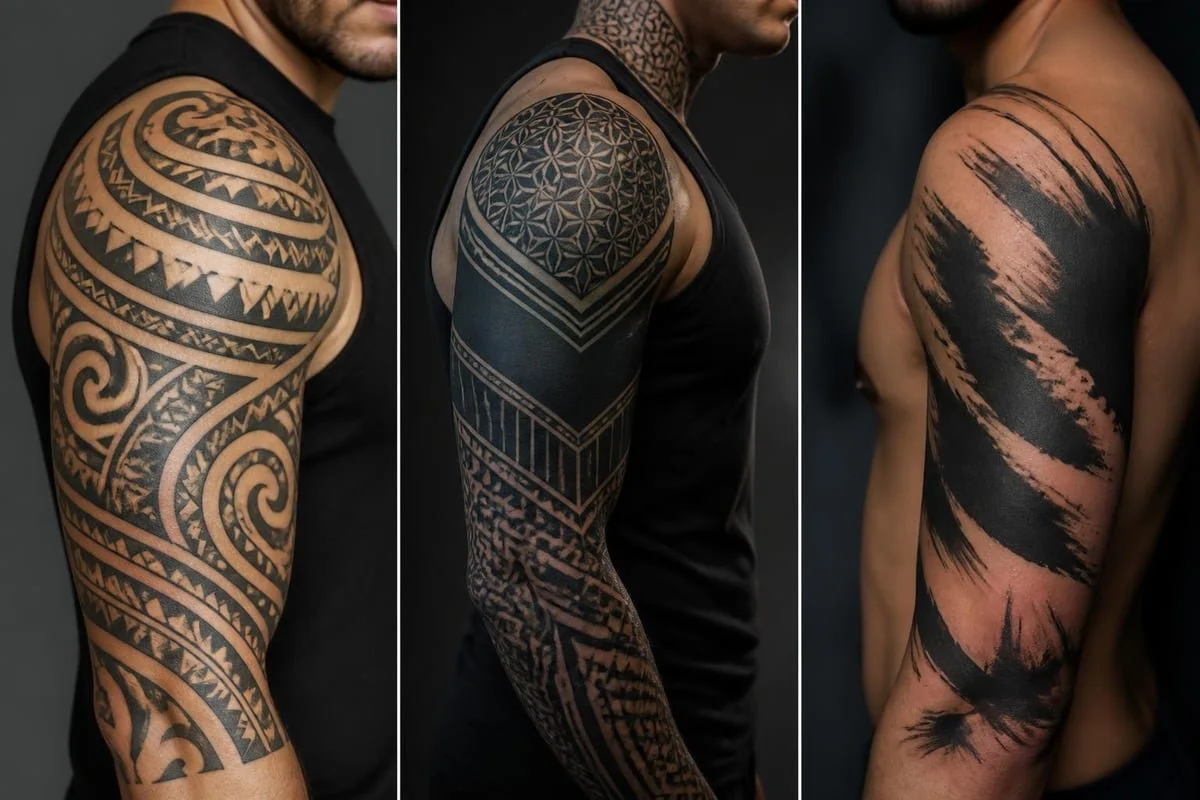
Blackwork tattoo techniques
Tribal designs rooted in cultural traditions utilize tattoo dark pigments to honor ancestral heritage while creating deeply personal symbolic artwork. For clients interested in culturally significant work, exploring traditional Thai tattoo history and meaning provides valuable context for respectful appropriation and authentic representation.
Black-and-Grey Realism
This technique employs diluted black ink to create photorealistic portraits, landscapes, and detailed imagery through subtle gradations and meticulous shading. Tattoo dark applications in realism require exceptional artistic skill to achieve lifelike depth and dimension.
The black-and-grey approach offers distinct advantages:
Timeless appearance that ages gracefully without color fading concerns
Universal skin tone compatibility as discussed in guides about tattoo colors for different skin tones
Enhanced detail preservation over decades compared to color work
Professional versatility suitable for visible placement
Placement Strategies for Dark Tattoo Designs
Strategic placement maximizes the visual impact and longevity of tattoo dark applications while considering lifestyle factors, professional requirements, and anatomical considerations.
High-Visibility Versus Concealed Locations
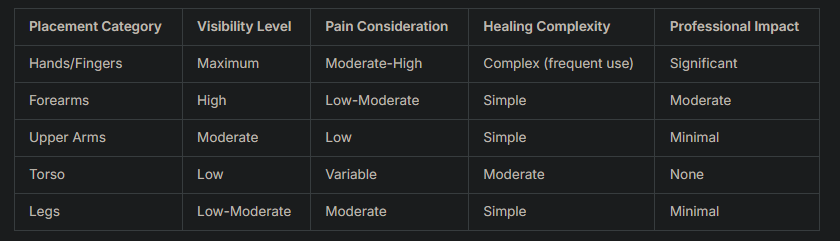
Dark tattoos on hands, neck, and face create bold statements but require careful consideration of professional implications and social contexts. These placements suit individuals in creative industries or those committed to visible body art as part of their identity.
Concealed locations including torso, upper thighs, and upper arms offer flexibility for professional environments while allowing personal expression. Understanding tattoo placement considerations helps align artistic vision with practical lifestyle requirements.
Anatomical Considerations for Dark Pigment
Certain body areas accept and display tattoo dark pigments differently based on skin thickness, sun exposure, and tissue composition. Areas with thinner skin may show slightly different healing characteristics compared to heavily muscled or adipose regions.
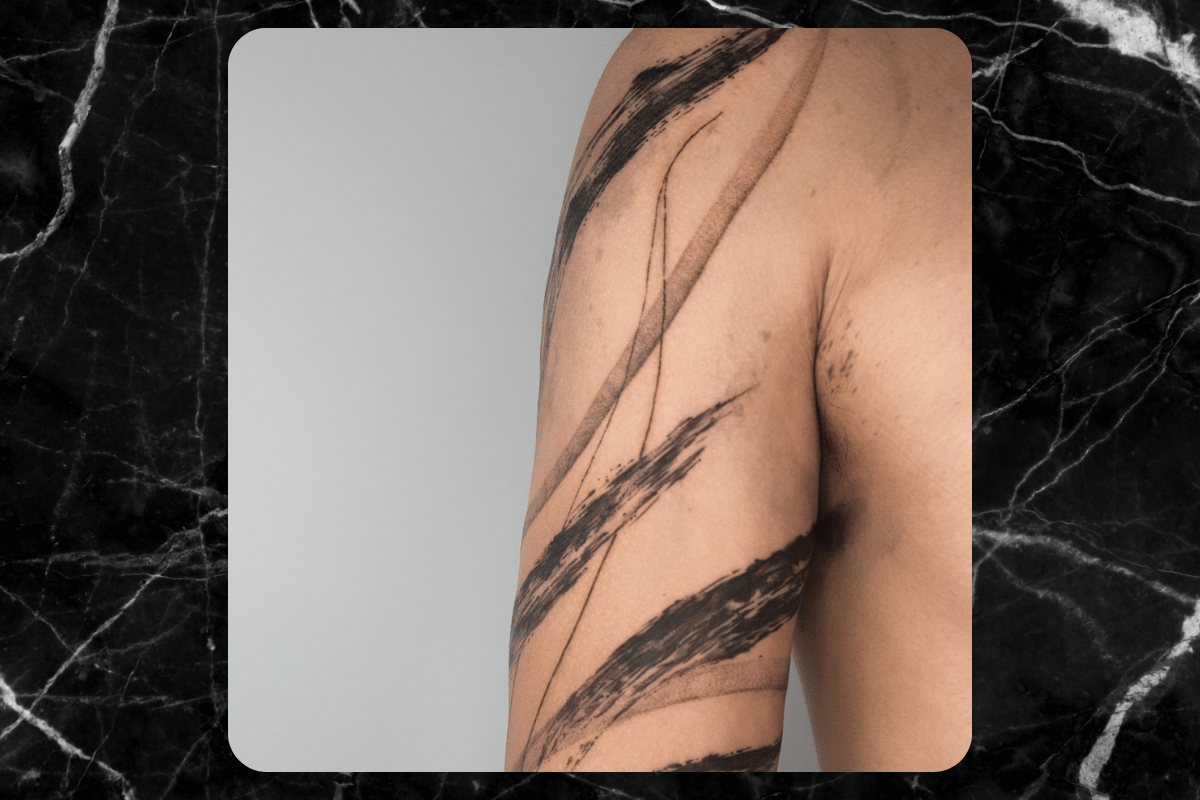
Tattoo placement anatomy
Professional artists assess individual anatomy during consultation to recommend optimal placement strategies that ensure beautiful, enduring results tailored to each client's unique physiology.
Preparation and Session Expectations
Proper preparation significantly influences tattoo dark session success, healing quality, and final appearance. Understanding what happens during professional sessions helps clients approach their appointments with confidence and realistic expectations.
Pre-Session Preparation
Optimal preparation for receiving tattoo dark work includes:
Hydration: Maintain excellent water intake for 48-72 hours before appointment
Skin care: Moisturize target area regularly leading up to session
Rest: Ensure adequate sleep the night before
Nutrition: Eat substantial meal 1-2 hours before appointment
Medication review: Avoid blood thinners including aspirin and ibuprofen
Learning about what to expect during your first tattoo session provides comprehensive preparation guidance for newcomers to the tattoo experience.
During the Tattoo Dark Session
Professional sessions follow structured protocols ensuring both artistic excellence and client comfort. The process typically includes:
Stencil application to position design precisely
Outline work establishing primary design structure
Shading and filling building depth and dimension
Detail refinement adding final touches and adjustments
Cleaning and bandaging protecting fresh artwork
Understanding the technical aspects explored in resources about what happens during tattoo sessions helps manage expectations and reduce appointment anxiety.
Aftercare Protocols for Dark Tattoo Healing
Proper aftercare directly impacts tattoo dark healing quality, color retention, and long-term appearance. Following professional protocols prevents complications while optimizing artistic results.
Initial Healing Phase (Days 1-14)
The first two weeks prove critical for establishing proper healing patterns. During this period, tattoo dark areas require gentle cleaning, appropriate moisturization, and protection from environmental stressors.
Essential aftercare steps include:
Washing with mild, fragrance-free soap 2-3 times daily
Applying thin layer of recommended healing ointment
Avoiding submersion in water (pools, hot tubs, baths)
Keeping tattoo dark areas away from direct sunlight
Wearing loose, breathable clothing over tattooed areas
Comprehensive guides on tattoo aftercare essentials provide detailed protocols for optimal healing outcomes.
Long-Term Maintenance Strategies
Beyond initial healing, maintaining tattoo dark vibrancy requires ongoing attention to sun protection, moisturization, and skin health. Studies examining chemical risks from tattoos emphasize how UV exposure accelerates pigment degradation, making consistent sunscreen application essential for preservation.
Long-term care recommendations:
Apply broad-spectrum SPF 30+ sunscreen to all tattooed areas
Maintain overall skin hydration through quality moisturizers
Schedule periodic touch-ups to refresh faded areas
Monitor for any unusual changes in texture or appearance
Avoid harsh exfoliants directly on tattoo dark areas
Covering and Correction Techniques
Dark tattoos offer unique opportunities for covering previous work, scars, or birthmarks through strategic design and pigment application. Understanding coverage possibilities expands creative options for clients seeking fresh starts or scar concealment.
Cover-Up Design Strategies
Successfully covering existing tattoos with new tattoo dark designs requires careful planning, appropriate sizing, and strategic use of heavy pigmentation. Experienced artists assess original work density, color composition, and placement to develop effective coverage strategies.
Resources about covering scars with tattoos explore how dark pigments effectively conceal tissue discoloration and textural irregularities through thoughtful artistic application.
Laser Removal Considerations
For clients seeking complete removal rather than coverage, understanding laser interaction with tattoo dark pigments proves essential. Dark pigments absorb laser energy most effectively, often requiring fewer sessions than colored tattoos for significant fading or removal.
However, the degradation process warrants consideration given research on breakdown products. Working with medical professionals experienced in tattoo removal ensures safe, effective treatment protocols.
Emerging Technologies in Dark Tattoo Applications
The tattoo industry continues evolving through technological innovation, introducing new possibilities for tattoo dark applications while maintaining safety standards.
Photochromic and Color-Shifting Inks
Recent developments include photochromic nanoparticle tattoo inks that transition between colorless and visible states based on UV exposure. These revolutionary pigments allow tattoo dark designs to appear or disappear depending on lighting conditions, offering unprecedented versatility.
While still emerging, this technology demonstrates the dynamic future of permanent body art, where "dark" becomes a state rather than a fixed characteristic.
Enhanced Safety Testing Protocols
Advanced testing methodologies now identify potential allergens, carcinogens, and toxic compounds before pigments reach professional studios. This proactive approach ensures that tattoo dark applications meet increasingly rigorous safety standards without compromising artistic quality.
Selecting the Right Artist for Dark Work
Achieving exceptional tattoo dark results requires partnering with skilled artists who demonstrate technical mastery, artistic vision, and commitment to safety protocols.
Portfolio Assessment Criteria
When evaluating potential artists, examine portfolios specifically for:
Line quality in fine and bold applications
Shading consistency showing smooth gradations
Healing examples demonstrating long-term results
Style versatility across different dark techniques
Detail precision in complex designs
Guidance on choosing the perfect tattoo artist offers comprehensive criteria for selecting professionals aligned with your artistic vision and safety priorities.
Studio Environment and Practices
Beyond individual artist skill, the studio environment significantly impacts both experience quality and health safety. Professional facilities maintain sterile conditions, use single-use needles, and follow strict cross-contamination prevention protocols.
When visiting potential studios, observe:
Overall cleanliness and organization
Autoclave presence and sterilization protocols
Artist licensing and certification displays
Client consultation thoroughness
Aftercare instruction quality