Finest Line Tattoo: Expert Guide to Delicate Ink Art
The artistry of body ink has evolved dramatically over the past decade, with minimalist aesthetics gaining widespread appeal among discerning collectors. Among the most sophisticated expressions of this trend, the finest line tattoo represents the pinnacle of technical precision and artistic restraint. This delicate style demands exceptional skill from the artist, meticulous aftercare from the client, and an understanding of how ultra-fine lines interact with skin over time. Whether you're considering your first piece or adding to an established collection, understanding the nuances of this refined technique ensures you make informed decisions about your investment in permanent art.
Understanding the Finest Line Tattoo Technique
The finest line tattoo technique requires specialized equipment and years of practiced skill to execute properly. Artists working in this style use single-needle or micro-needle configurations to deposit minimal amounts of ink into the dermis layer of skin, creating lines as thin as a human hair.
This approach differs fundamentally from traditional tattooing methods in several key aspects:
Needle configuration: Single-liner or 3-liner setups versus standard 5-9 needle groupings
Ink saturation: Lighter hand pressure with multiple passes rather than heavy single application
Machine speed: Higher frequency with minimal depth penetration
Skin tension: Precise stretching techniques to prevent blowouts or uneven lines
The technical demands of creating ultra-fine lines mean that not every tattoo artist can successfully execute this style. When choosing a tattoo artist, verify their portfolio includes healed examples of fine line work, not just fresh tattoos. The difference between a skilled fine line specialist and a general practitioner becomes evident within the first few months of healing.
Equipment and Ink Quality Standards
Professional studios specializing in finest line tattoo work invest in premium equipment specifically designed for precision application. Rotary machines with minimal stroke length provide the control necessary for delicate work, while traditional coil machines often lack the finesse required.
Ink quality becomes paramount in fine line applications. Research has revealed significant variations in commercial tattoo ink composition, with some products containing unlabeled ingredients that affect healing and longevity. Premium black inks formulated with carbon-based pigments offer superior retention in fine line work compared to composite alternatives.

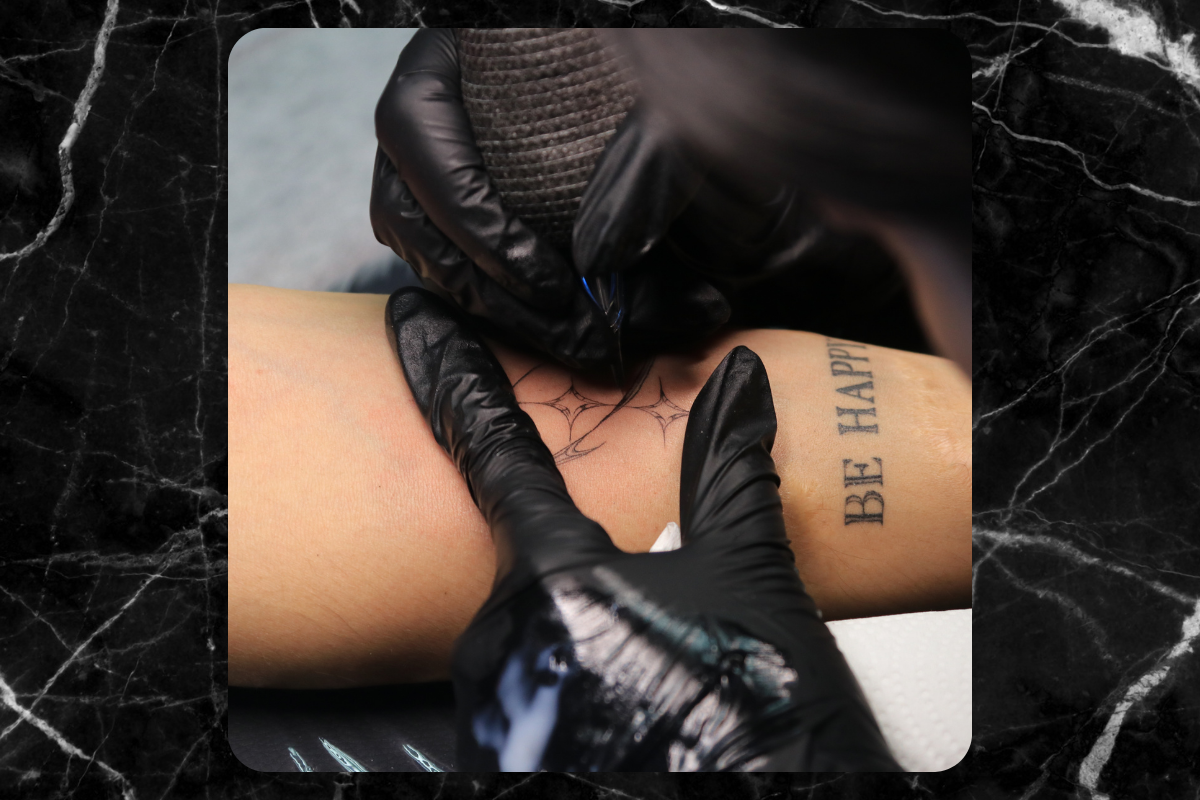
Fine line tattoo needle precision
Design Considerations for Ultra-Fine Artwork
Design selection significantly impacts the success and longevity of finest line tattoo pieces. Not every concept translates effectively to this minimalist medium, making collaboration with an experienced artist essential during the planning phase.
Successful fine line designs typically share these characteristics:
Clear focal points: Simple compositions with distinct elements
Appropriate scale: Designs sized correctly for line visibility
Negative space: Strategic use of bare skin to enhance contrast
Limited detail density: Avoiding overcrowding that causes blur over time
Geometric patterns, botanical illustrations, and single-line continuous drawings excel in this format. Unusual tattoo ideas can often be adapted to fine line execution when the artist understands how to simplify complex concepts while maintaining their essence.
Placement Strategy for Longevity
The location you choose for your finest line tattoo dramatically affects how well it ages. Skin behavior varies considerably across different body regions, with some areas providing superior canvases for delicate work.
Optimal placement areas include:
Inner forearm: Minimal skin stretching with lower sun exposure
Upper back and shoulder blade: Stable skin with consistent texture
Outer upper arm: Protected area with moderate stretching
Upper ribcage: Limited movement for well-placed designs
Outer calf: Durable skin with good ink retention
Understanding tattoo placement considerations helps you select locations where your finest line tattoo will maintain its integrity for years. Avoid high-friction areas like inner thighs, feet, and hands, where constant movement causes premature fading and line spread.
Health and Safety Considerations
Professional tattoo studios maintain rigorous health standards, but finest line tattoo work introduces specific safety considerations that clients should understand. The precision required means longer session times with needles penetrating skin, increasing exposure to potential contamination if protocols aren't followed meticulously.
Recent findings have identified bacteria in commercial tattoo inks, emphasizing the importance of selecting studios that source products from reputable manufacturers and maintain proper storage conditions. Single-use, pre-sterilized needles and barrier protection represent non-negotiable standards.
Before your first tattoo session, verify that your chosen studio follows these protocols:
Autoclave sterilization: Daily spore testing with documented results
Single-use equipment: Needles, tubes, and ink caps opened in your presence
Barrier protection: Plastic wrap on all surfaces contacted during the session
Cross-contamination prevention: No double-dipping in ink or touching unprotected surfaces
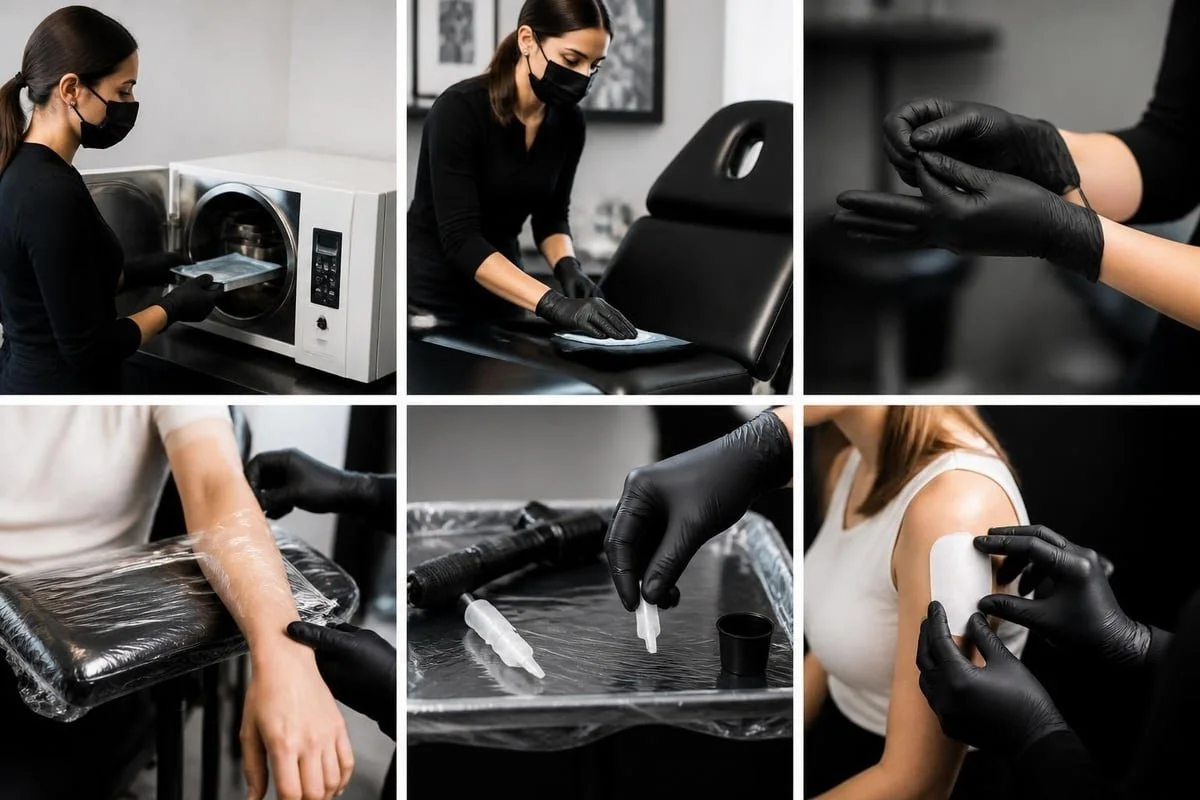
Tattoo safety protocols
Understanding Potential Complications
While complications remain rare in professionally executed work, clients should understand the adverse reactions possible with tattoos. Fine line work presents unique considerations because the minimal ink deposit can sometimes trigger different immune responses than heavily saturated tattoos.
Allergic reactions, though uncommon, may manifest as:
Persistent itching around tattooed areas
Raised texture along fine lines
Localized redness lasting beyond normal healing
Granulomatous reactions to specific pigments
Selecting a studio that maintains detailed records of ink batch numbers and manufacturers enables proper investigation if reactions occur. The Alliance of Professional Tattooists provides resources for both artists and clients regarding safety standards and continuing education in evolving best practices.
Aftercare Protocols for Optimal Healing
Proper aftercare determines whether your finest line tattoo heals with crisp, clean lines or develops into a blurred shadow of the original design. The delicate nature of ultra-fine lines means they're more susceptible to improper healing than bold traditional work.
Immediate aftercare (Days 1-3):
Remove initial bandage after 2-4 hours
Wash gently with unscented antimicrobial soap
Pat dry with clean paper towels
Apply thin layer of recommended ointment
Avoid rewrapping unless specifically instructed
The transition to lotion-based care typically begins on day four, when the tattoo stops weeping plasma. Understanding tattoo aftercare essentials prevents common mistakes that compromise fine line integrity.
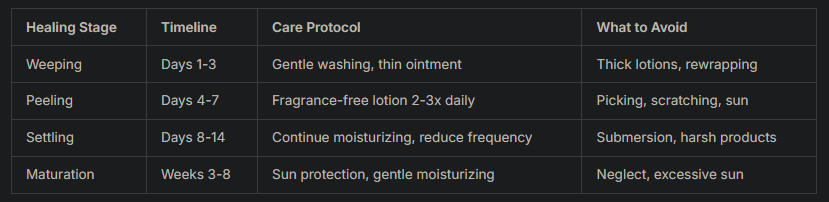
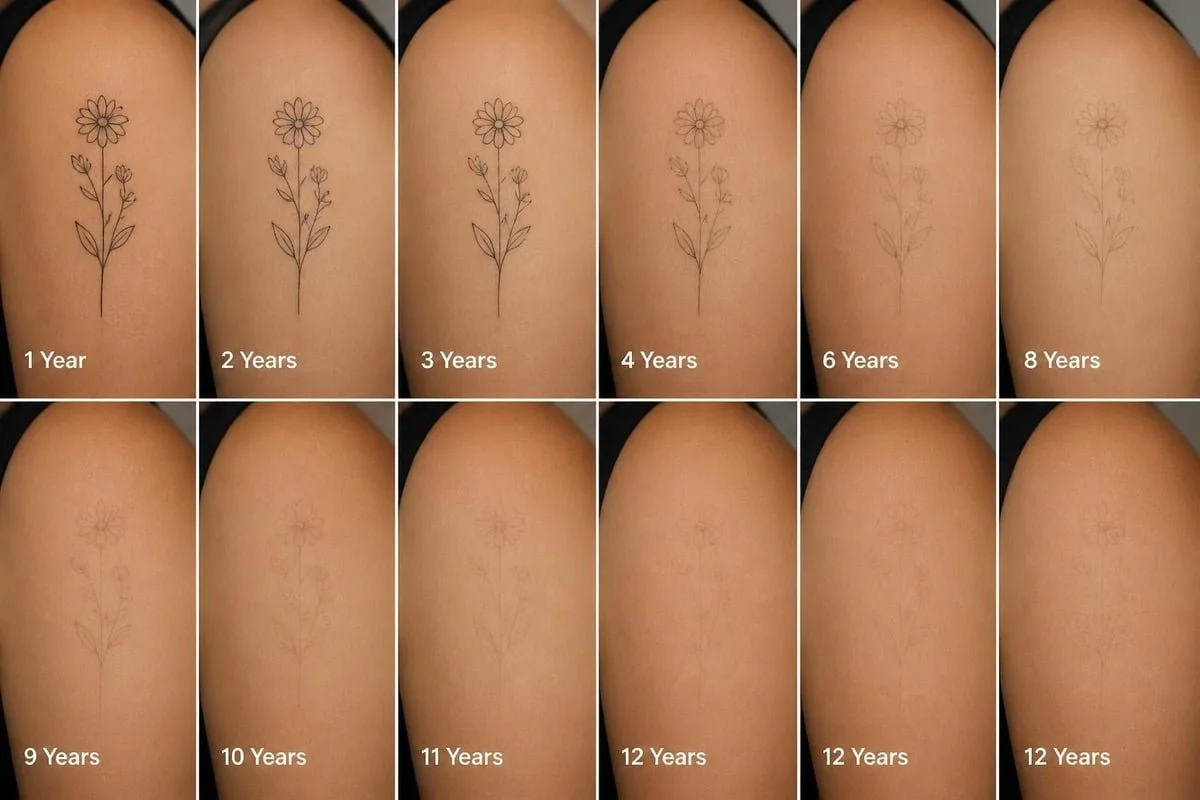
Fine line tattoo aging timeline
Touch-Up Considerations and Timing
Unlike bold traditional tattoos that may never require touch-ups, finest line tattoo work often benefits from periodic enhancement to maintain original crispness. Planning for this possibility from the outset prevents frustration when lines naturally soften.
Most reputable studios offer complimentary touch-ups within the first year, addressing any healing inconsistencies. Beyond this period, touch-ups become an investment in preserving your artwork's appearance.
Schedule professional assessment when you notice:
Lines appearing noticeably softer than originally
Small gaps developing in continuous line work
Fading in high-sun-exposure areas
Overall loss of contrast between ink and skin
Choosing Your Finest Line Tattoo Artist
Artist selection represents the most critical decision in your finest line tattoo journey. The technical demands of this style mean that general tattoo proficiency doesn't guarantee fine line expertise. When choosing the right tattoo studio, prioritize specialists with documented experience in delicate work.
Evaluation criteria for potential artists:
Portfolio containing healed fine line work (minimum 6-12 months post-session)
Understanding of skin types and how they interact with fine lines
Realistic communication about design limitations and expectations
Proper licensing and health certification in their jurisdiction
Active participation in continuing education and technique refinement
Request consultations with multiple artists before committing. This investment of time pays dividends in final results and long-term satisfaction.
The Consultation Process
A thorough consultation reveals whether an artist truly understands finest line tattoo execution or merely offers it as an additional service. Specialists ask detailed questions about your lifestyle, sun exposure, skin care routine, and long-term expectations.
During consultations, discuss:
Design scalability: Whether your concept works at proposed size
Placement implications: How chosen location affects longevity
Healing expectations: Realistic outcomes based on your skin type
Maintenance requirements: Touch-up frequency and care demands
Pricing structure: Hourly rates versus project-based pricing
Quality artists provide honest feedback about design feasibility rather than accepting every request. This professional integrity ensures superior results and client satisfaction.
Cost Considerations and Value Assessment
Finest line tattoo work typically commands premium pricing compared to traditional styles, reflecting the specialized skill and time investment required. Understanding pricing structures helps you budget appropriately and recognize value versus unnecessary expense.
Pricing factors include:

Expect to invest $150-300 per hour for experienced fine line specialists in major metropolitan areas. While this exceeds general tattoo pricing, the technical demands and specialized equipment justify the premium. Budget-conscious approaches often result in subpar work requiring expensive removal or cover-up procedures.
Removal and Modification Options
Despite careful planning, situations arise where finest line tattoo removal becomes desired. Understanding removal options before getting tattooed provides peace of mind and informs design decisions.
Modern laser removal technology offers effective solutions, with fine line work generally responding more favorably than heavily saturated pieces. The minimal ink deposit means fewer treatment sessions typically achieve satisfactory results.
Removal considerations specific to fine line work:
Lighter ink saturation responds faster to laser treatment
Black ink removes more completely than colored alternatives
Fewer sessions required compared to traditional bold tattoos
Lower overall removal costs due to reduced treatment needs
Cultural and Artistic Context
The finest line tattoo movement emerged from broader minimalist art trends gaining prominence in the early 2010s. This aesthetic aligns with contemporary preferences for understated elegance over bold proclamations, reflecting shifting cultural attitudes toward permanent body modification.
Understanding this context enriches your appreciation for the style and informs design decisions that will remain personally meaningful over decades. While trends influence popularity, quality fine line work transcends temporary fashions through timeless design principles and expert execution.
Contemporary fine line influences:
Single-line drawing techniques from modern illustration
Minimalist graphic design emphasizing negative space
Botanical illustration with scientific precision
Geometric patterns from architectural and mathematical sources
Literary and poetic text in elegant typography
These influences create a rich vocabulary for personal expression through finest line tattoo work. Collaborating with artists who understand both technical execution and artistic context produces results that satisfy on multiple levels.