Colored Flower Tattoos: Design, Care & Longevity Guide
Colored flower tattoos represent one of the most sought-after styles in contemporary body art, combining the timeless beauty of botanical imagery with vibrant pigmentation techniques. Unlike traditional black-and-gray work, these tattoos demand exceptional skill in color theory, pigment selection, and technical execution to achieve designs that remain vivid and true to their original vision over time. From delicate watercolor cherry blossoms to bold neo-traditional roses, the spectrum of colored flower tattoos offers endless possibilities for personal expression. Understanding the nuances of pigment chemistry, placement considerations, and long-term care ensures your floral artwork remains a stunning testament to both nature's beauty and artistic craftsmanship.
Pigment Chemistry and Color Selection
The foundation of any successful colored flower tattoo begins with understanding modern tattoo pigments and their behavior within skin tissue. Today's professional studios use organic and inorganic pigments that have been formulated specifically for dermal application, with each color family presenting unique characteristics.
Red and pink pigments typically contain organic compounds that create the vibrant hues essential for roses, peonies, and hibiscus designs. These warm tones generally hold well in most skin types but require careful selection to avoid unwanted fading patterns.
Yellow and orange inks present specific challenges due to their molecular composition. Research on titanium dioxide's effects on photodegradation shows that lighter pigments can break down differently under UV exposure, making proper aftercare crucial for sunflower and marigold designs.
Understanding Color Permanence
Not all pigments age equally, and choosing the right colors for your skin tone significantly impacts long-term results.
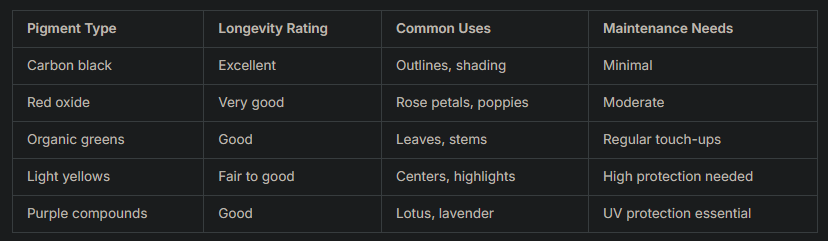
Professional artists at luxury studios understand these distinctions and can guide clients toward pigment combinations that will maintain their intended appearance for decades rather than years.
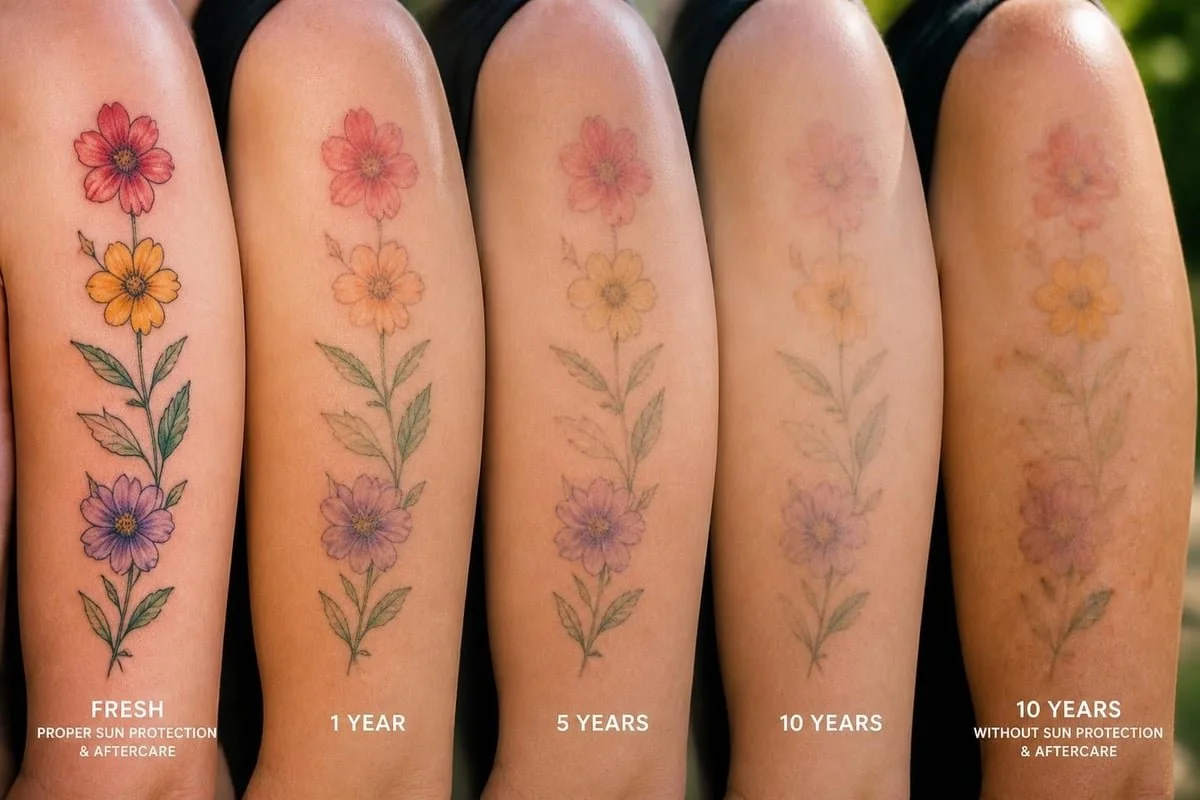
Tattoo cover longevity chart
Popular Flower Species and Color Applications
The choice of flower species directly influences the color palette and artistic approach required for colored flower tattoos. Each botanical subject brings its own cultural significance and aesthetic challenges.
Roses remain the perennial favorite, allowing artists to showcase their mastery of gradients from deep crimson to soft blush. The layered petal structure provides natural opportunities for highlighting and shadowing that create dimensional depth.
Cherry blossoms demand delicate pink and white work, often incorporating subtle purple undertones. These designs benefit from fine-line techniques combined with soft color saturation to capture their ephemeral quality.
Lotus flowers carry profound spiritual meaning across Asian cultures and typically feature purples, pinks, and whites. When executed at studios specializing in fine-line work, these designs can incorporate traditional symbolism with contemporary color approaches.
Botanical Realism Versus Stylization
The cultural history of botanical tattoos reveals centuries of artistic interpretation, from scientific illustration styles to abstract representations.
Modern colored flower tattoos span this entire spectrum:
Photorealistic approaches require precise color matching and advanced shading techniques
Neo-traditional styles employ bold outlines with saturated color fills
Watercolor techniques create soft, flowing pigment effects without defined borders
Illustrative botanical combines scientific accuracy with artistic embellishment
Abstract floral uses color as emotional expression rather than literal representation
Each style demands different pigment applications and healing considerations, making artist selection critical to achieving your desired outcome.
Placement Considerations for Vibrant Color Retention
Where you position colored flower tattoos on your body significantly affects their longevity and visibility. Understanding tattoo placement principles helps optimize both aesthetic impact and preservation.
High-retention areas include the upper arm, shoulder blade, and upper back, where skin experiences minimal stretching and receives less direct sun exposure during daily activities. These locations allow larger, more complex colored flower tattoos with intricate petal details and multiple hues.
Moderate-retention zones such as forearms, calves, and thighs work well for medium-sized designs but require more diligent sun protection due to frequent exposure.
Sun Exposure and Pigment Degradation
UV radiation represents the primary enemy of colored flower tattoos. The systematic review of degradation products from tattoo pigments demonstrates how sunlight breaks down certain color compounds at the molecular level, leading to premature fading.
Areas receiving daily sun exposure include:
Forearms and hands
Lower legs and feet
Chest and décolletage
Face and neck
For these locations, clients should expect more frequent touch-ups or consider designs that incorporate darker pigments as foundational elements, with brighter colors used as accents rather than primary features.
Technical Execution and Artist Expertise
Creating stunning colored flower tattoos requires artists who possess both botanical knowledge and advanced pigment application skills. The complexity of rendering natural forms in permanent ink cannot be understated.
Needle configuration varies dramatically based on the desired effect. Fine-line work for delicate petals may use single needles or tight three-round configurations, while color packing for solid fills employs larger magnum arrangements.
Saturation techniques determine how vibrant colors appear once healed. Experienced artists understand that working with the skin's natural tone rather than against it produces superior results, particularly when selecting tattoo colors for different skin tones.
Multi-Session Approaches for Complex Designs
Large-scale colored flower tattoos often benefit from staged execution:
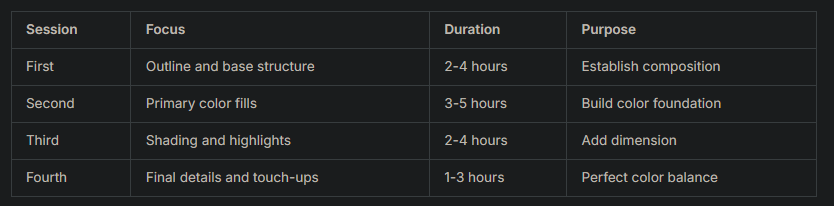
This approach reduces skin trauma, allows for color settling assessment between sessions, and enables adjustments based on how individual skin responds to specific pigments. When preparing for your first tattoo session, understanding this timeline helps set realistic expectations.
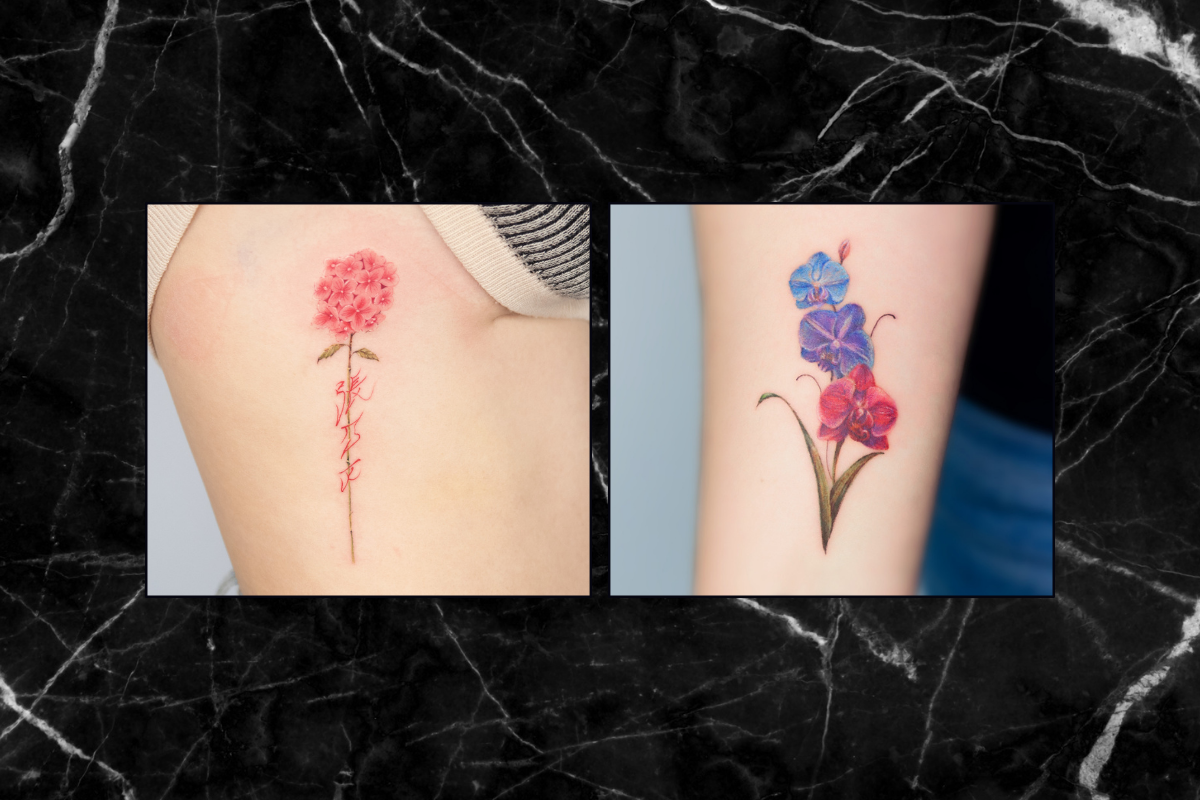
Color Floral Tattoo
Aftercare Protocols for Color Preservation
Proper healing makes the difference between colored flower tattoos that maintain their vibrancy for decades and those that fade within years. The initial healing phase proves particularly critical for color retention.
The American Academy of Dermatology's guidance on caring for tattooed skin emphasizes several key principles that align with professional studio recommendations.
Immediate aftercare (Days 1-14) focuses on preventing infection and allowing the skin to form a protective barrier while retaining pigment:
Keep the tattoo covered with breathable film for the first 24-48 hours
Wash gently with fragrance-free antibacterial soap twice daily
Apply thin layers of specialized tattoo healing ointment
Avoid submerging in water (swimming pools, hot tubs, baths)
Never pick at scabs or peeling skin
Secondary healing (Weeks 2-8) addresses the deeper layers where color settles permanently. Following detailed tattoo aftercare essentials during this period determines final color vibrancy.
Long-Term Maintenance Strategies
Beyond initial healing, colored flower tattoos require ongoing care to maintain their original brilliance. Sun protection stands as the single most important factor in preserving pigment integrity.
Professional recommendations include:
Daily SPF application of 50+ on tattooed areas exposed to sunlight
Protective clothing when possible during peak UV hours
Moisturizing routines to maintain skin elasticity and prevent cracking
Annual assessments with your tattoo artist for touch-up planning
Chemical exfoliant avoidance on tattooed skin to prevent pigment stripping
These practices extend the life of your colored flower tattoos significantly, reducing the frequency of touch-ups needed to maintain their intended appearance.
Design Customization and Personal Meaning
While aesthetic beauty draws many clients to colored flower tattoos, the symbolic dimension adds profound personal significance. Each flower species carries cultural associations and individual meanings that transform body art into narrative storytelling.
Birth month flowers offer personalized options with inherent meaning. January's carnations, April's sweet peas, July's water lilies, and October's marigolds each present unique color challenges and symbolic weight. Understanding the symbolism behind tattoo designs helps create pieces that resonate on multiple levels.
Memorial tributes frequently incorporate flowers that held significance for lost loved ones. These designs might feature specific species, color combinations, or even botanical illustrations from family gardens, making them deeply personal expressions of remembrance.
Combining Flowers with Complementary Elements
Colored flower tattoos gain additional depth when integrated with supporting imagery:
Wildlife elements such as butterflies, hummingbirds, or bees create dynamic compositions
Geometric frameworks provide structural contrast to organic floral forms
Script and typography add names, dates, or meaningful phrases
Landscape elements like water, mountains, or architectural features establish context
Abstract patterns offer modern interpretations that blend traditional and contemporary approaches
These combinations require choosing an experienced tattoo artist who can balance multiple elements while maintaining color harmony and compositional integrity.
Removal and Modification Considerations
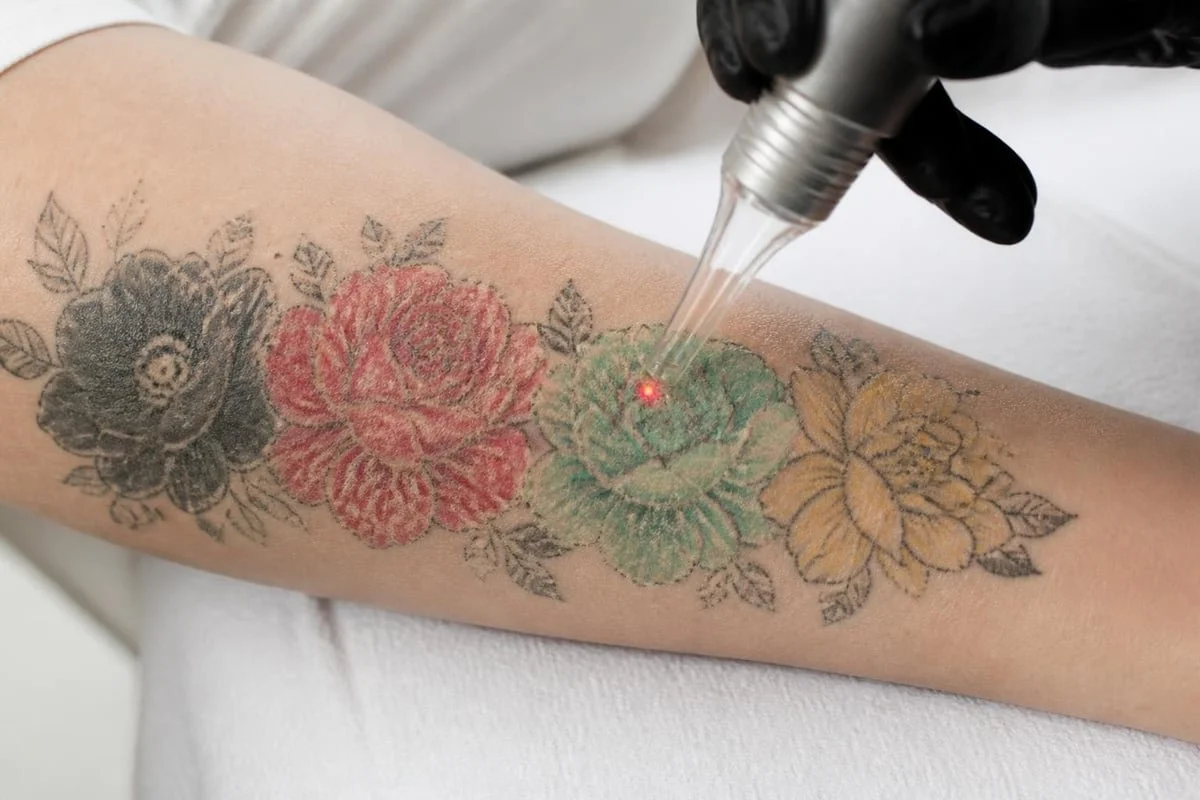
While colored flower tattoos are intended as permanent body art, understanding removal options provides important context for decision-making. Color pigments respond differently to laser treatments than traditional black ink.
The clinical literature on laser removal techniques explains how different wavelengths target specific chromophores within pigment particles. This principle creates varying degrees of success across the color spectrum.
Removal difficulty by color:
Black and dark blue: Easiest to remove, respond to Q-switched Nd:YAG lasers
Red and orange: Moderate difficulty, require specific wavelength targeting
Green and purple: More challenging, often need multiple laser types
Yellow and white: Most difficult, may not fully clear due to titanium dioxide content
The AAD's overview of laser tattoo removal notes that colored inks may require significantly more sessions than black work, with some hues potentially leaving residual shadows.
Cover-Up Alternatives
Rather than complete removal, many clients with unwanted colored flower tattoos opt for artistic transformation. Covering scars with tattoos demonstrates similar principles to cover-up work, where skilled artists incorporate existing pigment into new designs.
Successful cover-ups of colored flower tattoos typically involve:
Color assessment to determine which existing pigments can be incorporated
Design expansion creating larger pieces that envelope the original
Strategic darkening using deeper tones to neutralize unwanted colors
Compositional redirection shifting focal points away from problematic areas
Laser lightening sessions before cover-up application when necessary
Tattoo cover removal difficulty
Seasonal and Cultural Variations
Different cultures associate specific flowers with particular meanings, celebrations, and seasonal significance, influencing colored flower tattoos across global tattoo communities. Understanding these connections enriches design choices and personal resonance.
Asian floral traditions emphasize cherry blossoms for renewal, lotus for enlightenment, and chrysanthemums for longevity. These designs often incorporate specific color palettes tied to Buddhist and Hindu symbolism, making them particularly meaningful when executed at studios familiar with traditional Thai tattoo heritage.
Western botanical symbolism draws from Victorian flower language, where specific blooms conveyed coded messages. Red roses signified passionate love, yellow friendship, white purity. Contemporary colored flower tattoos often reference this historical framework while adapting it to modern aesthetic sensibilities.
Seasonal Color Palettes
The natural blooming cycles of flowers inspire seasonal color approaches in tattoo design:
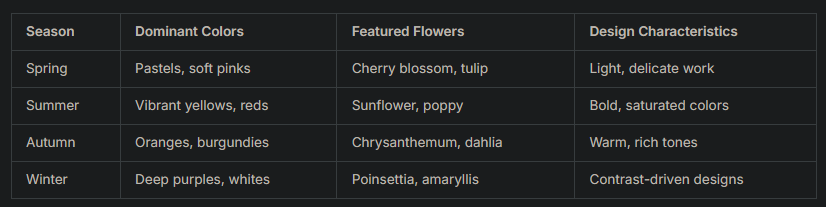
Clients often choose seasonal flowers that align with significant personal dates, creating living calendars on their skin that mark important life moments through botanical imagery.
Investment and Value Considerations
Colored flower tattoos represent a significant financial and personal investment. Understanding pricing structures helps clients make informed decisions while appreciating the expertise required for exceptional results.
Premium studio pricing reflects several critical factors:
Artist experience and specialized training in color theory
Quality of pigments and sterilization equipment
Studio environment and luxury amenities
Consultation time for custom design development
Aftercare products and follow-up sessions
At luxury tattoo studios, colored flower tattoos typically range from moderate investments for small, simple designs to substantial commitments for large-scale, multi-session projects. This pricing accounts for the technical complexity of color work compared to single-needle black-and-gray pieces.
Return on Investment Through Longevity
When evaluating cost, consider the lifespan and maintenance requirements. Well-executed colored flower tattoos using premium pigments and proper technique maintain their appearance for 10-15 years before requiring significant touch-ups, compared to 5-7 years for work using inferior materials or rushed application.
The total cost of ownership includes:
Initial tattoo session(s)
Recommended aftercare products
Annual sun protection costs
Periodic touch-up sessions (every 5-10 years)
Potential removal or modification if circumstances change
Investing in quality execution from the outset reduces long-term maintenance expenses and ensures satisfaction with your colored flower tattoos throughout their lifetime.
Health and Safety Standards
Professional colored flower tattoos must adhere to rigorous health and safety protocols that protect both client wellbeing and artistic quality. Understanding these standards helps identify reputable studios worthy of your trust.
Pigment safety begins with sourcing. Reputable suppliers provide pigments that meet regulatory standards in major markets, avoiding heavy metals and carcinogenic compounds. The clinical review of tattoo removal outcomes touches on safety considerations that inform both application and potential future treatments.
Sterilization protocols eliminate cross-contamination risks through:
Autoclave sterilization of reusable equipment
Single-use needles and ink caps disposed after each session
Medical-grade surface disinfection between clients
Barrier film application on all contact surfaces
Artist hand washing and glove protocols
Studios specializing in luxury experiences maintain these standards as baseline expectations, often exceeding minimum regulatory requirements to ensure absolute client safety.
Allergic Reactions and Patch Testing
While rare, some individuals experience sensitivity to specific pigment compounds. Red pigments containing certain organic compounds occasionally trigger reactions, as do some green and yellow formulations.
Professional artists recommend patch testing for clients with known sensitivities or those concerned about potential reactions. This involves applying small amounts of proposed colors to inconspicuous skin areas and monitoring for 24-72 hours before committing to the full design.
When selecting where to get your colored flower tattoos, choosing the right tattoo studio means prioritizing establishments that offer patch testing and maintain comprehensive safety documentation.