Thigh Tattoo Design: Complete Guide for 2026
The thigh has emerged as one of the most versatile and sought-after canvases for contemporary tattoo artistry. This placement offers a generous expanse of relatively flat skin, making it ideal for intricate designs that demand both size and detail. Whether you're considering your first tattoo or adding to an existing collection, understanding the unique advantages and considerations of thigh tattoo design will help you make an informed decision that you'll cherish for years to come.
Why the Thigh Continues to Dominate Tattoo Trends
The thigh region presents several compelling advantages that have contributed to its sustained popularity among tattoo enthusiasts. This location provides ample space for large-scale compositions while offering the flexibility to conceal or reveal your artwork depending on your clothing choices.
Privacy and professional versatility rank among the primary benefits. Unlike forearm or neck placements, thigh tattoos remain easily hidden in professional settings, giving you complete control over when and where you display your body art. This discretion appeals particularly to professionals who work in conservative industries but still want to express themselves through tattoo art.
The anatomical structure of the thigh also contributes to superior tattoo outcomes. The area features relatively consistent skin texture and adequate muscle padding, which can result in more comfortable sessions compared to bonier locations. According to Healthline's tattoo pain chart, the outer thigh typically registers as moderate on the pain scale, while the inner thigh can be more sensitive due to thinner skin and proximity to nerve endings.
Space for Artistic Ambition
A thigh tattoo design can accommodate everything from small, delicate motifs to sprawling compositions that wrap around the leg. This versatility enables artists to execute complex concepts that would be impossible on smaller body parts.
Large-scale storytelling: Multi-element scenes with depth and narrative
Detailed fine line work: Intricate patterns that require precision and space
Wrap-around designs: Compositions that flow around the leg's natural contours
Portrait work: Larger pieces that capture realistic details and shading
Popular Thigh Tattoo Design Styles
The current landscape of thigh tattoo design reflects diverse aesthetic preferences and technical approaches. Understanding these styles helps you articulate your vision when consulting with your tattoo artist.
Fine Line and Minimalist Approaches
Fine line tattooing has revolutionized contemporary body art, and the thigh provides an excellent canvas for this delicate technique. These designs emphasize clean, precise linework with minimal shading, creating elegant compositions that age gracefully when executed by skilled artists.
Single-needle work requires exceptional technical control and suits the thigh's relatively stable skin surface. Botanical illustrations, geometric patterns, and architectural elements translate beautifully into fine line compositions. When selecting this approach for your thigh tattoo design, consider that choosing the right tattoo artist with proven fine line experience becomes especially critical.
Ornamental and Mandala Designs
Ornamental tattoos draw inspiration from jewelry, lace, and decorative art traditions. The thigh's shape naturally complements circular and symmetrical designs, making it ideal for mandala work that can be centered on the front or side of the leg.
These designs often incorporate:
Sacred geometry: Patterns based on mathematical proportions and spiritual symbolism
Lace and filigree: Delicate patterns mimicking textile designs
Cultural motifs: Elements from various artistic traditions, when approached respectfully
Dot work: Stippled shading that creates depth through thousands of individual dots
Design Element
Best Placement
Typical Size Range
Session Estimate
Central mandala
Front or outer thigh
8-12 inches
2-4 sessions
Vertical ornamental
Side thigh
10-16 inches
3-5 sessions
Wraparound lace
Full thigh circumference
Variable
4-6 sessions
Floral ornamental
Front or inner thigh
6-10 inches
2-3 sessions
Realistic and Portrait Work
The thigh's surface area accommodates the larger scale required for effective portrait and photorealistic tattoos. These pieces demand significant skill and multiple sessions to achieve proper depth, tonal range, and lifelike detail.
When planning realistic work for your thigh tattoo design, factor in longer session times and the importance of finding an artist who specializes specifically in this demanding style. The investment in expertise pays dividends in the final result's quality and longevity.
Design Considerations and Placement Strategies
Successful thigh tattoo design requires thoughtful consideration of anatomical factors, lifestyle needs, and long-term satisfaction. These elements influence everything from initial concept to final placement.
Anatomical Mapping
The thigh comprises distinct zones, each with unique characteristics that affect both the tattooing process and the finished appearance. Front thigh placements offer maximum visibility when wearing shorts or swimwear, while outer thigh positions provide a flatter canvas for geometric work.
Inner thigh considerations include increased sensitivity during the tattooing process and potential friction from daily movement. This area works well for private, meaningful designs but requires extra attention to aftercare. The skin's thinner quality in this region means your artist should adjust needle depth and technique accordingly.
Understanding tattoo placement and finding the perfect spot involves considering how your body moves and changes over time. The thigh experiences less dramatic skin stretching than areas like the abdomen, but weight fluctuations can still affect large-scale designs.
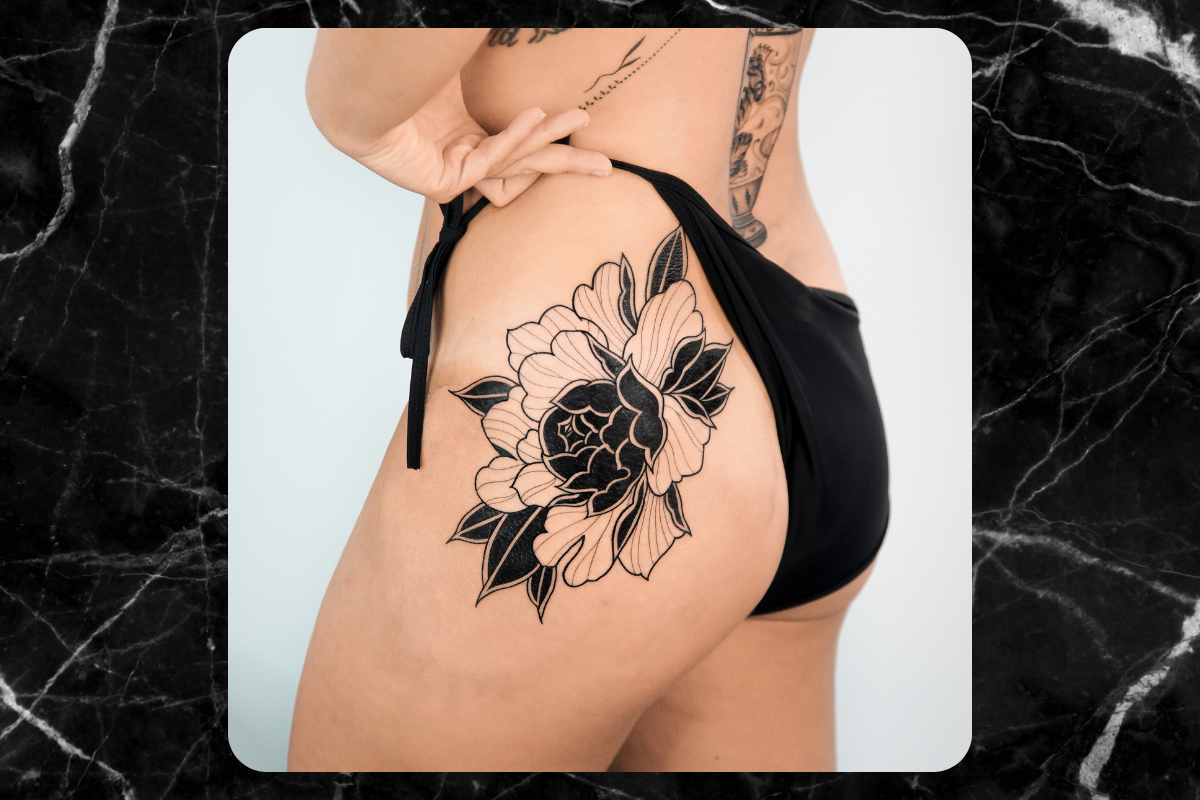
Thigh tattoo design
Color Versus Black and Grey
Your choice between color and monochromatic work significantly impacts your thigh tattoo design's overall aesthetic and aging characteristics. Color tattoos offer vibrant expression and can create stunning visual impact, particularly with larger pieces that benefit from the thigh's space.
Black and grey work provides timeless elegance and often ages more predictably. The selection of tattoo colors for different skin tones affects how pigments will appear and fade over time, making professional consultation essential.
Vibrant colors: Require more frequent touch-ups, more visible when fresh
Pastels and soft tones: Subtle aesthetic, may fade faster than bold colors
Black and grey: Classic approach, predictable aging, easier touch-ups
Color blocking: Bold, saturated areas that make strong visual statements
Cultural Symbolism and Meaningful Design
Many clients seek thigh tattoo designs that carry personal or cultural significance. This meaningful approach to body art creates a deeper connection between wearer and artwork, transforming the tattoo from decoration into personal narrative.
Respecting Cultural Origins
When incorporating cultural elements into your design, understanding their origins and meanings demonstrates respect for the traditions you're drawing from. Traditional Thai tattoos exemplify how sacred imagery carries specific spiritual and protective meanings within their cultural context.
Research on cultural meanings and attributions of tattoos highlights the importance of approaching culturally specific motifs with awareness and sensitivity. Working with artists who understand these nuances ensures your thigh tattoo design honors rather than appropriates.
Personal Symbolism
Your thigh tattoo design can incorporate symbols meaningful to your individual journey, from memorial elements to representations of personal growth. The symbolism behind tattoo designs extends beyond universal meanings to include private significance known only to the wearer.
Common symbolic themes include:
Nature and botanical: Growth, renewal, connection to earth
Celestial elements: Guidance, mystery, cosmic perspective
Animal totems: Strength, wisdom, personal characteristics
Abstract concepts: Love, loss, transformation, resilience
Technical Execution and Session Planning
The practical aspects of receiving a thigh tattoo design require understanding what to expect during sessions and how to prepare for optimal results.
Session Duration and Comfort
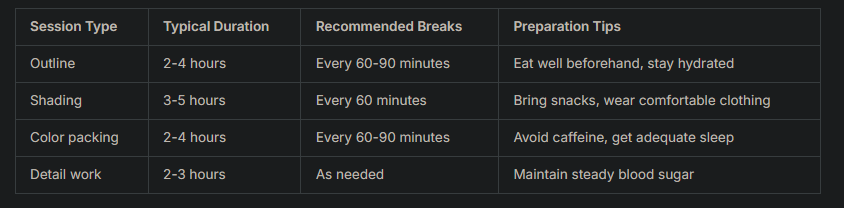
Large thigh pieces typically require multiple sessions, each lasting anywhere from two to six hours depending on design complexity and your pain tolerance. Knowing what to expect during your first tattoo session helps you prepare mentally and physically.
Positioning considerations affect both your comfort and the artist's ability to work effectively. Thigh tattoos may require lying on your side, sitting with your leg extended, or adjusting positions throughout longer sessions. Communicate openly with your artist about discomfort or the need for breaks.
Pain Management and Expectations
While pain tolerance varies individually, understanding what contributes to discomfort helps you prepare appropriately. The outer thigh generally causes less discomfort than inner thigh or areas near the groin, where nerve density increases.
Factors affecting pain levels include:
Needle configuration: Liners versus shaders, single versus multiple needles
Design density: Solid color packing versus light linework
Session length: Skin sensitivity increases over time
Individual physiology: Personal pain threshold and anxiety levels
Aftercare Specific to Thigh Tattoos
Proper healing ensures your thigh tattoo design maintains its intended appearance and prevents complications. The thigh's position creates unique aftercare considerations compared to other placements.

Thigh tattoo aftercare timeline
Managing Movement and Friction
Thigh tattoos heal while subject to constant movement from walking, sitting, and general leg activity. This friction can irritate fresh tattoos, making clothing choices and activity modifications important during the healing period.
Understanding tattoo aftercare essentials provides the foundation for proper healing. For thigh placements specifically, loose-fitting clothing prevents fabric from adhering to the healing tattoo and allows air circulation.
First week priorities include:
Gentle washing with unscented soap twice daily
Applying thin layers of recommended ointment or moisturizer
Avoiding tight clothing that rubs the tattooed area
Staying away from swimming pools, hot tubs, and prolonged water exposure
Protecting the tattoo from direct sunlight
Monitoring for Complications
While most thigh tattoos heal without issues, awareness of potential complications enables early intervention if problems arise. The American Academy of Dermatology provides guidance on tattoo-related skin reactions, including signs that warrant medical attention.
Watch for excessive redness that spreads beyond the tattooed area, unusual swelling, persistent pain that worsens rather than improves, or discharge that appears infected. These symptoms may indicate allergic reactions to specific pigments or bacterial infection requiring professional medical evaluation.
Long-Term Considerations
A thigh tattoo design represents a permanent decision, making long-term thinking essential before committing to your chosen artwork.
Aging and Body Changes
Thigh tattoos generally age well compared to placements on hands, feet, or other high-friction areas. However, significant weight fluctuations, pregnancy, or natural aging processes can affect how the tattoo appears over time.
Maintaining stable body weight helps preserve your tattoo's appearance, though minor changes typically don't dramatically impact well-executed designs. Quality work performed by skilled artists using proper techniques demonstrates greater resilience to natural aging processes.
Removal and Modification Options
While choosing a thigh tattoo design you'll love forever remains the goal, understanding removal options provides perspective on the commitment's permanence. The AAD's guidance on laser tattoo removal explains how modern techniques can effectively fade or remove unwanted tattoos, though complete removal requires multiple expensive sessions.
The thigh's position offers advantages for removal procedures, as the area generally responds well to laser treatment. However, clinical research on laser tattoo removal notes that complete removal depends on factors including ink colors used, tattoo depth, and individual skin characteristics.
Cover-up considerations present another modification option. The thigh's size accommodates substantial cover-up work, allowing skilled artists to transform unwanted pieces into new designs. This process requires working with experienced professionals who understand how to effectively mask existing tattoos.
Selecting Your Artist for Thigh Work
The success of your thigh tattoo design depends heavily on choosing an artist whose skills, style, and approach align with your vision. This decision warrants careful research and consultation.
Portfolio Evaluation
Review potential artists' portfolios specifically for thigh work and designs similar to your concept. Look for consistency in line quality, proper proportion in large-scale pieces, and evidence of successful healing in healed photos rather than fresh tattoos.
The importance of choosing the right tattoo studio extends beyond individual artist talent to include facility cleanliness, professional standards, and overall experience quality. Luxury studios prioritize client comfort, maintain impeccable hygiene standards, and invest in ongoing artist education.
Consultation Process
Professional consultations allow you to discuss your thigh tattoo design vision, receive expert input on feasibility and placement, and establish rapport with your potential artist. This conversation should cover design refinement, realistic timeline expectations, and pricing transparency.
During consultation, address:
Design adaptation: How your concept translates to the thigh's specific anatomy
Technical approach: Methods the artist will use to achieve your desired result
Session breakdown: Number of appointments needed and estimated duration
Aftercare support: Studio protocols for post-tattoo care and touch-up policies