Design Forearm Tattoo: A Complete Guide for 2026
The forearm has emerged as one of the most versatile and popular locations for body art, offering a perfect canvas that balances visibility, pain tolerance, and artistic potential. When you decide to design forearm tattoo artwork, you're choosing a placement that allows for both intricate detail and bold statements, making it an ideal location for first-timers and experienced collectors alike. Recent research shows that 32% of Americans now have at least one tattoo, with forearm placements consistently ranking among the top preferences due to their unique combination of personal meaning and professional presentation options.
Understanding Forearm Anatomy and Tattoo Placement
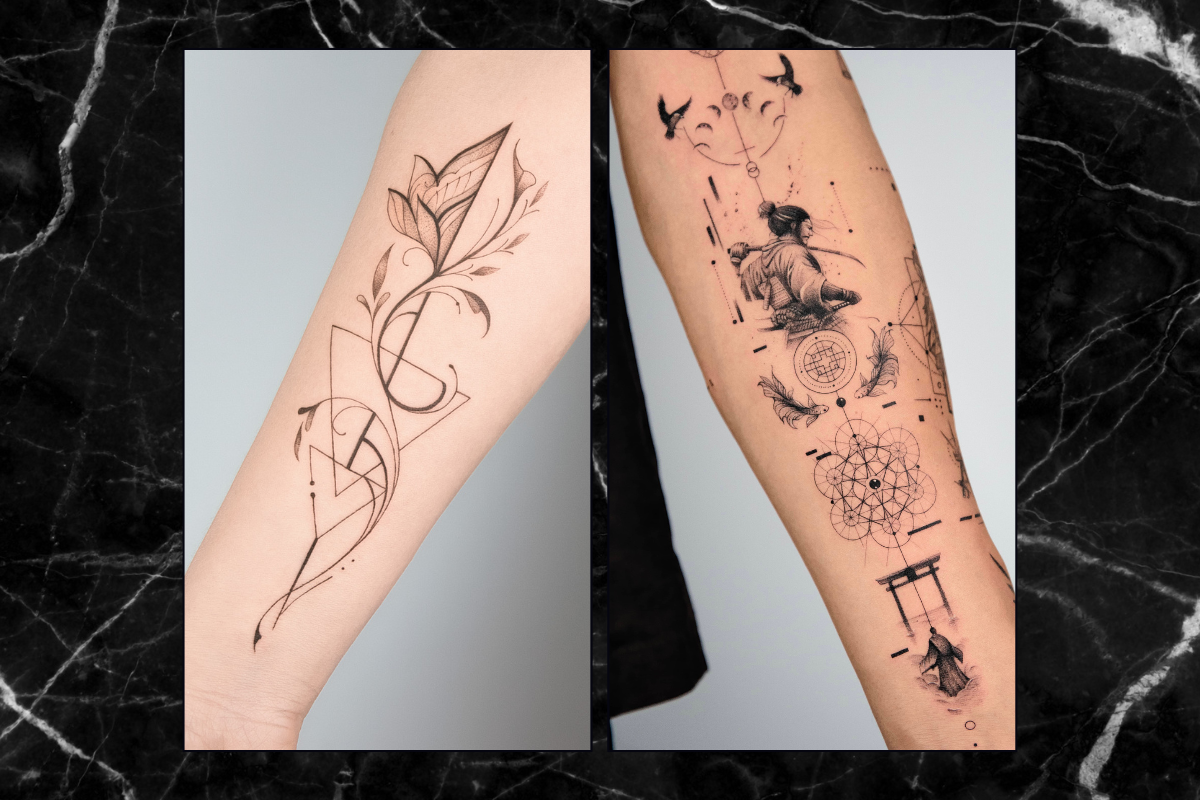
The forearm consists of two distinct areas that offer different advantages for tattoo placement. The inner forearm provides a flatter, more tender surface ideal for fine line work and detailed designs, while the outer forearm offers a slightly curved canvas that works exceptionally well for bold graphics and geometric patterns.
When you design forearm tattoo placement, consider how the natural contours of your arm will interact with the artwork. The muscles and tendons create subtle movement that can enhance certain design elements, particularly with flowing compositions or nature-inspired themes.
Inner Forearm Considerations
More sensitive skin requiring gentle technique
Excellent visibility for personal viewing
Ideal for quotes, portraits, and delicate fine line work
Natural framing between wrist and elbow crease
Higher tendency for clearer detail retention
Outer Forearm Advantages
Thicker skin with slightly lower sensitivity
Perfect for wraparound designs
Better suited for bold traditional styles
Enhanced visibility to others
More surface area for larger compositions
forearm anatomy for tattoo design
Popular Styles to Design Forearm Tattoo Art
The diversity of artistic styles available makes designing forearm tattoos an exciting creative journey. Each style brings unique characteristics that can emphasize different aspects of your personality and aesthetic preferences.
Fine line tattoos have become increasingly popular for forearm placement, offering delicate, precise artwork that ages gracefully when executed by skilled artists. These designs work particularly well for botanical illustrations, minimalist geometric patterns, and subtle symbolic imagery. For those interested in exploring different tattoo styles, understanding the nuances of each approach helps create more satisfying final results.
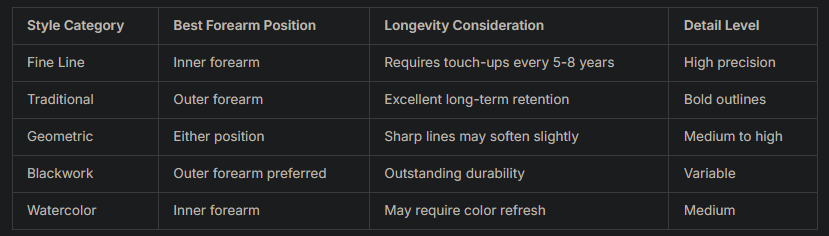
Traditional and neo-traditional styles bring bold, time-tested aesthetics to forearm designs. These approaches utilize strong outlines and vibrant color palettes that maintain their impact over decades. The forearm's natural shape complements the classic compositions found in traditional tattooing, from nautical themes to animal portraits.
Contemporary Design Approaches
Blackwork and dotwork styles create striking contrast using only black ink, producing dramatic visual impact through negative space and gradient techniques. These styles particularly excel on the forearm, where the contrast between skin and ink creates powerful graphic effects.
Watercolor techniques introduce soft color transitions and painterly effects, though they require careful consideration. Research on how tattoo pigments degrade from environmental factors indicates that certain color combinations may fade more quickly, making artist selection and aftercare critical for longevity.
Creating Your Custom Design Forearm Tattoo Concept
Developing a personalized design forearm tattoo requires collaboration between your vision and an artist's technical expertise. Start by collecting visual references that resonate with your intended theme. Pinterest boards, saved Instagram posts, and physical sketches all help communicate your aesthetic preferences to your chosen artist.
Consider the symbolic meaning behind your chosen imagery. Whether incorporating cultural elements, personal milestones, or purely aesthetic choices, understanding the deeper significance enhances the design process and ensures long-term satisfaction with your artwork.
The size of your forearm design dramatically impacts both the artistic possibilities and the overall statement. A full forearm sleeve offers maximum creative freedom, allowing for complex narratives and intricate detail work. Smaller, focused designs provide subtle elegance and flexibility for future additions.
Design Development Process
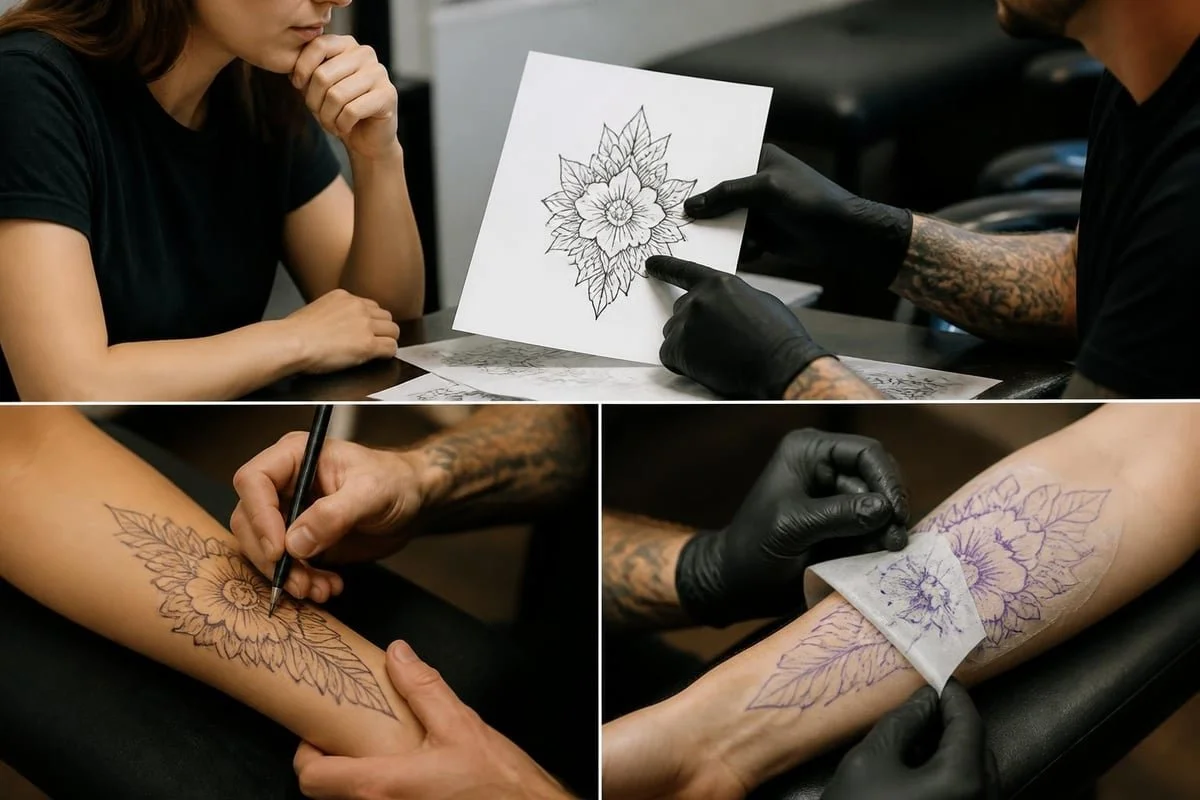
Initial consultation to discuss concepts, placement, and style preferences
Reference gathering with your artist to establish visual direction
Preliminary sketch review to refine proportions and composition
Detail refinement incorporating feedback and technical adjustments
Final stencil approval before beginning the tattoo session
Understanding what happens during a tattoo session helps prepare mentally and physically for the experience, particularly important for larger forearm pieces requiring multiple sessions.
Custom forearm tattoo design process
Technical Considerations for Forearm Tattoo Design
The technical execution of forearm tattoos requires specific expertise, particularly for fine line and detailed work. Line weight consistency, proper depth, and strategic composition all contribute to how well a design ages over time.
When you design forearm tattoo artwork with intricate details, understanding needle configurations and technique becomes relevant. Single needle work produces the finest lines but may require more frequent touch-ups, while slightly bolder approaches offer better long-term clarity without sacrificing aesthetic refinement.
Color selection deserves careful consideration beyond personal preference. Different pigments interact uniquely with various skin tones, and choosing appropriate colors for your skin ensures optimal vibrancy and longevity. Additionally, awareness of potential allergic reactions to certain pigments helps inform safer choices, particularly for those with sensitive skin or known allergies.
Sizing and Proportion Guidelines
Small designs (2-4 inches): Perfect for wrist area or minimal coverage
Medium pieces (4-7 inches): Ideal for centered forearm placement
Large designs (7-10 inches): Full coverage from wrist to elbow
Sleeve extensions: Consider future connections to upper arm or chest
Professional artists account for how designs will appear from multiple viewing angles. A well-designed forearm tattoo looks cohesive whether viewed from the side, front, or with arm rotation, requiring strategic composition planning.
Choosing the Right Artist for Your Forearm Design
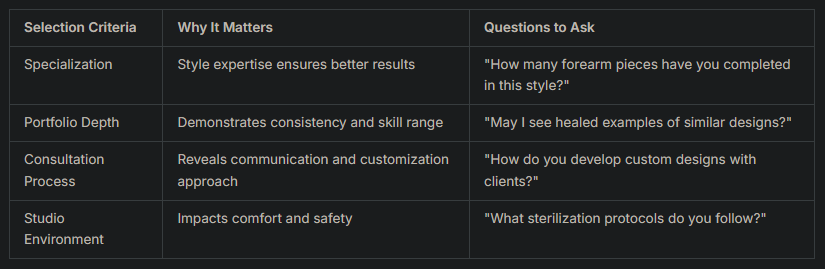
Artist selection represents perhaps the most crucial decision in your tattoo journey. The forearm's visibility demands exceptional execution, making it essential to work with professionals who specialize in your chosen style and demonstrate consistent portfolio excellence.
Review potential artists' healed work specifically. Fresh tattoos always look sharp, but images showing how designs appear months or years after completion reveal the true quality of technique and pigment selection. When choosing the right tattoo studio, consider factors beyond aesthetic appeal, including hygiene standards, artist communication style, and consultation processes.
Luxury tattoo studios offer enhanced experiences through attention to detail, premium equipment, and refined environments that reduce anxiety and enhance comfort. These studios typically maintain smaller client rosters, allowing for deeper artist-client relationships and more personalized design development.
Preparing for Your Forearm Tattoo Session
Proper preparation significantly impacts both the tattooing experience and final results. Physical preparation begins days before your appointment, with adequate hydration, good sleep, and avoiding blood-thinning substances like alcohol or aspirin.
The forearm typically ranks as moderately painful compared to other body locations. The inner forearm tends toward greater sensitivity, particularly near the wrist and elbow crease, while the outer forearm generally proves more comfortable. Understanding what to expect during your first tattoo session helps manage expectations and anxiety.
Pre-Session Checklist
Hydrate consistently for 48 hours before appointment
Eat a substantial meal 1-2 hours prior
Wear comfortable clothing with easy forearm access
Avoid caffeine immediately before session
Bring entertainment for longer sessions
Plan transportation if needed post-session
Mental preparation proves equally important. Larger forearm pieces may require 4-8 hours or multiple sessions, demanding patience and pain management strategies. Deep breathing, periodic breaks, and open communication with your artist ensure a more positive experience.
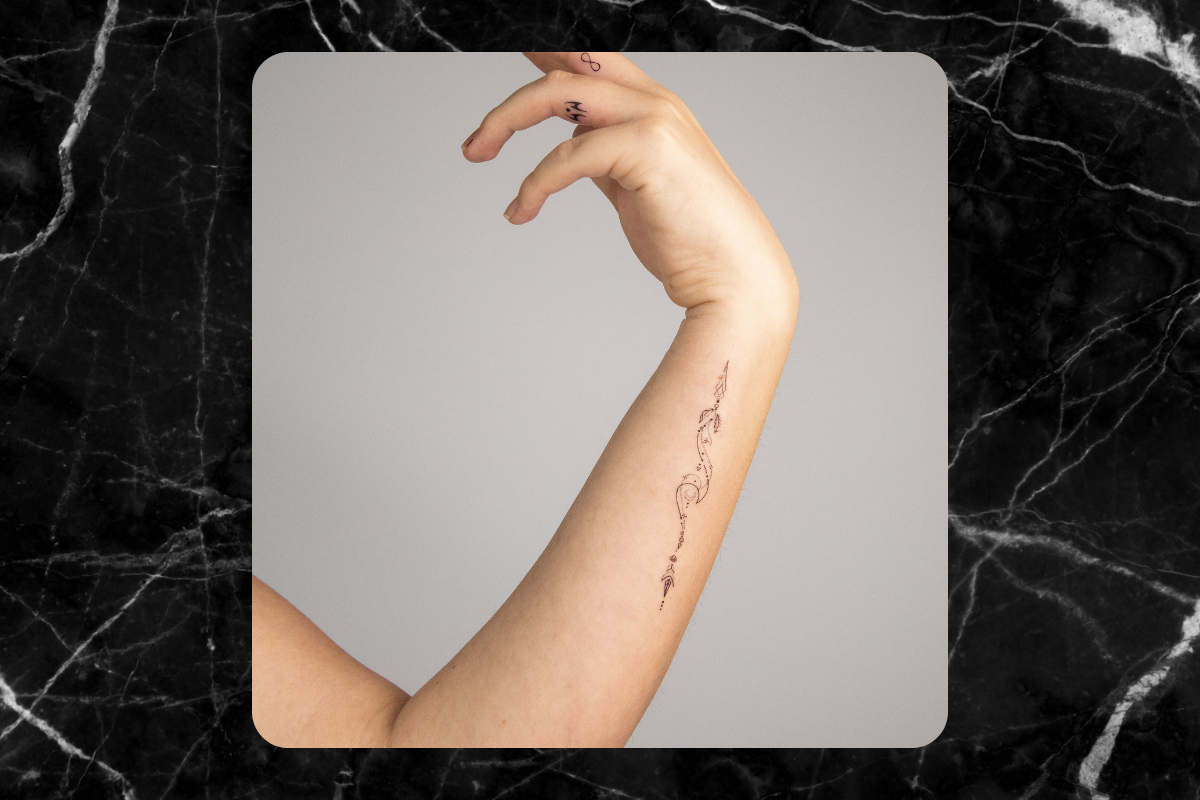
Forearm tattoo session preparation
Aftercare for Optimal Healing and Longevity
The healing process directly impacts how your forearm design ultimately looks, making diligent aftercare non-negotiable. The forearm's constant movement and exposure present unique challenges that require consistent attention during the critical first two weeks.
Comprehensive research on adverse reactions and complications from tattooing emphasizes the importance of proper healing protocols to prevent infections and ensure optimal color retention. Following your artist's specific instructions takes priority, as techniques and products vary based on design complexity and individual skin characteristics.
Modern aftercare typically involves gentle washing, thin moisturizer application, and protection from sun exposure and submersion in water. The forearm's visibility makes it tempting to show off new artwork, but limiting exposure during healing prevents complications and ensures better long-term results.
Daily Aftercare Protocol
Wash gently 2-3 times daily with fragrance-free soap
Pat dry with clean paper towels, never rubbing
Apply thin layer of recommended moisturizer or healing ointment
Avoid tight sleeves that restrict airflow
Keep away from direct sunlight, swimming pools, and hot tubs
Never pick or scratch healing skin
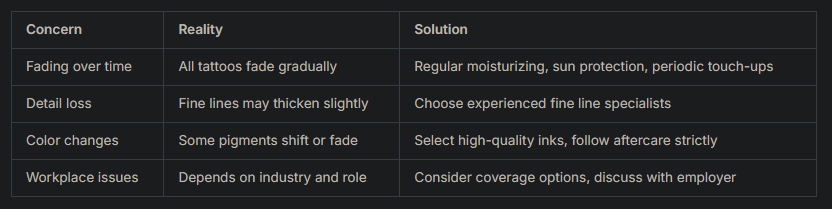
Long-term maintenance preserves your investment for decades. Sun protection remains paramount, as UV exposure causes the most significant fading in tattoo pigments. Regular moisturizing maintains skin health and color vibrancy, while periodic touch-ups address natural fading that occurs over years.
Design Elements That Work Exceptionally Well on Forearms
Certain design elements naturally complement forearm anatomy and movement. Vertical compositions follow the natural length of the arm, creating elegant flow from wrist to elbow. These designs can incorporate botanical elements like flowers and vines, geometric patterns, or symbolic imagery arranged in ascending or descending order.
Wraparound designs take advantage of the forearm's cylindrical shape, creating artwork visible from multiple angles. Mandala patterns, snake illustrations, and branch motifs work particularly well in this format, offering dynamic visual interest as the arm moves and rotates.
For those seeking unusual tattoo ideas, the forearm provides an excellent canvas for innovative concepts that push creative boundaries while remaining professionally appropriate when needed.
Composition Strategies
Negative space utilization: Creates breathing room and visual sophistication
Asymmetrical balance: Adds modern edge to traditional concepts
Layered elements: Builds depth through overlapping imagery
Directional flow: Guides eye movement through intentional composition
Frame incorporation: Uses natural arm boundaries as design elements
Cultural and symbolic elements deserve respectful consideration when you design forearm tattoo concepts. Traditional Thai tattoos carry deep spiritual significance and specific placement meanings that should be understood before incorporation. Working with artists knowledgeable about cultural context ensures appropriate and meaningful representation.
Addressing Common Concerns and Misconceptions
Professional visibility concerns frequently arise with forearm tattoos. While acceptance continues expanding across industries, understanding your field's norms helps make informed decisions. Forearm placement offers the advantage of easy coverage with long sleeves when necessary, providing flexibility many other locations cannot match.
Removal considerations deserve mention, though most people who carefully design forearm tattoo artwork remain satisfied long-term. Should removal become necessary, laser tattoo removal technology has advanced significantly, though the process remains expensive, time-consuming, and not always complete. This reality underscores the importance of thoughtful design selection and artist choice.
Pain tolerance varies significantly between individuals, but the forearm generally ranks as manageable for most people. Bony areas near the wrist and inner elbow prove most sensitive, while the muscular mid-forearm causes less discomfort. Communicating openly with your artist about pain levels ensures appropriate breaks and adjustment when needed.
Maintenance Realities
Incorporating Personal Meaning Into Forearm Designs
The most satisfying tattoos carry personal significance beyond aesthetic appeal. When you design forearm tattoo concepts with meaningful symbolism, the artwork becomes a permanent reflection of values, experiences, or relationships that define your life journey.
Memorial tattoos honoring loved ones work beautifully on the forearm, where they remain visible as daily reminders. Dates, quotes, portraits, or symbolic representations can be incorporated into larger designs or stand alone as focused tributes.
For individuals with scars or birthmarks, strategic tattoo placement offers transformative possibilities. Understanding the process of covering scars with tattoos requires specialized knowledge, as scar tissue accepts ink differently than normal skin. Experienced artists can create designs that incorporate or disguise scarring while maintaining artistic integrity.
Matching or complementary tattoos with partners, family members, or friends create shared experiences and visual connections. However, thinking carefully before getting matching tattoos helps prevent potential regret should relationships change.
Future-Proofing Your Forearm Tattoo Design
Designing with longevity in mind ensures satisfaction decades into the future. Avoid overly trendy elements that may feel dated within years. Classic imagery, timeless symbolism, and quality execution transcend temporary aesthetic movements.
Consider how your forearm tattoo might integrate with future pieces. Many collectors eventually expand single tattoos into larger compositions or sleeves. Leaving strategic negative space or choosing designs that connect naturally with complementary imagery provides flexibility for evolution.
Your skin changes over time through aging, weight fluctuation, and sun exposure. Designs with slight boldness in line weight and adequate spacing between elements maintain clarity better than extremely delicate work. Discussing these considerations with your artist during design development ensures choices that age gracefully.
Understanding how to care for tattoos long-term extends beyond initial healing. Establishing consistent skincare routines, using quality sunscreen, and maintaining overall skin health preserves tattoo vibrancy and prevents premature aging of both skin and artwork.