Man Tattoo: Ultimate Guide to Styles & Trends 2026
The decision to get a man tattoo represents more than just body art-it's a declaration of personal identity, values, and aesthetic preferences. Modern tattoo culture has evolved significantly, offering sophisticated gentlemen an unprecedented array of styles, techniques, and artistic possibilities. Whether you're considering your first piece or planning to expand an existing collection, understanding the landscape of masculine tattoo design ensures you make choices that align with your vision and lifestyle. Today's discerning clients seek quality craftsmanship that delivers both immediate impact and lasting satisfaction.
Understanding Man Tattoo Styles and Aesthetics
The contemporary man tattoo landscape encompasses diverse artistic movements, each offering distinct visual characteristics and cultural significance. Traditional American styles feature bold outlines and saturated colors, creating timeless pieces that maintain their vibrancy for decades. Japanese irezumi brings elaborate storytelling through mythological creatures, natural elements, and symbolic imagery that flows across large body canvases. Blackwork utilizes solid black ink to create striking geometric patterns, tribal motifs, or illustrative designs with powerful visual impact.
Fine line tattooing has gained substantial traction among professionals seeking subtle yet sophisticated body art. This technique employs single needles to create delicate, precise designs that appear almost etched onto the skin. Minimalist approaches appeal to those who appreciate understated elegance, while realism pushes technical boundaries by replicating photographs, portraits, and intricate natural scenes with remarkable accuracy.
Popular Design Categories for Men
When selecting a man tattoo, understanding popular categories helps narrow your options while ensuring your chosen design resonates with personal meaning:
Wildlife and nature: Lions, wolves, eagles, and bears symbolize strength, freedom, and primal energy
Nautical themes: Anchors, ships, and compasses represent guidance, stability, and adventure
Geometric patterns: Sacred geometry, mandalas, and abstract shapes create visually sophisticated compositions
Cultural symbols: Nordic runes, Celtic knots, and tribal patterns connect wearers to ancestral heritage
Mechanical elements: Clockwork, biomechanical designs, and industrial motifs appeal to engineering minds
According to current tattoo trends, neo-traditional styles are experiencing renewed interest, combining classic tattooing principles with contemporary color palettes and refined techniques.
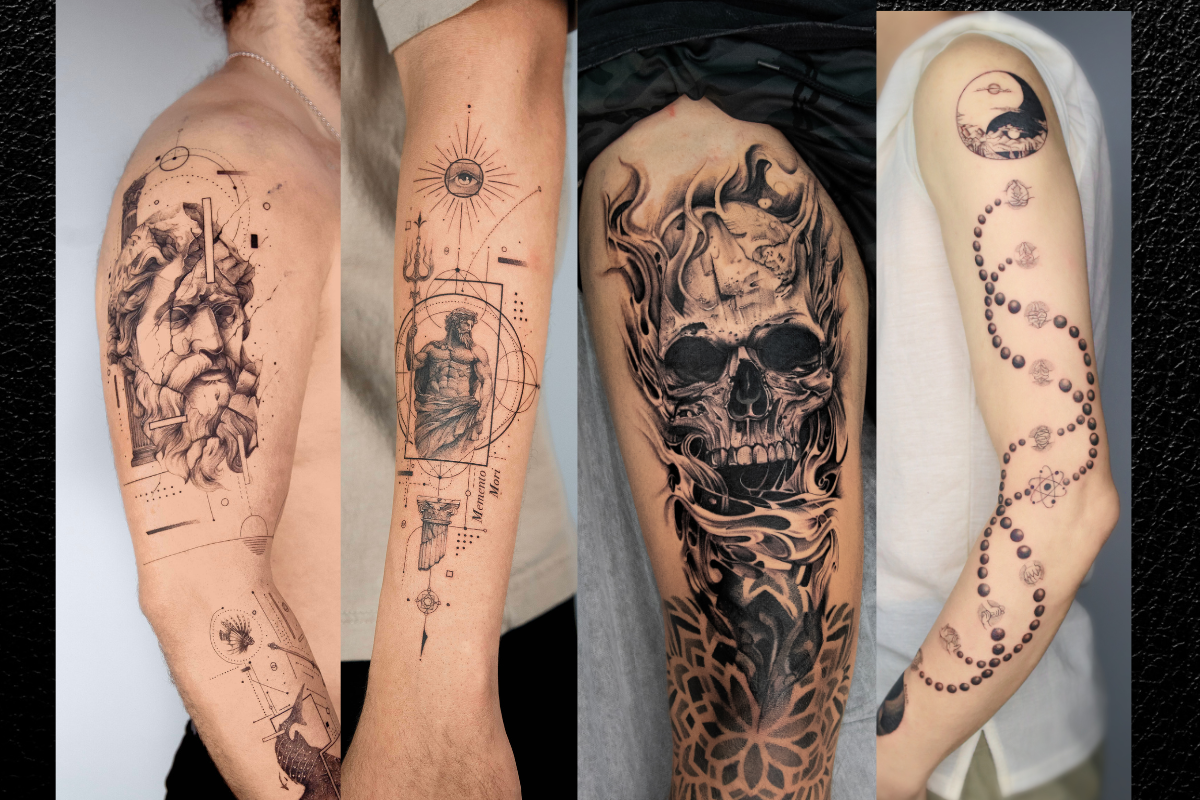
Man tattoo design categories
Strategic Placement Considerations
Placement decisions significantly impact how a man tattoo integrates with your physique, professional life, and personal style. The chest provides an expansive canvas for large-scale compositions that can be concealed or revealed based on attire choices. Shoulder and upper arm placements offer versatility, allowing designs to extend into full sleeves or remain as standalone pieces.
Forearm tattoos have become increasingly accepted in professional environments, particularly when executed with refined detail and thoughtful composition. The forearm's visibility makes it ideal for pieces you want to share regularly, while also serving as conversation starters. Back pieces accommodate grand artistic visions, from full coverage to targeted placement between shoulder blades.
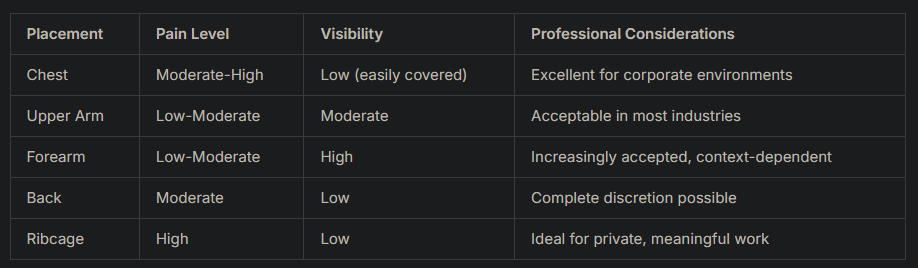
Understanding tattoo placement strategies ensures your design complements your body's natural contours while aligning with lifestyle requirements.
Body Dynamics and Design Flow
A successful man tattoo works harmoniously with musculature and movement. Designs that follow muscle fiber direction create natural flow, while pieces that ignore anatomical structure may appear distorted during flexing or posture changes. Experienced artists consider how aging, weight fluctuations, and muscle development affect long-term appearance.
Sleeve compositions require careful planning to ensure cohesive storytelling across multiple sessions. The transition from shoulder to wrist should maintain visual interest while avoiding awkward gaps or compressed imagery. Many clients begin with quarter or half sleeves, later expanding coverage as comfort with body art increases.
Selecting Design Elements and Symbolism
The most satisfying man tattoo choices combine aesthetic appeal with personal significance. Rather than selecting flash designs from studio walls, invest time in developing custom concepts that reflect your unique narrative. Consider life experiences, philosophical beliefs, cultural heritage, or aspirational qualities you wish to embody.
Symbolic depth transforms decorative art into meaningful personal talismans. A compass might represent life direction, wanderlust, or navigational guidance through challenging periods. Mountain ranges symbolize obstacles overcome, personal growth, or appreciation for natural beauty. Understanding symbolism behind tattoo designs enables you to craft imagery that resonates on multiple levels.
Research various cultural traditions to ensure accurate, respectful representation when incorporating elements from specific heritages. Misappropriation or superficial adoption of sacred symbols demonstrates cultural insensitivity and may lead to regrettable permanent choices.
Combining Multiple Elements
Complex man tattoo compositions often integrate several symbolic elements into unified designs. A memorial piece might combine portrait work with dates, meaningful quotes, and symbolic imagery representing the honored individual's passions. Nature scenes frequently incorporate wildlife, landscapes, and celestial elements to create rich, layered narratives.
Consider these combination approaches:
Thematic unity: Select elements sharing common themes like freedom, strength, or protection
Contrasting symbolism: Balance opposing concepts like life and death, chaos and order
Personal timeline: Incorporate symbols representing different life chapters
Cultural fusion: Thoughtfully blend elements from multiple traditions you genuinely connect with
Abstract interpretation: Transform concrete concepts into geometric or artistic representations
Collaborating with skilled artists helps translate abstract concepts into concrete visual compositions that maintain artistic integrity while honoring personal vision.
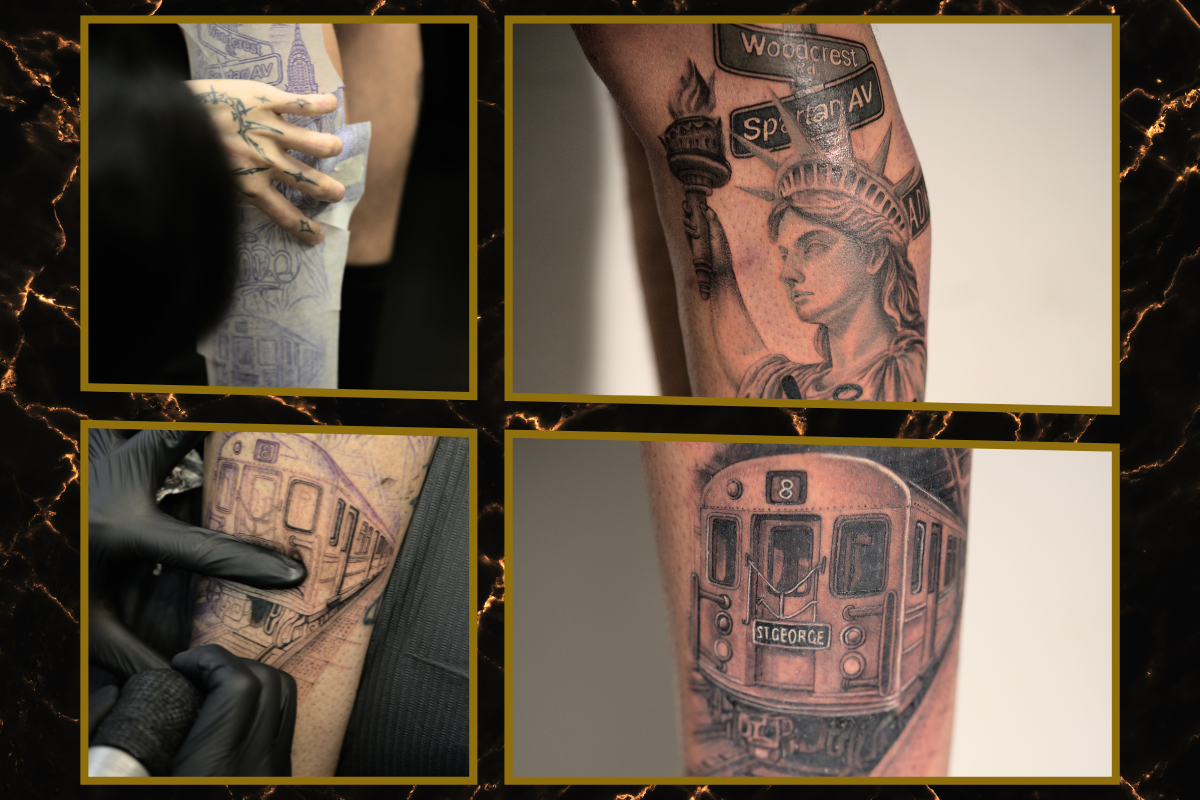
Man Tattoo Process
Working with Professional Tattoo Artists
Selecting the right artist represents perhaps the most critical decision in your man tattoo journey. Technical proficiency varies dramatically across practitioners, and mismatched expectations lead to disappointing results. Review portfolios extensively, focusing specifically on styles matching your desired aesthetic. An artist exceptional at traditional work may struggle with photorealism, while geometric specialists might not excel at organic, flowing compositions.
Schedule consultations before committing to substantial projects. These meetings reveal communication styles, creative approaches, and professional standards. Premium studios maintain rigorous hygiene protocols, use quality equipment, and prioritize client comfort throughout lengthy sessions.
When choosing your tattoo artist, assess their ability to refine your concepts while adding professional expertise. The best collaborations balance client vision with artistic insight, resulting in pieces superior to initial imagination.
Consultation and Design Development
Professional consultations explore design possibilities, placement optimization, and realistic session planning. Bring reference images, but avoid requesting exact replications of others' work. Instead, use references to communicate style preferences, detail levels, and compositional approaches.
Quality artists invest substantial time in custom design development, creating unique pieces tailored to your anatomy and preferences. Rush projects rarely achieve the refinement possible through thoughtful iteration. Allow adequate time between consultation and application for design refinement, ensuring you're completely satisfied before permanent commitment.
Preparation and Session Experience
Preparing properly for your man tattoo session enhances comfort, optimizes results, and demonstrates respect for your artist's time. Arrive well-rested and properly nourished-low blood sugar and fatigue intensify discomfort. Avoid alcohol for at least 24 hours prior, as it thins blood and complicates the tattooing process.
Wear comfortable, appropriate clothing allowing easy access to the tattoo area. For upper body work, loose-fitting shirts work best. Consider bringing entertainment for lengthy sessions, though many clients prefer focusing on breathing techniques and mindfulness to manage discomfort.
Understanding what happens during your session reduces anxiety and helps you prepare mentally for the experience. Most discomfort proves manageable, and many clients report pain levels below initial expectations.
Pain Management and Comfort Strategies
Pain tolerance varies significantly between individuals and body locations. Fleshy areas with substantial muscle or fat padding generally prove less sensitive than bony regions, skin close to bones, or areas with concentrated nerve endings. The ribcage, spine, feet, and hands rank among the most challenging placements.
Employ these comfort strategies:
Controlled breathing: Deep, rhythmic breathing reduces tension and manages discomfort
Mental distraction: Conversation, music, or focused meditation redirects attention
Strategic breaks: Longer sessions benefit from periodic pauses for stretching and resetting
Proper positioning: Maintain comfortable posture throughout to prevent muscle cramping
Positive mindset: Frame discomfort as part of earning meaningful, permanent art
Communication with your artist ensures they adjust technique or pace based on your needs. Professional tattooists prioritize client wellbeing and appreciate transparent feedback about comfort levels.
Essential Aftercare Practices
Proper aftercare determines whether your man tattoo heals vibrantly or experiences complications affecting appearance and longevity. The initial healing phase typically spans two to three weeks, during which consistent care prevents infection, color loss, and scarring. Follow your artist's specific instructions, as techniques vary slightly between practitioners.
Immediately after application, your tattoo remains bandaged to protect against bacteria and environmental contaminants. Leave the initial covering in place for the recommended duration, typically two to four hours. Upon removal, gently wash with lukewarm water and fragrance-free antibacterial soap, using clean hands only.
Comprehensive aftercare guidance emphasizes consistent cleaning and moisturizing routines that support optimal healing while preventing complications.
Daily Care Protocols
Establish a disciplined care routine for the first month following your man tattoo application:
Clean thoroughly two to three times daily with mild, fragrance-free soap
Pat dry gently with clean paper towels; avoid rubbing or using cloth towels
Apply thin layers of recommended ointment or fragrance-free lotion
Avoid soaking in baths, pools, hot tubs, or natural bodies of water
Protect from sun exposure completely during initial healing, then use high SPF sunscreen
Wear loose clothing preventing friction against fresh tattoo
Resist picking at scabs or peeling skin, allowing natural healing processes
According to Cleveland Clinic's aftercare recommendations, maintaining cleanliness while avoiding over-moisturizing creates optimal healing conditions. Excessive ointment application can suffocate skin and delay healing.
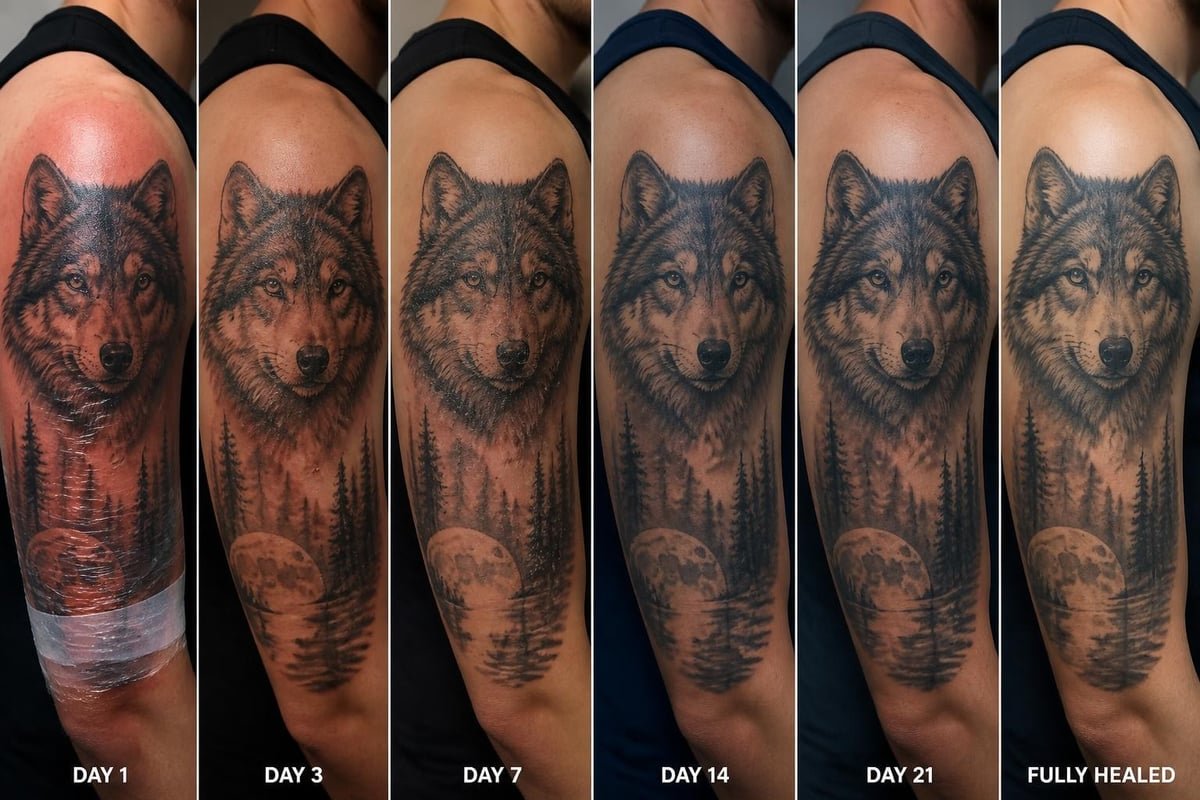
Man tattoo aftercare timeline
Long-Term Tattoo Maintenance
Beyond initial healing, maintaining your man tattoo's appearance requires ongoing attention. Sun exposure represents the primary threat to tattoo longevity, causing fading, color shifts, and detail loss over time. Apply broad-spectrum SPF 30+ sunscreen to tattooed areas whenever exposed to sunlight, even on overcast days.
Hydrated skin maintains color vibrancy better than dry, dehydrated tissue. Regular moisturizing with quality, fragrance-free lotions keeps tattooed skin supple and prevents premature aging that dulls appearance. Healthy lifestyle choices supporting overall skin health similarly benefit tattoo preservation.
As tattoos age, they naturally soften and spread slightly as ink particles migrate within skin layers. This process occurs gradually over decades, and proper care minimizes its impact. Some clients choose periodic touch-ups to refresh colors and sharpen details, maintaining crisp appearance indefinitely.
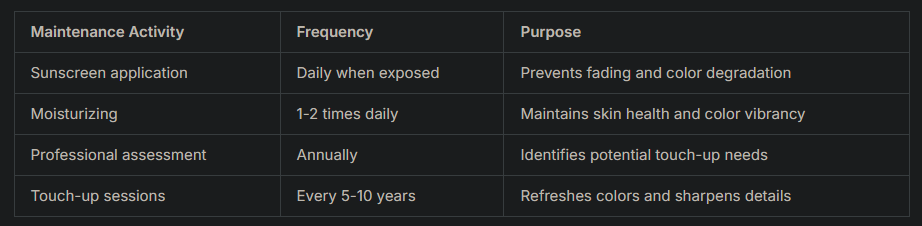
Understanding long-term care essentials ensures your investment maintains its visual impact throughout your lifetime.
Style Evolution and Collection Building
Many individuals begin with single, conservative man tattoo pieces before gradually expanding coverage as comfort with body art increases. This evolutionary approach allows you to assess healing experiences, pain tolerance, and professional implications before committing to extensive work. Collection building requires strategic planning to ensure cohesive aesthetics across multiple pieces.
Consider developing a unified theme or style throughout your collection, creating visual harmony between pieces applied over years. Alternatively, embrace eclectic approaches that document different life periods, each with distinct artistic styles representing that era's influences. Both approaches prove valid-your choice depends on personal aesthetic preferences.
Spacing sessions appropriately allows physical recovery and financial planning. Quality tattooing represents significant investment, particularly for custom, detailed work. Rushing between sessions for financial convenience often results in compromised quality or settling for less experienced artists.
Trending Styles for 2026
Current trends reflect growing appreciation for artistic sophistication and technical excellence. Contemporary tattoo aesthetics emphasize fine detail, subtle gradients, and compositions requiring exceptional skill. Micro-realism brings photographic detail to smaller scales previously impossible with traditional techniques.
Ornamental styles combining decorative patterns with meaningful symbols continue gaining traction among professionals seeking refined alternatives to bold traditional work. These designs often incorporate:
Intricate mandala-inspired patterns radiating from central focal points
Art nouveau influences with flowing, organic lines and natural motifs
Architectural elements featuring precise geometric construction
Blackwork stippling creating depth through dot density variation
Single-needle line work producing delicate, etching-like appearance
Watercolor techniques, while popular in previous years, face scrutiny regarding long-term durability. Many artists now incorporate watercolor aesthetics within solid structural frameworks, ensuring longevity while maintaining artistic fluidity.
Addressing Common Concerns and Misconceptions
Despite tattoo culture's mainstream acceptance, misconceptions persist regarding health impacts, professional limitations, and social perceptions. Modern tattooing, when performed by licensed professionals following proper protocols, poses minimal health risks. Reputable studios maintain sterile environments, use single-use needles, and follow comprehensive safety standards exceeding many medical facilities.
Professional acceptance has expanded dramatically across industries previously hostile to visible body art. While conservative fields like law and finance maintain stricter standards, even these sectors increasingly accommodate tasteful, well-executed tattoos. Many successful executives, entrepreneurs, and professionals sport extensive man tattoo collections without career impediment.
Social perceptions continue evolving, particularly among younger generations viewing tattoos as normalized self-expression rather than counterculture statements. Quality, thoughtful body art often garners respect and appreciation, while poorly executed or offensive imagery attracts legitimate criticism.
Making Informed, Future-Proof Choices
Minimize regret potential by following these guidelines when selecting your man tattoo:
Avoid trendy imagery likely to feel dated within years
Choose timeless styles with established longevity and cultural significance
Consider professional implications specific to your industry and career trajectory
Select meaningful content you'll appreciate regardless of life changes
Invest in quality rather than settling for budget alternatives
Think long-term about how designs age with your body and lifestyle
Exploring unusual yet timeless concepts often yields unique pieces that maintain relevance throughout decades while avoiding common, overused imagery.
Technical Considerations and Artistic Execution
Understanding technical aspects helps you appreciate craftsmanship quality and communicate effectively with artists. Needle configurations determine line weight, shading smoothness, and color saturation. Single needles create fine details, while magnum groupings cover larger areas efficiently. Skilled artists select appropriate configurations throughout sessions, optimizing results for specific design elements.
Ink quality significantly impacts color vibrancy, healing consistency, and long-term appearance. Premium studios invest in professional-grade pigments formulated specifically for tattooing, avoiding questionable alternatives potentially containing harmful additives. Reputable manufacturers subject their products to rigorous testing, ensuring safety and performance.
Machine quality and maintenance affect application precision. Modern rotary machines offer quiet operation and consistent needle movement, while traditional coil machines provide distinctive characteristics preferred by some artists. Both types produce excellent results in skilled hands-artist proficiency matters more than equipment style.
Color Theory and Skin Tone Considerations
Effective color selection requires understanding how pigments interact with individual skin tones. Darker complexions showcase certain colors brilliantly while rendering others less visible. Lighter skin tones accommodate the full spectrum but require different approaches to achieve desired effects. Experienced artists adjust saturation levels, color combinations, and contrast ratios based on your specific coloring.
Black and grey work translates universally across all skin tones, making it an accessible choice for anyone uncertain about color selection. These pieces rely on shading depth and contrast rather than chromatic variety, producing timeless results that age gracefully. Learning about color optimization for different skin tones ensures your man tattoo achieves intended visual impact.
Financial Investment and Value Assessment
Quality man tattoo work represents significant financial investment, with pricing varying based on artist experience, design complexity, session length, and geographic location. Hourly rates for exceptional artists typically range from $150 to $300 or higher, reflecting years of training, equipment investment, and refined expertise. Large-scale projects may involve discounted day rates or project pricing.
While budget considerations matter, prioritizing cost over quality proves penny-wise and pound-foolish. Inferior work requires expensive correction or removal, ultimately costing more than initial investment in skilled artists. View your man tattoo as permanent artwork-comparable quality in other mediums commands substantial prices, and tattooing deserves similar valuation.
Many premium studios require deposits securing appointment slots, with remaining balances due upon completion. This structure protects artists' time investment while demonstrating client commitment. Deposits typically apply toward final costs unless you cancel within restricted timeframes.
Evaluating Studio Quality and Professionalism
When researching potential studios for your man tattoo, assess these quality indicators:
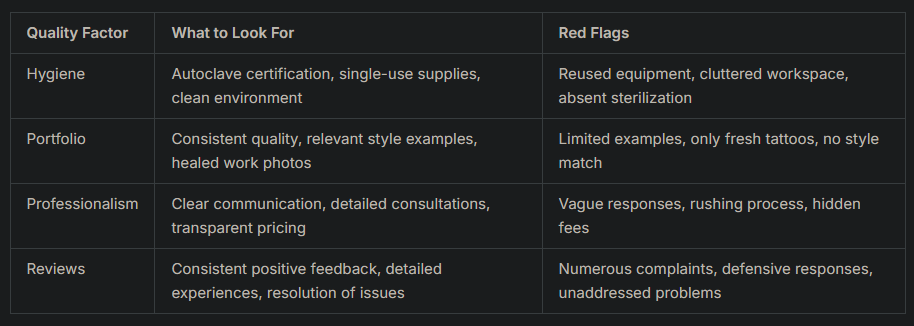
Understanding how to choose the right studio protects your health, investment, and ultimate satisfaction with results.