Tattoo for the Wrist: Design Ideas & Pain Guide 2026
The wrist represents one of the most popular yet challenging canvas locations for body art. A tattoo for the wrist offers exceptional visibility and personal significance, making it an ideal choice for both first-time clients and experienced tattoo collectors. This delicate area requires careful consideration of design, placement, pain management, and aftercare to achieve stunning, long-lasting results. Whether you're drawn to fine line artistry, minimalist symbols, or intricate detailed work, understanding the unique characteristics of wrist tattoos ensures you make informed decisions that align with your aesthetic vision and lifestyle needs.
Understanding Wrist Anatomy and Tattoo Placement
The wrist consists of multiple bones, tendons, and nerves concentrated in a relatively small area. This anatomical complexity directly influences both the tattooing process and design options available. The thin skin covering minimal fat deposits creates distinct considerations compared to more cushioned body areas.
Three primary placement zones exist for a tattoo for the wrist:
Inner wrist: Most visible when extending your hand toward others, ideal for meaningful personal symbols
Outer wrist: Visible when hands rest naturally, perfect for designs you want to see frequently throughout your day
Side wrist: Offers a unique vertical canvas that wraps around the wrist's edge
Each placement zone presents different visibility levels, pain sensitivities, and design opportunities. The inner wrist typically experiences more stretching during daily movements, which affects how designs age over time. When selecting the perfect tattoo placement, consider how your profession, personal style, and lifestyle activities interact with different wrist positions.
Design Size and Proportion Considerations
Wrist dimensions naturally limit design complexity and size. Most successful wrist tattoos measure between one to three inches, though wraparound designs can extend further around the wrist circumference. Scale matters tremendously in this location.
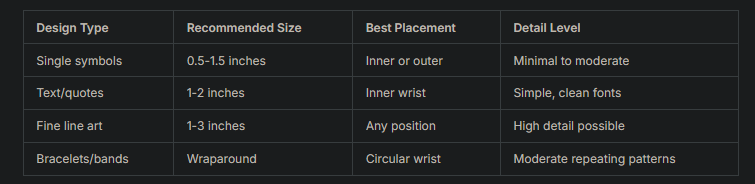
Fine line techniques excel in wrist applications because they maintain clarity without requiring excessive space. Designs incorporating negative space and minimal elements often age more gracefully than heavily detailed compositions compressed into small dimensions.
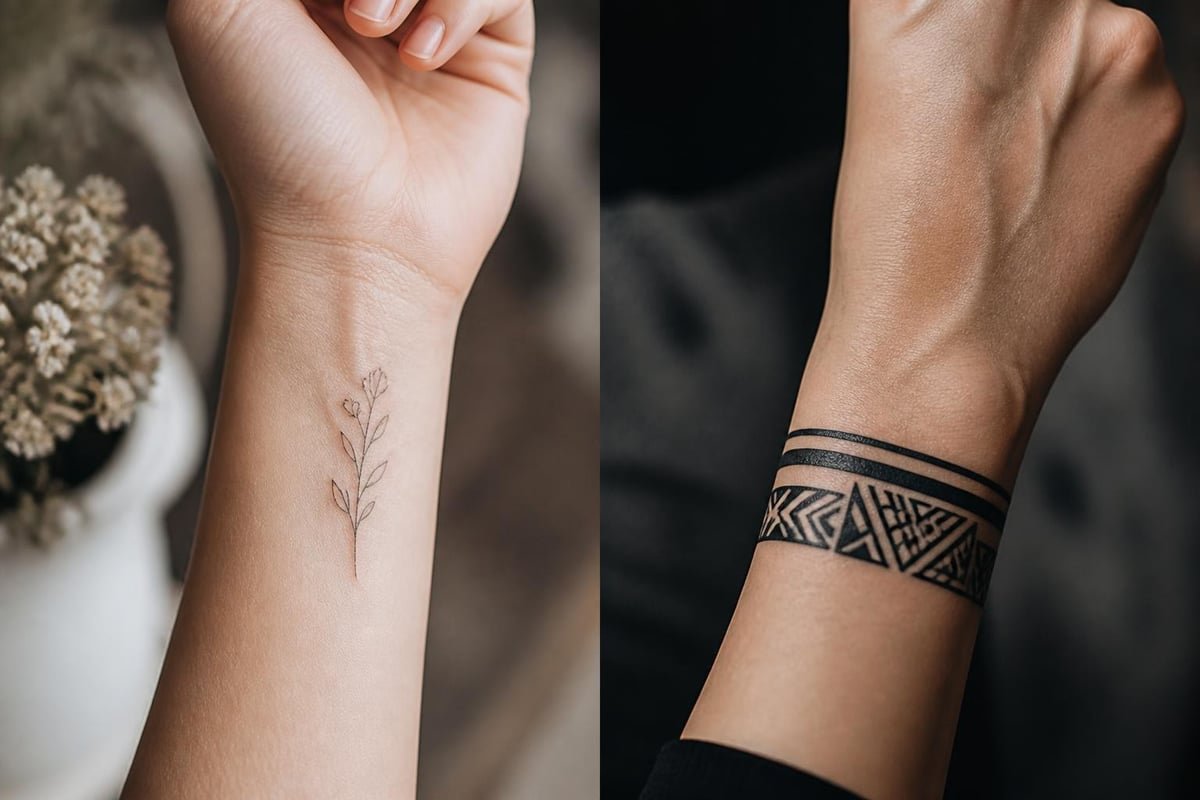
Wrist tattoo design styles comparison
Pain Levels and What to Expect
Understanding wrist tattoo pain helps set realistic expectations for your session. The wrist ranks among the more sensitive tattoo locations due to proximity to bone, minimal fat padding, and concentration of nerve endings. However, pain tolerance varies significantly between individuals, and several factors influence discomfort levels.
The sensation during a tattoo for the wrist typically feels sharp and stinging rather than dull pressure. Most clients describe it as uncomfortable but manageable, especially for smaller designs requiring shorter session times. Sessions for simple wrist tattoos often last 30 minutes to two hours, making the discomfort temporary and worthwhile for many collectors.
Factors Affecting Pain Intensity
Several elements determine your specific pain experience:
Personal pain threshold: Individual sensitivity varies based on genetics, previous tattoo experience, and general pain tolerance
Placement specificity: Inner wrist areas with visible veins tend to be more sensitive than outer wrist locations
Design complexity: Detailed shading and color saturation require more passes than simple line work
Artist technique: Experienced professionals work efficiently, minimizing unnecessary skin trauma
Time of day: Many clients report lower pain sensitivity in morning appointments when well-rested
Before committing to extensive work, consider how your body responds to discomfort. Your first tattoo session provides valuable insight into your pain tolerance and helps inform future placement decisions.
Popular Design Styles for Wrist Tattoos
Certain aesthetic approaches particularly suit wrist dimensions and visibility. The constrained canvas encourages creativity within limitations, resulting in some of the most elegant and meaningful body art pieces.
Minimalist and geometric designs dominate contemporary wrist tattoo trends. Clean lines, simple shapes, and symbolic representations translate beautifully to this location. Triangles, circles, dots, and linear patterns create striking visual impact without overwhelming the delicate wrist area.
Fine line and delicate artwork represents the specialty approach that distinguishes luxury studios from standard parlors. These techniques require exceptional precision and steady hands, producing intricate designs that appear almost ethereal. Floral elements, constellation patterns, and nature-inspired imagery work particularly well in fine line tattoo styles.
Text and Typography Options
Words and phrases remain consistently popular for wrist placement because of the intimate reading distance this location provides. Short meaningful words, dates, coordinates, or brief quotes fit naturally along the wrist's linear dimension.
Font selection significantly impacts legibility and longevity. Simple, bold typefaces without excessive embellishment maintain clarity as the tattoo ages. Script fonts require careful sizing to ensure individual letters remain distinguishable. Design ideas for wrist tattoos emphasize readable typography that balances aesthetic appeal with functional clarity.
Symbolic and cultural imagery provides another rich category. Small symbols carrying personal meaning work exceptionally well: hearts, anchors, arrows, celestial bodies, religious icons, or cultural symbols. When executed with proper proportions and clean lines, these designs remain recognizable and meaningful throughout your lifetime.
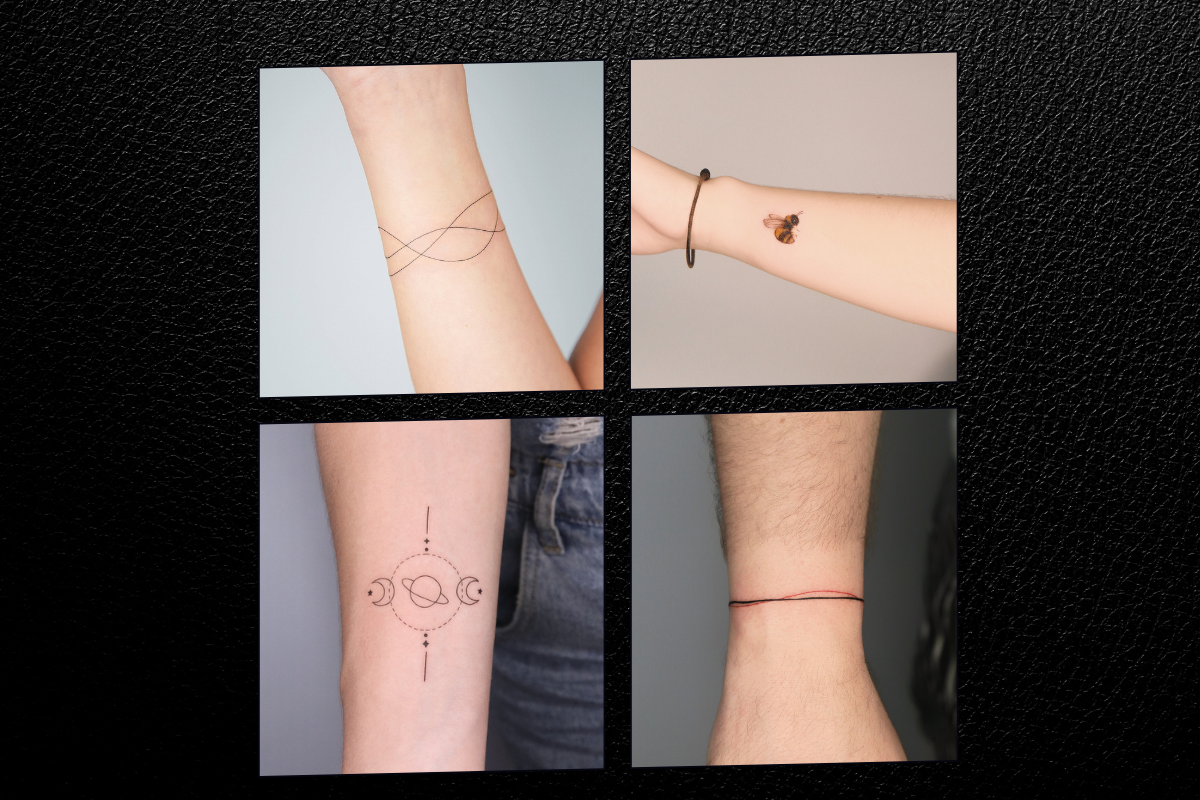
Wrist tattoo meaning categories
Visibility and Professional Considerations
A tattoo for the wrist ranks among the most visible placements available. Unlike back, chest, or thigh tattoos that remain concealed under most clothing, wrist tattoos frequently appear during professional interactions, social situations, and daily activities. This visibility requires thoughtful consideration of your career field, personal brand, and long-term professional goals.
Many industries have evolved toward greater tattoo acceptance, yet conservative sectors still maintain traditional appearance standards. Before committing to visible wrist artwork, research your industry's cultural norms and company-specific policies. Some professionals choose smaller, subtle designs that convey personal meaning without drawing excessive attention.
Concealment Options When Needed
Strategic wardrobe choices provide temporary coverage when professional situations demand:
Long-sleeved shirts and blouses effectively hide wrist tattoos
Wide watches, bracelets, or cuff accessories create focal points that draw attention away from tattoos
Specialized tattoo concealer makeup offers temporary camouflage for important presentations or interviews
Wrist bands designed specifically for tattoo coverage provide comfortable, breathable options
Understanding these practical considerations helps you embrace a tattoo for the wrist confidently, knowing you maintain control over visibility based on circumstances. Choosing the right tattoo studio includes discussing these real-world considerations with experienced artists who understand both artistry and lifestyle integration.
Color Versus Black and Gray
Color choices dramatically affect wrist tattoo appearance, longevity, and maintenance requirements. The wrist's high sun exposure and frequent washing accelerate color fading compared to more protected body areas.
Black and gray tattoos offer several advantages for wrist placement. These designs maintain contrast and clarity longer than color work, require less frequent touch-ups, and suit virtually any skin tone. The timeless aesthetic of black ink ages gracefully, developing a slightly softer appearance that many collectors appreciate.
Color tattoos bring vibrancy and dimension but demand additional commitment. Colored inks fade faster on wrists due to constant sun exposure, hand washing, and skin cell turnover. Vibrant hues like reds, oranges, and yellows particularly struggle with longevity in this location. Selecting appropriate colors for your skin tone maximizes initial impact and long-term satisfaction.
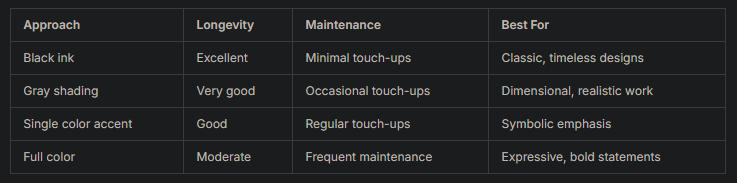
Luxury studios specializing in fine line work often recommend strategic color use: primarily black ink with selective color accents that enhance rather than dominate the design. This approach balances visual interest with practical longevity.
Healing Process and Aftercare Requirements
Proper aftercare determines whether your tattoo for the wrist heals beautifully or develops complications. The wrist presents unique healing challenges due to constant movement, frequent washing, and difficulty keeping the area completely still during recovery.
The initial healing phase spans two to three weeks, during which the tattooed skin progresses through several stages. Comprehensive aftercare guides outline specific protocols, but fundamental principles remain consistent across professional studios.
Essential Aftercare Steps
Following these evidence-based practices ensures optimal healing:
Keep the tattoo clean: Gently wash with fragrance-free, antibacterial soap twice daily using lukewarm water
Moisturize appropriately: Apply thin layers of recommended ointment or fragrance-free lotion three to four times daily
Protect from sun exposure: UV rays damage healing skin and cause premature fading; use SPF 50+ sunscreen once healed
Avoid submersion: Skip swimming pools, hot tubs, and baths for three weeks; showers are acceptable
Minimize wrist flexion: Excessive bending during initial healing can disrupt the settling process
Wrist-specific challenges include avoiding tight watches, bracelets, or clothing that creates friction against the fresh tattoo. Easier tattoo healing requires patience and consistent care, particularly during the first week when scabbing and peeling naturally occur.
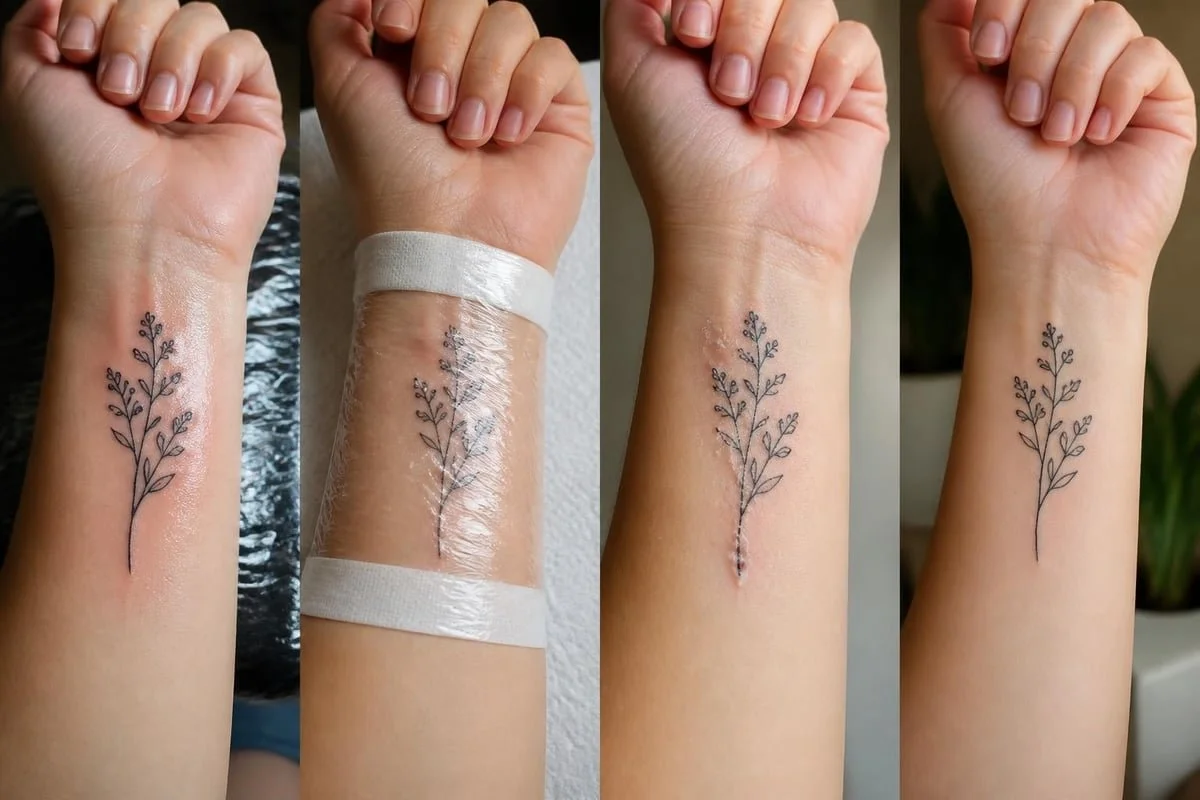
Wrist tattoo aftercare timeline
Design Customization and Personal Meaning
The most successful wrist tattoos reflect authentic personal significance rather than following temporary trends. A tattoo for the wrist occupies prime visual real estate, making thoughtful design selection essential for long-term satisfaction.
Meaningful symbolism transforms simple designs into powerful personal statements. Consider incorporating elements representing:
Important life milestones or transformative experiences
Connections to loved ones through names, dates, or shared symbols
Personal values, beliefs, or philosophical principles
Cultural heritage or spiritual traditions
Artistic expressions of identity and self-concept
Understanding the symbolism behind tattoo designs enriches the creative process and ensures your artwork carries lasting significance. Experienced artists guide clients toward designs that balance personal meaning with aesthetic excellence.
Working with Professional Artists
Collaboration between client and artist produces the finest results. Choosing your tattoo artist involves reviewing portfolios for style compatibility, discussing design concepts thoroughly, and trusting professional guidance regarding technical execution.
Luxury studios distinguish themselves through consultation depth and customization commitment. Rather than selecting flash designs from walls, clients receive personalized artwork developed specifically for their vision, wrist dimensions, and aesthetic preferences. This bespoke approach ensures uniqueness and optimal design adaptation to the wrist's natural contours.
Sizing and Spacing Considerations
Proper sizing prevents the most common wrist tattoo regrets. Designs scaled too small lose detail and clarity as skin naturally ages. Conversely, oversized designs can appear cramped or extend beyond intended boundaries.
Professional artists evaluate wrist dimensions individually, recommending sizes that complement natural proportions while maintaining design integrity. Detailed design execution requires sufficient space for proper line work, shading, and negative space that prevents visual crowding.
Spacing around existing tattoos matters when planning collections. Adequate distance between pieces allows each design to breathe and prevents visual chaos. Many collectors develop cohesive wrist-to-forearm flows that integrate multiple tattoos into unified sleeve compositions.
Long-Term Maintenance and Touch-Ups
Even perfectly executed wrist tattoos require occasional maintenance. The combination of sun exposure, frequent washing, and constant movement gradually affects ink retention and line clarity.
Most wrist tattoos benefit from touch-ups every five to ten years, though timing varies based on:
Initial tattoo quality and ink saturation
Sun protection habits and UV exposure levels
Skin type and natural aging processes
Design complexity and color usage
Aftercare adherence during healing
A comprehensive 2026 guide to wrist tattoos emphasizes preventive care that extends tattoo vibrancy. Daily sunscreen application once healed, gentle skin care products, and regular moisturizing significantly extend the time between required touch-ups.
Investment in quality ultimately reduces long-term costs. Premium inks, expert application techniques, and proper aftercare create foundations that resist fading and maintain crispness far longer than budget alternatives. Luxury studios prioritize longevity alongside aesthetic excellence, ensuring your tattoo for the wrist remains beautiful for decades.
Matching Pairs and Complementary Designs
Many clients choose coordinating wrist tattoos for both arms, creating balanced symmetry or complementary contrasts. This approach offers creative opportunities while requiring additional planning to ensure cohesive results.
Symmetrical matching designs create mirror images on left and right wrists. Popular options include identical symbols, matching text phrases, or complementary halves that unite when wrists meet. Considerations before getting matching tattoos apply whether coordinating with a partner or creating personal bilateral designs.
Asymmetrical complementary tattoos allow greater creative freedom while maintaining thematic connections. Sun and moon, yin and yang, or sequential elements tell stories across both wrists without requiring identical execution. This approach suits collectors who prefer variety within cohesive personal narratives.
Special Considerations for Cover-Ups
Some clients seek wrist tattoos to transform existing artwork or cover scars and birthmarks. These situations require specialized approaches and realistic expectations about achievable outcomes.
Scar tissue accepts ink differently than undamaged skin. Raised scars may not hold pigment uniformly, while depressed scars create textural challenges that affect line smoothness. Professional evaluation of tattoos over scars determines feasibility and design modifications necessary for successful coverage.
Cover-up designs typically incorporate darker inks and strategic composition that disguises rather than completely hides underlying marks. Experienced artists skilled in cover-up work create designs that transform imperfections into integrated elements of new artwork.