Tattoo Covering Tattoo: Complete Guide for 2026
The decision to get a tattoo covering tattoo involves careful consideration of artistic techniques, design possibilities, and realistic expectations. Whether you have regrets about an old piece, your style has evolved, or you simply want to refresh faded ink, understanding the cover-up process helps ensure successful results. The tattoo industry has advanced significantly, with experienced artists developing sophisticated methods to transform existing tattoos into stunning new artwork that aligns with your current vision and aesthetic preferences.
Understanding the Tattoo Covering Tattoo Process
When considering a tattoo covering tattoo, the fundamental principle involves using darker pigments and strategic design placement to mask the original artwork. The process differs significantly from creating a fresh tattoo on blank skin because artists must work around existing ink, considering its color intensity, size, and placement.
The physics behind cover-ups relies on how ink layers interact beneath the skin's surface. When new ink is deposited over old tattoo pigment, the colors combine rather than replace the original. This means lighter colors cannot effectively cover darker ones, and artists must use designs with sufficient density and darkness to obscure what lies beneath.
Technical Considerations for Successful Cover-Ups
Several factors determine whether a tattoo covering tattoo will achieve your desired outcome. Understanding these elements helps set realistic expectations and guides your consultation with a professional artist.
Critical factors include:
Original tattoo darkness and density - Lighter, more faded tattoos offer more flexibility
Size constraints - Cover-ups typically need to be larger than the original
Color composition - Dark blues, blacks, and purples are hardest to cover
Skin tone and texture - Affects how new pigments appear over old ink
Age of existing tattoo - Older, faded tattoos are easier to cover
The factors influencing tattoo cover-up feasibility include assessment of all these variables to determine the best approach. At Vital Luxury Tattoo Studio Bangkok, our artists conduct thorough evaluations to develop customized solutions that maximize artistic potential while managing technical constraints.
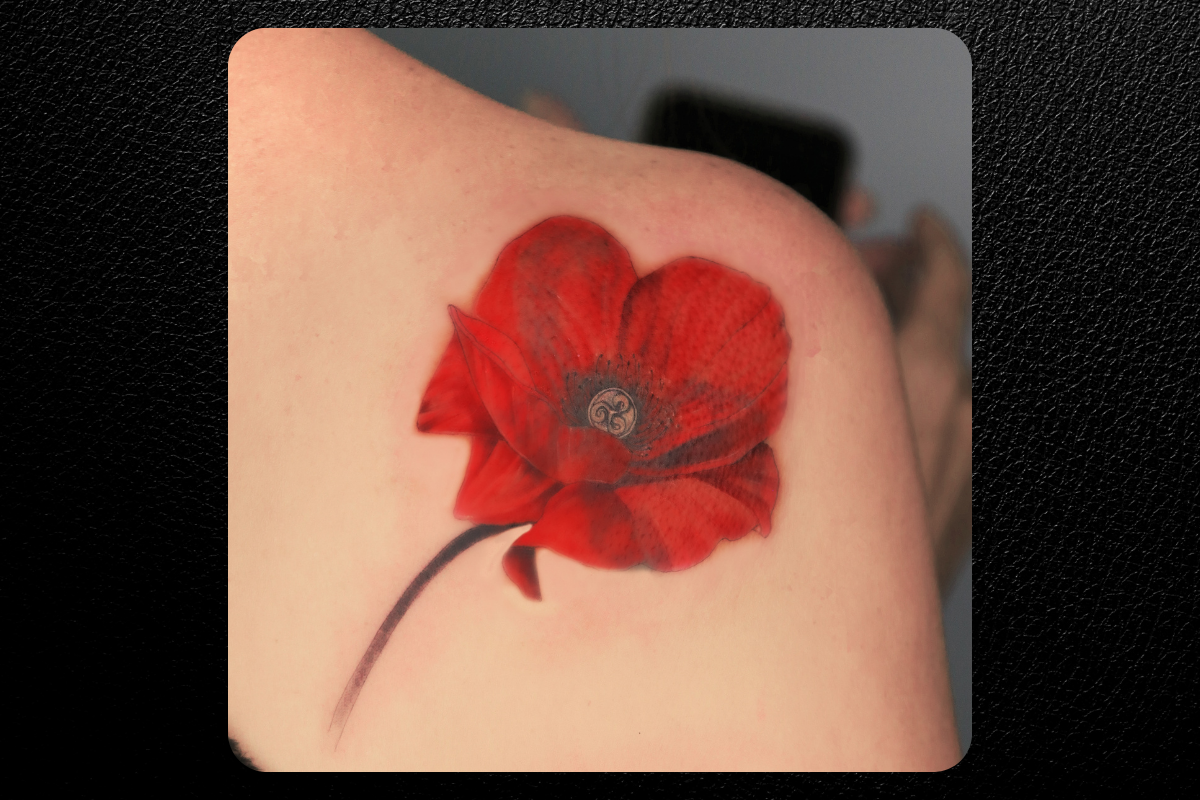
Cover up assessments factors
Design Strategies for Tattoo Covering Tattoo Success
Creating an effective cover-up requires more than simply choosing a larger design. Strategic planning ensures the new tattoo not only conceals the old one but stands as beautiful artwork in its own right.
Optimal Design Styles for Cover-Ups
Different tattoo styles offer varying levels of effectiveness for cover-up work. Some styles naturally incorporate the density and complexity needed to mask existing ink.
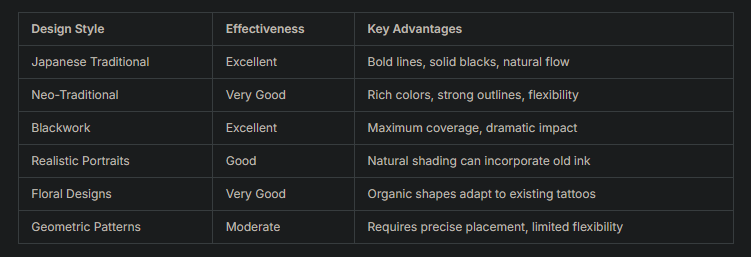
Exploring top tattoo styles provides insight into which aesthetic approaches work best for your specific situation. The selection depends on the original tattoo's characteristics and your personal style preferences.
Incorporating the Original Tattoo Into New Designs
Experienced artists approach tattoo covering tattoo projects by analyzing the existing piece's strongest elements. Sometimes the original tattoo's darkest areas become shadow regions in the new design, while lighter sections transform into highlights or negative space.
The strategic use of positive and negative space allows artists to work with the existing tattoo rather than fighting against it. Understanding how different colors work with various skin tones becomes even more critical when dealing with the complexity of layered pigments.
Design integration techniques:
Shadow incorporation - Using the darkest areas of old tattoos as natural shadows
Pattern overlay - Placing intricate patterns over lighter sections
Extension strategies - Expanding the design beyond original boundaries
Color blending - Selecting new colors that complement or neutralize old pigments
Focal point redirection - Drawing attention to new design elements
The Role of Laser Fading in Cover-Up Preparation
Not all tattoos can be immediately covered with satisfactory results. When the original piece is too dark, too large, or in an awkward position, laser fading treatments may be necessary before proceeding with a tattoo covering tattoo.
Laser technology breaks down tattoo pigment into smaller particles that the body's immune system can process and eliminate. This process lightens the existing tattoo, expanding the range of design possibilities for the cover-up. The technical aspects of tattoo cover-ups explain how laser preparation enhances final results.
When Laser Treatment Makes Sense
Determining whether to undergo laser sessions before your cover-up depends on your specific situation and goals. Some indicators suggest laser fading would significantly improve the outcome.
Heavy saturation of black or dark blue ink
Designs with minimal flexibility for larger cover-ups
Desire for lighter-colored cover-up artwork
Limited space for design expansion
Professional tattoos with high-quality, dense pigmentation
Most clients require between two and five laser sessions spaced six to eight weeks apart. Understanding when tattoo cover-ups work effectively helps determine if laser preparation fits your timeline and budget.
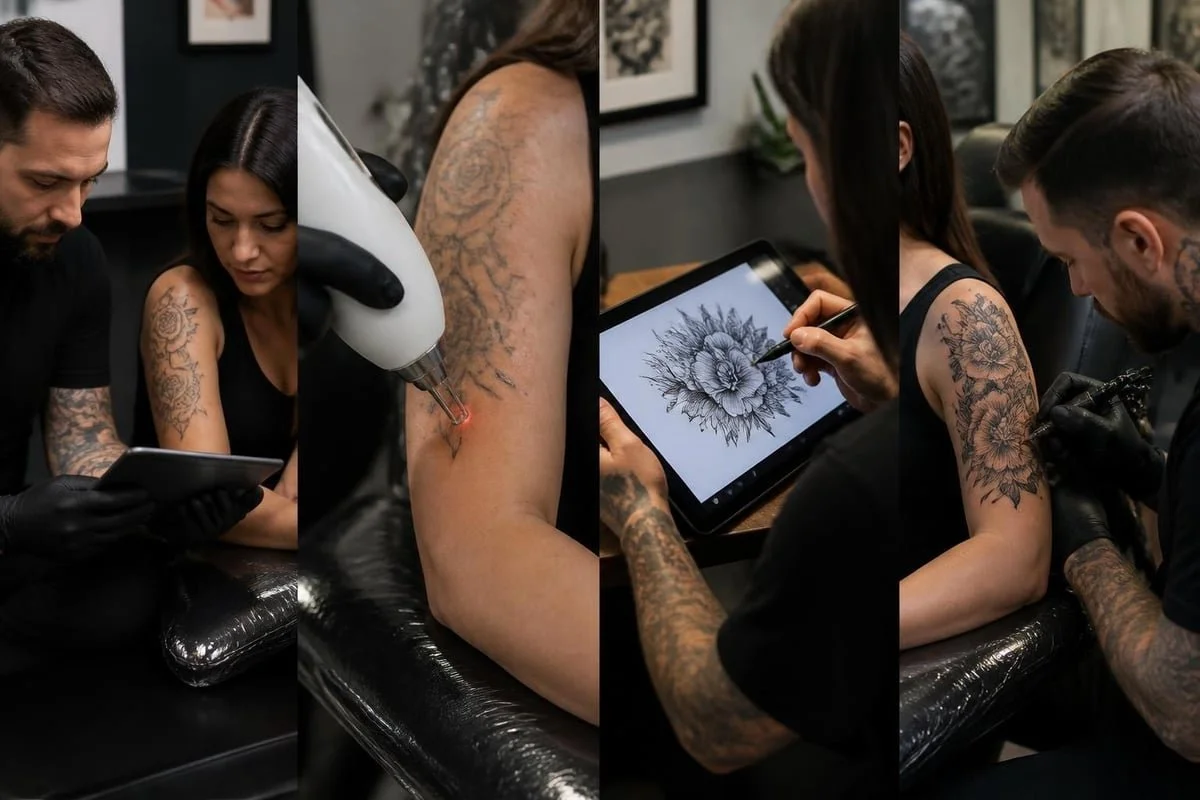
Cover-up preparation timeline
Selecting the Right Artist for Your Cover-Up
The success of a tattoo covering tattoo relies heavily on the artist's experience, technical skill, and creative vision. Cover-ups demand advanced expertise beyond standard tattooing abilities.
Evaluating Artist Qualifications
When researching artists for your cover-up project, examine their portfolio specifically for cover-up work. Many talented tattoo artists lack cover-up experience, which requires specialized knowledge of color theory, design adaptation, and working with compromised skin.
Essential qualifications to verify:
Dedicated portfolio section showing before-and-after cover-up work
Experience with designs similar to your desired style
Understanding of color theory and pigment interaction
Transparent communication about realistic possibilities
Willingness to discuss limitations and alternatives
Choosing the right tattoo artist becomes even more crucial for cover-up work. At Vital Luxury Tattoo Studio Bangkok, our artists specialize in fine line and detailed work, bringing precision and artistic sophistication to complex cover-up challenges.
The Consultation Process for Cover-Up Tattoos
Professional studios approach tattoo covering tattoo consultations systematically, gathering information to develop the most effective solution. This initial meeting sets the foundation for your entire cover-up journey.
During consultations, artists photograph and measure the existing tattoo, discuss your style preferences, and explain realistic options. They may create preliminary sketches or use digital tools to visualize possibilities. Understanding what to expect during your first tattoo session helps you prepare for the consultation and subsequent appointments.
Questions to Ask During Your Consultation
Come prepared with specific questions that help you understand the process, timeline, and expected results. Clear communication ensures alignment between your vision and the artist's capabilities.
How many sessions will the cover-up require?
Will laser fading improve my options, and if so, by how much?
Can you show me similar cover-ups you've completed?
What design styles work best for my specific tattoo?
How much larger will the new design need to be?
What is the realistic timeline from start to finish?
How will healing differ from a regular tattoo?
Design Development and Customization
Once you commit to a tattoo covering tattoo project, the design phase begins. This creative process balances artistic vision with technical requirements, resulting in a piece that effectively covers the old tattoo while reflecting your personal style.
Artists typically create multiple design concepts, allowing you to provide feedback and request modifications. The comprehensive guide to designing cover-up tattoos outlines the collaborative process between client and artist.
Balancing Coverage and Aesthetics
The challenge lies in creating artwork that provides sufficient coverage without compromising aesthetic quality. Some clients initially resist larger designs, but understanding size requirements prevents disappointment with inadequate coverage.
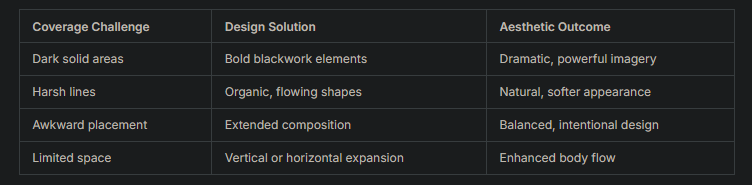
The artistry involved in covering scars with tattoos shares similarities with cover-up work, as both require strategic design placement and technical adaptation.
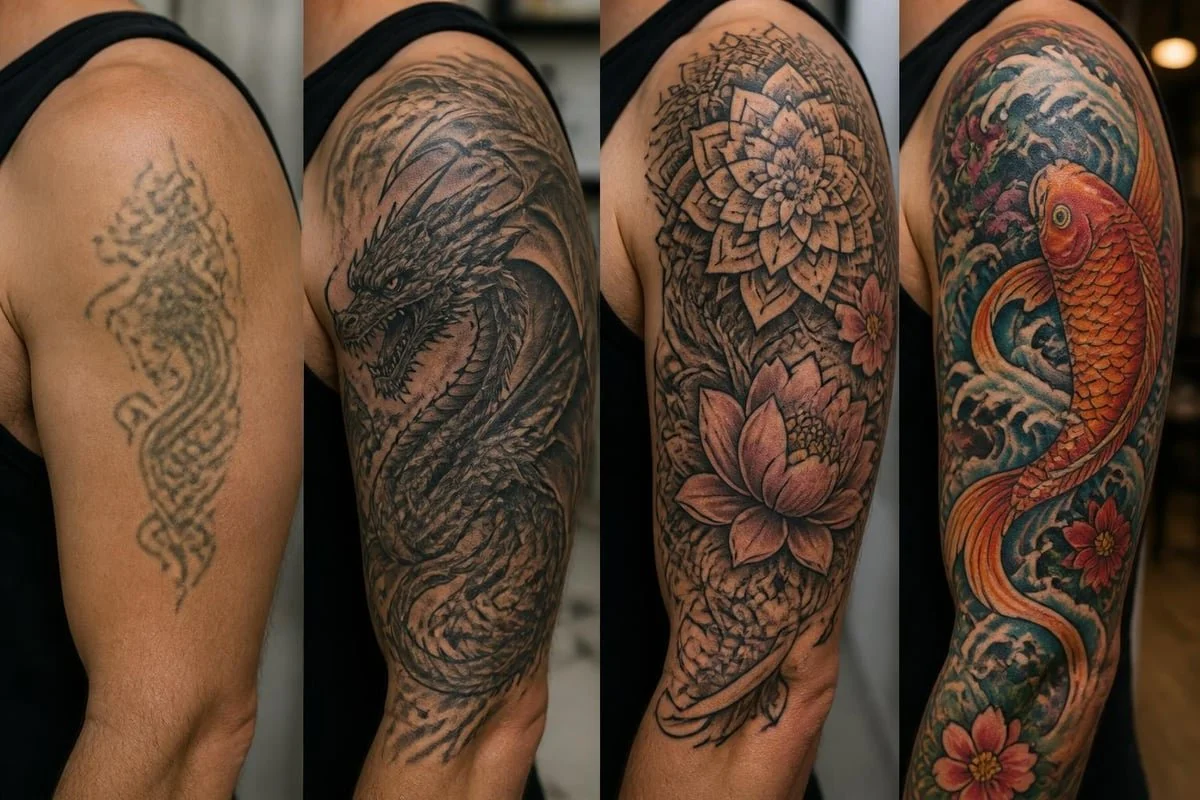
Cover-up design strategies
Color Theory in Cover-Up Tattooing
Understanding how colors interact when layered is fundamental to successful tattoo covering tattoo work. Artists must predict how new pigments will appear over existing ink, considering both the original colors and the client's skin tone.
Strategic Color Selection
Certain color combinations produce predictable results, while others create muddy or unintended hues. Professional artists leverage this knowledge to select pigments that neutralize or complement underlying colors.
Effective color strategies include:
Using cool tones (blues, purples) over warm tones (reds, yellows)
Incorporating blacks and dark browns for maximum coverage
Avoiding light colors over dark pigments
Selecting earthy tones that blend naturally
Planning color gradients that transition smoothly
The mechanics of tattoo cover-ups emphasize how larger, darker designs create the density needed to obscure existing work effectively.
Execution and Multiple Session Planning
Most tattoo covering tattoo projects require multiple sessions, especially for larger pieces or heavily saturated original tattoos. Understanding the session structure helps you plan your schedule and manage expectations.
Session Structure and Timing
Artists typically begin with outline work, establishing the new design's framework before adding shading and color. This approach allows for adjustments and ensures proper coverage before committing to detailed work.
The time between sessions allows skin to heal completely, preventing complications and ensuring optimal pigment retention. Following proper tattoo aftercare essentials becomes crucial for maintaining both the new work and managing the stressed skin from covering existing ink.
Managing Expectations and Potential Limitations
Honest communication about what tattoo covering tattoo can and cannot achieve prevents disappointment. While modern techniques expand possibilities significantly, some limitations remain inherent to the process.
Realistic Outcome Expectations
Perfect coverage that completely eliminates all traces of the original tattoo may not always be possible. However, skilled artists can create beautiful new pieces where the old tattoo becomes virtually undetectable under normal viewing conditions.
The possibilities and limitations of tattoo cover-ups require realistic expectations balanced with trust in your artist's expertise. Accepting that the new design may be larger or darker than initially envisioned often leads to better overall satisfaction.
Common misconceptions to address:
Cover-ups don't completely "erase" old tattoos but mask them artistically
Light-colored cover-ups over dark tattoos rarely succeed without laser prep
The new design will likely extend beyond the original tattoo's boundaries
Touch-ups may be necessary to achieve optimal coverage
Healing may take slightly longer due to working over scarred skin
Advanced Techniques and Innovations
The field of tattoo covering tattoo continues evolving with new techniques, tools, and approaches. Forward-thinking artists experiment with innovative methods to expand what's possible in cover-up work.
Modern Cover-Up Approaches
Contemporary artists combine traditional techniques with modern innovations, using technology to preview designs and advanced pigments that offer better coverage properties. Some studios utilize specialized inks formulated specifically for cover-up work, providing superior opacity and color stability.
Digital design tools allow clients to visualize the proposed cover-up before committing to the artwork. This technology helps refine designs and adjust placement to optimize coverage while maintaining aesthetic appeal.
Aftercare Considerations for Cover-Up Tattoos
Healing from a tattoo covering tattoo requires the same diligent aftercare as any tattoo, with additional attention to potential complications from working over previously tattooed skin. The tissue has already been traumatized once and may respond differently to the new work.
Following easier tattoo healing tips ensures optimal results and prevents infections or complications that could compromise your cover-up. Proper moisturizing, avoiding sun exposure, and resisting the urge to pick at scabs remain essential throughout the healing process.
Special Aftercare Protocols
Some areas with heavy coverage may require extended healing periods or modified aftercare routines. Your artist will provide specific instructions based on your particular situation.
Keep the area clean and moisturized without over-applying products
Expect potentially longer healing times than virgin skin tattoos
Watch for signs of rejection or allergic reactions to new pigments
Avoid activities that stress the healing skin
Schedule follow-up appointments to assess healing and discuss touch-ups
Cost Considerations and Investment Planning
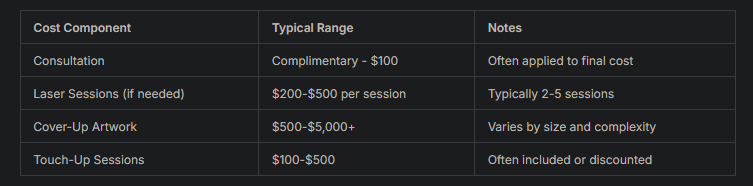
Tattoo covering tattoo projects typically cost more than equivalent-sized new tattoos due to the additional complexity and time required. Understanding the financial investment helps you plan appropriately and choose the right artist for your needs.
Pricing factors include the original tattoo's size and complexity, the number of sessions required, whether laser preparation is needed, and the artist's experience level. Premium studios like Vital Luxury Tattoo Studio Bangkok offer exceptional quality that justifies the investment through superior artistry and luxurious client experiences.
Budgeting for Your Cover-Up
Creating a realistic budget accounts for all aspects of the cover-up journey, from initial consultation through final touch-ups. Consider setting aside contingency funds for potential additional sessions or laser treatments if needed.
Long-Term Maintenance and Touch-Ups
Even perfectly executed cover-ups may require touch-ups over time as tattoos naturally fade with age and sun exposure. Planning for long-term maintenance ensures your cover-up remains vibrant and effective for years to come.
Regular sun protection becomes especially important for cover-up tattoos, as UV exposure can cause uneven fading that may reveal traces of the original piece. Using high-SPF sunscreen on tattooed areas preserves the artwork's integrity and prevents premature aging.
The comprehensive tattoo cover-up guide provides additional insights into maintaining your cover-up's appearance over time. Scheduling periodic assessments with your artist allows for minor touch-ups before significant fading occurs.