Arm and back Tattoo: Design, Placement & Care Guide
The back and arm tattoo has emerged as one of the most versatile and striking options for body art enthusiasts seeking expansive canvas space for their personal expression. This placement combination offers unparalleled flexibility, allowing designs to flow seamlessly from the shoulder blade down to the tricep, or creating distinct artistic statements across different areas. Whether you're considering a delicate fine line piece or an elaborate full-coverage design, understanding the nuances of this placement will help you make informed decisions about your permanent artwork.
Understanding Back and Arm Tattoo Placement Options
The beauty of a back and arm tattoo lies in its adaptability to various design concepts and personal preferences. The back offers one of the largest uninterrupted canvases on the human body, while the arm provides a natural extension that creates visual continuity.
Upper Back to Shoulder Transition
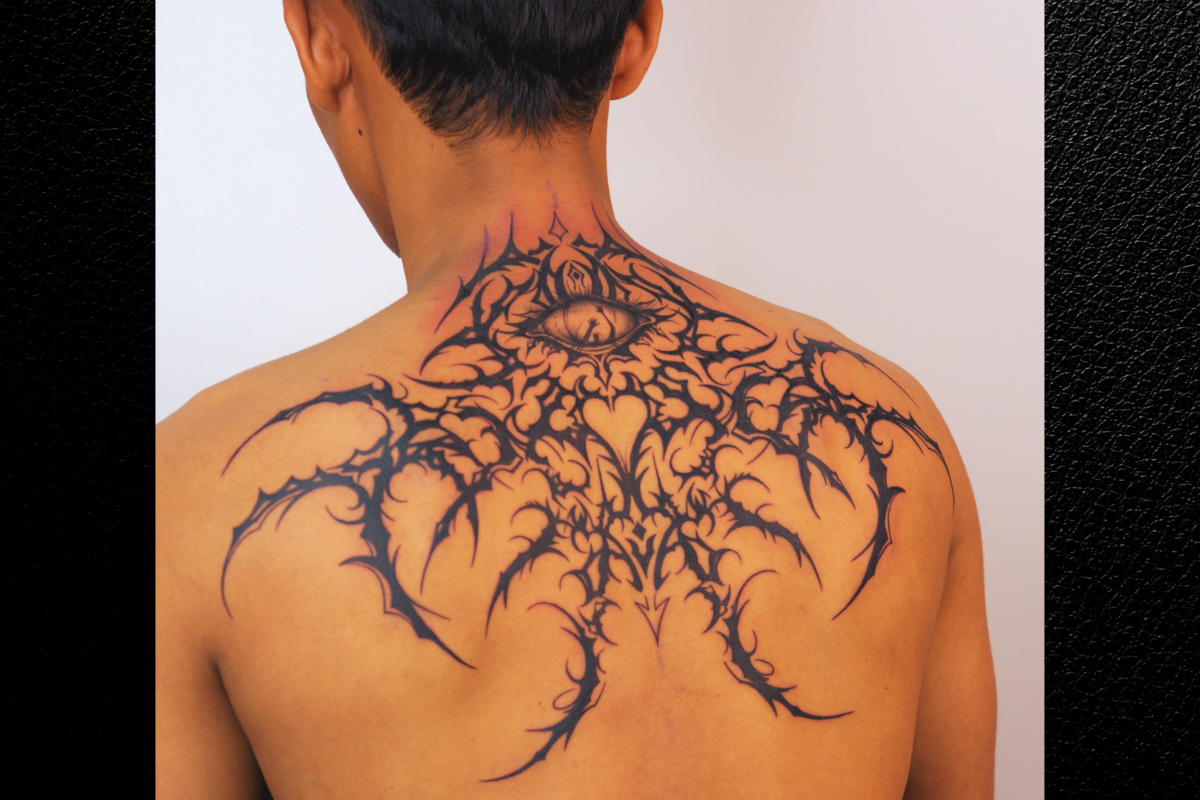
The upper back flowing into the shoulder creates a premium placement zone for intricate designs. This area allows artists to craft pieces that wrap naturally around the body's contours, making it ideal for nature-inspired themes, geometric patterns, or portrait work. The back-of-the-arm placement specifically offers a subtle yet impactful location that becomes visible when wearing tank tops or sleeveless garments.
Key advantages of this placement include:
Natural body flow that enhances design movement
Ability to conceal or reveal artwork based on clothing choices
Reduced pain compared to bony areas like the spine or elbow
Ample space for detailed, complex compositions
Full Back to Full Sleeve Connectivity
For those committed to extensive body art, connecting a full back piece to a complete arm sleeve creates a dramatic, cohesive statement. This approach requires careful planning with your artist to ensure thematic consistency and proper visual balance. When exploring tattoo placement options, consider how different sections will interact as the design progresses across multiple sessions.
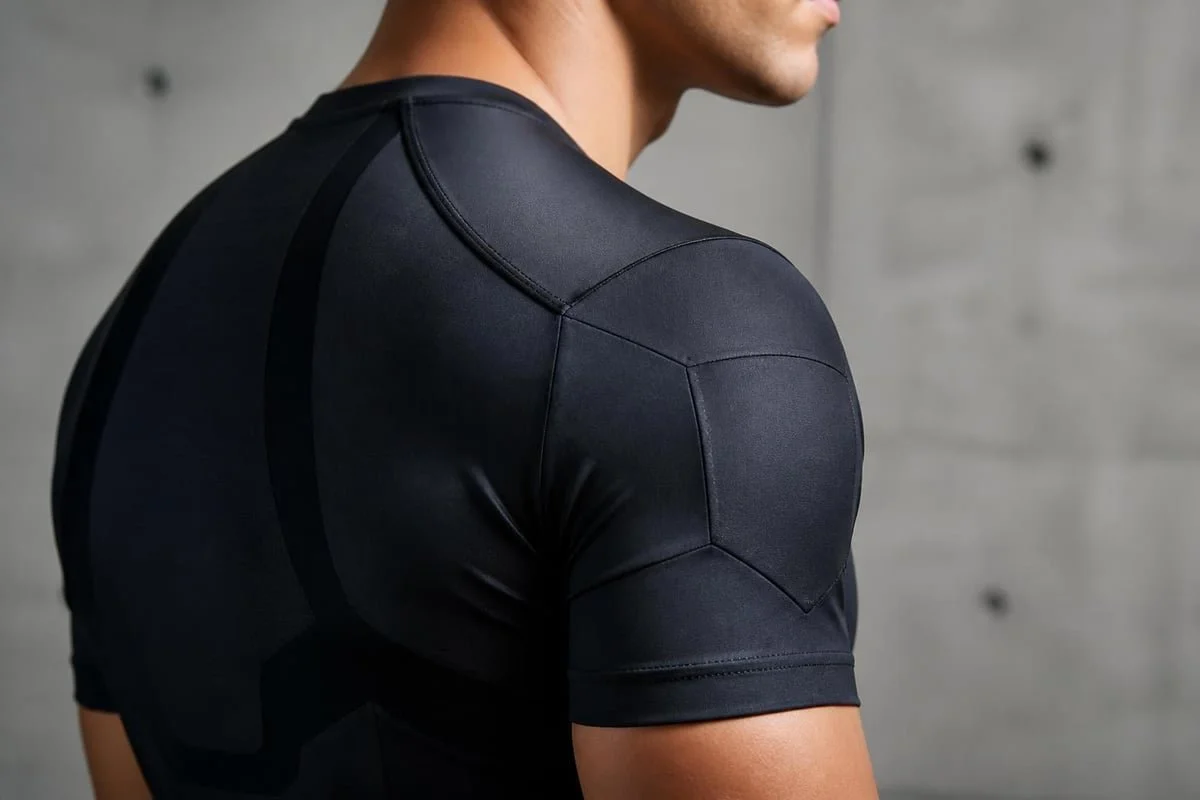
Back and arm tattoo Flow
Design Considerations for Back and Arm Tattoos
Selecting the right design for your back and arm tattoo requires thoughtful consideration of scale, subject matter, and artistic style. The expansive canvas allows for ambitious projects that might not work in smaller placements.
Scale and Proportion Balance
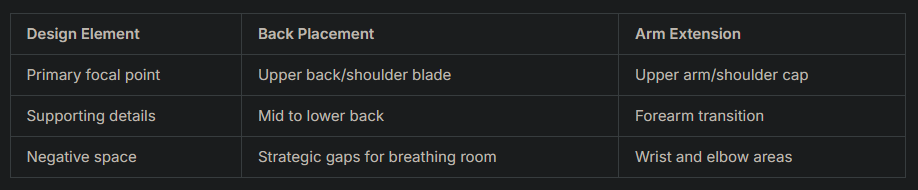
Proper scaling ensures your tattoo maintains visual impact from all angles. Large-scale designs work exceptionally well across the back, while complementary elements can extend down the arm in varying sizes. Professional artists at luxury studios understand how to balance these proportions to create harmonious compositions.
Popular Design Themes
The variety of tattoo styles available means your back and arm tattoo can reflect virtually any aesthetic preference. Contemporary choices include Japanese-inspired koi fish swimming from back to arm, botanical illustrations featuring sprawling floral arrangements, or abstract geometric patterns that play with symmetry and dimension.
Trending design categories:
Nature and Wildlife - Eagles, wolves, or ocean scenes that utilize the full canvas
Mandala and Sacred Geometry - Centered on the back with radiating patterns extending to the arm
Realistic Portraits - Commemorative pieces requiring substantial detail space
Traditional and Neo-Traditional - Bold lines and vibrant colors that age gracefully
Fine Line Minimalism - Delicate designs perfect for luxury tattoo studios specializing in precision work
Pain Levels and Session Planning
Understanding pain expectations helps you prepare mentally and physically for your back and arm tattoo journey. Different areas within this placement zone offer varying sensitivity levels based on nerve density and proximity to bone.
Pain Intensity by Area
The back generally ranks as moderate on the pain scale, though certain zones prove more sensitive than others. The meaty areas of the upper back and shoulder typically cause less discomfort than regions near the spine or shoulder blade edges. The arm's pain level varies significantly, with the inner bicep and elbow ditch being notably more sensitive than the outer arm or shoulder cap.
When preparing for your first tattoo session, remember that pain tolerance varies individually. Many clients describe the sensation as a burning scratch rather than sharp pain, and the back's muscle coverage often makes it more tolerable than expected.
Tattoo session planning
Multi-Session Strategy
Large-scale back and arm tattoos rarely complete in a single sitting. Professional studios typically break projects into logical sections, allowing proper healing between sessions and giving both artist and client opportunities to refine the design as it develops.
Typical session breakdown:
Session 1: Outline and foundational elements (4-6 hours)
Session 2: Initial shading and depth creation (4-6 hours)
Session 3: Color application or continued black and grey work (4-6 hours)
Session 4+: Detail refinement and touch-ups (2-4 hours each)
Professional artists recommend spacing sessions 4-6 weeks apart to ensure complete healing and optimal ink retention.
Aftercare Essentials for Back and Arm Tattoos
Proper aftercare determines the long-term quality and vibrancy of your back and arm tattoo. The back presents unique challenges due to its difficulty to reach and tendency to contact surfaces during sleep, while arm tattoos face different issues related to movement and sun exposure.
Initial Healing Phase
The first two weeks prove critical for preventing infection and ensuring proper ink settling. Following comprehensive tattoo aftercare guidelines helps avoid complications that could compromise your investment. Keep the area clean using fragrance-free soap and lukewarm water, pat dry gently with clean paper towels, and apply a thin layer of recommended ointment or fragrance-free lotion.
Daily care routine for the first 14 days:
Wash 2-3 times daily with gentle, unscented soap
Pat dry completely - never rub the tattooed area
Apply thin moisturizer layer (avoid over-application)
Wear loose, breathable clothing to prevent friction
Sleep on clean sheets, preferably on your side or stomach for back tattoos
Avoid submerging in water (no swimming, hot tubs, or baths)
Long-Term Maintenance
Once healed, your back and arm tattoo requires ongoing care to maintain its appearance over decades. Sun exposure poses the greatest threat to tattoo longevity, causing fading and color degradation. Apply broad-spectrum SPF 50+ sunscreen to exposed areas whenever spending time outdoors. Understanding proper aftercare essentials extends beyond initial healing to include lifestyle habits that preserve your artwork.
Regular moisturizing keeps skin supple and prevents the dry, cracked appearance that can dull tattoo vibrancy. Using quality, fragrance-free lotions daily maintains skin health and enhances color retention. Schedule touch-up appointments as needed, typically every 5-10 years depending on sun exposure, skin type, and original tattoo quality.
Choosing the Right Artist for Your Back and Arm Tattoo
The success of your back and arm tattoo depends heavily on selecting an artist whose skills, style, and experience align with your vision. Luxury tattoo studios offer distinct advantages in terms of hygiene standards, equipment quality, and artistic expertise.
Portfolio Review and Style Matching
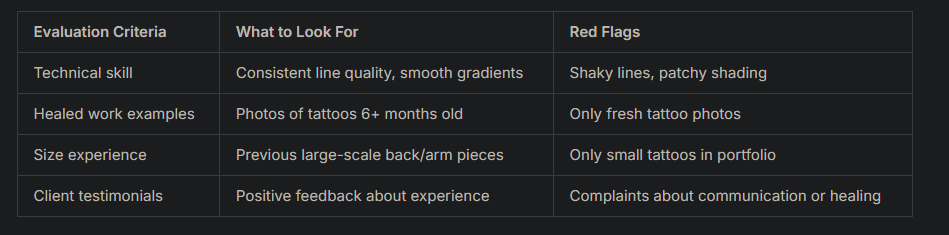
Examine potential artists' portfolios specifically for back and arm tattoo examples. Look for consistent line work, smooth shading, and successful large-scale compositions. Artists who specialize in fine line work excel at delicate details, while those focused on bold traditional styles might better suit dramatic designs. When choosing the right tattoo artist, prioritize portfolio quality over price or convenience.
Consultation Process
Professional consultations reveal an artist's communication style and commitment to client satisfaction. During this meeting, discuss your design concept, placement preferences, sizing, and color choices. A skilled artist will offer suggestions based on body contours and long-term wearability while respecting your creative vision. They should explain the expected number of sessions, timeline, and total cost transparently.
Consultation Planning
Cost Considerations and Investment Value
Back and arm tattoos represent significant financial investments, with costs varying based on size, complexity, color requirements, and artist reputation. Understanding pricing structures helps you budget appropriately and avoid compromising quality for affordability.
Pricing Factors
Luxury tattoo studios typically charge hourly rates ranging from $150-$400, with renowned artists commanding premium prices. A complete back and arm tattoo might require 20-40 hours depending on design intricacy, translating to $3,000-$16,000 total investment. Complex color work, hyper-realistic details, and custom design development increase costs but often justify the expense through superior results.
Price-influencing elements:
Artist experience and reputation level
Studio location and overhead costs
Design complexity and color requirements
Session length and total time investment
Custom artwork versus flash designs
Many studios offer payment plans or accept deposits to secure booking slots, making large projects more financially accessible. When considering what to expect during your tattoo session, remember that rushing through a project to reduce costs typically yields inferior results compared to investing in adequate time and expertise.
Lifestyle Considerations and Professional Impact
Before committing to a back and arm tattoo, consider how visible body art might affect various aspects of your life. While societal acceptance of tattoos continues growing, certain professional environments maintain conservative dress codes and appearance expectations.
Workplace Visibility Management
Back tattoos offer excellent concealment potential under business attire, while arm tattoos present more challenges depending on sleeve length and workplace culture. The back of the arm specifically provides a middle ground, remaining hidden under standard shirtsleeves while becoming visible in casual settings.
Industries with traditional corporate cultures may expect complete tattoo coverage during business hours, while creative fields often embrace visible body art. Assess your career trajectory and consider whether placement choices might limit future opportunities or require consistent covering strategies.
Activity and Exercise Impact
Active lifestyles and fitness routines require special consideration during healing periods. Avoid weightlifting, swimming, and activities causing excessive sweating for 2-3 weeks post-session. Once healed, your back and arm tattoo shouldn't restrict movement or exercise, though continued sun protection during outdoor activities remains essential. Applying proper aftercare practices ensures your artwork withstands an active lifestyle without compromising appearance.
Cultural and Personal Significance
Back and arm tattoos often carry deep personal meaning, serving as visual representations of life experiences, cultural heritage, or philosophical beliefs. Thoughtful design selection ensures your artwork remains meaningful throughout your life.
Symbolic Design Elements
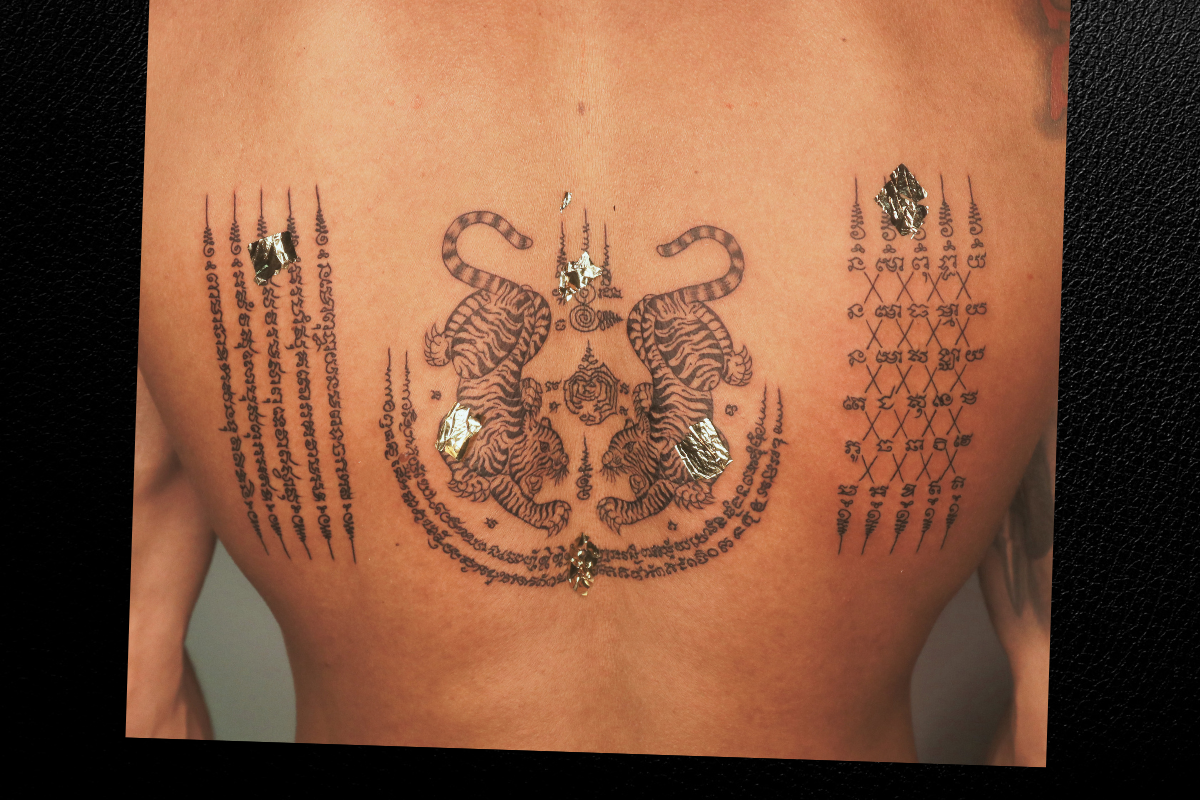
Many clients incorporate symbols representing family, spirituality, overcoming adversity, or cultural identity. Traditional Thai tattoo designs, for instance, often feature sacred geometry and Buddhist imagery with profound spiritual significance. Understanding the symbolism behind various tattoo designs helps create artwork that resonates on deeper levels beyond aesthetic appeal.
Popular meaningful themes:
Memorial tattoos honoring loved ones
Cultural heritage representations
Personal transformation symbols
Nature elements reflecting individual values
Quotes or scripts in meaningful languages
Avoid trendy designs likely to feel dated within years. Instead, focus on timeless concepts and artistic approaches that will maintain relevance throughout decades. Quality artists help translate abstract concepts into visual compositions that capture intended meaning while remaining aesthetically sophisticated.
Special Considerations for Back and Arm Coverage
Certain situations require additional planning when pursuing a back and arm tattoo, including covering existing work, working with scars, or addressing skin tone considerations.
Covering Previous Tattoos
Cover-up work demands exceptional artistic skill to disguise underlying designs while creating appealing new artwork. The back's large canvas provides excellent opportunities for transforming regretted pieces into sophisticated compositions. When covering scars with tattoos or previous work, consult artists specializing in cover-ups who understand how to work with existing pigment and scar tissue.
Successful cover-ups typically require designs 2-3 times larger than the original, with strategic use of dark colors and negative space to camouflage unwanted elements. This often means expanding the tattoo from back onto arm to achieve adequate coverage and visual balance.
Skin Tone Optimization
Different skin tones affect color vibrancy and design visibility. Lighter skin tones showcase bright colors and fine details effectively, while deeper skin tones often display bold, saturated colors beautifully but may require adjusted color palettes for optimal contrast. Professional artists experienced with diverse clients understand how to select colors that complement various skin tones, ensuring your back and arm tattoo achieves intended visual impact.