Upper Forearm Tattoo: Design, Placement & Care Guide
Upper Forearm Tattoo: Design, Placement & Care Guide
The upper forearm has emerged as one of the most sought-after locations for body art in recent years, offering a perfect balance between visibility and discretion. This prime real estate on your arm provides ample space for intricate designs while remaining easy to conceal when necessary, making it an ideal choice for professionals and tattoo enthusiasts alike. Whether you're considering your first piece or adding to your collection, understanding the nuances of upper forearm tattoo placement can help you make informed decisions about design, execution, and long-term satisfaction with your body art.
Understanding Upper Forearm Anatomy and Canvas Space
The upper forearm extends from approximately two inches below the elbow crease to the midpoint of your forearm, creating a substantial canvas that tapers naturally with your arm's contours. This anatomical feature provides tattoo artists with a dynamic workspace that can accommodate both compact designs and larger compositions.
Optimal Surface Area for Design Work
The outer upper forearm presents a relatively flat surface with minimal bone proximity, making it particularly suitable for detailed artwork. The muscle coverage in this region creates a smoother canvas compared to areas closer to joints or bony prominences.
Key anatomical considerations include:
Muscle density providing cushioning during the tattooing process
Natural curvature allowing designs to flow with arm movement
Minimal stretching during daily activities preserving design integrity
Adequate fat layer reducing direct needle-to-bone sensation
The inner upper forearm offers similar advantages but features more prominent veins and slightly thinner skin in some individuals. Understanding these structural differences helps when choosing the perfect tattoo artist who can adapt their approach to your specific anatomy.
Pain Levels and Comfort Considerations
Pain perception varies significantly between individuals, but the upper forearm generally ranks as a moderate location on the discomfort scale. According to comprehensive tattoo pain charts, this area typically causes less discomfort than ribcage, spine, or inner elbow placements.
Factors Influencing Discomfort Levels
Several elements contribute to the overall sensation experienced during an upper forearm tattoo session. The outer forearm typically presents lower pain levels than the inner portion due to thicker skin and increased muscle mass. Research on forearm tattoo pain levels confirms that most clients describe the sensation as manageable and tolerable throughout multi-hour sessions.
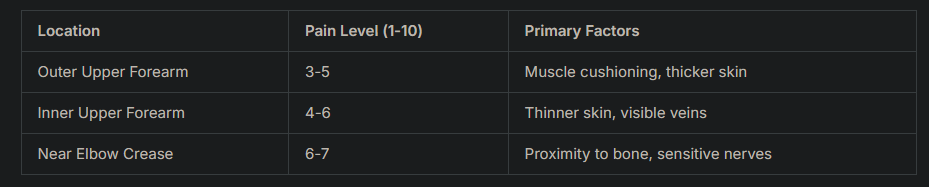
Individual pain tolerance, session length, and design complexity all influence the overall experience. Sessions at luxury studios provide climate-controlled environments and ergonomic positioning that minimize unnecessary discomfort during the artistic process.
Design Styles Perfect for Upper Forearm Placement
The upper forearm's versatile canvas accommodates virtually every tattoo style, from minimalist fine line work to bold traditional pieces. This placement particularly excels for designs requiring straight edges, geometric precision, or flowing organic elements that follow the arm's natural contours.
Fine Line and Delicate Artwork
Fine line tattoos have gained tremendous popularity for upper forearm placement, particularly among clients seeking sophisticated, understated body art. These designs range from botanical illustrations to architectural elements, abstract patterns, and meaningful symbols rendered with precision and subtlety. The upper forearm's relatively stable skin makes it ideal for maintaining the crisp edges and delicate details that define this style.
Popular fine line design categories include:
Botanical studies featuring native flowers, leaves, and natural elements
Geometric patterns incorporating sacred geometry and mathematical precision
Minimalist portraits capturing essence through simplified linework
Script and calligraphy showcasing meaningful quotes or single words
Bold Traditional and Neo-Traditional Designs
Traditional American and neo-traditional styles translate beautifully to the upper forearm's substantial canvas. These designs typically feature bold outlines, solid color fills, and iconic imagery that maintains visual impact over decades. The area's shape naturally accommodates classic subjects like eagles, roses, daggers, and portrait work.
Exploring different tattoo styles helps identify which aesthetic resonates with your personal vision and lifestyle requirements.
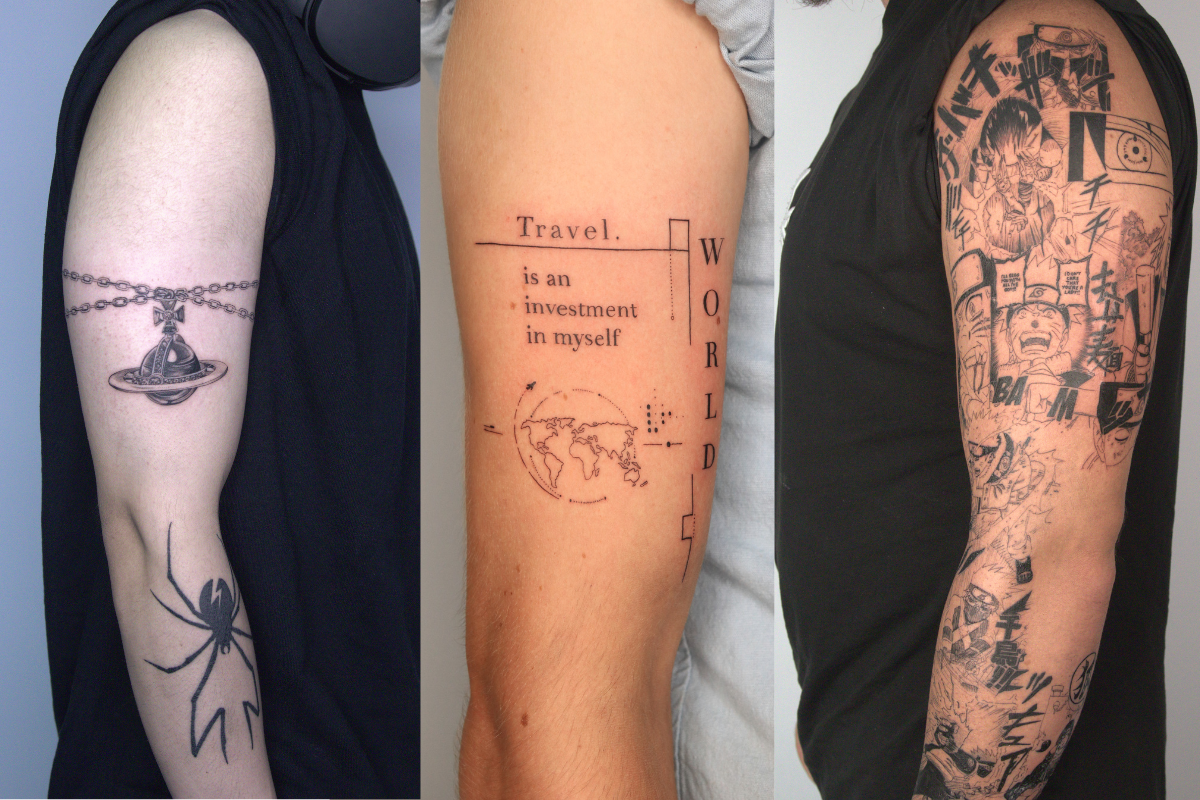
Fine line Forearm design examples
Practical Visibility and Professional Considerations
One significant advantage of upper forearm tattoo placement involves its flexibility regarding visibility. Unlike hands, neck, or face placements, the upper forearm can easily transition between fully displayed and completely concealed depending on clothing choices and professional requirements.
Workplace Compatibility
Long-sleeve shirts, blazers, and professional attire effectively cover upper forearm tattoos during business hours or formal occasions. This adaptability makes the placement particularly appealing for professionals in conservative industries who wish to express themselves through body art without workplace complications.
The tattoo placement guide emphasizes forearm versatility as a primary consideration for first-time tattoo recipients and established collectors expanding their portfolios.
Visibility options include:
Fully visible: Short sleeves, tank tops, casual business attire
Partially visible: Rolled sleeves, three-quarter length garments
Completely concealed: Long sleeves, jackets, formal business wear
Strategic positioning: Designs placed to remain hidden or visible based on sleeve length
Size Recommendations and Design Scaling
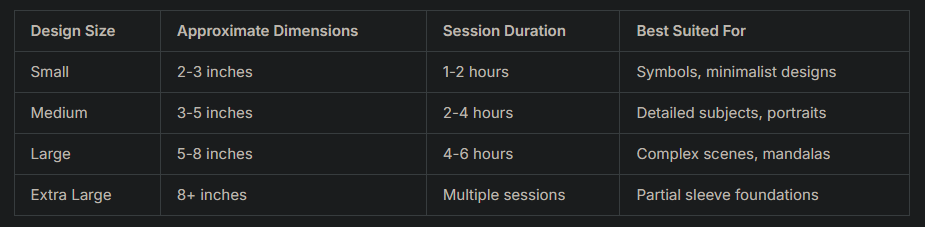
The upper forearm typically accommodates designs ranging from small accent pieces measuring two to three inches to larger compositions spanning six to eight inches in length. Understanding appropriate sizing ensures your design maintains visual impact without appearing cramped or disproportionate.
Small to Medium Designs
Compact designs measuring two to four inches work beautifully as standalone pieces or as part of a developing sleeve composition. These sizes allow for meaningful detail without overwhelming the space, particularly suitable for symbols, small portraits, or geometric elements.
Medium to Large Compositions
Designs spanning four to eight inches utilize the full upper forearm canvas, creating bold statements that command attention. These larger pieces accommodate complex narratives, detailed portraits, or intricate mandala work requiring substantial space for proper execution. When preparing for your first tattoo session, understanding time commitments for different size categories helps set realistic expectations.
Color Versus Black and Grey Approaches
Selecting between color and black and grey execution significantly impacts your upper forearm tattoo's final appearance and longevity. Both approaches offer distinct advantages depending on design subject matter, personal preference, and skin tone considerations.
Black and Grey Realism
Black and grey tattoos excel in creating depth, dimension, and photorealistic effects through skilled shading techniques. This approach ages gracefully, requires less frequent touch-ups than color work, and suits virtually all skin tones without chromatic complications.
Vibrant Color Applications
Color tattoos introduce additional dimensions of artistic expression, particularly effective for nature scenes, portraits, and traditional designs. Understanding how different colors interact with various skin tones ensures optimal saturation and longevity for your chosen palette.
Modern tattoo inks offer unprecedented color stability and vibrancy, though proper aftercare and sun protection remain essential for maintaining color integrity over time. Consulting with experienced artists about selecting the best colors for your tattoo ensures your vision translates effectively to your specific canvas.
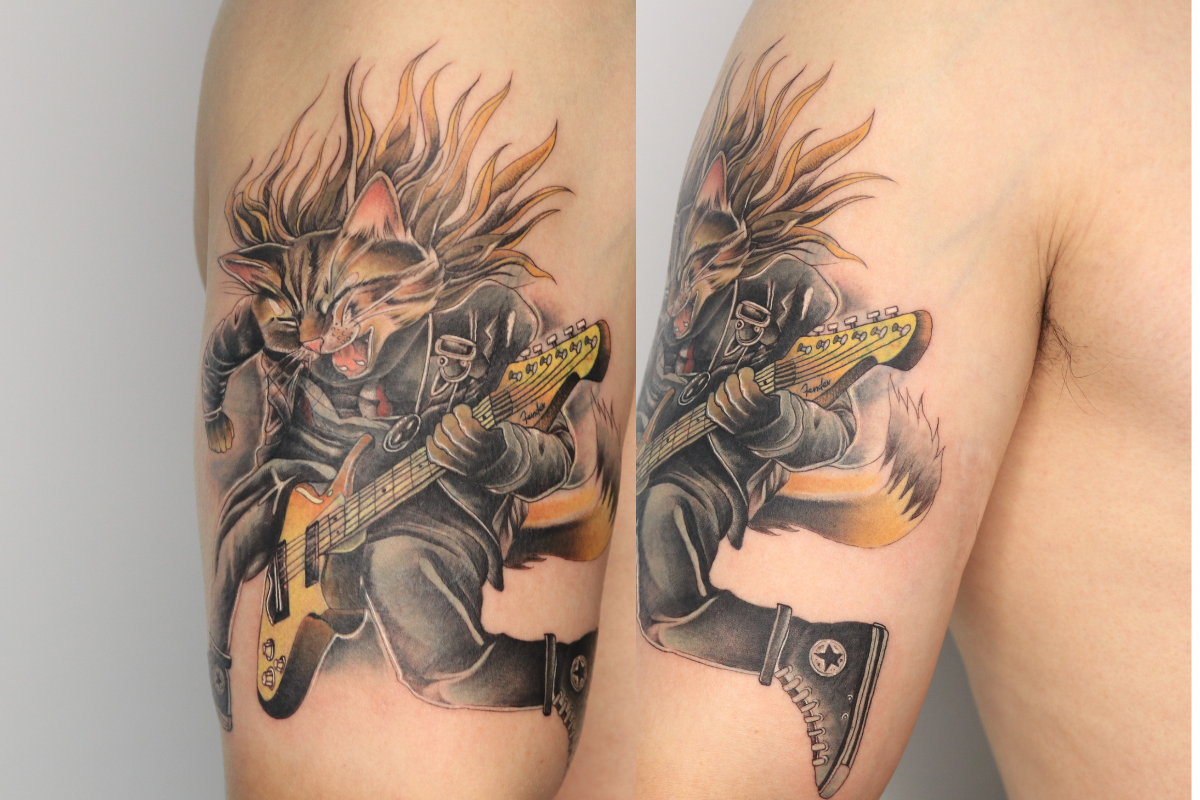
Color upper forearm tattoo
Preparation and Session Expectations
Proper preparation significantly influences both your comfort during the session and the quality of final results. Upper forearm tattoo sessions typically range from one to six hours depending on design complexity, size, and detail level.
Pre-Session Preparation Steps
Hydration: Maintain excellent hydration for 48 hours before your appointment
Skin condition: Arrive with clean, moisturized, and exfoliated skin
Avoid blood thinners: Eliminate alcohol, aspirin, and excessive caffeine for 24 hours prior
Proper rest: Ensure adequate sleep the night before your session
Meal planning: Eat a substantial meal 1-2 hours before your appointment
During the Session
Professional studios maintain sterile environments with climate control and ergonomic positioning to maximize comfort throughout the process. Understanding what happens during a tattoo session helps eliminate anxiety and allows you to focus on the artistic collaboration.
Artists typically work in segments, allowing brief breaks for stretching and refreshment during extended sessions. Communication with your artist about discomfort levels ensures adjustments to positioning or technique when necessary.
Aftercare Protocols for Optimal Healing
Proper aftercare determines whether your upper forearm tattoo heals beautifully or experiences complications. The forearm's exposure to daily activities requires diligent attention during the critical two-week healing window.
Initial 24-48 Hours
Your artist will apply a protective covering immediately following completion. This barrier should remain in place for the duration specified by your artist, typically 2-24 hours depending on the covering type. Modern breathable films may stay on for several days, while traditional bandages require earlier removal.
After removing the initial covering, gently wash the area with fragrance-free antibacterial soap and lukewarm water. Pat dry with clean paper towels rather than cloth towels that harbor bacteria.
Critical first-week care includes:
Washing 2-3 times daily with gentle, fragrance-free soap
Applying thin layers of recommended aftercare ointment
Avoiding submersion in water (swimming pools, hot tubs, baths)
Protecting from direct sunlight and UV exposure
Wearing loose-fitting clothing that won't rub or irritate
Weeks Two Through Four
As healing progresses, your tattoo will begin peeling and may appear somewhat dull during this phase. This temporary appearance is completely normal. Continue moisturizing regularly, but transition from heavy ointments to lighter, fragrance-free lotions as recommended by your artist.
Comprehensive guides on tattoo aftercare essentials and easier tattoo healing tips provide detailed protocols for ensuring optimal results throughout the healing process.
Design Integration and Future Expansion
Many clients select upper forearm tattoo placement as the foundation for eventual half-sleeve or full-sleeve development. Strategic initial design placement facilitates seamless integration with future additions.
Standalone Versus Sleeve Foundation
Standalone pieces work independently without requiring additional tattoos, offering complete artistic statements that can remain singular or later incorporate into larger compositions. When considering future expansion, discuss placement and sizing with your artist to ensure compatibility with potential sleeve development.
Complementary Design Elements
Upper forearm tattoos often pair beautifully with lower forearm, shoulder, or upper arm pieces, creating cohesive visual narratives that flow naturally across connected body areas. Understanding tattoo placement strategies helps visualize how individual pieces contribute to overall aesthetic development.
Specialized Applications and Cover-Up Potential
The upper forearm's substantial canvas makes it excellent for specialized applications including scar coverage and previous tattoo modifications. The area's muscle and skin characteristics provide favorable conditions for these technically demanding projects.
Scar Coverage Considerations
Raised scars, surgical marks, and other skin irregularities can often be successfully incorporated into or concealed by thoughtfully designed tattoos. Understanding the specific requirements for covering scars with tattoos ensures realistic expectations and optimal artistic solutions.
Experienced artists assess scar tissue texture, age, and characteristics before recommending appropriate design approaches. Some scars integrate beautifully into designs as textural elements, while others require complete coverage through careful composition and technique.
Cover-Up and Rework Possibilities
Previous tattoos requiring updating, modification, or complete coverage find excellent solutions in the upper forearm's forgiving canvas. Artists specializing in cover-up work employ strategic design placement, value manipulation, and technical expertise to transform unwanted tattoos into beautiful new artwork.
Cultural and Symbolic Considerations
The upper forearm serves as prominent real estate for culturally significant and symbolically meaningful designs. This visible yet controllable placement allows individuals to display important cultural heritage, spiritual beliefs, or personal philosophies.
Traditional and Cultural Designs
Many cultures maintain rich tattooing traditions that translate beautifully to upper forearm placement. From Polynesian tribal patterns to Japanese irezumi elements, these designs carry deep cultural significance requiring respectful, educated execution. Learning about traditional Thai tattoos and their meanings provides insight into how cultural context influences design choices and artistic approach.
Personal Symbolism and Meaning
Beyond cultural traditions, many individuals select designs representing personal journeys, commemorating loved ones, or symbolizing important life philosophies. Exploring the symbolism behind tattoo designs helps identify meaningful elements that create lasting personal significance.
Selecting the Right Artist for Your Vision
The complexity and visibility of upper forearm tattoos demand careful artist selection. Different artists excel in specific styles, and matching your vision with appropriate expertise ensures optimal results.
Portfolio Assessment
Review potential artists' portfolios specifically for upper forearm work in your preferred style. Examine healed photos when possible, as these demonstrate long-term quality rather than just fresh tattoo appearance. Resources on choosing a tattoo artist outline critical evaluation criteria.
Consultation Process
Professional consultations allow detailed discussion of your vision, placement considerations, sizing recommendations, and realistic timeline expectations. Quality artists invest time understanding your goals and providing honest feedback about feasibility and optimal execution approaches.
Key consultation topics include:
Design concept and reference materials
Sizing and precise placement specifications
Color versus black and grey decision
Session number and duration estimates
Pricing structure and deposit requirements
Aftercare protocols and touch-up policies
Long-Term Maintenance and Touch-Ups
Upper forearm tattoos require ongoing care beyond initial healing to maintain optimal appearance throughout decades. Environmental factors, sun exposure, and natural aging all influence how tattoos evolve over time.
Sun Protection Strategies
UV exposure represents the primary threat to tattoo longevity and color vibrancy. The forearm's frequent sun exposure necessitates diligent protection through broad-spectrum SPF 50+ sunscreen application during outdoor activities. Quality sun protection preserves line crispness, prevents color fading, and maintains overall tattoo integrity.
Touch-Up Scheduling
Most tattoos benefit from minor touch-ups every 5-10 years, though timing varies based on design style, color usage, and individual skin characteristics. Fine line work may require more frequent attention than bold traditional designs. Establishing relationships with reputable tattoo studios ensures access to quality touch-up services when needed.