Tattoos on Your Back: Complete Guide 2026
Tattoos on your back offer an expansive canvas that provides unparalleled creative freedom for both artists and collectors. The back's large, relatively flat surface makes it an ideal location for intricate designs, sprawling compositions, and detailed artwork that simply wouldn't fit elsewhere. Whether you're considering a small, delicate piece between your shoulder blades or a full backpiece that transforms your entire torso into a work of art, understanding the unique characteristics of back tattoos helps you make informed decisions about placement, design, and long-term care.
The Advantages of Choosing Your Back for Tattoo Placement
The back presents several distinct advantages that make it one of the most sought-after locations for high-quality tattoo work. Understanding these benefits helps you appreciate why many collectors choose this placement for their most significant pieces.
Exceptional Canvas Size and Versatility
Tattoos on your back benefit from the largest continuous surface area on the human body. This expansive space allows artists to create elaborate scenes, detailed portraits, and complex geometric patterns without the constraints imposed by smaller body areas.
The back can be divided into multiple zones, each offering unique possibilities:
Upper back and shoulders: Perfect for designs that extend across both shoulder blades
Center spine area: Ideal for vertical designs that emphasize symmetry
Lower back: Suitable for horizontal compositions and smaller, more discrete pieces
Full backpiece: The ultimate commitment, utilizing the entire surface for cohesive artwork
Understanding tattoo placement options becomes crucial when deciding which section of your back will host your design. Each zone offers different aesthetic possibilities and practical considerations.
Pain Management and Comfort Considerations
While pain tolerance varies significantly between individuals, certain areas of the back experience different sensitivity levels. The fleshy areas over the shoulder blades and outer back typically cause less discomfort than regions closer to the spine or over bony prominences.
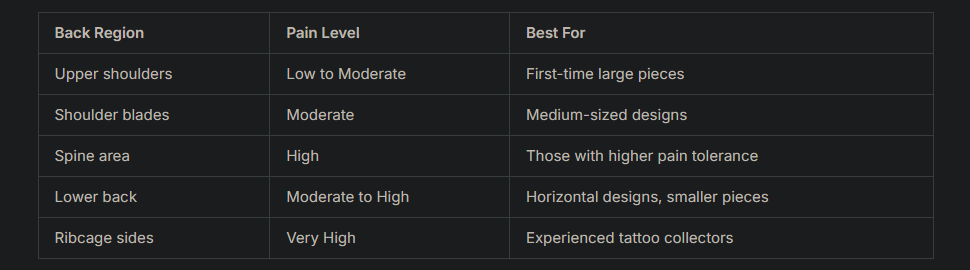
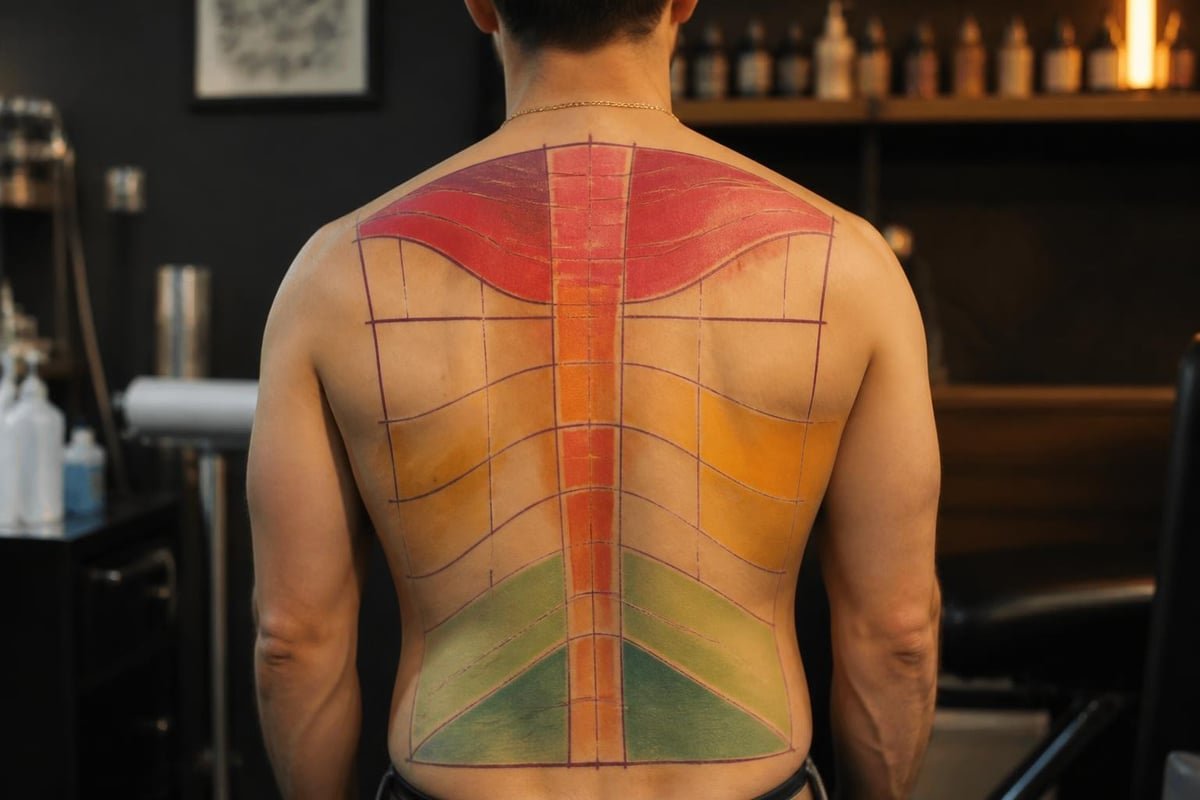
Back tattoo pain zones
One significant advantage of tattoos on your back is the ability to conceal them when necessary. This placement offers complete discretion in professional settings while allowing you to showcase your artwork in casual environments. This flexibility makes back tattoos particularly appealing for professionals who want significant body art without compromising workplace standards.
Design Styles That Excel on Back Placement
The expansive canvas of the back accommodates virtually any tattoo style, but certain approaches truly shine in this location. Exploring different tattoo styles reveals how various artistic approaches utilize the back's unique characteristics.
Large-Scale Japanese Traditional Work
Japanese traditional tattoos, known as irezumi, have historically utilized the back as their primary canvas. These designs often feature mythological creatures, natural elements, and symbolic imagery that flows across the entire surface. Dragons, phoenixes, koi fish, and samurai warriors become living tapestries when rendered across the back's expanse.
The back serves as an ideal canvas for epic artwork, particularly for traditional styles that require substantial space to properly execute their detailed compositions and flowing movement.
Realistic Portraiture and Wildlife
Photorealistic tattoos demand significant surface area to capture intricate details, subtle shading, and nuanced expressions. The back provides the perfect foundation for:
Life-sized animal portraits showcasing fur texture and anatomical accuracy
Human portraits with complex emotional depth
Nature scenes featuring multiple elements working together
Architectural renderings requiring precise perspective
Geometric and Mandala Designs
Symmetrical designs find their perfect home on the back, where the spine serves as a natural centerline. Geometric patterns, sacred geometry, and mandala work capitalize on this built-in symmetry to create visually balanced compositions. These designs often incorporate dot work, fine lines, and intricate patterns that benefit from the back's stable, flat surface.
Fine Line and Minimalist Artwork
While the back accommodates large-scale work, it also provides an excellent foundation for delicate, fine line tattoos. Small, detailed pieces can be strategically placed along the shoulder blade, spine, or lower back area. These subtle designs often feature:
Delicate floral arrangements
Minimalist line drawings
Small symbolic imagery
Text and script in elegant fonts
Constellation patterns and celestial themes
Planning Your Back Tattoo Journey
Committing to tattoos on your back requires careful planning, especially for larger pieces. The process differs significantly from smaller tattoos and demands thoughtful consideration of multiple factors.
Design Development and Artist Selection
Choosing the right tattoo artist becomes paramount when planning back tattoos, particularly for large-scale projects. Look for artists who specialize in your preferred style and have demonstrated experience with back pieces.
During consultations, discuss:
Your vision and inspiration sources
How the design will work with your body's natural contours
Whether you want a single session piece or a multi-session commitment
Color palette options and how they'll age on your skin tone
Placement specifics and how the design will flow across different back regions
The design phase for significant back tattoos often takes weeks or months. Artists need time to develop sketches, refine details, and create stencils that properly fit your body's dimensions.
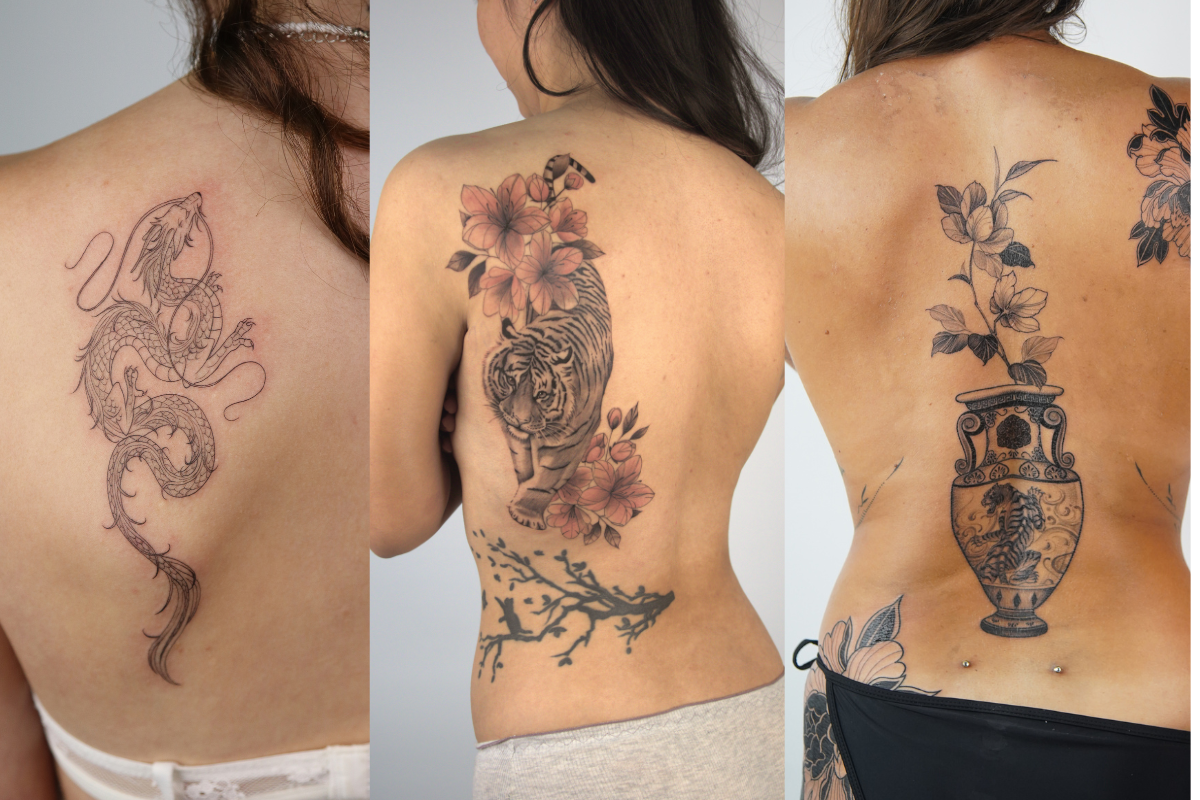
Timeline and Session Planning
Full backpieces can require 40 to 100+ hours of work, distributed across multiple sessions. Most studios schedule sessions ranging from three to eight hours, depending on both artist and client stamina. What happens during tattoo sessions helps you understand the practical realities of extended tattoo work.
Session planning considerations:
Allow 4-6 weeks healing time between sessions for the same area
Schedule sessions accounting for your work and social commitments
Consider seasonal factors-summer healing requires extra sun protection
Budget for the full project cost upfront to avoid financial stress mid-project
Health and Safety Considerations
Understanding potential risks ensures you make informed decisions about your tattoo. Tattoo health risks include infections, allergic reactions, and other complications that proper precautions can minimize.
Research indicates that tattoo ink composition deserves careful consideration, as certain pigments may contain metals or compounds that trigger reactions in sensitive individuals. Reputable studios use high-quality, tested inks and maintain strict sterilization protocols.
Healing and Aftercare for Back Tattoos
Tattoos on your back present unique aftercare challenges due to their location. You cannot easily see or reach all areas, making assistance sometimes necessary, especially during the first few days.
Initial Healing Phase
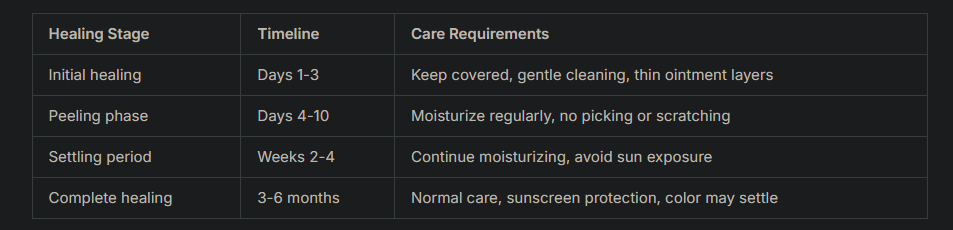
The first two weeks prove critical for proper healing. Comprehensive healing tips provide detailed guidance, but back-specific considerations include:
Sleeping position: Avoid sleeping directly on fresh tattoos; use clean sheets and consider your sleeping position
Clothing choices: Wear loose, breathable fabrics that won't stick to healing skin
Application assistance: Have someone help apply aftercare products to hard-to-reach areas
Shower modifications: Avoid direct water pressure on the tattoo; gently pat dry rather than rubbing
Long-Term Maintenance
Proper aftercare extends far beyond initial healing. Protecting tattoos on your back from sun damage becomes essential for maintaining color vibrancy and line clarity. Apply broad-spectrum sunscreen whenever the area is exposed, and consider UV-protective clothing for extended outdoor activities.
Regular moisturizing keeps skin healthy and tattoos looking fresh. As skin naturally ages and changes, your tattoo evolves with it. Maintaining healthy skin through hydration, nutrition, and skincare preserves your artwork's appearance for decades.
Cost Considerations and Investment Planning
Back tattoos represent a significant financial investment, particularly for larger pieces. Understanding pricing structures helps you budget appropriately and avoid compromising on quality.
Pricing Factors for Back Tattoos
Most professional studios price back tattoos using hourly rates or project quotes. Factors influencing cost include:
Artist experience and reputation: Established artists command premium rates
Design complexity: Intricate details require more time and expertise
Size and coverage: Full backpieces cost significantly more than partial designs
Color versus black and gray: Color work often requires more sessions
Studio location and overhead: Premium locations typically charge higher rates
A complete guide to back tattoo considerations provides insights into budgeting for different design scales and styles.
Typical investment ranges for 2026:
Small back pieces (4-6 hours): $800-$2,000
Medium back tattoos (10-20 hours): $2,500-$6,000
Full backpieces (40-100+ hours): $10,000-$30,000+
Value Beyond Cost
While pricing matters, the quality and safety standards of your chosen studio should never be compromised for savings. Choosing the right tattoo studio ensures you receive professional service, sterile conditions, and artistry that justifies the investment.
Cultural and Symbolic Significance
Tattoos on your back often carry deep personal meaning, and many designs draw from rich cultural traditions. Understanding these connections adds depth to your choice.
Traditional and Sacred Imagery
Many cultures view the back as sacred space for meaningful imagery. Traditional Thai tattoos often feature sacred geometry and Buddhist imagery specifically designed for back placement, believed to offer protection and spiritual benefits.
Common symbolic themes for back tattoos:
Wings: Freedom, transformation, spiritual ascension
Trees of life: Growth, family connections, rootedness
Mythological guardians: Protection, strength, courage
Natural scenes: Connection to nature, life cycles, balance
Abstract patterns: Personal journey, complexity, unity
The symbolism behind tattoo designs explores how different imagery communicates personal values and beliefs.
Practical Living with Back Tattoos
Beyond aesthetic considerations, tattoos on your back affect daily life in subtle ways. Understanding these practical implications helps you prepare for life with significant back artwork.
Lifestyle Adjustments
Fresh tattoos require temporary lifestyle modifications. Swimming, intense exercise, and activities causing excessive sweating should be avoided during initial healing. Sun exposure demands ongoing attention, as UV rays fade pigments and damage skin over time.
Clothing choices evolve, particularly for those with visible upper back pieces. While the back offers concealment options, many collectors enjoy displaying their artwork through strategic clothing selections.
Medical Considerations
Inform healthcare providers about your tattoos, especially before MRI procedures. While complications are rare, certain pigments can cause minor discomfort during magnetic resonance imaging. Additionally, tattoos may occasionally obscure skin changes, making regular skin examinations important for overall health monitoring.
Research into tattoo-related health risks emphasizes the importance of monitoring tattooed skin for any unusual changes and maintaining open communication with medical professionals.
Making Your Back Tattoo Decision
Committing to tattoos on your back represents a significant decision that deserves thorough consideration. Evaluate your motivation, design preferences, and readiness for the commitment involved.
Questions to Consider Before Committing
Design and planning:
Does this design hold lasting personal significance?
Have I researched multiple artists to find the best match?
Do I understand the full scope of time and financial investment required?
Am I prepared for multiple sessions if pursuing a larger piece?
Practical considerations:
Can I commit to proper aftercare, including seeking help when needed?
Do I have the flexibility in my schedule for multiple sessions?
Have I considered how this tattoo might affect my professional image?
Am I comfortable with the permanence of this decision?
Starting Your Back Tattoo Journey
Unusual and creative tattoo ideas can inspire unique approaches to back placement. Whether you choose traditional imagery or innovative contemporary designs, ensuring your vision aligns with your chosen artist's expertise creates the foundation for successful results.
Begin with consultations at reputable studios, review portfolios carefully, and don't rush the decision-making process. The best tattoos result from thoughtful planning, skilled execution, and realistic expectations about the process and outcome.