Blackwork Tattoo Styles: Complete Guide for 2026
Blackwork Tattoo Styles: Complete Guide for 2026
Blackwork tattoo styles represent one of the most striking and enduring forms of body art, characterized by their bold use of black ink and dramatic visual impact. From ancient tribal markings to contemporary geometric masterpieces, these designs have evolved into a sophisticated art form that commands attention and respect within the tattoo community. For those seeking a timeless aesthetic that ages gracefully while making a powerful statement, blackwork offers unparalleled versatility and depth. This comprehensive guide explores the various styles, techniques, and considerations that define this captivating tattoo genre.
Understanding the Foundations of Blackwork
The term "blackwork" encompasses a broad spectrum of tattoo styles unified by their exclusive or dominant use of black ink. Unlike colorful designs that rely on chromatic variation, blackwork tattoos emphasize contrast, negative space, and bold linework to create visual impact. This approach traces its lineage back thousands of years to tribal traditions across Polynesia, Southeast Asia, and indigenous cultures worldwide.
Modern blackwork has transcended its historical roots to become a sophisticated art form embraced by contemporary tattoo artists. The style's enduring popularity stems from both aesthetic appeal and practical considerations. Black ink maintains its vibrancy longer than colored pigments, making these tattoos particularly durable investments for clients.
Key characteristics that define blackwork include:
Exclusive or predominant use of black ink
High contrast between inked areas and skin
Bold, solid fills or intricate line patterns
Strategic use of negative space as design element
Timeless aesthetic that resists trend cycles
The versatility of blackwork allows artists to interpret the style through various lenses, from minimalist precision to elaborate ornamentation. This adaptability makes it suitable for clients with diverse aesthetic preferences and cultural backgrounds.
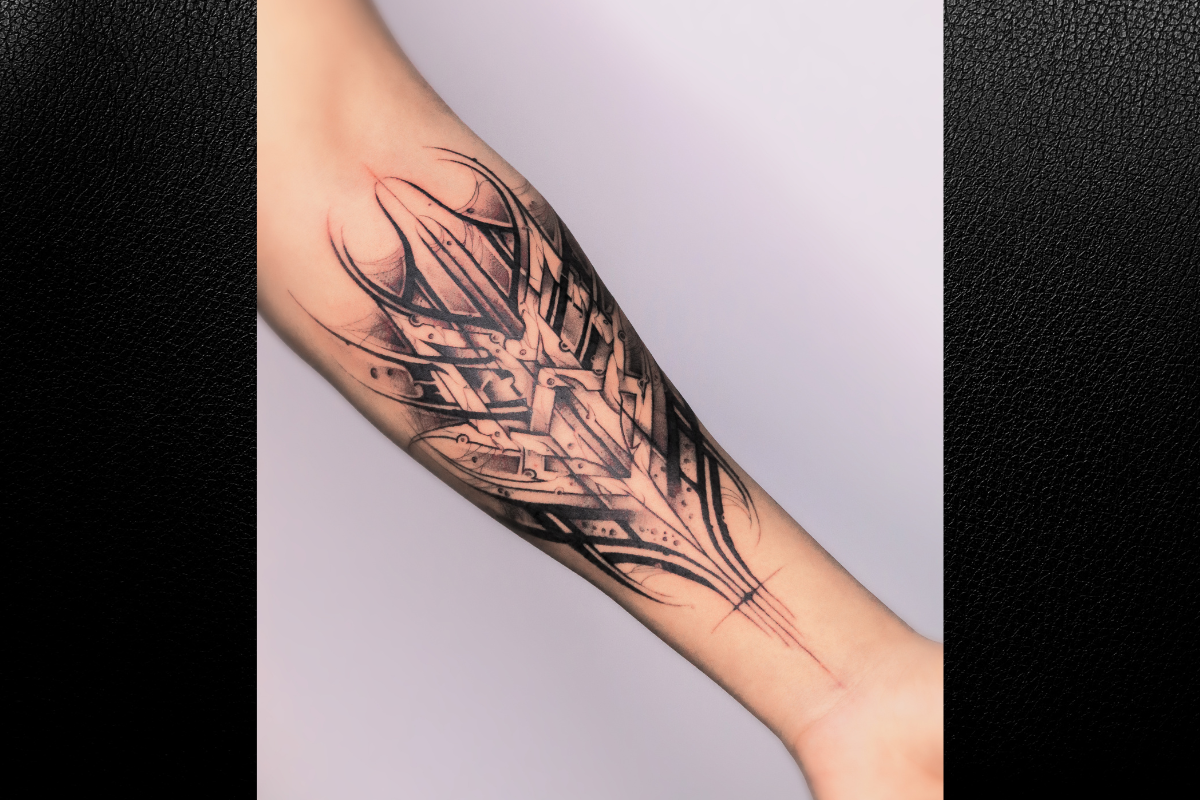
Blackwork tattoo style characteristics
Traditional Solid Black and Tribal Variations
Traditional solid blackwork represents the style's most fundamental expression, featuring large areas of completely saturated black ink. These designs often cover significant portions of the body, creating dramatic silhouettes that transform the wearer's appearance. The technique requires exceptional skill to achieve even saturation while maintaining clean edges throughout the healing process.
Modern tribal variations build upon ancient traditions while incorporating contemporary aesthetics. Unlike the cultural appropriation concerns that plagued earlier tribal tattoo trends, today's interpretations often honor specific traditions or create entirely new geometric languages. At Vital Luxury Tattoo Studio Bangkok, artists work closely with clients to develop designs that respect cultural heritage while achieving personal expression.
Blackout Tattoos and Large-Scale Coverage
Blackout tattoos take solid black coverage to its extreme, completely saturating entire limbs or body sections with dense black ink. This bold choice serves multiple purposes, from covering unwanted previous tattoos to making powerful aesthetic statements. The process typically requires multiple sessions to achieve complete saturation and even healing.
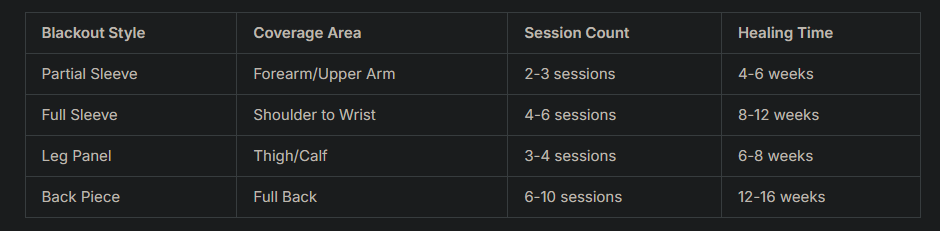
The commitment required for large-scale blackwork demands careful consideration. Clients should understand the time investment, healing process, and permanent nature of these dramatic transformations before proceeding.
Geometric and Sacred Geometry Designs
Geometric blackwork represents a marriage between mathematical precision and artistic expression. These designs utilize shapes, patterns, and proportions to create visually harmonious compositions. Sacred geometry tattoos incorporate symbolic meanings tied to ancient philosophies, connecting wearers to universal patterns found throughout nature and architecture.
The precision required for geometric blackwork demands exceptional technical skill. Artists must maintain perfect symmetry, consistent line weights, and accurate proportions throughout the design. Even minor deviations become immediately apparent in geometric compositions, making expertise crucial for satisfactory results.
Popular geometric elements include:
Mandalas and circular patterns
Polyhedra and three-dimensional forms
Tessellations and repeating motifs
Golden ratio proportions
Fractal patterns and recursive designs
When exploring top tattoo styles, geometric blackwork stands out for its ability to scale from small, delicate pieces to expansive body coverage while maintaining visual coherence.
Ornamental and Decorative Blackwork
Ornamental blackwork draws inspiration from historical decorative arts, including Victorian lace, Art Nouveau flourishes, and baroque ornamentation. These designs transform the body into a canvas for intricate pattern work that mimics jewelry, textiles, and architectural details. The style particularly appeals to clients seeking elegance and sophistication in their body art.
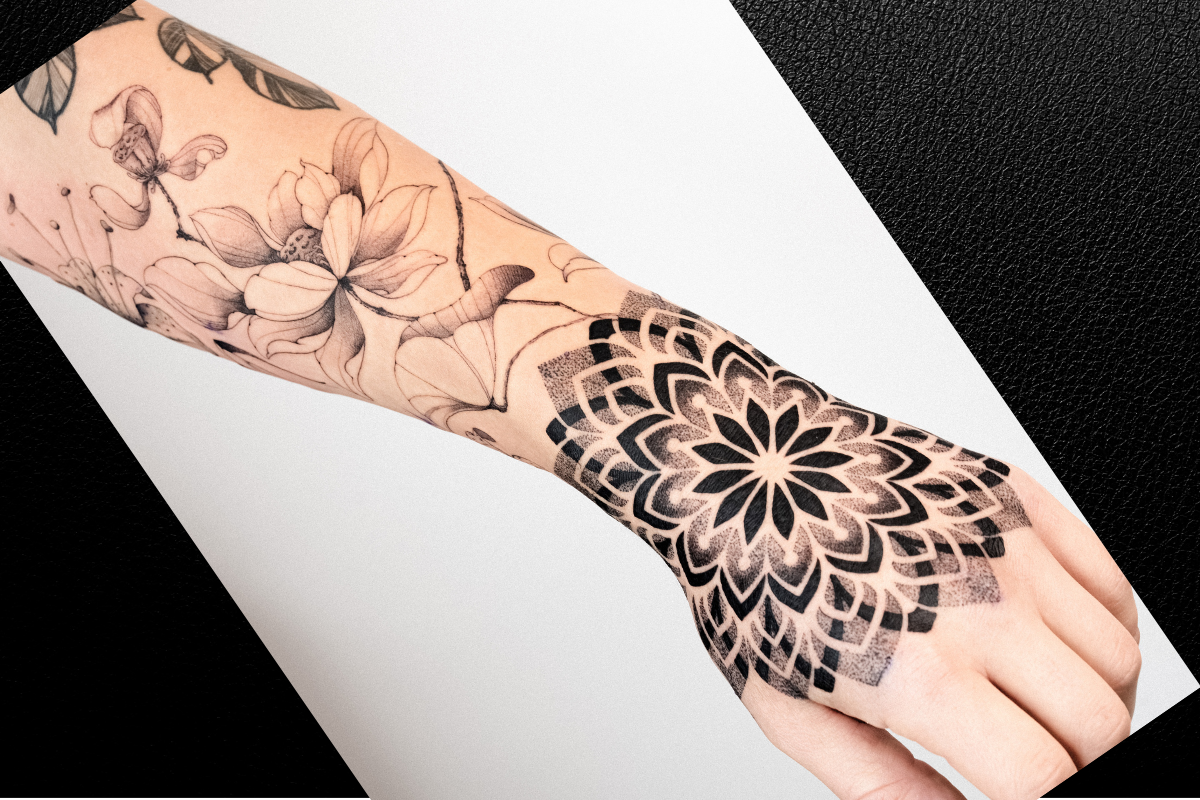
Ornamental blackwork patterns
The delicate nature of ornamental work requires artists with fine line expertise and steady hands. At luxury studios specializing in detailed work, artists spend years perfecting the techniques necessary to execute these intricate designs flawlessly. The results resemble permanent jewelry adorning the skin, creating an effect both luxurious and timeless.
Lace and Filigree Techniques
Lace-inspired blackwork mimics the delicate threads and open-weave patterns of fine textiles. Artists create the illusion of transparency and depth through careful placement of solid black elements and strategic negative space. This approach works particularly well for sleeve garters, chest pieces, and back panels where the design can flow organically with body contours.
Filigree patterns incorporate swirling, interconnected lines that create ornate compositions reminiscent of metalwork and jewelry. These designs often feature gradient density, with tighter pattern work in focal areas transitioning to more open spacing at the edges.
Dotwork and Stippling Techniques
Dotwork blackwork builds images entirely from individual dots, creating gradients and textures through density variation. This meticulous technique produces distinctive visual effects impossible to achieve with traditional shading methods. The pointillist approach allows for subtle tonal transitions and intricate detail work within bold blackwork compositions.
The time-intensive nature of dotwork makes these tattoos significant investments. Artists may spend hours placing thousands of individual dots to achieve desired effects. However, the results offer unique aesthetic qualities that distinguish dotwork from other blackwork approaches.
Advantages of dotwork blackwork:
Subtle gradient transitions without solid shading
Distinctive texture impossible with other techniques
Ages gracefully as dots slightly expand over time
Combines beautifully with solid black elements
Creates visual depth through density variation
Clients considering dotwork should understand that proper tattoo aftercare becomes especially critical. The healing process requires careful attention to prevent dot blowout or uneven healing that could compromise the design's precision.
Illustrative and Graphic Blackwork
Illustrative blackwork applies traditional illustration techniques using exclusively black ink. These designs range from realistic portraits and nature scenes to stylized graphics and comic-inspired imagery. The challenge lies in creating depth, dimension, and visual interest without relying on color to differentiate elements.
Artists achieve tonal variation through line density, cross-hatching, and strategic use of solid blacks against negative space. This approach requires strong compositional skills and deep understanding of how light and shadow function in monochromatic contexts. When considering choosing the right tattoo artist, examine their portfolio specifically for blackwork examples demonstrating these advanced techniques.
Etching and Engraving Styles
Etching-inspired blackwork mimics the visual qualities of metal engravings and woodcut prints. Fine parallel lines create shading and texture, while bold outlines define shapes and separate compositional elements. This classical approach appeals to clients seeking sophisticated, timeless aesthetics reminiscent of historical printmaking.
The precision required for etching-style work demands exceptional hand control and consistency. Lines must maintain uniform spacing and depth throughout the design, creating the mechanical perfection associated with traditional engraving tools.
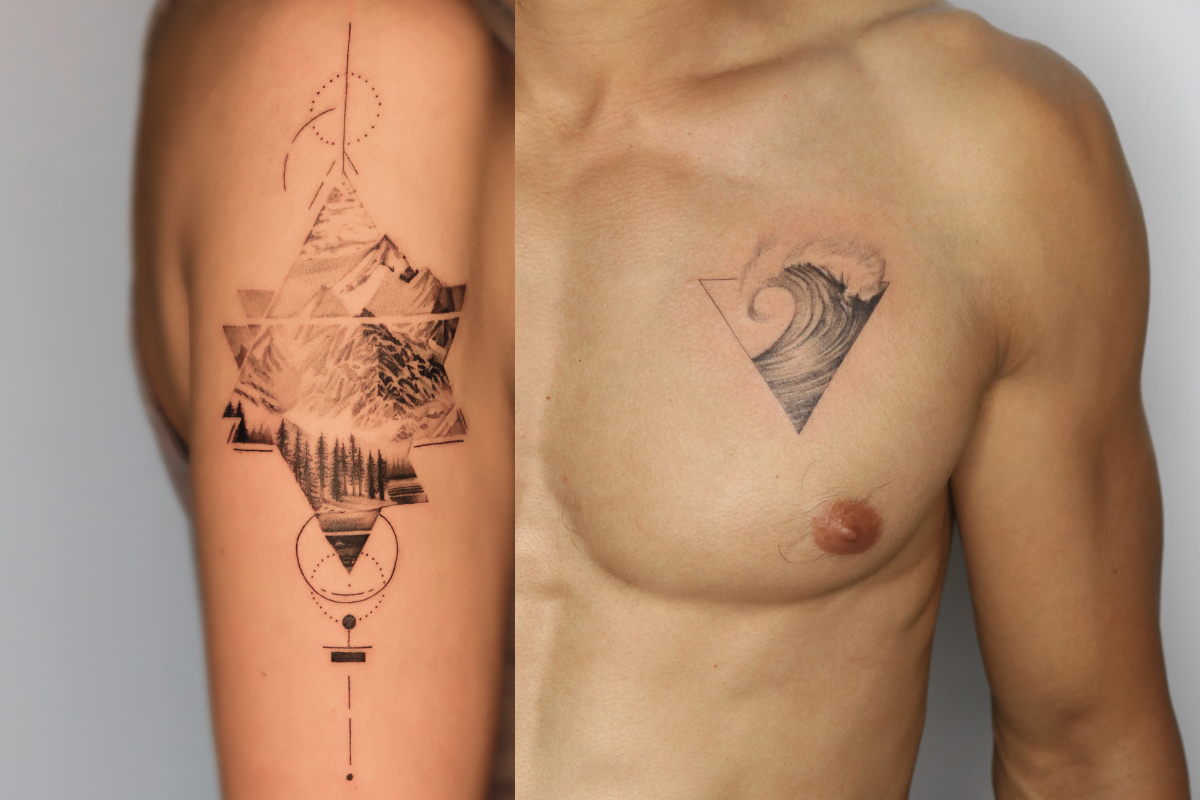
Blackwork illustration techniques
Abstract and Contemporary Blackwork
Abstract blackwork pushes stylistic boundaries by prioritizing composition, form, and emotional impact over representational accuracy. These designs might incorporate gestural brushstrokes, architectural elements, or purely non-objective forms. Contemporary blackwork artists continue evolving the style by introducing new techniques and aesthetic approaches.
The freedom inherent in abstract work allows for highly personalized designs that reflect individual experiences and perspectives. Clients collaborating with skilled artists can develop truly unique pieces that transcend conventional tattoo categories. This creative flexibility makes abstract blackwork particularly appealing for those seeking one-of-a-kind body art.
Contemporary blackwork innovations include:
Brushstroke effects mimicking calligraphy and painting
Architectural and structural elements
Deconstructed geometric forms
Organic, flowing compositions
Minimalist negative space emphasis
Technical Considerations and Application
Successful blackwork execution requires specific technical expertise beyond general tattooing skills. Artists must understand ink saturation depth, healing characteristics of solid black areas, and techniques for achieving clean edges and even coverage. The durability and bold aesthetic of blackwork make proper application essential for long-term satisfaction.
Black ink penetrates skin differently than lighter pigments, requiring adjustments in needle configuration, machine speed, and hand pressure. Experienced artists develop intuitive understanding of these variables through years of practice. This expertise becomes especially critical for large-scale projects where consistency across multiple sessions determines final quality.
Healing and Long-Term Maintenance
Blackwork tattoos generally heal more predictably than colored designs, but proper aftercare remains essential. Large solid black areas may experience different healing patterns than fine linework, requiring careful attention during the recovery period. Understanding what happens during your tattoo session helps clients prepare mentally and physically for the experience.

Black ink maintains its vibrancy exceptionally well compared to colored pigments, but sun exposure remains the primary factor affecting long-term appearance. Clients investing in significant blackwork should commit to protecting their tattoos from UV damage through sunscreen application and covered clothing when appropriate.
Placement Considerations for Different Styles
Different blackwork styles suit various body placements based on their visual characteristics and technical requirements. Geometric designs work beautifully on limbs where symmetry remains consistent, while organic ornamental patterns flow naturally across torsos and backs. Thoughtful tattoo placement enhances both aesthetic impact and wearability.
Solid black coverage and blackout tattoos perform well on areas with consistent skin texture and minimal stretching. Forearms, calves, and backs provide ideal canvases for these bold statements. Conversely, fine dotwork and delicate ornamental designs require stable skin areas less prone to significant aging changes.
Optimal placement by style:
Geometric patterns: Forearms, legs, chest panels
Ornamental work: Upper arms, thighs, sternum
Solid blackwork: Full sleeves, back pieces, leg panels
Dotwork designs: Shoulders, calves, upper back
Illustrative pieces: Ribs, thighs, upper arms
Bangkok's tropical climate presents unique considerations for tattoo healing and maintenance. The expertise available at specialized studios ensures proper guidance for healing in humid conditions while protecting finished work from intense sun exposure.
Combining Blackwork with Other Styles
While pure blackwork creates striking standalone pieces, many clients successfully combine these techniques with other styles. Color accents can highlight specific elements within predominantly black designs, while negative space techniques create breathing room in dense compositions. Understanding how different styles complement each other allows for more complex and personalized body art.
The key to successful style combination lies in maintaining visual coherence. Rather than arbitrary mixing, thoughtful integration ensures each element enhances the overall composition. Experienced artists guide clients through these decisions, creating harmonious designs that transcend single-style limitations.
Some artists specialize in blackwork foundations with selective color applications, using vibrant accents to draw attention to focal points while maintaining the bold impact of predominantly black designs. This approach offers flexibility for clients who appreciate blackwork aesthetics but desire chromatic variety.
Selecting Your Blackwork Artist
The specialized nature of blackwork demands careful artist selection. Not all talented tattooers possess the specific skills required for exceptional blackwork execution. Prospective clients should examine portfolios specifically for blackwork examples, paying attention to line consistency, saturation evenness, and compositional strength. The visual uniqueness and technical demands of blackwork make artist expertise paramount.
During consultations, discuss the artist's experience with your preferred blackwork style. Artists specializing in geometric precision may not excel at organic ornamental work, and vice versa. Finding the right match between artistic style and client vision ensures satisfactory results.
Questions to ask potential artists:
How many years have you specialized in blackwork?
Can you show healed examples of similar designs?
How do you approach large solid black areas?
What's your process for ensuring even saturation?
How many sessions will my design require?
Premium studios invest in ongoing artist education, ensuring their team remains current with evolving techniques and best practices. This commitment to excellence distinguishes exceptional studios from conventional tattoo shops.
Cultural Sensitivity and Modern Interpretations
While exploring blackwork tattoo styles, respecting cultural origins and meanings becomes essential. Traditional Polynesian, Thai, and other indigenous blackwork carries deep spiritual and cultural significance. Clients drawn to these aesthetic elements should work with artists who understand proper cultural context and can create inspired designs without appropriating sacred symbols.
Modern interpretations can honor traditional aesthetics while developing original visual languages. This approach allows appreciation of historical blackwork beauty without disrespecting living cultural traditions. Thoughtful artists navigate these considerations skillfully, creating meaningful designs that respect their inspirational sources.
The global tattoo community increasingly emphasizes cultural awareness and sensitivity. Clients educated about these issues make more informed decisions, selecting designs that celebrate rather than exploit cultural heritage. This consciousness elevates the entire practice of blackwork tattooing.
Investment Considerations and Pricing
Blackwork tattoos represent significant financial investments, with pricing reflecting the time, skill, and materials required. Large solid black pieces demand multiple long sessions, while intricate dotwork requires painstaking attention to detail. Both approaches justify their costs through the expertise and time invested in creating exceptional results.
Hourly rates at luxury studios reflect not only artist skill but also superior equipment, premium ink quality, and exceptional studio environments. These investments ensure optimal results and superior client experiences throughout the tattooing process.
Factors affecting blackwork pricing:
Design complexity and size
Artist experience and reputation
Studio overhead and amenities
Number of sessions required
Geographical location and market rates
Clients should view quality blackwork as lifetime investments rather than expenses. Properly executed designs maintain their impact for decades, providing enduring satisfaction that justifies initial costs. Conversely, budget-focused decisions often result in disappointing outcomes requiring expensive corrections or cover-ups.
Blackwork for Cover-Ups and Corrections
The opacity and density of black ink make blackwork exceptionally effective for covering previous tattoos or correcting problematic work. Solid black coverage can completely obscure unwanted designs, while strategic incorporation of existing tattoos into new blackwork compositions offers creative solutions. Artists experienced in covering scars and previous tattoos use blackwork's visual weight to transform problematic areas into striking new designs.
Cover-up work requires additional planning and often more sessions than original tattoos. Artists must assess existing ink density, colors, and placement to determine optimal approaches. In some cases, laser fading precedes blackwork application to ensure complete coverage and prevent previous designs from showing through.
The transformative power of blackwork cover-ups provides second chances for clients dissatisfied with previous tattoo decisions. This redemptive aspect makes blackwork particularly valuable for those seeking fresh starts with their body art.