Fine Line Butterfly Tattoo: Complete Guide 2026
Fine Line Butterfly Tattoo: Complete Guide 2026
The delicate beauty of a fine line butterfly tattoo represents the perfect marriage between nature's elegance and contemporary tattoo artistry. This sophisticated style has surged in popularity across luxury tattoo studios worldwide, offering clients an opportunity to wear meaningful symbolism with refined aesthetic appeal. Unlike traditional bold-lined tattoos, fine line butterfly designs emphasize subtlety, precision, and intricate detail work that requires exceptional technical skill and artistic vision.
Understanding Fine Line Butterfly Tattoo Artistry
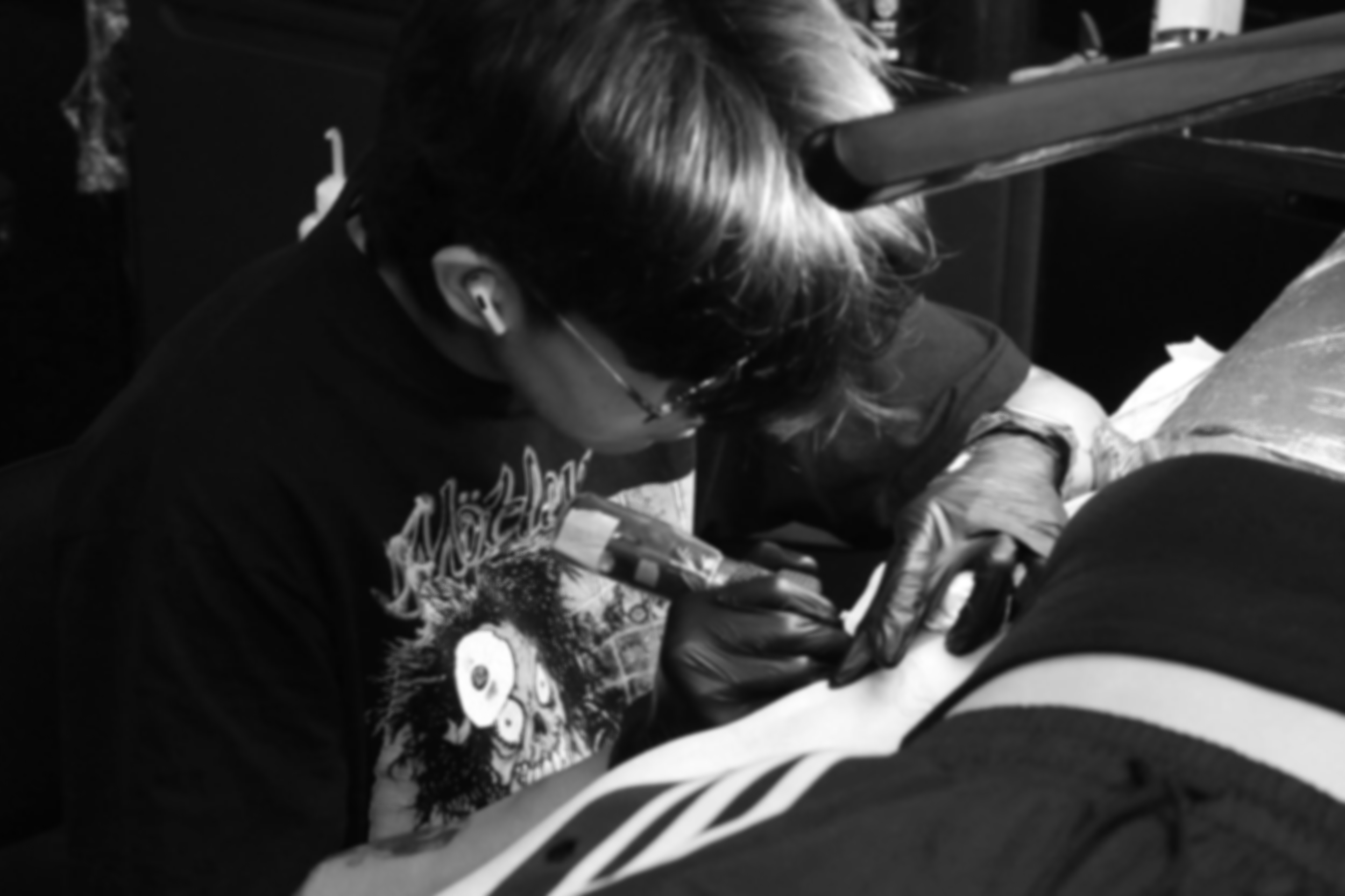
A fine line butterfly tattoo distinguishes itself through its minimalist approach and precise execution. Artists create these designs using single-needle or tight grouping techniques, producing lines as thin as 0.25mm that capture delicate details impossible with conventional tattooing methods.
The fine line tattoo style demands steady hands, years of experience, and specialized equipment. Each stroke requires deliberate control, as artists cannot rely on bold lines to mask imperfections. This precision-driven approach makes every fine line butterfly tattoo a testament to both the artist's skill and the client's commitment to quality.
Technical Excellence Requirements
Creating exceptional fine line butterfly tattoos involves several critical factors:
Needle configuration: Single needles or 3-liner groupings for ultra-thin lines
Machine settings: Lower voltage and frequency for controlled ink delivery
Ink saturation: Precise depth to ensure longevity without blowouts
Stencil accuracy: Perfect placement as corrections are nearly impossible
Steady hand technique: Years of practice to maintain consistent line weight
The technical demands of this style make choosing the right tattoo artist absolutely essential. Not every talented tattoo artist excels at fine line work, as this specialty requires specific training and natural aptitude for detailed precision.
Fine line tattooing technique components
Design Variations and Symbolic Meanings
Fine line butterfly tattoos offer remarkable versatility in both aesthetic presentation and symbolic depth. Understanding the various design styles and meanings helps clients select artwork that resonates personally.
Popular Butterfly Species for Fine Line Tattoos
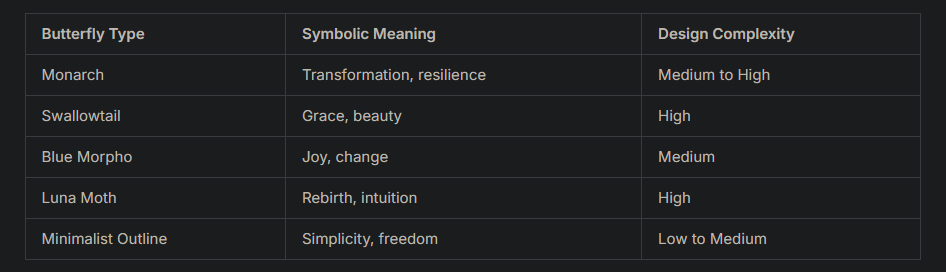
Each species brings unique wing patterns and silhouettes that translate beautifully into fine line work. Monarch butterflies, with their distinctive orange and black patterns, create stunning visual impact even when rendered in delicate linework. Swallowtails offer elegant trailing wings that flow naturally across body contours.
Symbolism Behind the Butterfly
Butterflies universally represent transformation, making them particularly meaningful for individuals who have overcome significant life challenges. The metamorphosis from caterpillar to butterfly mirrors personal growth journeys, making these tattoos powerful reminders of resilience and change.
Additional symbolic interpretations include:
Freedom and independence: The butterfly's flight represents liberation
Beauty and femininity: Delicate wing patterns embody grace
Soul and spirituality: Many cultures view butterflies as spiritual messengers
New beginnings: Emergence from the chrysalis symbolizes fresh starts
Memory and remembrance: Honoring loved ones who have passed
Understanding the symbolism behind tattoo designs ensures your fine line butterfly tattoo carries personal significance beyond aesthetic appeal.
Placement Considerations for Fine Line Butterfly Tattoos
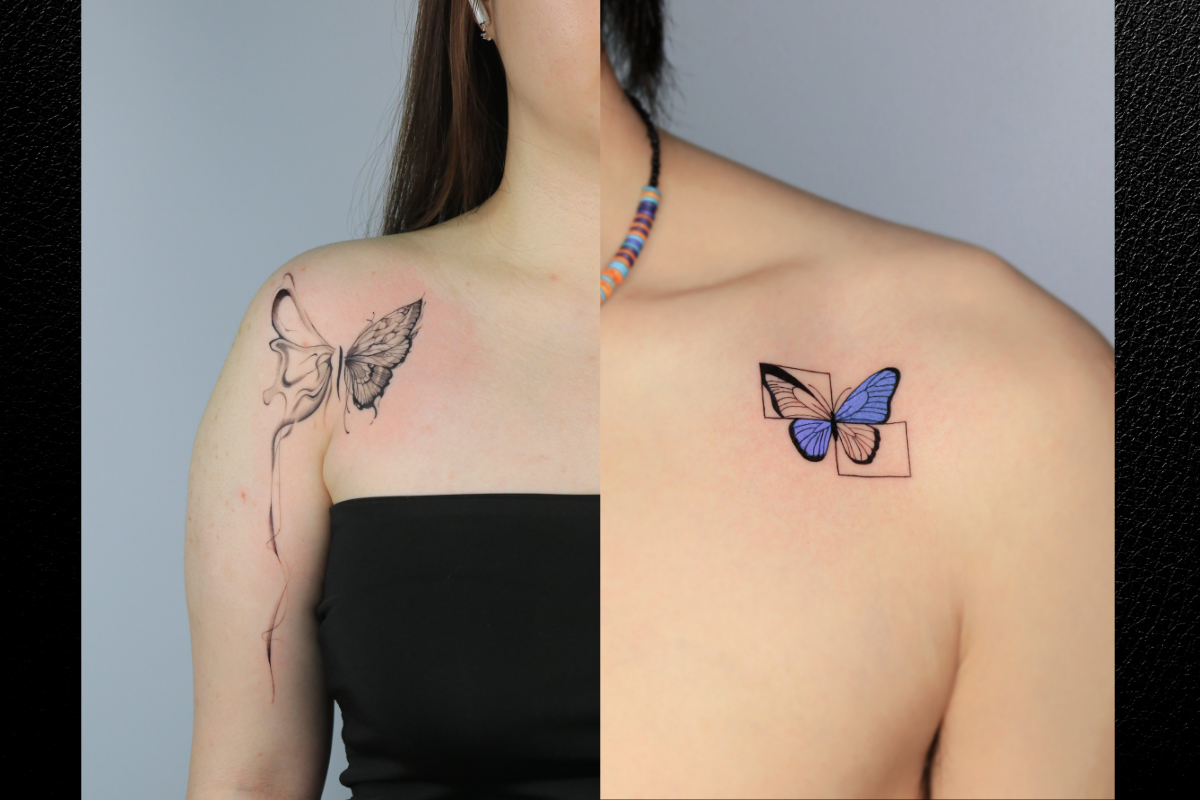
Strategic placement dramatically affects how your fine line butterfly tattoo appears and ages. The body's natural contours, sun exposure, and skin texture all influence the final result and longevity of delicate linework.
Optimal Body Locations
Upper Body Placements:
Behind the ear: Discreet, elegant, perfect for small designs
Collar bone: Follows natural bone structure beautifully
Shoulder blade: Provides canvas for larger, detailed pieces
Inner forearm: Visible placement with relatively stable skin
Ribcage: Allows for flowing, larger compositions
Lower Body Placements:
Ankle: Classic feminine placement for small butterflies
Thigh: Excellent for larger, detailed designs
Hip: Private placement with good skin quality
Calf: Moderate visibility with adequate canvas space
When considering tattoo placement for your perfect spot, remember that areas with less sun exposure and minimal stretching maintain fine line integrity longer. The delicate nature of these tattoos makes them particularly susceptible to fading in high-exposure areas.
Butterfly tattoo placement options
Size and Scale Guidelines
Fine line butterfly tattoos range from tiny minimalist designs to elaborate statement pieces. Size directly correlates with detail capacity and long-term appearance.
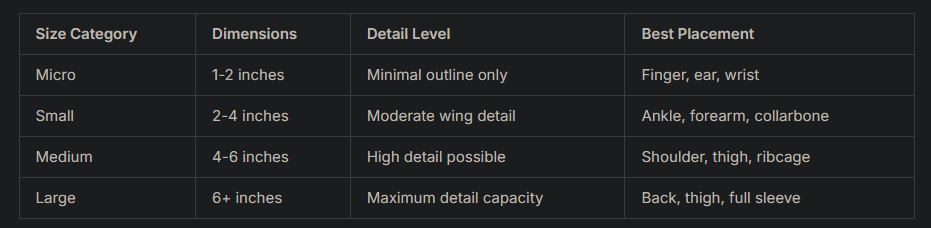
Smaller fine line butterfly tattoos sacrifice intricate detail for subtlety and discretion. Larger pieces allow artists to showcase wing patterns, shading variations, and additional design elements like flowers or geometric accents.
Design Elements and Customization Options
The beauty of fine line butterfly tattoos lies in their customization potential. Artists can incorporate various elements to create truly unique pieces that reflect individual personality and aesthetic preferences.
Complementary Design Additions
Floral Combinations: Fine line butterfly tattoos pair exceptionally well with botanical elements. Roses, lavender, cherry blossoms, and wildflowers create harmonious compositions. The delicate linework style maintains visual consistency across both butterfly and floral components.
Geometric Enhancements: Adding geometric shapes, mandalas, or sacred geometry creates contemporary contrast against organic butterfly forms. This fusion appeals to clients seeking modern, artistic interpretations.
Text Integration: Meaningful quotes, dates, or names in matching fine line script complement butterfly imagery. The unified line weight creates cohesive visual flow throughout the design.
Color Versus Black and Gray
While many associate fine line butterfly tattoos with black ink, color options expand creative possibilities. However, color introduces additional considerations regarding longevity and touch-up requirements.
Black and Gray Advantages:
Longer-lasting with minimal fading
Classic, timeless aesthetic
Works on all skin tones
Easier touch-ups when needed
Color Fine Line Considerations:
Requires exceptional artist skill for proper saturation
May fade faster than traditional color work
Pastel shades particularly challenging in fine line
Beautiful when executed properly by experienced artists
Understanding tattoo colors for different skin tones helps ensure your chosen palette will appear vibrant and age gracefully.
The Tattooing Process and What to Expect
Preparing for your fine line butterfly tattoo session ensures optimal results and a comfortable experience. Understanding the process from consultation through completion helps manage expectations and anxiety.
Initial Consultation and Design Development
Professional studios prioritize thorough consultations where artists discuss your vision, placement preferences, and sizing. During this meeting:
Share reference images and inspiration
Discuss symbolic meanings important to you
Review artist portfolios for style compatibility
Determine appropriate sizing for desired detail level
Schedule your session with adequate preparation time
Learning what happens during your tattoo session beforehand reduces uncertainty and helps you arrive prepared mentally and physically.
Session Duration and Pain Levels
Fine line butterfly tattoos typically require less time than traditional bold-lined pieces of equivalent size, though the precision demands mean artists work methodically rather than rushing.
Time Estimates:
Small designs (2-3 inches): 30-60 minutes
Medium designs (4-5 inches): 1-2 hours
Large designs (6+ inches): 2-4 hours
Pain levels vary significantly based on placement. Areas with thin skin over bone (ribs, ankle, collarbone) prove more sensitive than muscular areas (thigh, upper arm). The fine line technique feels different from traditional tattooing, often described as a lighter, scratching sensation rather than deep pressure.
Fine line tattoo session preparation
Aftercare and Longevity Considerations
Proper aftercare directly impacts how your fine line butterfly tattoo heals and ages. The delicate nature of thin lines requires meticulous care during the healing period and ongoing maintenance throughout its lifetime.
Initial Healing Protocol
The first two weeks prove critical for optimal healing. Follow these essential steps:
Keep it clean: Wash gently 2-3 times daily with fragrance-free soap
Moisturize appropriately: Apply thin layers of recommended ointment
Avoid submersion: No swimming, bathing, or soaking for 2-3 weeks
Protect from sun: Keep covered or use high SPF sunscreen after healing
Don't pick or scratch: Allow scabs to fall naturally
Understanding comprehensive tattoo aftercare essentials ensures your fine line butterfly tattoo heals beautifully and maintains its crisp appearance.
Long-Term Maintenance and Touch-Ups
Fine line tattoos naturally experience some fading over time, particularly when compared to bold traditional work. Several factors influence longevity:
Factors Affecting Fine Line Tattoo Aging:
Sun exposure (most significant factor)
Skin type and natural aging
Original ink saturation depth
Placement location and friction
Individual healing characteristics
The longevity of fine line tattoos depends heavily on proper technique during application and consistent sun protection throughout the tattoo's life. Quality work by experienced artists maintains clarity significantly longer than poorly executed pieces.
Most fine line butterfly tattoos benefit from touch-ups every 5-10 years to refresh faded areas and restore original crispness. Some placements may require more frequent attention, particularly areas exposed to constant sun or friction.
Selecting Your Artist for Fine Line Butterfly Work
Not every talented tattoo artist excels at fine line work. This specialized technique requires specific skills, experience, and artistic sensibility that distinguish it from other tattooing styles.
Portfolio Assessment Criteria
When evaluating potential artists for your fine line butterfly tattoo:
Examine line consistency: Look for uniform thickness without wobbles or variations Review healed work: Request photos of tattoos months or years after completion Assess detail execution: Verify ability to render intricate patterns cleanly Check versatility: Ensure the artist works in your preferred style (realistic, minimalist, illustrative) Investigate client reviews: Research experiences regarding professionalism and results
Exploring different tattoo styles to consider helps you articulate your aesthetic preferences during artist consultations.
Questions to Ask Prospective Artists
How long have you specialized in fine line tattooing?
What needle configurations do you prefer for butterfly designs?
Can you show healed examples of similar work?
What's your approach to ensuring line longevity?
How do you handle touch-up policies?
Professional artists welcome these questions and provide transparent, detailed answers. Hesitation or defensive responses may indicate insufficient experience with this demanding technique.
Style Variations Within Fine Line Butterfly Tattoos
The versatile fine line style adapts to various aesthetic preferences, from ultra-minimalist outlines to detailed realistic renderings. Understanding these variations helps articulate your vision to your chosen artist.
Minimalist Single-Line Designs
The most pared-down approach uses continuous single lines to create butterfly silhouettes. These designs emphasize simplicity and negative space, offering subtle elegance perfect for first-time tattoo recipients or those preferring understated body art.
Minimalist fine line butterfly tattoos work exceptionally well in small scales and discreet placements. Their simple nature also means they age gracefully, as fewer fine details exist to blur or fade.
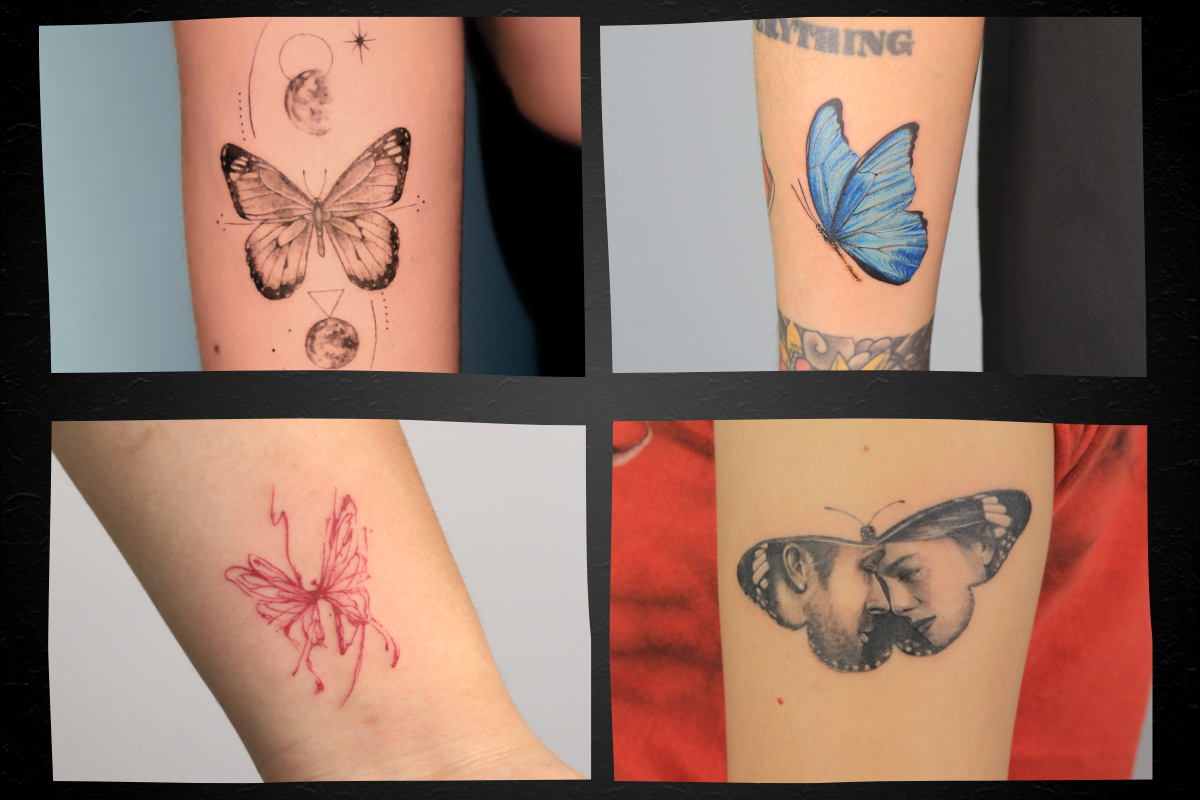
Realistic Fine Line Butterflies
Realistic interpretations incorporate delicate shading, wing pattern details, and anatomical accuracy while maintaining the thin line aesthetic. These designs require advanced technical skill and artistic understanding of light, shadow, and butterfly anatomy.
Artists achieve depth through subtle dot work, light gray washes, and strategic line weight variations. The result captures photorealistic quality within the fine line framework.
Illustrative and Ornamental Approaches
Illustrative fine line butterfly tattoos blend realistic elements with artistic interpretation. These designs might incorporate decorative patterns within wings, geometric accents, or stylized proportions that create artistic rather than photorealistic results.
Ornamental styles draw from various cultural art traditions, incorporating mandala patterns, art nouveau influences, or contemporary graphic design elements. These approaches offer unique, personalized interpretations of butterfly imagery.
Investment Considerations for Fine Line Butterfly Tattoos
Quality fine line work commands premium pricing reflecting the specialized skill, time investment, and artistic expertise required. Understanding pricing structures helps budget appropriately for exceptional results.
Pricing Factors
Artist Experience Level: Established fine line specialists charge more than general tattoo artists attempting the style. This premium reflects years of dedicated practice, proven results, and high demand for their services.
Design Complexity: Simple outlines cost less than intricate realistic renderings with shading and detailed wing patterns. Additional elements like flowers, geometric patterns, or color work increase investment requirements.
Studio Location and Reputation: Premium studios in major cities like Bangkok command higher rates than smaller market locations. However, the luxury experience, sterile environment, and artist caliber justify the investment.
Value of Quality Investment
Attempting to save money on fine line butterfly tattoos often results in disappointing outcomes requiring expensive cover-ups or laser removal. The importance of choosing the right tattoo studio cannot be overstated when pursuing fine line work.
Quality fine line tattoos:
Maintain clarity and definition longer
Require fewer touch-ups over time
Age more gracefully
Represent your aesthetic vision accurately
Provide lasting satisfaction with your body art
Common Mistakes to Avoid
Understanding potential pitfalls helps ensure your fine line butterfly tattoo experience yields beautiful, lasting results.
Size and Detail Mismatch
The most common error involves requesting excessive detail in too small a space. Fine line work has physical limitations, as lines placed too closely together will blur together during healing. Trust your artist's guidance regarding appropriate sizing for your desired detail level.
Placement on High-Movement Areas
Areas experiencing constant stretching, friction, or movement cause fine line tattoos to fade and blur faster. Hands, feet, and fingers prove particularly challenging for maintaining fine line integrity long-term.
Neglecting Sun Protection
UV exposure represents the primary enemy of fine line tattoo longevity. Failing to apply daily SPF 50+ sunscreen to tattooed areas causes premature fading and line blurring.
Choosing Inexperienced Artists
Perhaps the most critical mistake involves selecting artists without proven fine line expertise. Beautiful traditional work portfolios don't guarantee fine line proficiency. Always verify specific experience in this specialized technique before committing.
Trending Fine Line Butterfly Designs for 2026
Contemporary fine line butterfly tattoos evolve continuously as artists explore new creative directions and clients seek unique interpretations of this classic imagery.
Watercolor-Inspired Fine Line Butterflies
Artists now combine delicate fine line outlines with soft watercolor-effect backgrounds, creating ethereal, painterly aesthetics. This fusion maintains crisp definition while adding artistic color elements.
Double Exposure Butterflies
These innovative designs layer butterfly silhouettes with landscapes, flowers, or celestial elements, creating depth and narrative complexity within fine line frameworks. The technique produces visually striking results that tell personal stories.
Micro-Realistic Details
Advances in needle technology and artist skill enable increasingly detailed micro-realistic butterflies in surprisingly small scales. These pieces showcase wing texture, body segments, and antennae detail previously impossible in fine line work.
Sacred Geometry Integration
Contemporary clients frequently request butterfly designs incorporated into sacred geometry frameworks, mandalas, or mathematical patterns. This fusion appeals to those seeking spiritual symbolism combined with natural imagery.