Tattoo Graphic: Creating Stunning Visual Body Art in 2026
Tattoo Graphic: Creating Stunning Visual Body Art in 2026
The world of body art has evolved dramatically over the past decade, and the tattoo graphic has emerged as a sophisticated fusion of traditional tattooing techniques and contemporary graphic design principles. More than just decorative body markings, tattoo graphics represent carefully crafted visual compositions that consider placement, proportion, negative space, and stylistic elements to create lasting works of art. As clients increasingly seek personalized designs that reflect their individual stories and aesthetic preferences, understanding the nuances of tattoo graphic design becomes essential for anyone considering permanent body art. This comprehensive guide explores the evolution, techniques, and considerations involved in creating exceptional tattoo graphics that stand the test of time.
Understanding Tattoo Graphic Design Fundamentals
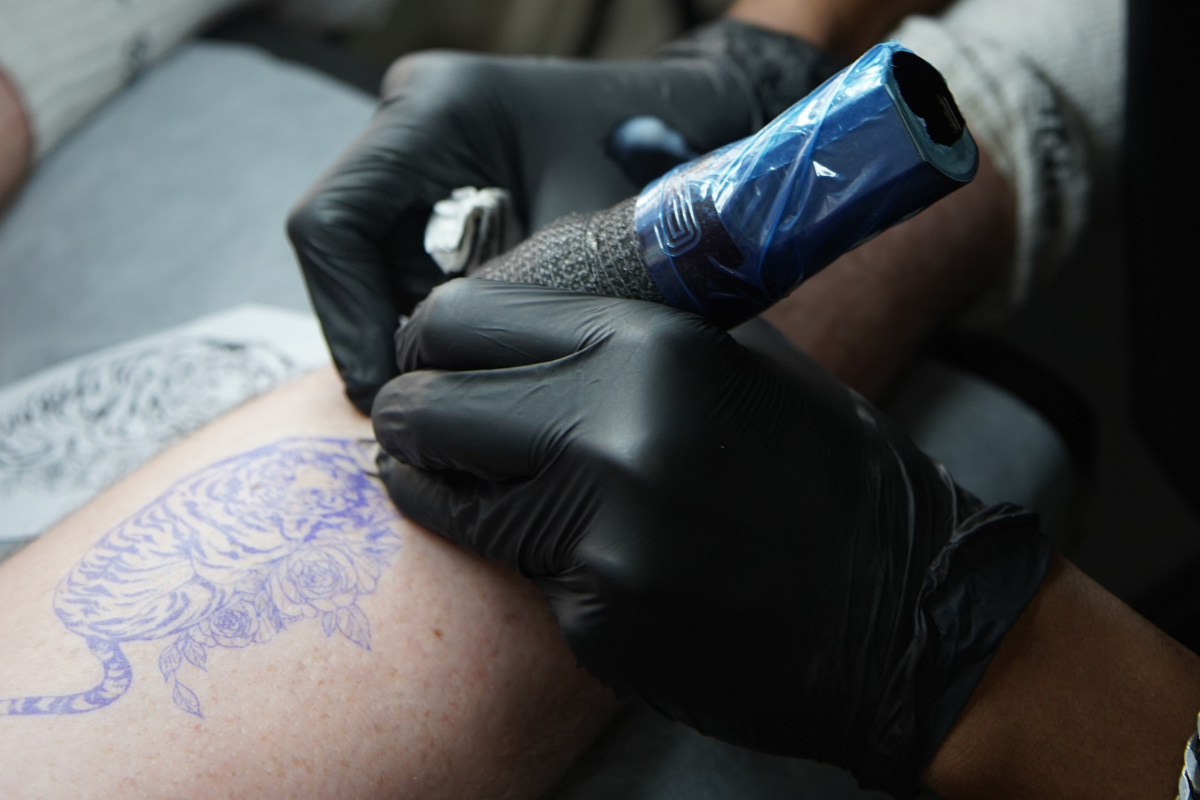
A tattoo graphic differs fundamentally from other forms of visual art because it exists on a living canvas that moves, ages, and changes over time. Professional tattoo artists must understand both artistic composition and the technical challenges of working with skin as a medium.
The core elements of effective tattoo graphic design include:
Line weight and consistency for clarity and longevity
Contrast ratios that remain visible as ink ages
Spatial composition that complements body contours
Color theory adapted for skin undertones
Scale considerations for visibility and detail retention
The relationship between graphic design and tattooing has strengthened considerably in recent years, with many tattoo artists receiving formal training in visual communication and design theory. This evolution has elevated the industry, transforming simple flash art selections into collaborative design processes where clients actively participate in creating their unique tattoo graphic.
Elements of tattoo graphic design
When commissioning a custom tattoo graphic, clients should consider how their chosen design will interact with their body's natural movement and form. A skilled artist evaluates placement options, suggesting modifications to enhance the visual impact based on muscle structure, joint flexibility, and the client's lifestyle. This personalized approach ensures the tattoo graphic remains aesthetically pleasing from multiple angles and through various body positions.
Technical Precision in Tattoo Graphics
The execution of a tattoo graphic demands exceptional technical skill beyond artistic vision. Line work must be confident and precise, as corrections are far more challenging than in traditional graphic design. Shading techniques vary dramatically based on the desired style, from soft gradients in realism to bold hatching in illustrative work.
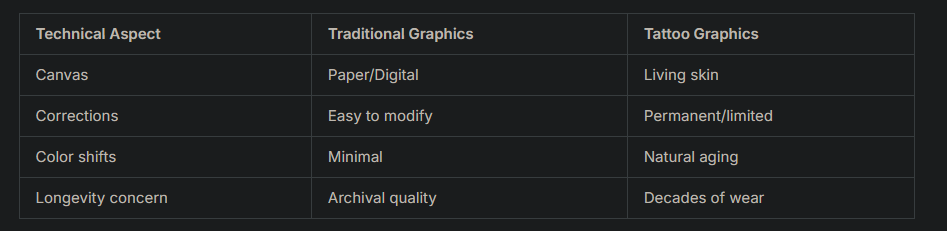
Understanding these technical differences helps clients appreciate the expertise required to transform a concept into a lasting tattoo graphic. Professional studios invest in ongoing education, ensuring their artists stay current with evolving techniques and safety standards.
Current Trends Shaping Tattoo Graphics
The tattoo industry continuously evolves, with tattoo trends for 2025 showcasing the integration of neo-traditional designs that merge classic motifs with contemporary aesthetics. These trends reflect broader cultural shifts in visual preferences and design sensibilities.
Dominant tattoo graphic styles in 2026 include:
Micro-fine line work emphasizing delicate detail
Geometric abstractions with mathematical precision
Organic illustrative styles featuring flowing natural forms
Typography-based designs incorporating meaningful text
Hybrid compositions blending multiple artistic movements
The influence of broader design trends extends into tattoo graphics, with 2026 graphic design trends emphasizing texture and tactile elements that tattoo artists translate through innovative shading and dotwork techniques. This cross-pollination between industries enriches both fields, introducing fresh perspectives and methodologies.
Clients seeking trendy designs should balance current aesthetics with timeless appeal. While following popular tattoo styles can result in stunning work, incorporating personal elements ensures the tattoo graphic remains meaningful regardless of shifting trends.
Fine Line and Detailed Tattoo Graphics
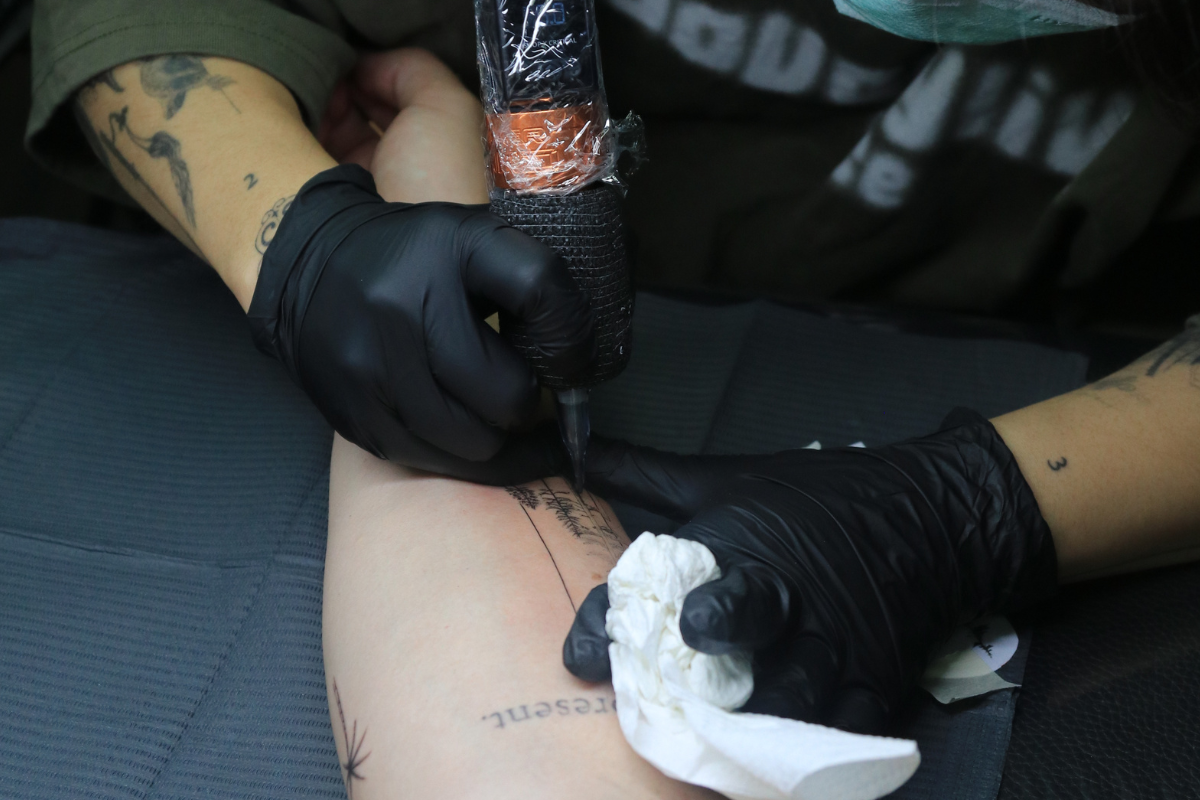
Fine line tattoo graphics have surged in popularity, particularly among clients seeking subtle, sophisticated body art. This style requires exceptional precision and steady hands, as artists work with single needles or small configurations to create intricate details.
The appeal of fine line work lies in its versatility. Artists can render everything from minimalist botanical illustrations to complex architectural drawings with equal effectiveness. However, clients must understand that extremely fine details may soften over time, making placement and aftercare crucial for longevity.
Detailed tattoo graphics demand patience from both artist and client. Sessions for complex pieces often extend over multiple appointments, allowing for proper healing between stages and ensuring optimal color saturation and line clarity. This methodical approach produces superior results compared to rushing through elaborate designs.
Fine line tattoo technique
Design Collaboration and Custom Creation
Creating a truly exceptional tattoo graphic begins with effective communication between client and artist. The consultation process allows artists to understand client vision, lifestyle considerations, and aesthetic preferences while providing professional guidance on design feasibility.
The custom tattoo graphic development process typically includes:
Initial concept discussion and reference gathering
Preliminary sketch review and refinement
Size and placement evaluation
Color palette selection and skin tone consideration
Final design approval and session scheduling
Professional studios prioritize this collaborative approach, recognizing that rushed designs rarely achieve the same satisfaction as thoughtfully developed custom work. When choosing the right tattoo artist, evaluate their portfolio for consistency in the style you desire and their willingness to engage in the design development process.
Translating Concepts into Wearable Art
The transition from concept to completed tattoo graphic requires translating two-dimensional designs onto three-dimensional, curved surfaces. Experienced artists account for distortion, ensuring compositions maintain their intended proportions when applied to arms, legs, torsos, or other body areas.
Placement significantly impacts how a tattoo graphic reads visually. Designs following natural body curves typically appear more harmonious than those fighting against anatomical structure. Artists may suggest rotating, resizing, or repositioning elements to optimize visual flow and complement the client's physique.
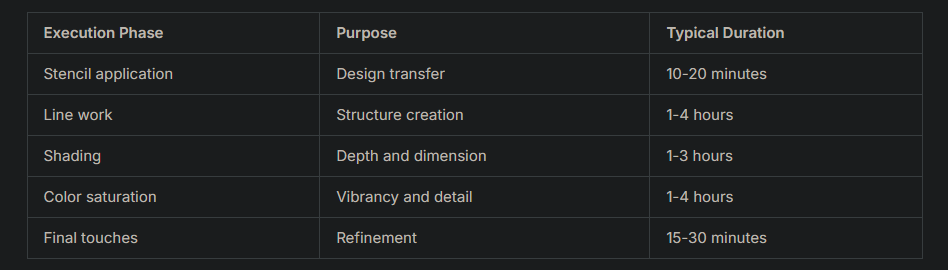
Understanding what to expect during your first tattoo session helps manage anxiety and ensures smooth collaboration. Professional artists walk clients through each step, from stencil application to final touches, maintaining open communication throughout the process.
Technical Execution and Artistic Methods
The actual creation of a tattoo graphic involves multiple techniques executed in specific sequences. Artists begin by applying a stencil, providing a blueprint for the design. Line work typically comes first, establishing the composition's framework before adding shading, color, or other details.
Different tattoo graphic styles demand varying technical approaches. Realism requires subtle gradations and careful attention to light sources, while traditional work emphasizes bold outlines and solid color fills. Understanding these stylistic differences helps clients articulate their preferences during consultations.
Color Theory in Tattoo Graphics
Color selection profoundly impacts a tattoo graphic's overall effect and longevity. Certain pigments fade faster than others, while specific hues may appear differently on various skin tones. Professional artists consider these factors when developing color palettes, often suggesting adjustments to ensure optimal results.
The interaction between ink and skin undertones determines how colors ultimately appear. Warm undertones may shift certain blues toward purple, while cool undertones can make reds appear more vibrant. Experienced artists test color combinations and account for these variations in their tattoo graphic designs.
Black and gray tattoo graphics offer timeless appeal with exceptional longevity. The absence of color eliminates concerns about differential fading, while masterful shading creates stunning depth and realism. Many collectors appreciate the classic sophistication of monochromatic work, which complements any aesthetic.
Placement Strategies for Maximum Impact
Strategic placement transforms good tattoo graphics into exceptional ones. The body offers diverse canvases, each with unique characteristics that influence design possibilities. Understanding tattoo placement options helps clients select locations that enhance their chosen design.
Popular placement areas and their characteristics:
Inner forearm: High visibility, minimal distortion, moderate pain
Upper arm/shoulder: Large canvas, easy concealment, versatile sizing
Ribcage: Expansive area, higher pain levels, stunning large-scale work
Thigh: Substantial space, lower visibility, excellent for detailed pieces
Back: Premium canvas for elaborate compositions, commitment required
Certain tattoo graphics work better on specific body areas based on their shape, size, and orientation. Vertical designs suit forearms and calves, while horizontal compositions excel on shoulders or lower backs. Artists with strong spatial awareness help clients optimize placement for maximum visual impact.
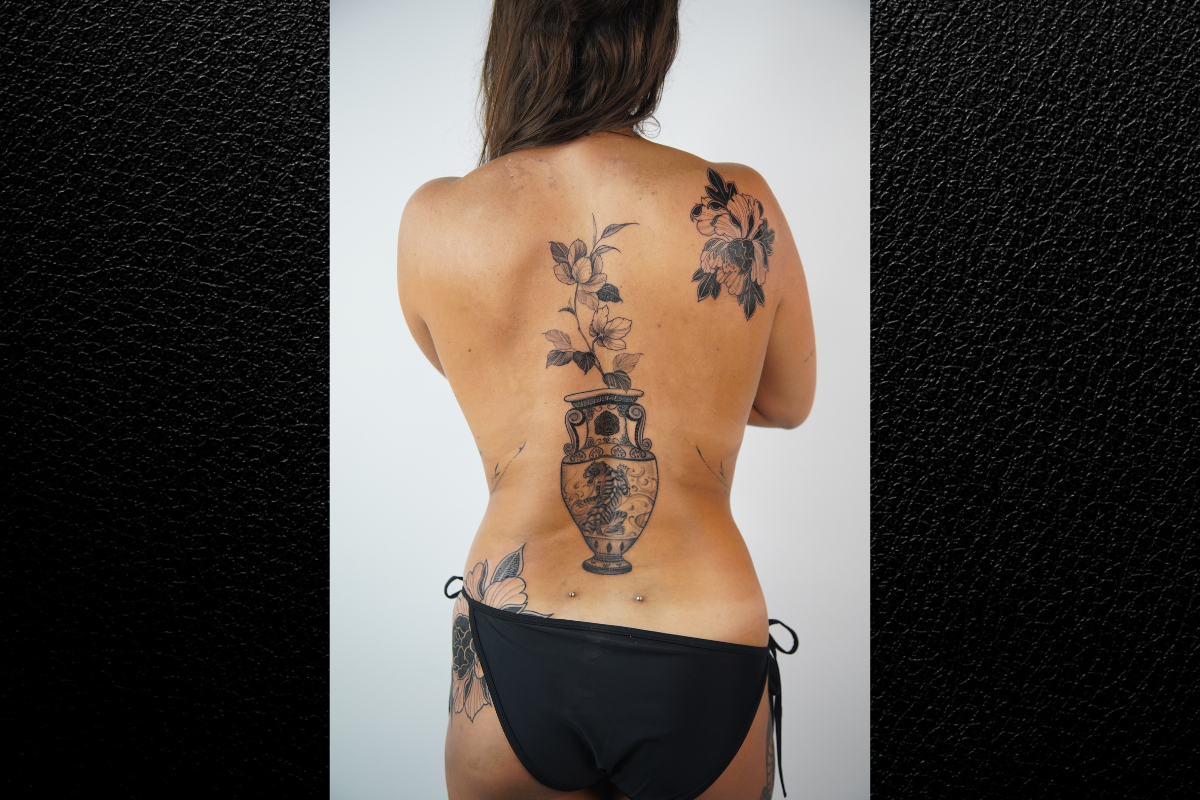
Tattoo placement considerations
Sizing Considerations for Tattoo Graphics
Scale dramatically affects a tattoo graphic's legibility and aging characteristics. Extremely small, highly detailed designs may blur together over time as the skin naturally changes. Conversely, oversized pieces on limited spaces can appear cramped and unbalanced.
Professional artists recommend appropriate sizing based on design complexity and placement location. Simple graphics with bold elements can work at smaller scales, while intricate compositions require adequate space for proper detail rendering. This guidance ensures tattoo graphics maintain their intended appearance throughout the client's lifetime.
The relationship between detail density and overall size represents a critical balance in tattoo graphic design. Artists must ensure sufficient space between elements for clean healing and long-term clarity while maintaining the composition's intended impact and visual hierarchy.
Personalization and Meaningful Design Elements
The most compelling tattoo graphics incorporate personal symbolism that resonates with the wearer. Understanding the symbolism behind tattoo designs enriches the creative process, helping clients select elements that carry lasting significance.
Common approaches to personalizing tattoo graphics include:
Incorporating meaningful dates or coordinates
Integrating cultural or familial symbols
Representing personal achievements or values
Commemorating significant relationships
Expressing philosophical or spiritual beliefs
While aesthetic appeal matters, tattoo graphics that combine visual beauty with personal meaning typically provide greater long-term satisfaction. These designs transcend temporary trends, maintaining their relevance throughout life's changes and evolution.
Cultural Influences in Contemporary Tattoo Graphics
Global artistic traditions increasingly influence modern tattoo graphics, with artists drawing inspiration from diverse cultural heritage. From Japanese irezumi to Polynesian tribal patterns, these time-honored styles inform contemporary work while respecting their historical significance.
Bangkok's unique position as a cultural crossroads enriches the local tattoo scene. Traditional Thai tattoo elements merge with international influences, creating distinctive hybrid styles. Artists familiar with traditional Thai tattoos can incorporate authentic elements into custom designs, connecting contemporary aesthetics with ancient traditions.
Respectful cultural integration requires understanding and honoring the significance of traditional elements. Professional artists educate clients about symbolic meanings, ensuring informed choices that celebrate rather than appropriate cultural heritage.
Quality Indicators in Tattoo Graphics
Distinguishing exceptional tattoo graphics from mediocre work requires understanding quality markers. Professional execution demonstrates consistent line weight, smooth gradations, proper color saturation, and clean edges without blowouts or uneven application.
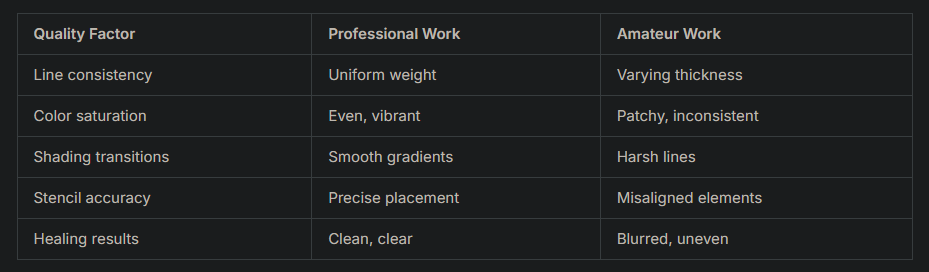
Portfolio review provides the best indication of an artist's capabilities. Examine healed work rather than fresh tattoos, as proper assessment requires seeing how designs age. Quality tattoo graphics maintain their clarity and impact years after application, demonstrating the artist's technical mastery.
The investment in premium tattoo graphics extends beyond initial cost. Superior execution means fewer touch-ups, better aging, and greater long-term satisfaction. When choosing the right tattoo studio, prioritize quality indicators over pricing alone.
Aftercare for Preserving Tattoo Graphics
Proper aftercare directly impacts how well tattoo graphics heal and age. Following professional guidance during the critical healing period protects the investment and ensures optimal results. Understanding tattoo aftercare essentials prevents complications and preserves design integrity.
Essential aftercare practices include:
Gentle cleaning with fragrance-free soap
Appropriate moisturization without over-application
Sun protection during healing and long-term
Avoiding submersion in water during initial healing
Resisting the urge to pick or scratch
The first two weeks prove most critical for tattoo graphic healing. Skin regenerates rapidly during this period, and proper care ensures ink settles correctly without complications. Following artist-specific instructions tailored to your design and skin type produces the best outcomes.
Long-term maintenance extends the life and vibrancy of tattoo graphics. Regular moisturization keeps skin healthy, while consistent sun protection prevents premature fading. Annual assessments help identify if touch-ups might enhance aging designs, maintaining their original impact.
Advanced Techniques in Modern Tattoo Graphics
Contemporary tattoo artists employ increasingly sophisticated techniques to achieve remarkable effects. Hyperrealistic portraiture, geometric precision, watercolor effects, and ornamental detailing represent just a few specialized approaches within modern tattooing.
These advanced methods require extensive training and practice. Artists often spend years perfecting specific techniques before offering them to clients. When exploring unusual tattoo ideas, seek artists with demonstrated expertise in your desired style rather than generalists.
Technology integration has enhanced the tattoo graphic design process. Digital mockups allow clients to visualize placements before commitment, while advanced tattooing equipment enables greater precision and efficiency. These innovations improve both the creative process and final results.
Specialty Applications and Corrections
Tattoo graphics can serve functional purposes beyond decoration. Skilled artists specialize in scar coverage, creating designs that transform unwanted marks into meaningful art. Understanding the techniques for covering scars with tattoos opens possibilities for those seeking to reclaim their skin's appearance.
Cover-up work represents another specialized application, requiring artists to strategically design new tattoo graphics that effectively conceal unwanted existing pieces. This process demands exceptional skill in color theory, composition, and technical execution to achieve seamless results.
Medical tattooing extends the field further, with artists creating realistic areola reconstructions following mastectomies or camouflaging vitiligo and other skin conditions. These applications demonstrate tattooing's profound impact beyond aesthetic enhancement.