Black in Tattoo: Essential Guide for Luxury Tattoos
The foundation of every remarkable tattoo begins with one essential element that has remained constant throughout centuries of body art evolution. Black in tattoo artistry represents more than just a color choice; it embodies the very essence of permanence, contrast, and artistic expression that defines the craft. Whether creating delicate fine line designs or bold traditional pieces, understanding the properties, applications, and significance of black ink elevates both the artist's technique and the client's experience at premier studios.
The Fundamental Role of Black in Tattoo Artistry
Black ink serves as the backbone of tattooing across every style and technique. Its dominance in the industry stems from multiple factors that make it indispensable for professional artists.
The pigment's ability to create sharp contrast against all skin tones makes black in tattoo work universally effective. Unlike colored inks that may appear differently on various complexions, black maintains its visual impact consistently. This reliability has made it the primary choice for outlining, shading, and creating complete compositions.
Key advantages of black ink include:
Superior longevity compared to colored pigments
Highest contrast visibility on all skin types
Versatility across all tattoo styles and techniques
Most stable composition with minimal fading
Foundation for grayscale and color tattoo designs
Professional studios recognize that mastering black ink application separates exceptional artists from average practitioners. The technical precision required to achieve smooth gradients, solid fills, and crisp lines demands extensive training and experience.
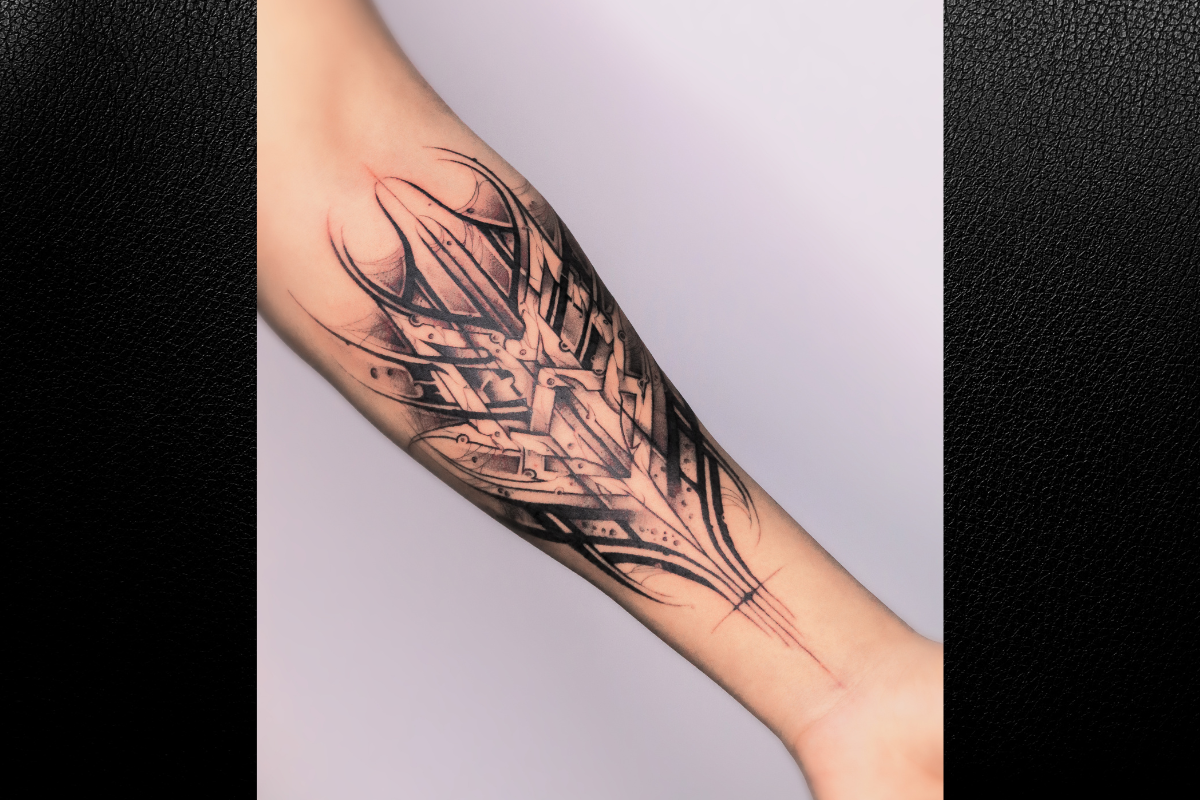
Black ink tattoo techniques
Composition and Safety Considerations
Understanding what constitutes black in tattoo ink helps clients make informed decisions about their body art. Modern black tattoo inks typically contain carbon-based pigments suspended in a carrier solution.

The composition of black tattoo inks has evolved significantly from traditional methods. Research on tattoo ink safety indicates that carbon-based black inks generally demonstrate better biocompatibility than many colored alternatives. However, quality varies substantially between manufacturers.
Quality Standards in Premium Studios
Luxury tattoo establishments prioritize ink quality as a non-negotiable standard. Premium black inks undergo rigorous testing to ensure they meet safety benchmarks and performance expectations.
When choosing the right tattoo studio, clients should inquire about ink sourcing and safety certifications. Reputable studios maintain transparent relationships with suppliers and can provide detailed information about pigment composition. Understanding potential health risks associated with tattooing helps clients prepare properly and recognize the importance of sterile techniques.
Professional artists working with black in tattoo applications understand that proper ink selection directly impacts healing, color retention, and long-term appearance. Premium carbon-based blacks deliver consistent results with minimal complications when applied correctly.
Technical Applications and Artistic Techniques
The versatility of black in tattoo work manifests through various application methods that skilled artists employ to create distinctive effects.
Fine Line Work and Detail
Fine line tattooing demands exceptional control and high-quality black ink with optimal consistency. Artists specializing in fine line and detailed tattoo designs rely on black's precision to create intricate patterns, delicate lettering, and minimalist compositions.
Fine line applications include:
Delicate botanical illustrations
Geometric patterns and sacred geometry
Minimalist script and typography
Architectural details and line art
Single-needle portrait work
The thin lines characteristic of this style require black ink that flows smoothly without bleeding or spreading over time. Premium formulations maintain their integrity within the skin, preserving the artist's intended design for decades.
Solid Black Work and Coverage
On the opposite end of the spectrum, blackwork tattoo styles embrace bold, saturated areas of solid black. These designs range from traditional tribal patterns to contemporary abstract compositions that utilize negative space creatively.
Achieving uniform black coverage requires specific techniques. Artists must pack the ink properly to ensure even saturation without overworking the skin. The process demands both technical skill and understanding of how black in tattoo applications interacts with different skin types and body areas.
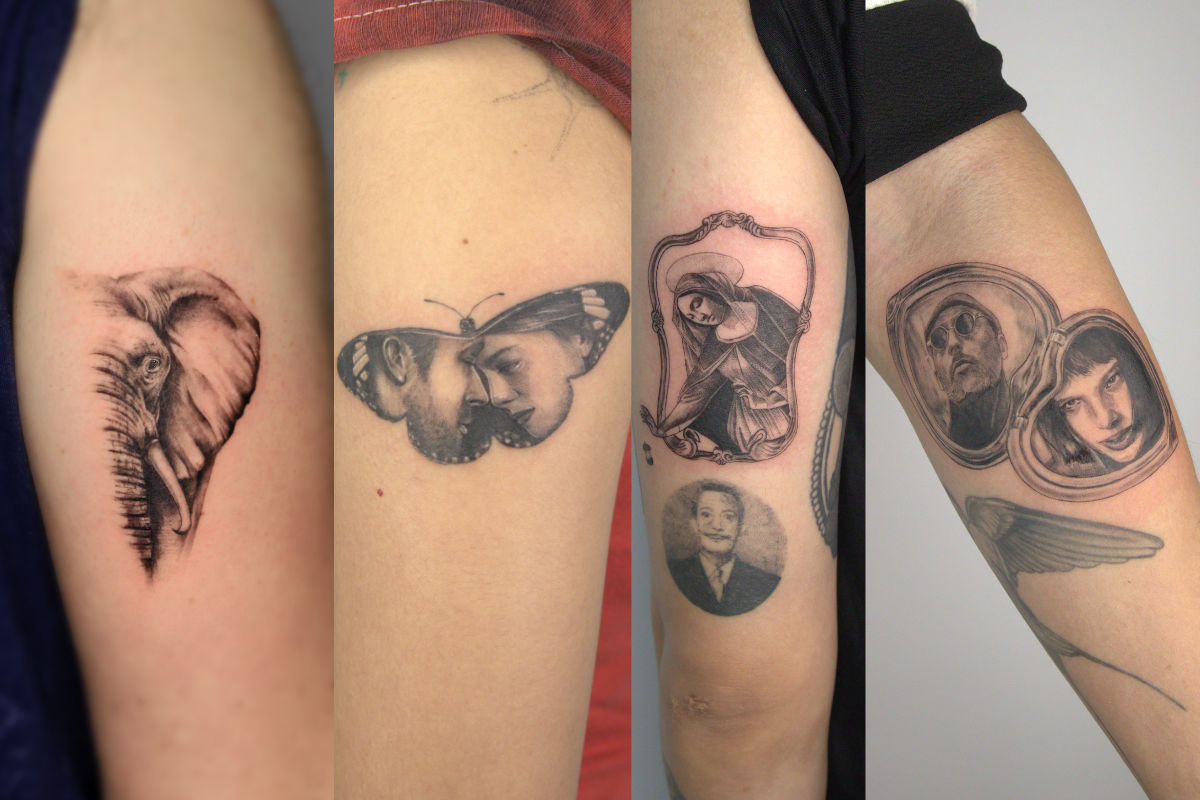
Black tattoo applications
Black Ink in Different Tattoo Styles
Different tattoo traditions utilize black in tattoo work with distinctive approaches that reflect their cultural origins and aesthetic philosophies.
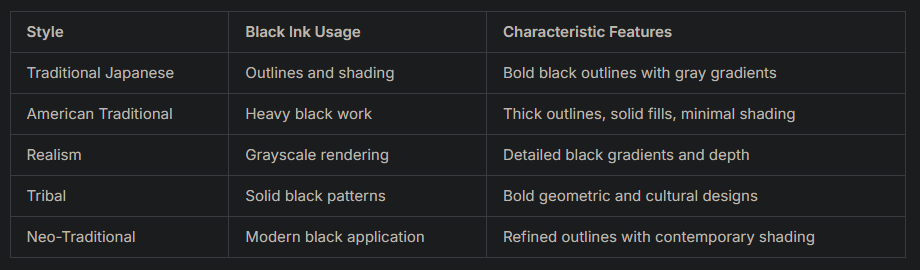
Different tattoo traditions utilize black in tattoo work with distinctive approaches that reflect their cultural origins and aesthetic philosophies.
Style
Black Ink Usage
Characteristic Features
Traditional Japanese
Outlines and shading
Bold black outlines with gray gradients
American Traditional
Heavy black work
Thick outlines, solid fills, minimal shading
Realism
Grayscale rendering
Detailed black gradients and depth
Tribal
Solid black patterns
Bold geometric and cultural designs
Neo-Traditional
Modern black application
Refined outlines with contemporary shading
Traditional Thai Tattoos
Traditional Thai tattoos represent a sacred art form where black ink carries spiritual significance. These designs, known as Sak Yant, utilize hand-poked techniques to create protective symbols and Buddhist imagery exclusively in black.
The cultural weight of black in tattoo traditions extends beyond aesthetics. In Thai tattooing, the ink itself is sometimes blessed and imbued with spiritual properties, making the choice of pure, traditional black pigments essential to the practice's integrity.
Contemporary Black and Gray
Modern black and gray tattooing demonstrates the remarkable range achievable with black in tattoo applications. Artists dilute black ink to create various shades of gray, building dimension and photorealistic effects without introducing color.
This technique particularly excels in portrait work, wildlife art, and illustrative designs where subtle tonal variations create depth and emotion. Understanding proper aftercare becomes crucial for preserving these delicate gradations during healing.
Longevity and Aging of Black Tattoos
One compelling advantage of black in tattoo work is its exceptional longevity compared to colored alternatives. Black carbon pigments resist fading more effectively than most organic color compounds.
Factors Affecting Black Tattoo Longevity
Several elements influence how well black tattoos maintain their appearance over time:
Sun exposure: UV radiation breaks down pigments gradually
Skin type: Natural skin regeneration affects ink retention
Tattoo placement: High-friction areas experience more wear
Initial application quality: Proper depth and saturation matter significantly
Aftercare practices: Early healing sets the foundation for longevity
Professional artists understand that black in tattoo applications requires proper depth placement. Too shallow, and the ink may fade prematurely; too deep, and it can spread or blur. This precision distinguishes experienced practitioners from novices.
When what happens during a tattoo session is executed with expertise, black tattoos can maintain their clarity for decades with minimal touch-up requirements. The permanence of quality black work makes it ideal for meaningful designs intended to last a lifetime.
Covering and Correcting with Black Ink
Black in tattoo applications plays a crucial role in cover-up work and scar concealment. The pigment's opacity allows skilled artists to effectively mask unwanted previous tattoos or imperfections.
Strategic Coverage Techniques
Cover-up considerations include:
Assessing the existing tattoo's darkness and size
Designing new artwork with strategic black placement
Incorporating the old tattoo's shadows into new composition
Building sufficient contrast to hide previous work
Managing client expectations about visibility
Covering scars with tattoos often relies heavily on black ink's ability to create uniform appearance over textured skin. The pigment's density helps equalize the visual field, making scar tissue less noticeable within artistic designs.
Artists at premier studios assess each cover-up project individually, determining whether black-dominant designs or strategic color placement will achieve optimal results. The goal remains creating beautiful artwork that happens to conceal, rather than obvious cover-up attempts.
Choosing Black Ink for Personal Designs
Clients considering tattoos should understand how black in tattoo designs affects their specific vision. Several factors guide the decision between all-black compositions, black and gray work, or incorporating color.
Design Considerations
Black ink works exceptionally well for:
Minimalist and modern aesthetic preferences
Professional visibility requirements
First-time tattoo recipients seeking timeless appeal
Designs emphasizing line work and form over color
Clients with concerns about color allergies
Choosing tattoo colors for skin tones reveals that black maintains visibility across all complexions, making it the most universally effective choice. While color tattoos can be stunning, black offers reliability and consistency that colored pigments cannot always match.
The decision also involves practical considerations. Black tattoos typically require fewer sessions than elaborate color pieces, potentially reducing overall investment. However, the artistry and detail level matter more than color choice alone.
The Artist's Perspective on Black Ink
Professional tattoo artists develop deep relationships with black in tattoo applications throughout their careers. Mastery of black ink techniques forms the foundation upon which all other skills build.
Experienced practitioners understand subtle differences between black ink brands, knowing which formulations work best for specific applications. Some blacks flow smoothly for line work, while others pack densely for solid fills. This knowledge comes through years of practice and experimentation.
Selecting the perfect tattoo artist involves evaluating their portfolio specifically for black ink work quality. Examine how cleanly their lines heal, whether solid blacks remain uniform, and how well gradients transition smoothly. These technical markers reveal an artist's true skill level.
Health and Safety Protocols
Responsible studios maintain strict protocols around black in tattoo applications to ensure client safety and optimal outcomes. These standards extend beyond basic hygiene to encompass every aspect of the tattooing process.
Safety Standards Checklist
Single-use needles and tubes for every client
Sterilized equipment and work surfaces
Quality-tested, certified tattoo inks
Proper disposal of contaminated materials
Clear aftercare instructions and follow-up support
Research into tattoo ink composition has revealed the importance of selecting inks free from heavy metals and toxic contaminants. Premium studios invest in thoroughly tested black inks that prioritize client health without compromising artistic results.
Understanding what to expect during your first tattoo session helps clients recognize professional standards. Reputable artists willingly discuss their ink choices, safety protocols, and any concerns clients may have about black pigment composition.
Innovation in Black Tattoo Ink Technology
The tattoo industry continues advancing black in tattoo formulations to improve performance, safety, and longevity. Modern innovations address traditional limitations while maintaining the essential characteristics that make black ink indispensable.
Recent developments include vegan-friendly black inks formulated without animal-derived glycerin, hypoallergenic options for sensitive clients, and enhanced pigment suspensions that resist settling during storage. These improvements expand access to quality tattooing for diverse client populations.
Technology also assists artists in planning black tattoo designs. Digital tools allow visualization of how black patterns will appear on different body placements, helping clients make confident decisions before committing to permanent artwork.
The future of black in tattoo applications likely includes continued refinement of pigment purity, carrier solution biocompatibility, and application techniques that minimize trauma while maximizing artistic potential. These advances benefit both artists and clients seeking exceptional results.
Maintaining Black Tattoo Vibrancy
Proper maintenance ensures black tattoos retain their intended appearance throughout decades of wear. Unlike colored tattoos that may require frequent touch-ups, quality black work remains remarkably stable with appropriate care.
Long-term maintenance strategies:
Daily sunscreen application on tattooed areas
Moisturizing to maintain skin health and elasticity
Avoiding harsh chemical exposure and excessive friction
Prompt touch-ups if minor fading occurs
Regular skin care supporting overall tattoo appearance
Easier tattoo healing tips emphasize the importance of initial aftercare in establishing long-term tattoo quality. The first few weeks determine how well black in tattoo applications sets within the skin, affecting appearance for years to come.
Clients investing in premium black tattoos should view maintenance as part of preserving their body art investment. The relatively minimal upkeep required for black tattoos compared to color work represents another advantage of this timeless choice.