Elbow Tattoo: Design, Placement & Aftercare Guide
The elbow represents one of the most challenging yet visually striking locations for body art. This joint area combines complex anatomy, constant movement, and exposed positioning, creating unique considerations for both artists and clients. An elbow tattoo demands careful planning, expert execution, and dedicated aftercare to achieve optimal results. Whether you're considering a full elbow coverage piece, a mandala centered on the joint, or an extension of a sleeve design, understanding the specific demands of this placement will help ensure your investment delivers lasting beauty and personal meaning.
Understanding Elbow Anatomy and Tattoo Challenges
The elbow joint presents several anatomical features that distinguish it from flatter, more stable body areas. The skin covering the elbow stretches significantly during movement, creating constant tension and compression cycles throughout daily activities. This perpetual flexion affects how ink settles and heals in the dermal layers.
Skin Characteristics at the Joint
Elbow skin differs markedly from surrounding arm tissue in thickness, elasticity, and nerve density. The outer point features thinner skin stretched over bone with minimal fat cushioning, while the inner crease contains folded tissue that compresses during extension. These variations require specialized skin stretching and placement techniques that experienced artists master through years of practice.
Key anatomical considerations include:
Bone proximity requiring lighter hand pressure
Variable skin thickness across the joint surface
High concentration of nerve endings increasing sensitivity
Natural creases that can distort linear designs
Limited subcutaneous fat offering minimal cushioning
The curved, convex surface of the elbow creates optical distortion when viewed from different angles. Designs must account for this three-dimensional canvas, ensuring the artwork maintains visual coherence whether the arm is bent or straight.
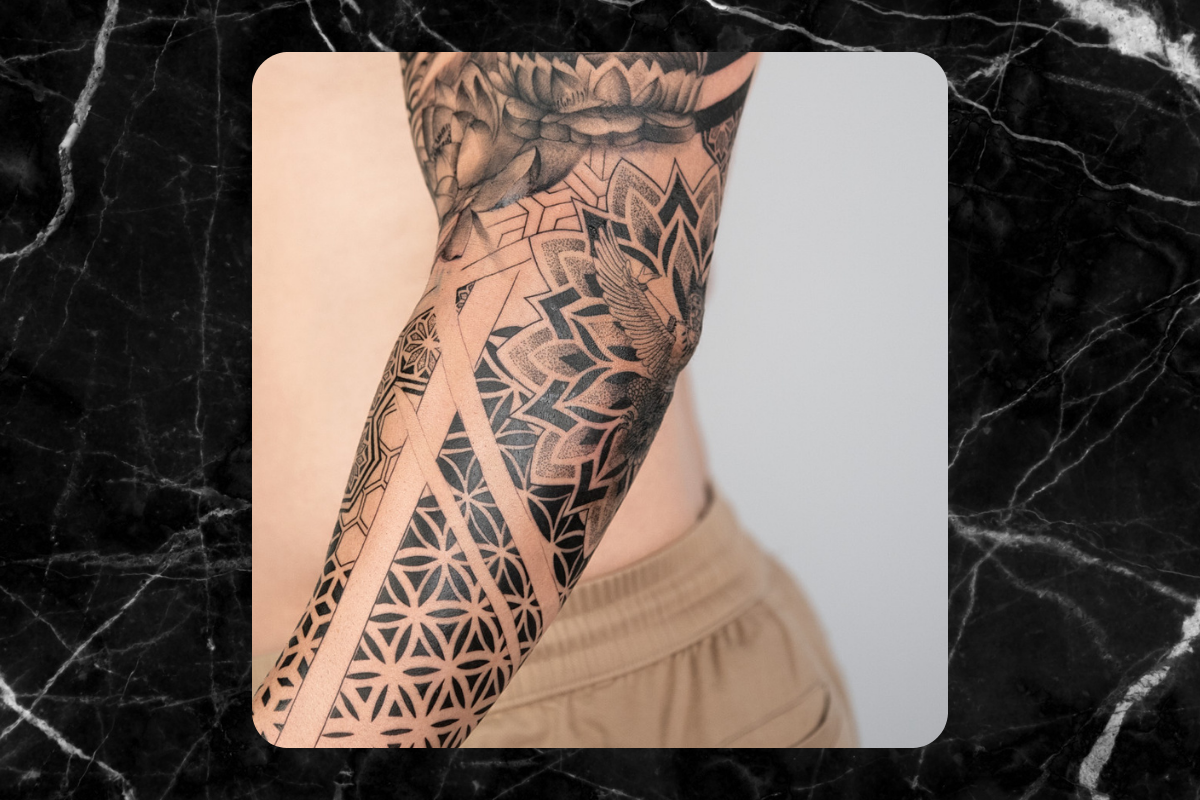
Elbow joint anatomy showing skin movement
Pain Levels and Sensation Management
An elbow tattoo ranks among the more uncomfortable placements on the pain scale. The combination of thin skin, proximity to bone, and concentrated nerve pathways creates heightened sensation during the tattooing process. Most clients describe the experience as more intense than shoulder, forearm, or upper arm work.
What to Expect During Your Session
The outer elbow point typically generates the sharpest sensations, often described as a vibrating pressure directly on bone. The inner crease produces a different quality of discomfort, with many clients reporting a burning or scratching sensation in the folded tissue. Understanding what happens during your tattoo session helps prepare mentally for these sensations.
Pain management strategies:
Schedule your appointment when well-rested and hydrated
Eat a substantial meal 1-2 hours before your session
Avoid alcohol and blood-thinning medications for 24 hours prior
Communicate openly with your artist about needed breaks
Practice controlled breathing techniques during intense moments
Consider breaking large pieces into multiple sessions
The duration of your session directly correlates with overall discomfort. A simple linework design might require only 1-2 hours, while a fully detailed mandala or geometric piece could demand 4-6 hours or multiple appointments. When choosing your tattoo artist, discuss their approach to pacing and breaks during joint work.
Design Styles That Complement Elbow Placement
Certain artistic styles naturally accommodate the elbow's curved geometry and movement patterns. The circular nature of the joint lends itself particularly well to mandala patterns, sacred geometry, and radiating designs that emphasize the elbow as a central focal point.
Popular Elbow Tattoo Motifs
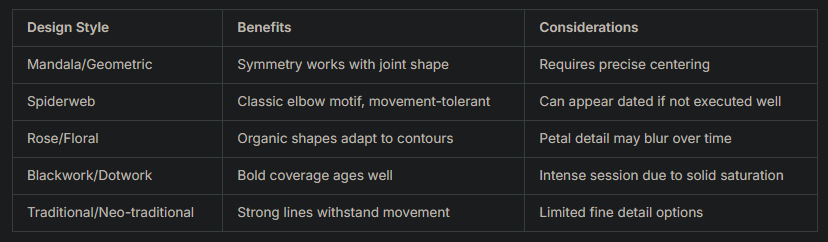
Fine line work presents specific challenges on the elbow. The constant skin movement and stretching can cause delicate lines to spread or blur more quickly than on stable placements. However, skilled artists working with detailed tattoo designs can achieve stunning results by adjusting needle depth and ink saturation for the specific tissue characteristics.
Many clients choose to incorporate their elbow tattoo into a larger arm sleeve, using the joint as either a transition point or featured centerpiece. This approach allows the elbow work to integrate seamlessly with surrounding pieces while serving a compositional purpose in the overall design.
Technical Execution and Artist Expertise
Tattooing an elbow demands advanced technical proficiency. The artist must continuously adjust skin tension, needle angle, and hand pressure while working across varying surface contours. This complexity explains why many tattooers recommend clients wait until they've completed several simpler placements before attempting elbow work.
The Application Process
Professional artists employ specific techniques when working on joint areas. Proper skin stretching becomes crucial as the artist or an assistant must maintain consistent tension across the curved surface. The stretching direction changes constantly as work progresses around the elbow's circumference, requiring coordination and experience.
Critical technical elements:
Adjusting machine speed and needle depth for varying skin thickness
Working in small sections to maintain optimal skin tension
Rotating arm position to access all angles while preserving design integrity
Managing ink consistency for proper saturation on challenging tissue
Monitoring swelling that develops more rapidly on joints
The stencil application alone requires expertise. Getting a design to lay smoothly on the elbow's three-dimensional surface without distortion takes practice and often multiple attempts. Some artists photograph the stencil from various angles with the arm in different positions to ensure the design works across the full range of motion.
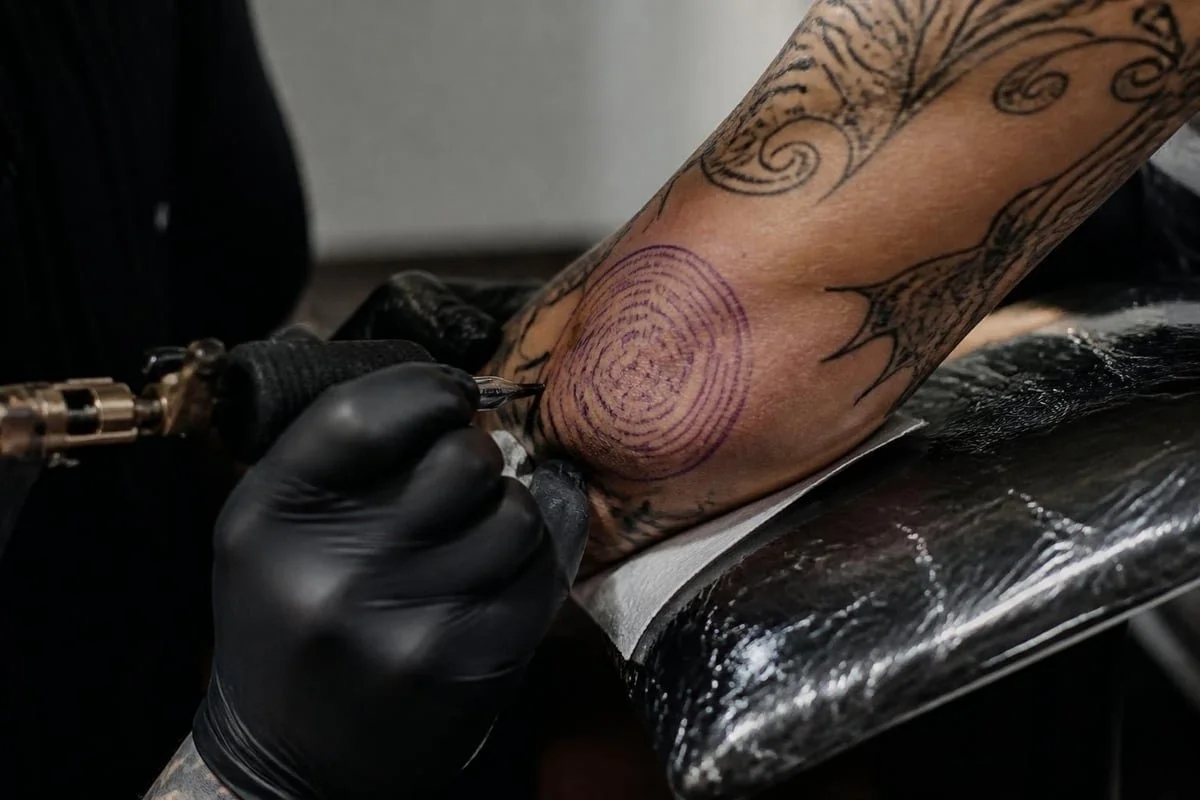
Elbow tattoo technical consideration
Healing Timeline and Aftercare Requirements
An elbow tattoo typically requires extended healing time compared to less mobile placements. The constant bending and straightening throughout daily activities creates ongoing stress on the fresh wound, potentially extending the healing process by several days or even weeks.
Initial Healing Phase
The first 2-3 weeks prove most critical for an elbow tattoo. During this period, the skin repairs itself while you continue normal arm movement, creating unique aftercare challenges. Proper tattoo aftercare becomes essential to prevent complications and ensure optimal color retention.
Days 1-3: Immediate care
Keep the bandage on for the duration recommended by your artist (typically 2-24 hours)
Wash gently with fragrance-free antibacterial soap 2-3 times daily
Pat dry with clean paper towels, never rubbing
Apply thin layers of recommended ointment
Avoid bending the arm excessively when possible
Days 4-14: Active healing
Switch to fragrance-free lotion as the tattoo begins to dry
Expect increased itching as skin regenerates
Resist scratching or picking at forming scabs
Wear loose-fitting sleeves that don't rub the area
Continue washing 2-3 times daily
Research indicates that adverse reactions in tattooed skin occur more frequently on extremities and areas subject to regular trauma, making vigilant aftercare particularly important for elbow placements. Monitor for signs of infection including excessive redness, warmth, swelling, or discharge.
Color Retention and Touch-Up Considerations
The elbow's constant movement and exposure to environmental factors affect how tattoo pigments age in this location. Colors may fade more quickly than on protected areas, and fine details can blur as the skin undergoes repeated stretching cycles over months and years.
Long-Term Color Performance
Black and darker pigments generally maintain better saturation on elbows than lighter colors. Reds, yellows, and pastels often require more frequent touch-ups to maintain vibrancy. The best colors for your tattoo depend partly on your skin tone and partly on placement location, with joint areas benefiting from bolder, more saturated hues.
Understanding the pigment composition matters for informed decisions. The German Federal Institute for Risk Assessment provides comprehensive information on tattoo inks including safety profiles and regulatory concerns that conscious clients should consider.
Factors affecting color longevity:
Sun exposure accelerating pigment breakdown
Friction from clothing causing micro-abrasion
Skin cell turnover rate in high-movement areas
Original ink saturation depth and quality
Individual immune response to specific pigments
Most reputable studios offer complimentary minor touch-ups within the first year if you've followed aftercare instructions properly. More extensive refresh work after several years typically incurs standard session charges but requires less time than the original application.
Medical and Safety Considerations
Any tattoo carries inherent health considerations, but joint placements present specific risks that warrant awareness. The elbow's exposure and frequent contact with surfaces increases contamination risk during healing. Additionally, the proximity to lymph nodes in the inner arm requires attention to infection prevention.
Infection Prevention Protocols
Reputable studios maintain strict sterilization standards and follow blood-borne infection prevention guidelines to protect clients. When choosing the right tattoo studio, verify their autoclave certification, single-use needle policies, and overall hygiene practices.
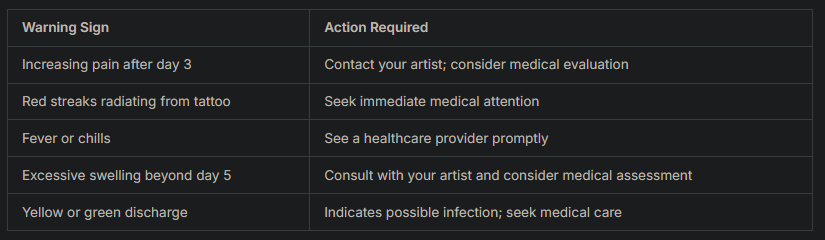
For clients with autoimmune conditions, diabetes, or circulatory issues, discuss your elbow tattoo plans with both your physician and tattoo artist. These conditions can complicate healing on high-movement areas and may require modified aftercare protocols.
Preparing for Your Elbow Tattoo Appointment
Proper preparation significantly impacts both the session experience and final results. Beyond the standard tattoo preparation advice, elbow work benefits from specific considerations regarding mobility, positioning, and endurance.
Pre-Session Checklist
Schedule your elbow tattoo during a period when you can limit strenuous arm activity for at least 48-72 hours afterward. This might mean avoiding heavy lifting at work, postponing intense gym sessions, or arranging help with activities requiring repetitive elbow movement.
Essential preparation steps:
Exfoliate the area gently 2-3 days before to remove dead skin cells
Moisturize regularly in the week leading up to your appointment
Avoid sun exposure that could cause inflammation or peeling
Wear comfortable clothing with loose sleeves or tank tops for easy access
Bring entertainment (phone, music, podcasts) for longer sessions
Pack water and light snacks to maintain energy levels
Understanding tattoo placement and finding your perfect spot involves considering not just aesthetic preferences but also practical lifestyle factors. An elbow tattoo remains visible year-round in tropical climates but can be covered with long sleeves in professional settings when needed.
Cultural and Symbolic Significance
Throughout tattoo history, the elbow has carried specific cultural meanings in various traditions. Traditional American tattoo culture particularly embraced elbow work, with the spiderweb design becoming iconic within certain subcultures. Understanding these historical contexts helps inform contemporary design choices.
Contemporary Interpretations
Modern elbow tattoos transcend traditional motifs, incorporating diverse symbolic elements that reflect personal meaning rather than predetermined symbolism. The joint's association with strength, flexibility, and connection makes it an appropriate canvas for designs representing adaptability, protection, or life transitions.
Many clients view their elbow tattoo as a commitment statement within the tattoo community, signaling dedication to body art given the placement's reputation for discomfort and visibility. This cultural significance adds another dimension to the decision-making process beyond pure aesthetics.
Alternative Coverage and Removal Options
While most elbow tattoos are intentional choices, some clients eventually seek modification or removal. The joint's anatomy presents unique challenges for both cover-up work and laser removal procedures.
Cover-Up Possibilities
Successfully covering an existing elbow tattoo requires artistic expertise and realistic expectations. The limited working space and need to accommodate skin movement restrict design options compared to flatter areas. Dark, saturated coverage pieces work best, often incorporating blackwork or bold traditional elements.
Research on laser tattoo removal demonstrates that joint areas often require additional sessions compared to other placements due to reduced circulation and increased scarring risk. The elbow's proximity to bone also makes laser treatment more uncomfortable, though modern techniques continue improving outcomes and patient comfort.
Cover-up considerations:
Existing ink darkness limiting design choices
Scar tissue from the original tattoo affecting new ink absorption
Need for larger, bolder designs to effectively mask old work
Multiple sessions often required for optimal coverage
Realistic discussion with your artist about feasibility
Investment and Pricing Considerations
An elbow tattoo typically commands premium pricing due to the technical difficulty and time investment required. Artists with extensive joint work experience often charge higher rates reflecting their specialized expertise and the physical demands of executing quality work on challenging anatomy.
Budgeting for Quality Work
Expect to invest between $200-$500 for smaller, simpler elbow designs, while elaborate pieces with extensive detail or full elbow coverage can range from $800-$2,000 or more. The exact price depends on artist experience, studio location, design complexity, and session duration.
Value factors justifying premium pricing:
Advanced technical proficiency required for quality results
Increased session time due to challenging work surface
Artist reputation and portfolio strength
Studio amenities and hygiene standards
Included touch-up policies and aftercare support
Attempting to minimize costs by selecting less experienced artists or budget studios rarely proves economical long-term. An elbow tattoo executed poorly requires expensive correction work or removal, ultimately costing far more than investing in quality from the outset. For clients seeking unusual tattoo ideas on challenging placements, working with proven specialists ensures results that justify the investment.