Tattoo Elements: Design Components That Create Meaning
Understanding the building blocks of exceptional body art begins with recognizing how individual tattoo elements combine to create cohesive, meaningful designs. Each component contributes to the overall narrative, from line work and shading to color selection and symbolic imagery. For those seeking refined, personalized artwork, knowing these foundational elements helps articulate your vision and collaborate effectively with skilled artists who can transform concepts into permanent masterpieces.
Core Visual Components in Tattoo Design
Every tattoo comprises distinct visual components that work together to create the finished piece. Line work forms the skeleton of any design, establishing boundaries and defining shapes. The thickness, consistency, and flow of lines dramatically impact the final aesthetic, particularly in fine line tattoo styles where precision becomes paramount.
Line Weight and Quality
Professional tattoo artists manipulate line weight to create depth, emphasis, and movement within designs. Bold lines command attention and age well over time, while delicate lines offer subtlety and detail suited for intricate work. The choice between thick and thin lines depends on several factors:
Design complexity: Intricate patterns require finer lines to maintain clarity
Skin tone and texture: Different skin types hold various line weights differently
Placement location: Body areas with more movement may require bolder lines
Aesthetic preference: Personal style dictates whether bold or subtle appeals more
Long-term aging: Thicker lines typically maintain definition better over decades
Transitioning between different line weights within a single piece creates visual hierarchy and guides the viewer's eye through the composition naturally.
Shading Techniques as Fundamental Elements
Shading breathes life into tattoo elements by adding dimension, contrast, and realism. Artists employ various shading methods including stippling, smooth gradients, and cross-hatching to achieve different effects. Black and gray work relies heavily on masterful shading to create depth without color, while colored tattoos use shading to enhance vibrancy and form.
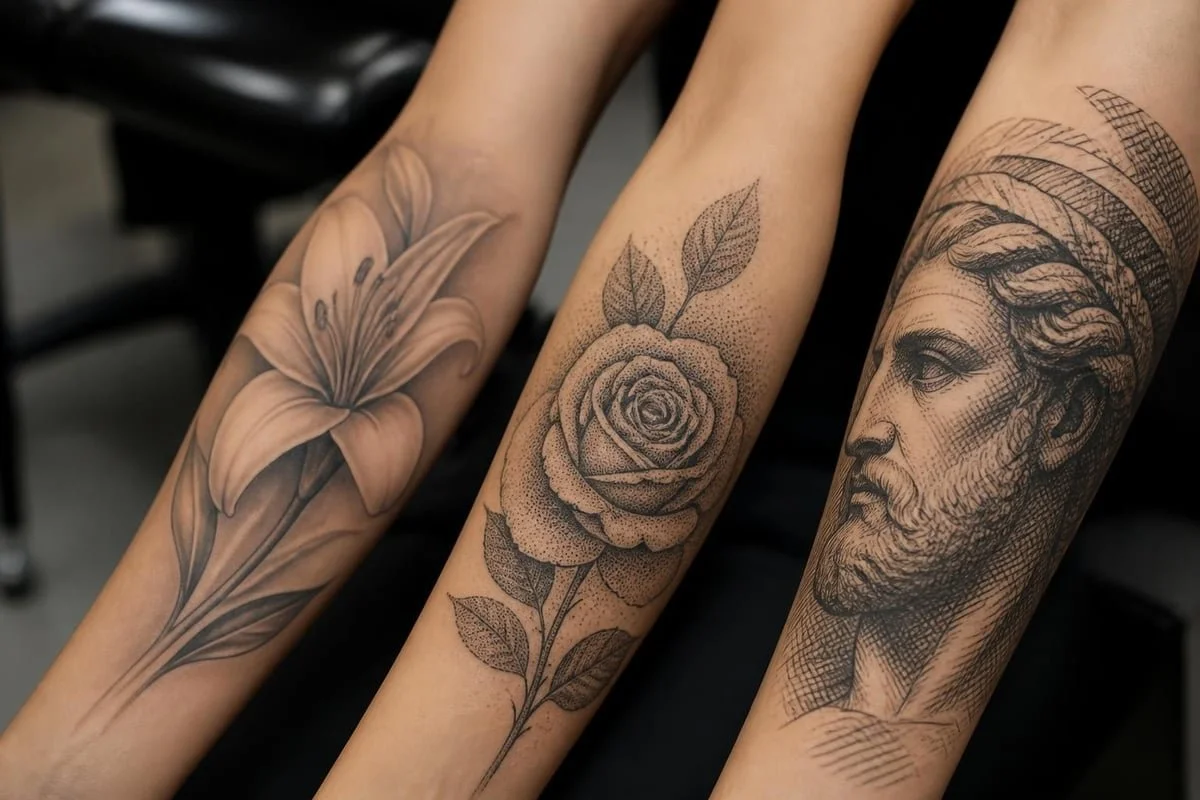
Tattoo shading techniques
The interplay between light and shadow transforms flat designs into three-dimensional art. Understanding these technical aspects helps clients appreciate the skill required to execute complex pieces and communicate preferences during consultations.
Symbolic Imagery and Cultural Motifs
Tattoo elements extend beyond technical execution to encompass the symbolic meanings embedded within imagery. Cultural motifs carry centuries of tradition and significance, making them popular choices for meaningful body art. Traditional Thai tattoos, for instance, incorporate sacred geometry and spiritual symbolism that connects wearers to ancient practices and beliefs.
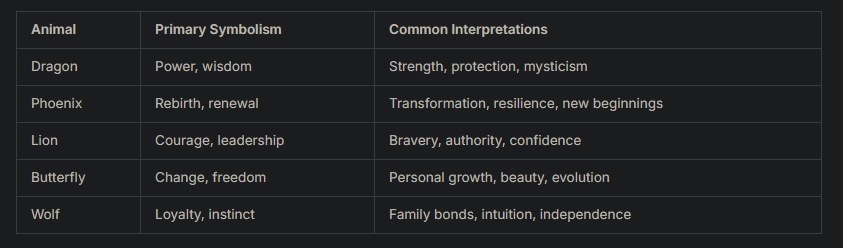
Animals represent one of the most versatile categories of symbolic tattoo elements. Each creature carries distinct associations that resonate with personal values and aspirations:
Floral elements constitute another significant category rich with symbolic meaning. The meanings behind popular tattoo motifs reveal how roses signify love and passion, lotus flowers represent spiritual awakening, and cherry blossoms embody the transient nature of life. Selecting appropriate flower symbolism enhances personal connection to the artwork.
Geometric Patterns and Sacred Geometry
Geometric tattoo elements appeal to those drawn to mathematical precision and universal patterns. Sacred geometry incorporates shapes believed to hold spiritual significance, including the flower of life, Metatron's cube, and the golden ratio spiral. These elements create visually striking compositions while connecting to philosophical concepts about the universe's fundamental structure.
Modern geometric designs combine traditional shapes with contemporary aesthetics, resulting in bold, clean tattoo elements that age exceptionally well. The precision required for geometric work demands skilled artists who understand symmetry, proportion, and spatial relationships.
Color Theory and Palette Selection
Color selection represents a critical decision point when planning tattoo elements. Color symbolism for tattoos demonstrates how hues convey specific emotions and meanings. Red radiates passion and energy, blue suggests tranquility and loyalty, while purple indicates royalty and spirituality. Understanding these associations helps create designs that communicate intended messages effectively.
Practical Color Considerations
Beyond symbolism, practical factors influence color choices for tattoo elements. Selecting colors that complement different skin tones ensures vibrant, long-lasting results. Darker skin tones showcase jewel tones and bright colors beautifully, while lighter complexions provide versatile canvases for subtle pastels and deep shades alike.
Color saturation and contrast determine how well tattoo elements remain visible as they age. High-contrast combinations maintain definition better than similar tones placed adjacent to each other. Professional artists guide clients toward color combinations that will retain impact throughout decades of wear.
Key color selection factors include:
Personal color preferences and aesthetics
Skin undertones (warm, cool, or neutral)
Design style and overall composition
Lifestyle and sun exposure levels
Long-term color retention expectations
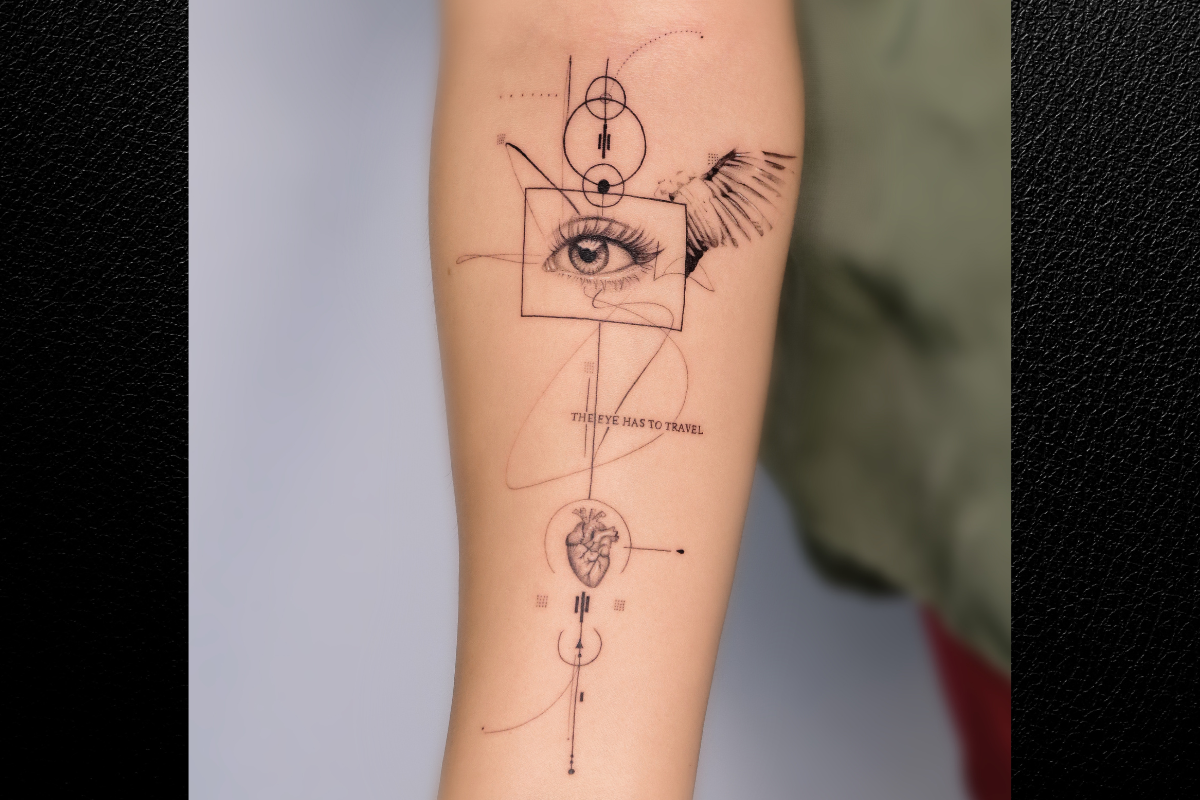
Tattoo Meaning
Composition and Placement Principles
How tattoo elements arrange within the design space dramatically affects the piece's overall impact. Composition involves balancing positive and negative space, establishing focal points, and creating visual flow that works harmoniously with body contours. Choosing the optimal tattoo placement requires understanding how designs interact with natural body movements and proportions.
Working With Body Anatomy
Skilled artists recognize how body anatomy influences tattoo element placement. Muscle groups, bone structures, and natural curves guide composition decisions. Designs that follow the body's natural lines appear more organic and flattering than those that fight against anatomical features.
Different body areas present unique opportunities and challenges for tattoo elements. The forearm offers a relatively flat canvas ideal for detailed work, while the ribcage's curves create dynamic possibilities for flowing designs. Understanding what happens during the tattoo process helps clients prepare mentally and physically for sessions, particularly in more sensitive areas.
Stylistic Elements Across Traditions
Various tattoo traditions contribute distinct aesthetic elements to contemporary body art. Japanese irezumi features bold outlines, vibrant colors, and flowing compositions that wrap around body parts. American traditional emphasizes solid fills, limited color palettes, and iconic imagery with strong outlines. Realism captures photographic detail through precise shading and accurate proportions.
Popular tattoo style characteristics:
Minimalist: Simple lines, negative space, subtle symbolism
Watercolor: Soft edges, flowing colors, painterly effects
Blackwork: Solid black fills, bold patterns, high contrast
Neo-traditional: Updated classic imagery, expanded colors, dimensional shading
Dotwork: Stippled shading, intricate patterns, meditative precision
Understanding different tattoo styles enables informed decisions about which aesthetic approach best suits your vision. Many contemporary pieces blend elements from multiple traditions, creating hybrid styles that reflect individual preferences.
Fine Line and Delicate Detailing
Fine line tattoo elements have gained tremendous popularity for their elegant, understated aesthetic. This approach emphasizes precision over boldness, creating intricate designs with minimal visual weight. Delicate line work suits detailed imagery like botanical illustrations, architectural drawings, and portrait work where subtlety enhances sophistication.
The technical demands of fine line work require artists with steady hands, sharp needles, and exceptional attention to detail. These tattoo elements showcase artistry through restraint, proving that impactful designs need not dominate visual space to make powerful statements.
Text and Lettering Elements
Typographic elements introduce linguistic meaning alongside visual aesthetics. Font selection carries significant weight in conveying intended tone and message. Script fonts suggest elegance and tradition, while bold sans-serif typefaces communicate strength and modernity. Symbolism behind various design choices extends to letterforms, making typography an essential consideration.
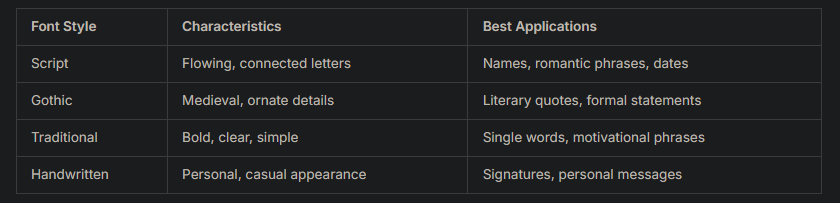
Size and placement considerations become particularly important with text elements. Letters must remain legible as the tattoo ages and skin naturally changes over time. Experienced artists recommend minimum sizing to ensure long-term readability, particularly for script fonts with thin strokes and elaborate flourishes.
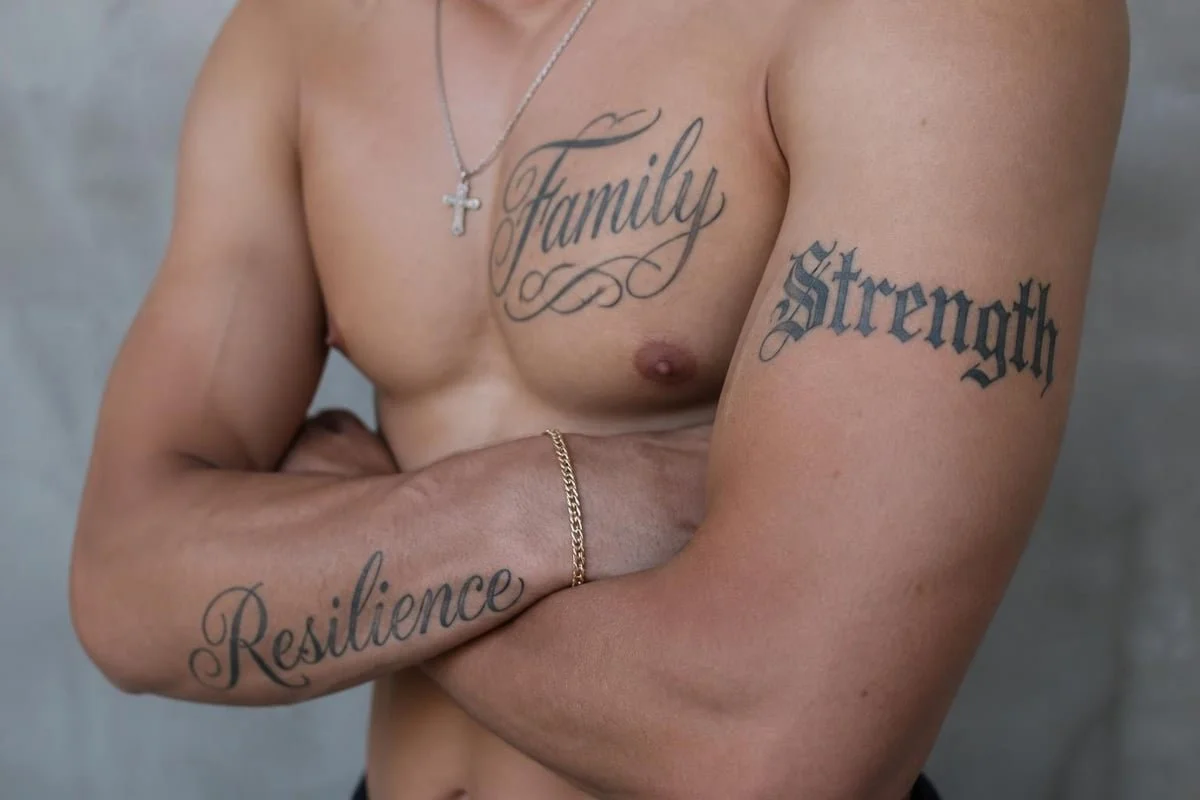
Typography in tattoos
Combining Text With Imagery
Many designs integrate text with pictorial tattoo elements to create layered meaning. Banners carrying quotes frame central images, while words flow through negative space around primary subjects. This combination approach allows personal mantras or significant dates to complement symbolic imagery, resulting in deeply personal artwork that tells complete stories.
Negative Space as a Design Element
Negative space functions as an active design component rather than merely empty background. Strategic use of untouched skin creates contrast, defines shapes, and adds breathing room to compositions. This sophisticated approach to tattoo elements demonstrates advanced artistic understanding and often results in visually striking, timeless pieces.
Modern designs increasingly embrace negative space to create optical illusions, hidden imagery, and minimalist statements. The untouched skin becomes as important as the inked portions, working together to form cohesive designs that engage viewers and reward closer inspection.
Textural Elements and Surface Effects
Beyond solid colors and clean lines, textural tattoo elements add tactile quality to visual designs. Artists simulate surfaces like wood grain, stone textures, or weathered metal through specialized shading techniques. These effects contribute realism and depth, transforming flat imagery into seemingly three-dimensional forms.
Stippling creates texture through precisely placed dots that build gradual tonal transitions. This time-intensive technique produces soft, organic textures ideal for natural subjects like clouds, water, or skin tones. Cross-hatching uses intersecting line work to achieve similar effects with different aesthetic results.
Cultural Context and Personal Meaning
Context significantly influences tattoo interpretation, making personal connection the most important factor when selecting design elements. While universal symbolism provides general frameworks, individual experiences and cultural backgrounds shape how tattoo elements resonate personally. A dragon might represent ancestral heritage for one person while symbolizing personal strength for another.
Working with artists who understand cultural significance ensures respectful, authentic incorporation of traditional elements. This becomes particularly important when drawing from specific cultural traditions like Polynesian, Japanese, or Indigenous designs where imagery carries sacred or ceremonial importance.
Considerations for culturally significant elements:
Research authentic meanings and origins
Understand appropriate versus appropriative use
Consult with artists experienced in specific traditions
Consider personal connection to cultural symbolism
Respect sacred imagery restrictions
Customization and Personal Expression
The most meaningful tattoo elements emerge through customization that reflects individual stories, values, and aesthetics. Generic flash designs serve purposes, but personalized artwork created specifically for one person achieves deeper significance. Collaboration between client and artist transforms general concepts into unique interpretations that capture personal narratives.
Choosing the right tattoo artist becomes crucial for custom work requiring specialized skills and creative problem-solving. Artists who listen carefully to client visions while offering professional guidance create optimal conditions for developing meaningful, well-executed designs.
Custom tattoo elements might incorporate specific dates, locations, or personal symbols that hold private significance. These details transform universal imagery into deeply personal statements that resonate uniquely with the wearer while maintaining aesthetic appeal to observers.
Technical Execution and Artistic Skill
Even the most carefully planned tattoo elements require masterful execution to achieve intended results. Technical proficiency in needle depth, ink saturation, and skin manipulation separates exceptional work from mediocre results. Understanding what to expect during tattoo sessions helps clients recognize quality work and communicate effectively with artists.
Professional studios maintain strict hygiene standards, use premium materials, and employ artists who continually refine their skills. These factors contribute significantly to how well tattoo elements heal, age, and maintain their intended appearance throughout years of wear. Investing in quality work from experienced professionals ensures satisfying long-term results.