Tattoo Drawings of Flowers: A Complete Design Guide
Tattoo drawings of flowers represent one of the most timeless and versatile subjects in body art, combining natural beauty with deep personal significance. Whether you're considering a delicate rose, an elegant lotus, or a vibrant peony, floral tattoos offer endless possibilities for self-expression. The artistry behind these designs requires both technical precision and creative vision, making the selection of your design and artist crucial to achieving the perfect result. Understanding the symbolism, styles, and technical considerations will help you make informed decisions about your floral body art.
Understanding Floral Tattoo Symbolism and Meaning
The power of tattoo drawings of flowers lies not just in their aesthetic appeal but in the rich symbolism each bloom carries. Different cultures have attributed specific meanings to various flowers throughout history, making your choice deeply personal and significant.
Roses remain the most requested floral tattoo design, with meanings that shift based on color and style. Red roses symbolize passionate love and desire, while white roses represent purity and new beginnings. Yellow roses convey friendship and joy, making them popular choices for commemorative pieces. The symbolism and cultural roots of various flower tattoos extend far beyond Western interpretations, incorporating Asian, Mediterranean, and indigenous traditions.
Cultural Significance Across Flower Species
Lotus flowers hold profound spiritual meaning, particularly in Eastern philosophies. These blooms represent enlightenment, rebirth, and the ability to rise above challenges, as the lotus grows through muddy waters to bloom pristinely above the surface. Cherry blossoms embody the Japanese concept of mono no aware, acknowledging the transient beauty of life and the importance of living in the present moment.
Popular flower meanings include:
Peonies: prosperity, romance, and honor
Sunflowers: loyalty, adoration, and longevity
Lilies: purity, renewal, and motherhood
Orchids: luxury, strength, and rare beauty
Chrysanthemums: death and rebirth (in Japanese culture), joy and longevity (in Chinese culture)
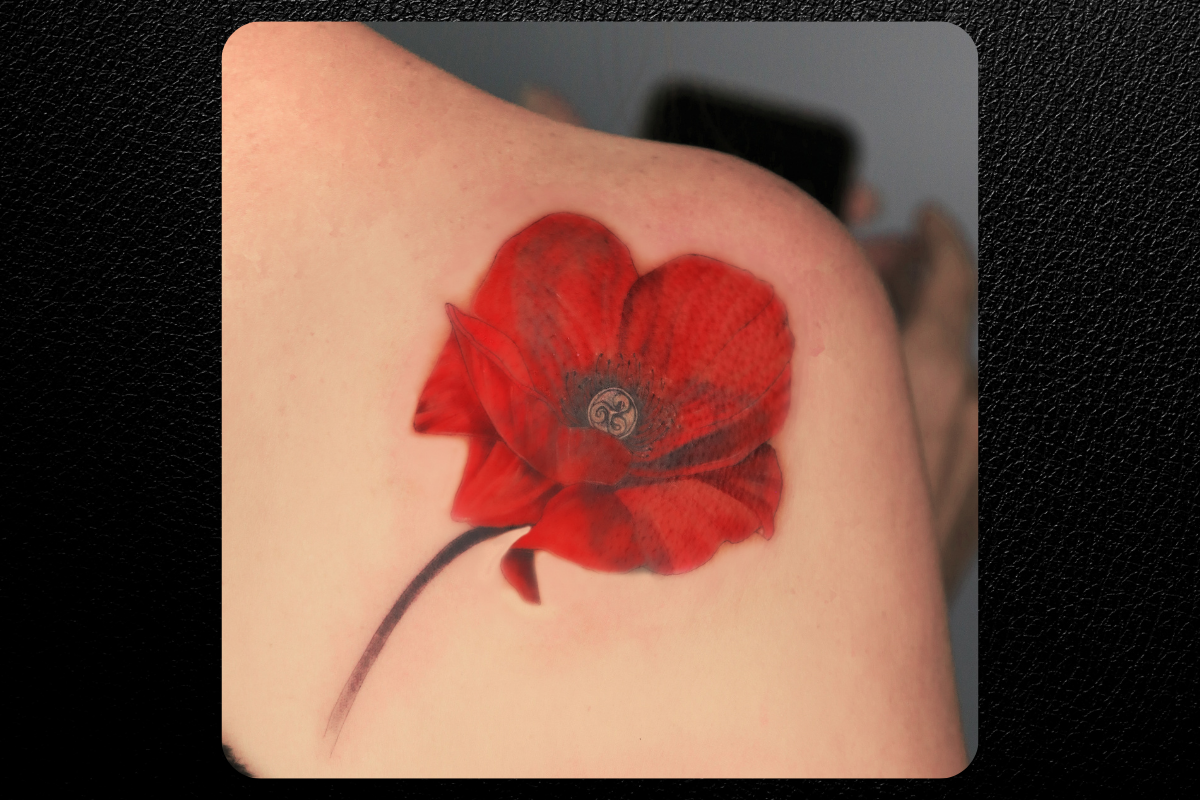
Flower tattoo symbolism
Color choices further modify these meanings. Understanding the significance of colors in tattoo designs helps ensure your artwork communicates your intended message effectively.
Design Styles for Floral Tattoo Artwork
Tattoo drawings of flowers can be executed in numerous artistic styles, each offering distinct visual characteristics and emotional impacts. The style you select should align with both your aesthetic preferences and the symbolic weight you want your tattoo to carry.
Fine Line and Minimalist Approaches
Fine line floral tattoos have surged in popularity over the past five years, particularly among clients seeking elegant, understated body art. This technique uses single, thin needles to create delicate outlines and subtle details. These designs work exceptionally well for smaller flowers like forget-me-nots, dainty roses, or botanical illustrations. The top tattoo styles to explore include fine line work as a premium option for discerning collectors.
Minimalist floral designs strip away unnecessary details, focusing on essential shapes and forms. A single continuous line might form an entire rose, or geometric shapes could represent petals in abstract arrangements. This approach offers sophisticated simplicity that ages gracefully over time.
Realistic and Hyperrealistic Techniques
Realism in tattoo drawings of flowers requires exceptional skill in color blending, shading, and proportion. Artists create depth through highlights and shadows, making flowers appear three-dimensional on skin. Hyperrealistic pieces may include water droplets, insect visitors, or environmental context that brings the design to life.
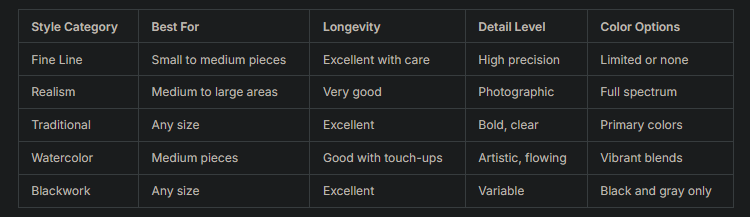
Traditional and neo-traditional styles employ bold outlines, limited color palettes, and stylized representations. These designs reference classic tattoo heritage while allowing for creative interpretation. The thick borders help prevent color bleeding over time, making them particularly durable choices.
Placement Considerations for Floral Body Art
Selecting where to position your tattoo drawings of flowers significantly impacts both the design's visual impact and your daily experience with the artwork. Different body areas offer unique advantages and challenges that should influence your decision.
Strategic Body Locations
The forearm serves as prime real estate for floral tattoos, offering excellent visibility and relatively low pain levels. This location allows for vertical stem designs or wraparound compositions that follow the arm's natural contours. The inner forearm provides a more intimate placement, while the outer forearm makes a bolder statement.
Shoulder and shoulder blade placements work beautifully for larger, more complex floral arrangements. These areas provide substantial canvas space for detailed work and accommodate natural body movements well. Flowers can cascade down toward the arm or back, creating dynamic flow.
Prime placement zones include:
Forearm (inner or outer)
Shoulder and upper arm
Thigh and hip
Back and shoulder blade
Ribcage and side torso
Ankle and calf
Understanding tattoo placement and finding your perfect spot requires consideration of pain tolerance, visibility preferences, and professional requirements. Some workplaces maintain conservative dress codes that necessitate easily concealable tattoo locations.
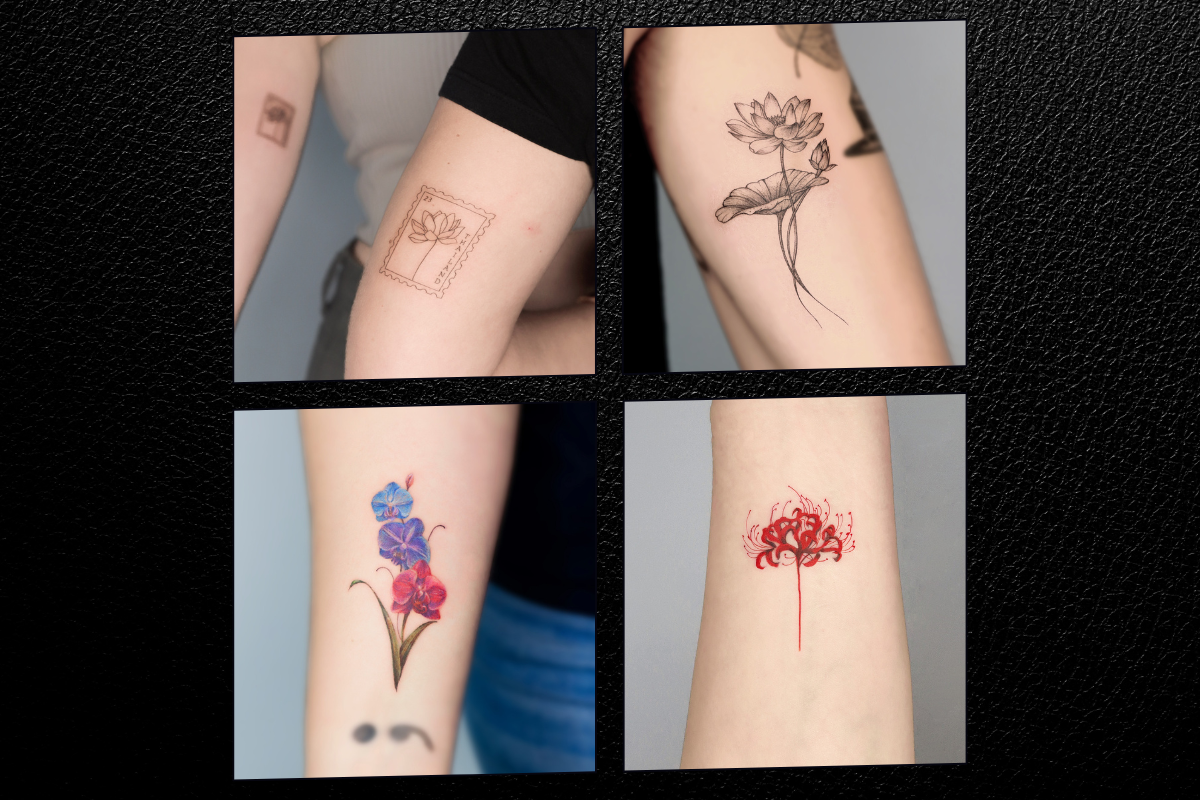
Floral tattoo placement options
Size and Scale Decisions
Tattoo drawings of flowers can range from tiny, coin-sized blooms to elaborate full-sleeve gardens. Smaller designs work best with simplified details and bold outlines, while larger pieces accommodate intricate shading, multiple flower varieties, and background elements. The relationship between design complexity and physical size directly affects the final result's clarity and longevity.
Micro tattoos measuring under two inches require careful consideration. While appealing for their discretion, very small floral designs may lose definition over time as ink naturally spreads beneath the skin. Working with experienced artists who understand fine line tattoo styles ensures your small piece maintains its integrity.
Working With Your Tattoo Artist on Custom Designs
Creating exceptional tattoo drawings of flowers requires collaboration between client and artist. Professional tattoo studios employ consultation processes that transform your vision into executable artwork while respecting both artistic integrity and technical feasibility.
The Consultation Process
Initial consultations allow you to discuss your concept, reference images, and symbolic intentions. Bring photographs of flowers you admire, examples of tattoo styles that appeal to you, and any personal stories or meanings you want incorporated. Choosing the right tattoo artist based on their portfolio specialization ensures your floral design receives appropriate expertise.
Artists typically create custom drawings based on your input, often requiring one or two revisions before finalizing the design. This iterative process ensures the artwork meets your expectations while remaining technically sound for tattooing. Premium studios provide detailed digital mockups showing how designs will appear on your chosen body location.
Technical Execution Considerations
The translation from drawing to skin involves unique challenges. Skin's curvature, texture, and movement differ from flat paper, requiring artists to adjust proportions and perspectives accordingly. What happens during a tattoo session includes stencil application, positioning verification, and ongoing communication about comfort levels.
Experienced artists understand how different skin tones affect color appearance. What works beautifully on light skin may require adjustment for darker complexions. Exploring tattoo colors for different skin tones with your artist ensures your floral design achieves optimal vibrancy and contrast.
Combining Flowers With Complementary Elements
While standalone floral designs offer timeless beauty, many clients choose to enhance their tattoo drawings of flowers with complementary imagery that adds layers of meaning and visual interest.
Natural Companions
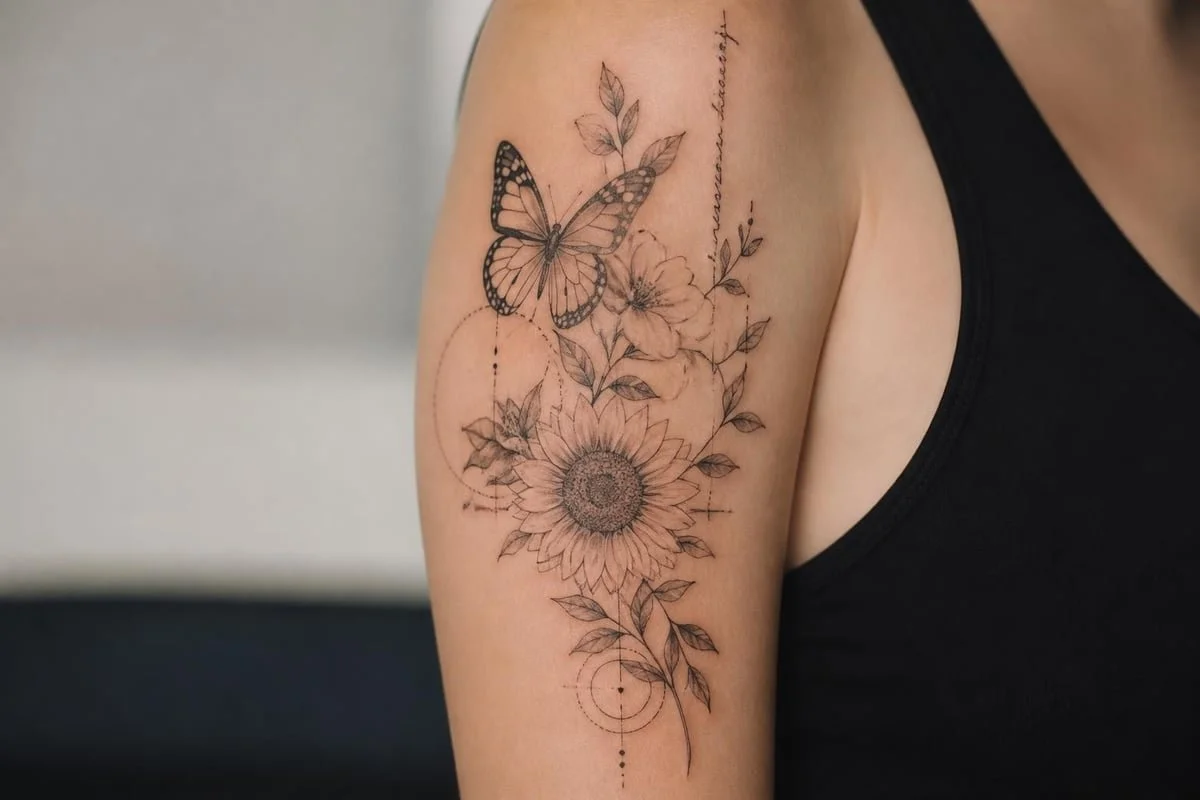
Butterflies, hummingbirds, and bees frequently accompany floral tattoos, representing transformation, joy, and productivity respectively. These creatures create movement and life within the design, suggesting the flower exists in a vibrant ecosystem rather than isolation. Leaves, vines, and thorns add botanical accuracy and can fill negative space elegantly.
Water elements like dewdrops or rain enhance realism while symbolizing purification, emotion, or tears. Incorporating these details requires technical skill in rendering reflections and transparency, making them ideal showcases for talented artists.
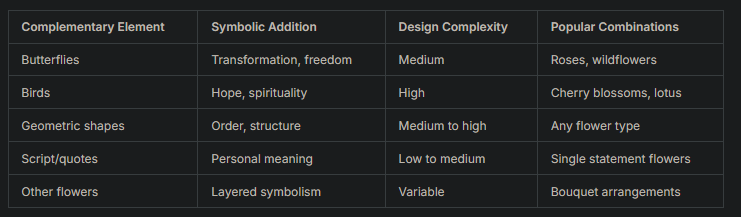
Geometric patterns create striking contrast when paired with organic floral forms. Sacred geometry, mandalas, or simple line work frames can transform tattoo drawings of flowers into sophisticated compositions that bridge natural and abstract aesthetics. These unusual tattoo ideas appeal to clients seeking contemporary, artistic interpretations.
Personal Symbolic Elements
Adding dates, names, or meaningful coordinates personalizes your floral tattoo beyond the flower's inherent symbolism. Script works best in complementary fonts that don't compete with the botanical elements for visual attention. Birthstones rendered in appropriate colors, memorial elements, or cultural symbols can be woven into the design seamlessly by skilled artists.
Floral tattoo composition elements
Preparing for Your Floral Tattoo Session
Proper preparation significantly impacts both the tattooing experience and final results. Understanding what to expect and how to prepare ensures your session proceeds smoothly and your body heals optimally.
Pre-Session Requirements
Schedule your appointment when you're well-rested, hydrated, and free from alcohol or blood-thinning medications. These substances affect blood flow and can complicate the tattooing process. Eating a substantial meal two hours before your session maintains blood sugar levels and reduces lightheadedness risk during longer appointments.
Wear clothing that provides easy access to your chosen placement area while remaining comfortable for extended sitting. For larger tattoo drawings of flowers requiring multiple sessions, maintaining consistent health practices between appointments supports better healing and color retention.
Essential preparation steps:
Hydrate consistently for three days prior
Avoid alcohol and aspirin for 24 hours before
Eat a protein-rich meal beforehand
Wear appropriate, comfortable clothing
Bring snacks and water for longer sessions
Arrange transportation if needed
Reading about what to expect during your first tattoo session reduces anxiety and helps you prepare mentally for the experience. Pain levels vary by placement, with bonier areas and locations with thin skin typically registering as more sensitive.
Aftercare for Optimal Healing
Proper aftercare determines whether your tattoo drawings of flowers heal with vibrant colors and crisp lines or develop complications that compromise the artwork. Studios provide specific aftercare instructions tailored to their techniques and your skin type, but general principles remain consistent.
Keep the fresh tattoo clean using fragrance-free soap and lukewarm water. Pat dry gently rather than rubbing, then apply a thin layer of recommended healing ointment. Avoid submerging the tattoo in water, exposing it to direct sunlight, or picking at scabs during the healing process. Understanding essential tattoo aftercare prevents infections and ensures optimal color retention.
Most floral tattoos heal completely within two to four weeks, though deeper color saturation may take up to eight weeks. Touch-ups address any areas where ink didn't hold perfectly, ensuring your final piece matches the original design vision.
Long-Term Care and Touch-Up Considerations
Maintaining the beauty of tattoo drawings of flowers requires ongoing attention throughout your life. While quality tattoos age gracefully, environmental factors and lifestyle choices affect their appearance over decades.
Sun Protection and Moisturizing
Ultraviolet radiation represents the primary threat to tattoo longevity, breaking down ink pigments and causing fading. Applying broad-spectrum sunscreen with SPF 30 or higher protects your floral artwork whenever exposed to sun. This simple practice preserves color vibrancy and prevents premature aging of the design.
Daily moisturizing keeps skin supple and prevents the dryness that can make tattoo lines appear less crisp. Quality, fragrance-free lotions maintain skin health without irritating the tattooed area. Well-moisturized skin showcases tattoo drawings of flowers more beautifully than dehydrated, rough skin.
When to Consider Touch-Ups
Fine details in intricate floral designs may require refreshing after five to ten years, depending on sun exposure, skin type, and placement. Touch-ups restore faded colors, sharpen blurred lines, and can incorporate new elements to evolve the design with your personal growth.
Consulting with professional artists about touch-up timing ensures interventions occur when beneficial rather than prematurely. Many studios offer lifetime touch-up guarantees for their work, making it worthwhile to choose the right tattoo studio initially rather than seeking the lowest price.
Regional Floral Traditions and Bangkok's Tattoo Scene
Different geographic regions have developed distinct approaches to tattoo drawings of flowers, influenced by local flora, cultural symbolism, and artistic traditions. Bangkok's position as a cultural crossroads makes it uniquely positioned to offer diverse floral tattoo styles.
Southeast Asian Botanical Imagery
Thai culture celebrates specific flowers with deep traditional significance. The lotus holds paramount importance in Buddhist philosophy, while orchids represent luxury and rare beauty throughout Southeast Asia. Jasmine symbolizes purity and respect, frequently appearing in traditional Thai art and modern interpretations. Understanding traditional Thai tattoo history and meaning provides context for incorporating these culturally significant blooms into contemporary designs.
Tropical flowers like hibiscus, plumeria, and bird of paradise offer vibrant color opportunities unavailable in temperate-climate botanicals. These bold blooms suit larger pieces and realistic styles that showcase their dramatic forms. Working with artists familiar with hibiscus flower tattoos ensures botanical accuracy in your tropical floral design.
International Influences in Modern Studios
Bangkok's cosmopolitan tattoo scene blends Eastern and Western approaches, offering clients unprecedented stylistic range. Japanese hanakotoba (flower language), European botanical illustration traditions, and contemporary minimalist aesthetics coexist in studio portfolios. This diversity allows clients to select from meaningful floral tattoo designs representing multiple cultural perspectives.
Premium studios employ internationally trained artists who bring techniques from Los Angeles, London, Tokyo, and beyond. This global exchange elevates technical standards while preserving local artistic heritage, creating unique fusion styles exclusive to Bangkok's luxury tattoo market.
Budgeting for Quality Floral Tattoo Artwork
Investment in tattoo drawings of flowers varies significantly based on size, complexity, artist experience, and studio location. Understanding pricing structures helps set realistic expectations and ensures you allocate appropriate resources for quality work.
Pricing Factors and Considerations
Hourly rates at premium studios typically range from moderate to high, reflecting artist expertise, studio overhead, and quality materials. Simple, small floral designs might require only one to two hours, while elaborate sleeve pieces demand multiple sessions totaling twenty or more hours. Color work generally costs more than black and gray due to additional time requirements and material expenses.
Custom design fees sometimes apply separately, particularly for complex pieces requiring extensive drawing time. These charges ensure artists receive fair compensation for pre-session creative work. Some studios include design fees in overall project costs, while others itemize them separately.
Budget considerations include:
Artist experience and reputation level
Design size and complexity
Color versus black and gray
Number of sessions required
Studio location and prestige
Custom design fees
Touch-up policies
Exploring various flower tattoo design options helps estimate complexity and potential costs before committing to specific concepts. Remember that quality tattoos represent lifetime investments, making initial cost less significant than long-term satisfaction.
Value Versus Price in Luxury Studios
Premium studios justify higher rates through superior hygiene standards, experienced artists, comfortable environments, and comprehensive aftercare support. The difference between adequate and exceptional floral tattoos often comes down to artist skill in rendering subtle details like petal texture, natural color gradients, and botanically accurate proportions.
Choosing based solely on low pricing frequently results in disappointing outcomes requiring expensive cover-ups or removal procedures. Viewing tattoos as permanent investments rather than discretionary purchases encourages appropriate budget allocation for quality results that justify their cost over decades of wear.