Tattoo Hibiscus: Meaning, Styles & Design Inspiration
The hibiscus flower has captivated tattoo enthusiasts worldwide with its stunning visual appeal and profound cultural significance. This tropical bloom offers endless possibilities for artistic interpretation, from delicate fine line work to bold traditional pieces. Whether you're drawn to its vibrant petals, cultural heritage, or symbolic meanings, a tattoo hibiscus can serve as a powerful expression of personal identity and aesthetic preference. Understanding the depth of meaning behind this floral design helps ensure your tattoo resonates with your individual story while honoring the rich traditions associated with this beautiful flower.
The Cultural Significance of Hibiscus Tattoos
The tattoo hibiscus carries profound meaning across multiple cultures, making it a universally recognized symbol of beauty and tradition. In Hawaiian culture, hibiscus flowers hold particular importance, representing delicate beauty, hospitality, and respect for nature. Hawaiian women traditionally wore hibiscus flowers behind their ears to indicate relationship status, with placement on the right ear signaling availability and the left ear indicating a committed relationship.
Beyond Hawaii, the hibiscus holds cultural significance throughout Asia and the Pacific Islands. In Malaysia, the hibiscus serves as the national flower, symbolizing life, courage, and rapid growth. South Korean culture associates the flower with immortality and gentleness, while Chinese tradition links it to fame, wealth, and personal glory.
Symbolic Meanings and Personal Interpretations
The tattoo hibiscus embodies multiple symbolic meanings that transcend cultural boundaries:
Feminine beauty and grace through its delicate petals and elegant form
Seizing the moment as hibiscus flowers bloom for only one day
Rare beauty and uniqueness reflecting the flower's exotic nature
Passion and romance conveyed through vibrant colors
New beginnings and transformation as the flower continuously renews itself
These symbolic layers allow for deeply personal interpretations. Some clients choose a tattoo hibiscus to commemorate significant life transitions, while others select it to celebrate their connection to tropical regions or simply appreciate its aesthetic appeal. The meaning behind your hibiscus tattoo can evolve with you, making it a timeless choice that grows in significance over the years.
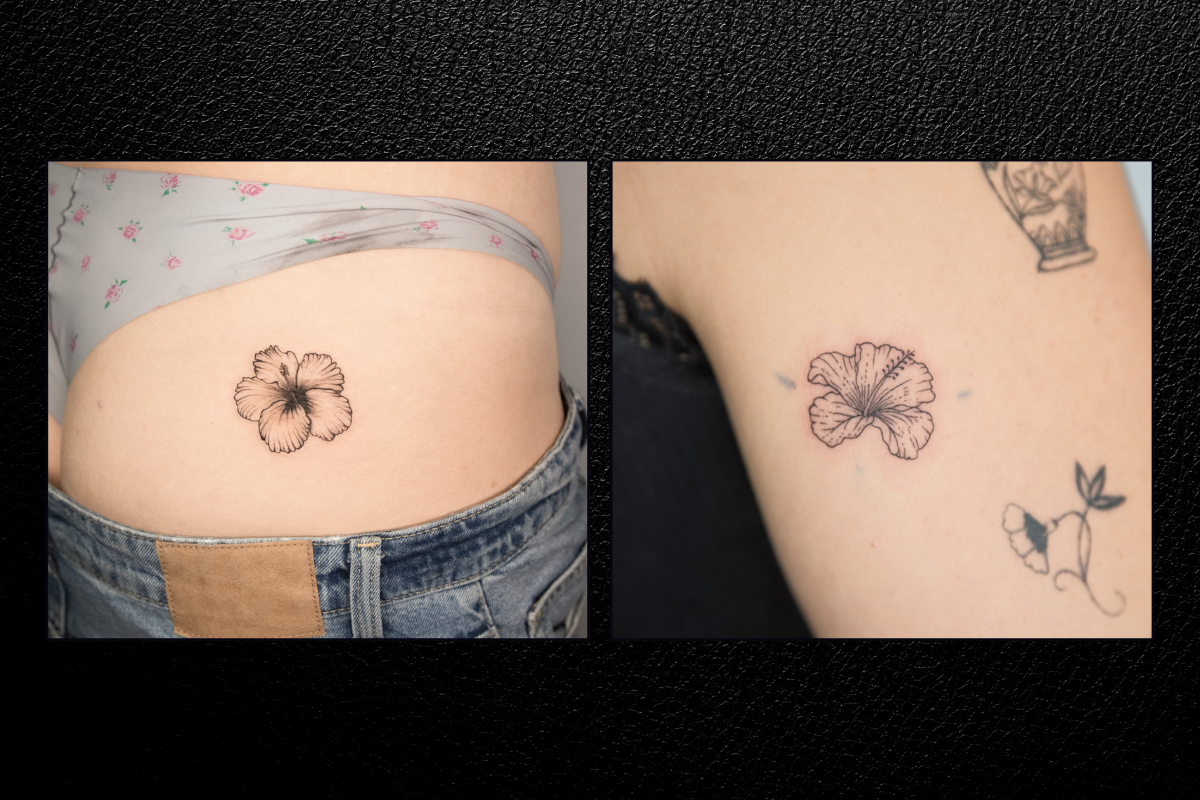
Symbolic meanings of hibiscus tattoos
Popular Tattoo Hibiscus Styles and Techniques
The versatility of hibiscus designs allows tattoo artists to interpret this flower across numerous artistic styles. Each approach offers distinct aesthetic qualities and technical considerations that influence the final result.
Fine Line Hibiscus Tattoos
Fine line techniques create sophisticated, minimalist interpretations of the tattoo hibiscus. This style emphasizes clean linework, subtle shading, and elegant simplicity. Fine line hibiscus tattoos typically feature:
Delicate outlines that capture the flower's natural curves
Minimal shading for a lighter, more ethereal appearance
Smaller scale designs perfect for wrists, ankles, or behind the ear
Contemporary aesthetic appealing to modern sensibilities
At Vital Luxury Tattoo Studio Bangkok, our artists specialize in fine line tattoo techniques that bring hibiscus designs to life with precision and artistry. This approach suits clients seeking understated elegance and refined detail in their body art.
Traditional and Neo-Traditional Approaches
Traditional tattooing brings bold, timeless qualities to tattoo hibiscus designs. These pieces feature thick outlines, solid color fills, and classic composition principles that have defined tattoo art for generations. Neo-traditional styles build upon this foundation with expanded color palettes, increased detail, and modern artistic influences.
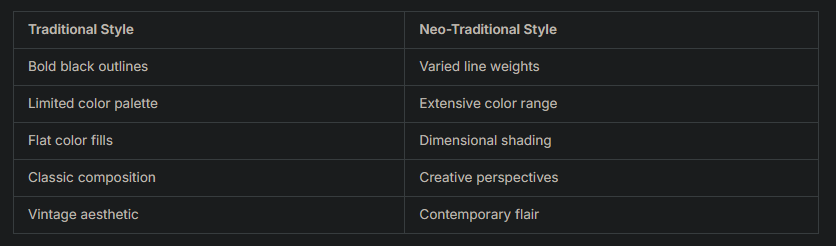
Both approaches create tattoo hibiscus designs with excellent longevity and visual impact. The bold linework ensures the design remains clear and readable over decades, making these styles practical choices for larger pieces.
Realistic and Hyperrealistic Renderings
Realistic tattoo techniques transform the tattoo hibiscus into lifelike botanical artwork. These designs require exceptional technical skill to capture the flower's natural texture, color gradations, and three-dimensional form. Realistic hibiscus tattoos often incorporate:
Photorealistic color blending and gradients
Detailed petal textures and natural imperfections
Strategic highlights and shadows for depth
Careful attention to botanical accuracy
This style particularly suits larger placements where artists have adequate space to develop intricate details. Choosing the right tattoo artist becomes critical for realistic work, as this technique demands advanced technical proficiency and artistic expertise.
Design Elements and Composition Considerations
Creating a distinctive tattoo hibiscus involves thoughtful consideration of various design elements that influence the overall aesthetic and personal meaning of your piece.
Color Selection and Symbolism
Color choice significantly impacts both the visual appeal and symbolic meaning of your tattoo hibiscus. Different hues convey distinct messages and emotional qualities:
Red hibiscus represents passionate love, desire, and bold confidence. This classic choice creates striking visual impact and honors traditional associations with romance.
Yellow hibiscus symbolizes happiness, friendship, and sunshine. The bright, cheerful tone suits optimistic personalities and celebratory designs.
Pink hibiscus embodies gentle femininity, grace, and subtle beauty. This softer approach appeals to those seeking delicate, romantic aesthetics.
White hibiscus signifies purity, spirituality, and new beginnings. The elegant simplicity of white flowers creates sophisticated, minimalist designs.
Purple hibiscus conveys mystery, royalty, and transformation. This less common choice offers unique visual interest and deeper symbolic layers.
When selecting colors, consider how different pigments age on various skin tones. Understanding tattoo colors for skin tones helps ensure your design maintains its intended appearance over time.
Complementary Elements and Composition
A tattoo hibiscus rarely exists in isolation. Surrounding elements enhance the overall composition and add personal significance:
Leaves and foliage create natural context and balance
Water elements reference the flower's tropical origins
Birds or butterflies add movement and symbolic meaning
Geometric patterns introduce modern contrast
Script or quotes personalize the design with meaningful words
The arrangement of these elements follows principles of visual balance and flow. Professional artists consider how the tattoo hibiscus interacts with body contours, ensuring the design complements natural anatomy rather than fighting against it.
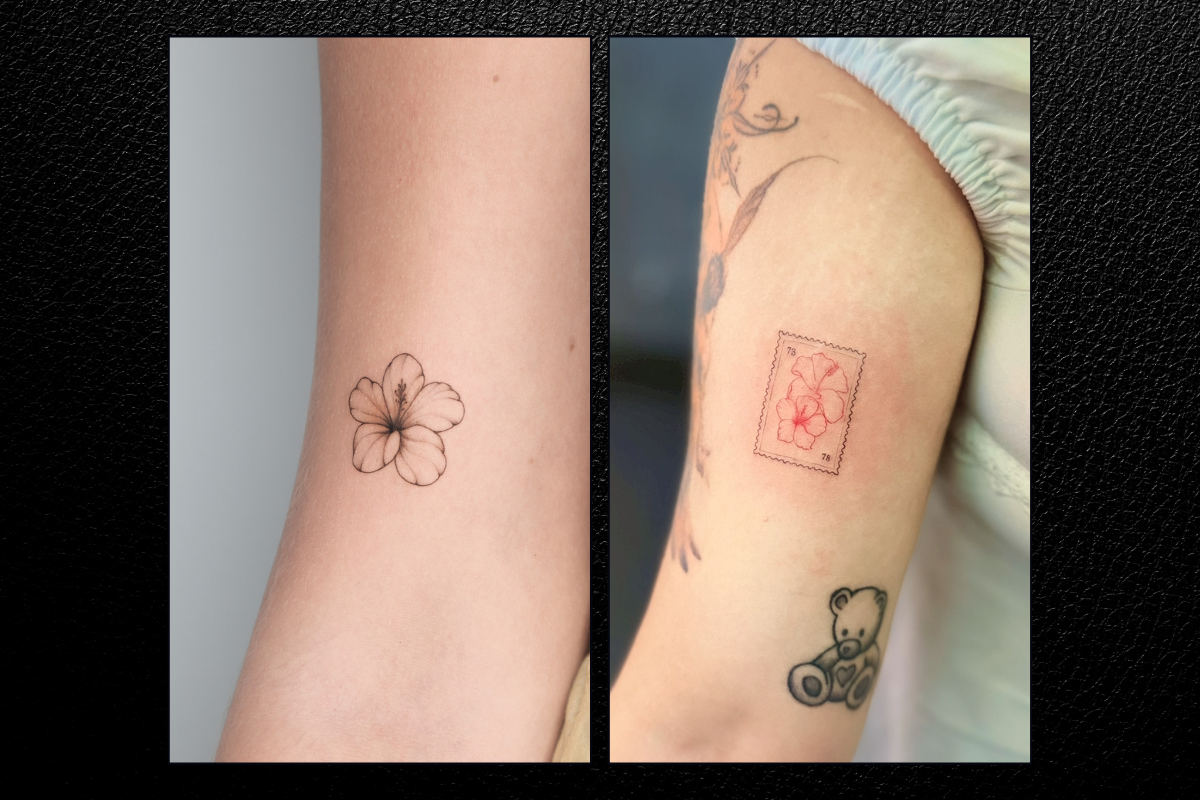
Hibiscus tattoo composition elements
Placement Options for Tattoo Hibiscus Designs
The placement of your tattoo hibiscus significantly influences both its visual impact and personal significance. Different body locations offer unique advantages and considerations.
Popular Placement Locations
Shoulder and upper arm placements provide excellent canvases for medium to large tattoo hibiscus designs. These locations offer relatively flat surfaces with minimal distortion during movement, making them ideal for detailed work. The upper arm area accommodates everything from single flower designs to elaborate floral compositions.
Back and shoulder blade areas suit larger, more elaborate pieces. These placements allow for sprawling compositions that incorporate multiple hibiscus flowers, complementary elements, and flowing designs that follow the body's natural contours. The back provides substantial space for artistic expression while offering easy concealment when desired.
Ankle, wrist, and behind the ear serve as perfect locations for smaller, delicate tattoo hibiscus designs. These placements suit fine line interpretations and minimalist approaches, creating subtle yet meaningful body art.
Considerations for Optimal Placement
When selecting placement for your tattoo hibiscus, evaluate several practical factors:
Pain tolerance varies across body locations, with bonier areas typically causing more discomfort
Professional visibility matters if workplace policies restrict visible tattoos
Size requirements determine which placements can accommodate your desired design
Aging and skin changes affect how tattoos evolve over time in different areas
Personal accessibility influences your ability to view and appreciate the tattoo
Understanding tattoo placement considerations helps ensure you select a location that balances aesthetic preferences with practical realities. Professional artists provide valuable guidance based on extensive experience with various body locations.
Preparing for Your Tattoo Hibiscus Session
Proper preparation ensures the best possible experience and outcome for your tattoo hibiscus. The consultation process establishes clear communication between you and your artist, aligning expectations and refining the design concept.
The Consultation Process
During your consultation, bring reference images that capture the style, color palette, and composition elements you envision for your tattoo hibiscus. Various hibiscus tattoo designs provide excellent inspiration, but your artist will create a custom piece tailored to your preferences and body placement.
Discuss your symbolic intentions and personal connections to the hibiscus flower. This information helps artists incorporate meaningful details that resonate with your individual story. Be open about your pain tolerance, schedule constraints, and budget considerations to facilitate realistic planning.
What to Expect During Your Session
Professional tattoo studios maintain strict hygiene protocols and create comfortable environments for extended sessions. Understanding what happens during a tattoo session reduces anxiety and helps you prepare mentally and physically.
Before the session begins:
Artists clean and prepare the skin thoroughly
Stencil placement allows you to approve the exact position
Equipment setup ensures everything is sterile and ready
During the tattooing process:
Artists work methodically, often starting with outlines
Regular breaks allow for rest and repositioning
Open communication ensures your comfort throughout
Session duration varies based on design complexity and size. A simple, small tattoo hibiscus might require only one to two hours, while elaborate, detailed pieces could span multiple sessions over several weeks.
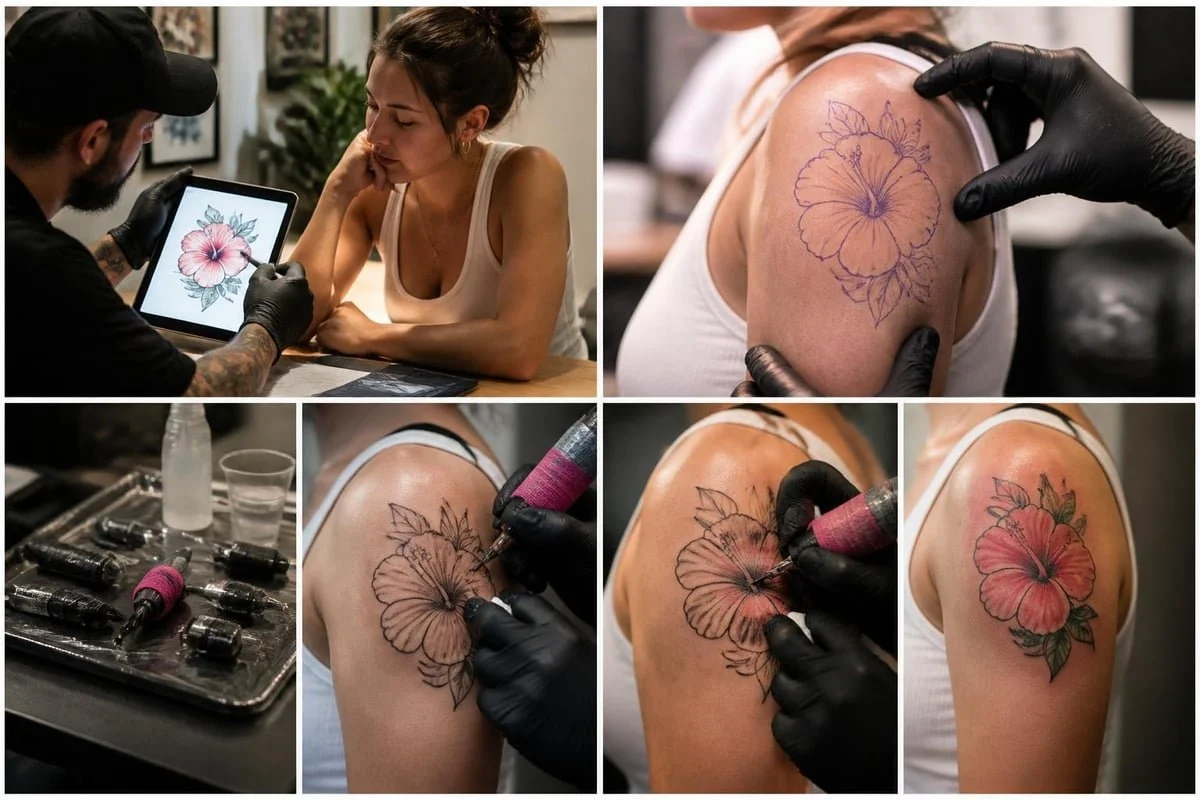
Tattoo session preparation
Aftercare and Long-Term Maintenance
Proper aftercare ensures your tattoo hibiscus heals correctly and maintains its vibrant appearance for years to come. The healing process requires dedicated attention during the critical first few weeks.
Initial Healing Protocol
The first 24 to 48 hours prove most critical for preventing infection and ensuring proper healing. Follow these essential steps:
Keep the bandage on for the duration recommended by your artist
Wash gently with fragrance-free, antibacterial soap
Pat dry with clean paper towels, never rubbing
Apply thin layers of recommended healing ointment
Avoid submerging in water (pools, hot tubs, baths)
Essential tattoo aftercare practices protect your investment and ensure optimal healing. Most tattoo hibiscus designs heal completely within two to four weeks, though larger pieces may require additional time.
Protecting Your Investment
Long-term care preserves the vibrancy and clarity of your tattoo hibiscus throughout your lifetime. Sun exposure represents the primary threat to tattoo longevity, as UV radiation breaks down pigments and causes fading. Apply broad-spectrum sunscreen with SPF 30 or higher whenever your tattoo will be exposed to sunlight.
Moisturizing regularly keeps skin healthy and tattoos looking fresh. Well-hydrated skin maintains better color retention and prevents premature aging of the tattoo. Choose fragrance-free lotions formulated for sensitive skin to avoid irritation.
Customizing Your Tattoo Hibiscus Design
Personalization transforms a beautiful flower design into meaningful body art that reflects your unique identity and story. Several approaches allow for distinctive customization while honoring the fundamental beauty of the hibiscus.
Incorporating Personal Elements
Add layers of personal significance by integrating elements that hold special meaning:
Dates or coordinates commemorating significant moments or places
Names or initials of loved ones subtly worked into the design
Cultural symbols reflecting your heritage or spiritual beliefs
Zodiac or astrological elements connecting to your birth chart
Matching designs with friends or family members, though consider the implications carefully
These additions create one-of-a-kind pieces that tell your specific story through visual symbolism. Professional artists skillfully integrate personal elements without compromising the overall aesthetic balance.
Style Fusion and Innovation
Contemporary tattoo art embraces style fusion, combining multiple aesthetic approaches within a single design. A tattoo hibiscus might incorporate:

This innovative approach to exploring different tattoo styles produces fresh interpretations of classic motifs. Skilled artists balance multiple techniques cohesively, creating harmonious designs rather than visually chaotic compositions.
Finding the Right Artist for Your Vision
The success of your tattoo hibiscus depends heavily on selecting an artist whose skills, style, and approach align with your vision. Professional expertise makes the difference between satisfactory results and exceptional artwork.
Evaluating Artist Portfolios
Review portfolios carefully, paying specific attention to:
Floral work examples demonstrating botanical accuracy and artistic interpretation
Line quality showing consistency, smoothness, and confidence
Color application revealing blending skills and pigment selection
Healing photos displaying how their work ages over time
Style versatility or specialization relevant to your desired approach
Artists who specialize in botanical and flower tattoos bring valuable experience to hibiscus designs. Their understanding of petal structure, natural color variations, and organic composition principles elevates the final result.
Studio Environment and Professionalism
Choosing the right tattoo studio extends beyond artistic capability. Professional studios maintain rigorous hygiene standards, create welcoming atmospheres, and demonstrate respect for clients throughout the process.
Visit potential studios to assess:
Cleanliness and organization of work areas
Licensing and certifications displayed prominently
Artist communication style and willingness to answer questions
Portfolio quality across multiple artists
Client reviews and testimonials from previous customers
Premium studios invest in state-of-the-art equipment, continuous artist education, and exceptional client experiences. These factors contribute significantly to both the tattooing process and final outcome quality.
Trends and Contemporary Interpretations
The tattoo hibiscus continues evolving as artists explore new techniques and stylistic approaches. Contemporary trends reflect broader movements in tattoo culture while honoring the flower's timeless appeal.
Minimalist and Single-Line Designs
Modern minimalism has influenced tattoo art significantly, with single-line and ultra-simple designs gaining popularity. These interpretations reduce the tattoo hibiscus to its essential form using continuous line work or minimal linework. The minimal tattoo aesthetic appeals to clients seeking understated elegance and contemporary sophistication.
Despite their apparent simplicity, these designs require exceptional technical skill. Artists must capture the flower's recognizable form with minimal marks, demanding confident execution and deep understanding of botanical structure.
Watercolor and Abstract Approaches
Watercolor techniques bring painting aesthetics to tattoo hibiscus designs. These pieces feature:
Fluid color transitions mimicking paint on paper
Intentional color bleeds and splashes
Reduced or eliminated outlines
Artistic freedom in color placement
Abstract interpretations deconstruct the hibiscus form, emphasizing color, shape, and emotion over botanical accuracy. These avant-garde approaches suit clients who appreciate experimental art and want truly unique body art.
Blackwork and Negative Space
Contemporary blackwork transforms the tattoo hibiscus through bold contrast and strategic negative space. These designs use solid black ink to create powerful silhouettes or intricate patterns, with untouched skin forming essential design elements. The black tattoo aesthetic offers striking visual impact and excellent longevity as solid black ages more predictably than complex color work.
Cultural Sensitivity and Respectful Appropriation
When choosing a tattoo hibiscus design inspired by specific cultural traditions, approach the subject with respect and understanding. The hibiscus holds sacred or significant meaning in various cultures, and understanding these cultural contexts demonstrates respect for traditions beyond purely aesthetic appreciation.
Honoring Cultural Heritage
If you're not of Hawaiian, Polynesian, or Asian descent but feel drawn to hibiscus designs with cultural significance, consider these approaches:
Research the specific cultural meanings thoroughly
Discuss your intentions with your artist
Avoid incorporating sacred symbols or patterns without understanding
Focus on universal beauty rather than claiming cultural connection
Be prepared to explain your design choices respectfully if asked
Many tattoo artists with cultural connections to these traditions can guide appropriate design choices that honor heritage while remaining accessible to those outside the culture. Open dialogue and genuine respect foster meaningful exchanges rather than appropriation.
Personal Connection and Authenticity
The most meaningful tattoo hibiscus designs reflect authentic personal connections rather than trend-following. Whether you're drawn to the flower's aesthetic beauty, symbolic meanings, cultural significance, or personal memories, your design should resonate genuinely with your life experience and values.
Artists appreciate clients who approach body art thoughtfully, considering both immediate appeal and long-term significance. This intentionality results in tattoos that remain meaningful throughout your life rather than becoming sources of regret.