Tattoo Patterns for Ladies : Expert Guide to Design
Women seeking body art today have access to an unprecedented range of tattoo patterns for females, from delicate fine-line florals to bold geometric compositions. The evolution of female tattooing reflects broader cultural shifts, moving from societal taboo to celebrated personal expression. Modern studios now specialize in designs that honor feminine aesthetics while pushing creative boundaries, offering everything from microscopic botanicals to full-sleeve masterpieces. Understanding the nuances of different patterns, their historical significance, and their practical considerations empowers women to make informed decisions about permanent body art that resonates with their unique identity and aesthetic vision.
Historical Evolution of Female Tattoo Patterns
The cultural history of tattooing reveals that women have adorned their bodies with meaningful patterns for millennia, though social acceptance has fluctuated dramatically across cultures and eras. Ancient Egyptian mummies bear evidence of therapeutic and decorative tattoos, while Polynesian women wore intricate designs signifying status and lineage. Victorian-era Western society pushed female tattooing underground, yet performers and rebels maintained the tradition.
The late twentieth century witnessed a renaissance in female body art, with artists developing specialized techniques for delicate, feminine aesthetics. Contemporary tattoo patterns for females draw from this rich heritage while incorporating modern innovations in ink technology and application methods.
Key historical influences include:
Japanese irezumi floral motifs and natural elements
Celtic knotwork representing eternal connections
Indigenous patterns honoring ancestral traditions
Art Nouveau flowing lines and botanical accuracy
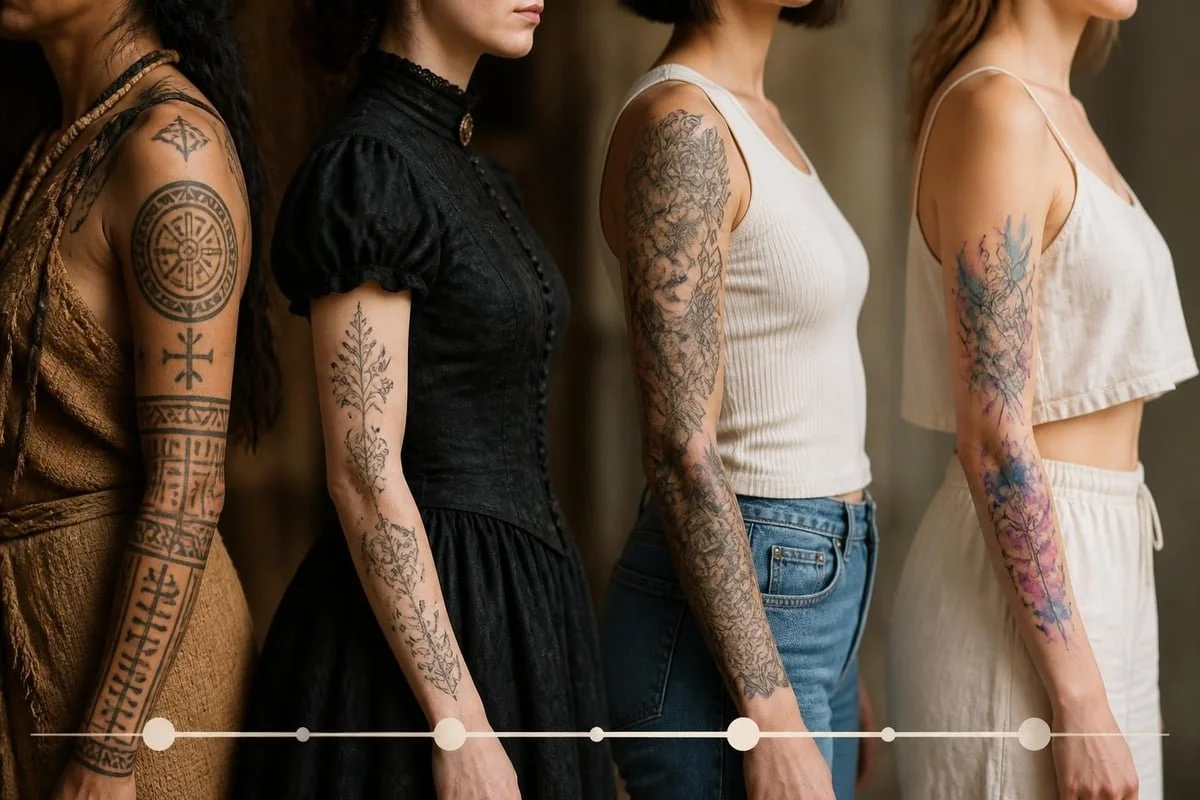
Evolution of female tattoo styles
Popular Pattern Categories and Their Meanings
Botanical and Floral Designs
Botanical motifs remain among the most requested tattoo patterns for females, offering symbolic depth and aesthetic versatility. Roses traditionally represent love and beauty, while lotus flowers signify spiritual awakening and resilience. Cherry blossoms capture ephemeral beauty, making them particularly meaningful for women honoring life's transient nature.
Fine-line botanical work requires exceptional precision, with petals, stamens, and leaves rendered in delicate detail. The flower arm tattoo aesthetic has gained particular popularity, allowing for cascading compositions that follow the body's natural contours.

Geometric and Minimalist Patterns
Contemporary tattoo patterns for females increasingly incorporate geometric precision, with mandalas, sacred geometry, and architectural elements offering visual balance and mathematical harmony. These designs appeal to women seeking structured beauty that complements rather than dominates their aesthetic.
Minimalist line work has emerged as a signature style for modern female tattoos. Single-line illustrations, abstract shapes, and negative space compositions create sophisticated visual statements with reduced density. The line tattoo arm approach demonstrates how restraint can maximize impact.
Celestial and Cosmic Themes
Moon phases, constellations, and planetary alignments resonate with women exploring spiritual connections and cyclical patterns. Celestial tattoo patterns for females often incorporate personal birth charts, significant astronomical events, or archetypal symbols like the sun and stars.
These designs work beautifully in both bold blackwork and delicate fine-line execution, offering flexibility for different aesthetic preferences and body placements.
Placement Considerations for Female Tattoo Patterns
Understanding Body Topography
Strategic placement amplifies the impact of tattoo patterns for females by working with natural muscle structure, bone prominence, and movement. Certain areas accommodate detail better, while others suit bold, simple designs. The tattoo placement perfect spot guide provides comprehensive insights into anatomical considerations.
High-detail placement zones:
Inner forearm (flat, visible canvas)
Upper back (broad, stable surface)
Outer thigh (large area with minimal distortion)
Areas requiring simpler designs:
Fingers and hands (subject to fading and blurring)
Feet (high friction, slower healing)
Ribcage (significant movement during breathing)
Professional and Social Considerations
While workplace acceptance of visible tattoos has increased, professional environments vary significantly. Women in conservative industries often choose placements easily concealed by business attire. The upper arm, shoulder blade, and hip regions offer versatility for both display and discretion.
Contemporary fashion trends also influence placement choices. Lower back pieces have evolved beyond dated stereotypes, while underboob, sternum, and side-body placements have gained popularity for their intimate, personal nature.
Technical Aspects of Fine-Line Female Tattoos
Fine-line work represents a technical pinnacle in contemporary tattooing, requiring steady hands, quality equipment, and extensive experience. This approach suits tattoo patterns for females seeking delicate, refined aesthetics that age gracefully with proper care.
Fine-line advantages:
Subtle appearance suitable for conservative environments
Less traumatic application process with faster healing
Elegant aging when executed by skilled practitioners
Compatibility with intricate botanical and portrait work
Fine-line limitations:
Fading potential without adequate contrast
Limited visibility at distance
Unsuitability for certain skin tones without modification
Reduced touch-up tolerance over time
Understanding what happens during a tattoo session helps set realistic expectations for multi-hour fine-line appointments requiring exceptional precision.
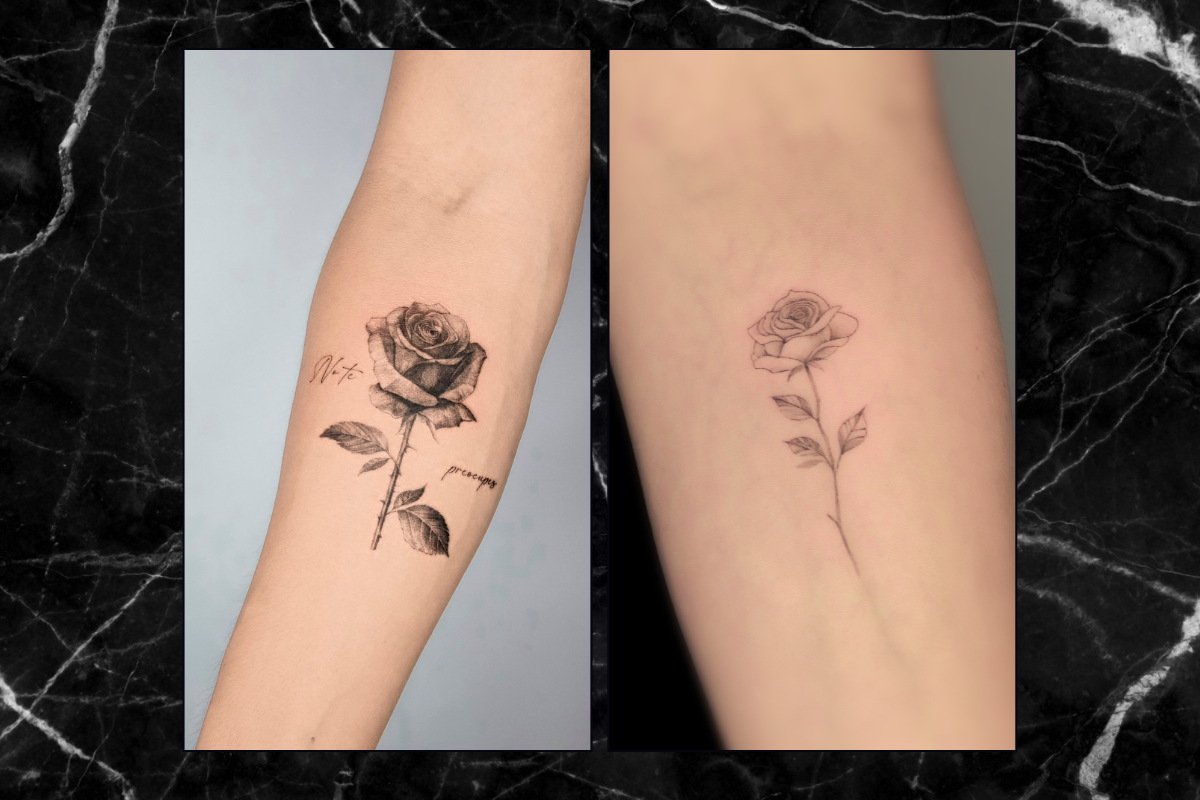
Fine-line tattoo technique
Color Theory and Skin Tone Matching
Selecting Complementary Palettes
Color selection transforms tattoo patterns for females from simple outlines to vibrant compositions. Watercolor techniques, gradient shading, and selective color accents each create distinct visual effects. Best colours for your tattoo explores how pigment choice affects longevity and visual impact.
Warm skin undertones typically complement jewel tones (emerald, sapphire, ruby), while cool undertones pair beautifully with pastels and muted earth tones. Understanding tattoo colours for skin tones ensures designs maintain vibrancy across diverse complexions.
Longevity and Aging Considerations
Certain colors fade faster than others, with yellows and pastels requiring more frequent touch-ups than blacks and deep blues. Women investing in color work should understand maintenance requirements and commit to proper aftercare protocols.
UV exposure remains the primary enemy of tattoo vibrancy. Research examining tattoos and UV protection emphasizes the importance of sunscreen application and limited sun exposure to preserve color integrity.
Empowerment Through Commemorative and Reconstructive Patterns
Scar Coverage and Medical Tattooing
Tattoo patterns for females increasingly serve therapeutic and reconstructive purposes beyond pure decoration. Women use strategic designs to reclaim their bodies after surgery, injury, or illness. Covering scars with tattoos requires specialized techniques that address texture variations and scar tissue density.
Research published in Springer's supportive care journal documents how tattoos facilitate identity reconstruction following mastectomy, with women reporting increased confidence and psychological well-being through nipple-areola tattooing and decorative chest pieces.
Memorial and Legacy Designs
Commemorative tattoos honor lost loved ones, survived challenges, and personal milestones. These deeply personal tattoo patterns for females often incorporate dates, coordinates, handwriting samples, or symbolic imagery representing specific memories.
The permanence of tattoos makes them powerful tools for processing grief and celebrating resilience. When thoughtfully designed, memorial pieces become wearable tributes that evolve with the wearer's healing journey.
Health and Safety Standards
Medical Considerations and Risk Awareness
Responsible tattoo decisions require understanding potential health implications. A peer-reviewed cohort analysis examining health characteristics among tattooed individuals provides valuable context about chronic disease associations, though causation remains under investigation.
Women with specific medical conditions should consult healthcare providers before committing to large-scale work. Autoimmune disorders, keloid scarring tendencies, and medication regimens may affect healing and outcomes.
Pre-tattoo medical screening checklist:
Recent medication changes or immune suppressants
History of allergic reactions to metals or dyes
Skin conditions affecting proposed placement area
Pregnancy or breastfeeding status
Regulatory Standards and Studio Selection
American Medical Association recommendations on tattoo regulation emphasize ink ingredient transparency and public health safeguards. Reputable studios maintain sterilization protocols, use single-use needles, and provide comprehensive aftercare instructions.
Choosing the right tattoo studio involves evaluating cleanliness, artist credentials, portfolio quality, and client testimonials. Women seeking tattoo patterns for females should prioritize facilities specializing in their desired aesthetic rather than settling for convenience.

Tattoo studio standards
Long-Term Considerations and Removal Options
Permanence and Lifestyle Evolution
Personal aesthetics and circumstances change over decades, making thoughtful design selection crucial. Women should consider how tattoo patterns for females align with long-term identity rather than fleeting trends. The symbolism behind tattoo designs helps ensure chosen imagery maintains personal relevance.
Career progression, relationship changes, and evolving aesthetic preferences all factor into satisfaction with permanent body art. While regret remains relatively uncommon among thoughtfully planned tattoos, understanding removal options provides valuable context.
Removal Technologies and Limitations
The American Academy of Dermatology's guidance on laser tattoo removal outlines realistic expectations for those seeking to eliminate or modify existing work. Q-switched and picosecond lasers target specific pigments, though complete removal requires multiple sessions and varies by ink color, depth, and individual skin response.
Black and dark blue inks respond best to laser treatment, while yellows, greens, and fluorescent colors prove more resistant. Women considering removal should budget significant time and expense, with full elimination taking 12-18 months in many cases.
Cover-Up and Modification Strategies
Skilled artists can transform regretted pieces into new designs through strategic tattoo cover-up techniques. Larger, darker patterns effectively conceal unwanted work, though original tattoos limit color and design options.
Understanding cover-up mechanics helps women make initial pattern choices that maximize future flexibility if modification becomes desired.
Cultural Appropriation and Respectful Design Selection
Navigating Traditional Patterns Ethically
Women exploring tattoo patterns for females drawn from specific cultural traditions must approach these designs with respect and understanding. Traditional Thai tattoos carry spiritual significance extending beyond visual appeal, requiring appreciation of their sacred context.
Guidelines for culturally informed choices:
Research the historical and spiritual context
Consult practitioners from the relevant tradition
Consider whether you have meaningful connection
Avoid treating sacred symbols as mere decoration
Contemporary Fusion and Original Design
Many contemporary tattoo patterns for females successfully blend cultural influences with personal narrative, creating hybrid designs that honor multiple traditions without appropriating sacred imagery. Working with experienced artists who understand cultural nuance ensures respectful, meaningful compositions.
Preparing for Your First Female Tattoo Pattern
Consultation and Design Development
Professional studios invest significant time in consultation, translating verbal concepts into visual designs. What to expect during your first tattoo session demystifies the process, helping nervous clients approach appointments with confidence.
Multiple revision rounds ensure tattoo patterns for females perfectly capture intended aesthetics before permanent application. Rush decisions compromise outcomes, while patient collaboration produces exceptional results.
Physical and Mental Preparation
Adequate sleep, hydration, and nutrition optimize healing capacity. Avoiding alcohol, blood thinners, and excessive caffeine in the 24 hours before appointments reduces bleeding and improves ink retention.
Mental preparation proves equally important, particularly for large-scale or painful placements. Meditation, breathing techniques, and realistic pain expectations help clients remain calm during extended sessions.

Aftercare Protocols for Optimal Healing
Immediate Post-Application Care
The first 72 hours determine healing quality and color retention. Understanding tattoo aftercare essentials emphasizes gentle cleaning, appropriate moisturization, and infection prevention.
Critical first-week protocols:
Wash 2-3 times daily with fragrance-free soap
Apply thin layers of approved ointment or lotion
Avoid submerging in water (pools, baths, ocean)
Protect from direct sun exposure
Resist picking or scratching healing skin
Long-Term Maintenance
Tattoo patterns for females maintain vibrancy through consistent care extending far beyond initial healing. Daily sunscreen application, regular moisturization, and healthy skin practices preserve detail and prevent premature fading.
Touch-up sessions every 5-10 years refresh colors and sharpen lines dulled by natural aging processes. Establishing relationships with skilled artists ensures consistent quality across maintenance appointments.
Emerging Trends in Female Tattoo Patterns
Technology-Driven Innovation
Augmented reality previews now allow women to visualize tattoo patterns for females on their actual bodies before commitment. Digital design tools enable unprecedented customization, while improved inks offer enhanced longevity and color range.
Biocompatible pigments continue evolving, addressing historical concerns about heavy metals and allergic reactions. Ongoing research examining tattoos and melanoma risk informs safer formulation development.
Micro-Realism and Hyper-Detail
Advances in equipment and technique enable photo-realistic portraits and nature scenes rendered in miniature scale. These intricate tattoo patterns for females showcase technical mastery while maintaining delicate femininity.
Single-needle work pushes detail boundaries, creating impossibly fine lines that blur the distinction between tattoo and drawing. This precision-focused approach requires exceptional artist skill and client commitment to proper aftercare.