Eye Tattoo Design: Art, Symbolism & Safety Guide 2026
Eye tattoo design has captivated tattoo enthusiasts worldwide for decades, representing one of the most symbolically rich and visually striking choices in body art. These designs carry profound meanings across cultures, from ancient Egyptian protection symbols to modern interpretations of consciousness and perception. Whether considering a realistic eye rendered in exquisite detail or an abstract representation infused with personal significance, understanding the symbolism, artistic variations, and safety considerations ensures your eye tattoo becomes a meaningful addition to your collection. This comprehensive guide explores everything you need to know about eye tattoo design, from cultural heritage to contemporary execution.
Understanding Eye Tattoo Design Symbolism
Eye imagery has permeated human culture since ancient civilizations, each society attributing unique meanings to these powerful symbols. The Eye of Horus from Egyptian mythology represents protection, royal power, and good health, making it one of the most requested historical eye tattoo design variations. Similarly, the Eye of Providence, commonly depicted within a triangle and surrounded by rays of light, symbolizes divine watchfulness and spiritual awareness.
Common symbolic interpretations include:
Protection and warding against negative energy or evil influences
Spiritual awakening and heightened consciousness
Truth and clarity in perception and judgment
Memory and tribute to loved ones
Vision and foresight in life's journey
The third eye concept, rooted in Eastern spiritual traditions, has become increasingly popular in contemporary tattoo designs symbolizing spiritual awareness. This design typically appears on the forehead area in traditional iconography but translates beautifully to various body placements in tattoo form.
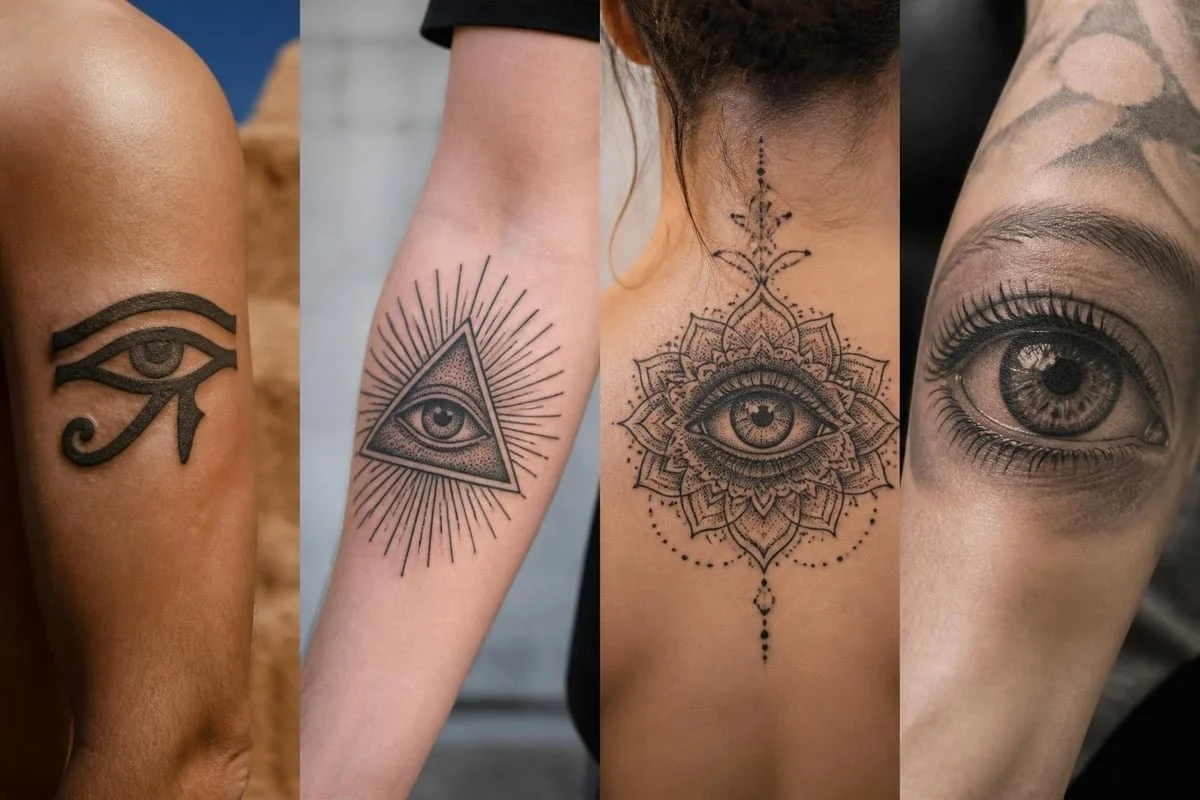
Eye tattoo symbolism across cultures
Different cultures have developed distinct eye representations that carry specific meanings. The Nazar, or Turkish evil eye, features concentric circles in blue and white, believed to reflect harmful intentions back to their source. Greek mati symbols serve similar protective functions, while Hamsa hands often incorporate eye imagery for dual protection symbolism.
Popular Eye Tattoo Design Styles
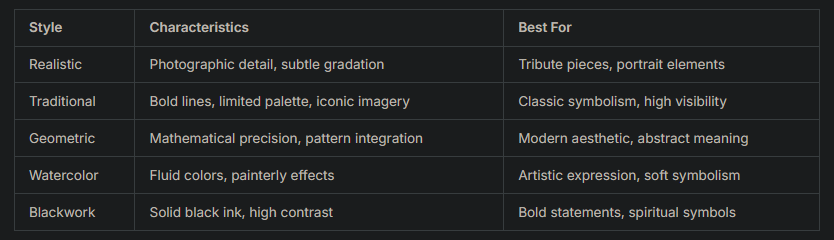
The versatility of eye tattoo design allows artists to execute these powerful symbols across virtually every tattoo style. Each approach offers unique aesthetic qualities and technical challenges that require skilled craftsmanship.
Realistic Eye Tattoos
Realistic eye tattoos showcase an artist's technical mastery through intricate detail and lifelike rendering. These designs capture every nuance of the human eye-iris patterns, light reflections, tear ducts, and individual eyelashes. Fine line and detailed tattoo work excels in this style, creating stunning three-dimensional effects that appear almost photographic.
Key elements of realistic eye designs:
Precise iris color gradation and pattern work
Highlight placement for dimensional depth
Accurate anatomical proportions
Subtle shadowing around orbital structures
Individual lash definition for enhanced realism
Traditional and Neo-Traditional Approaches
Traditional eye tattoo design embraces bold outlines, limited color palettes, and symbolic simplicity. These designs often incorporate surrounding elements like roses, daggers, or geometric shapes. Neo-traditional artists expand upon this foundation with enhanced color theory, dimensional shading, and contemporary artistic interpretation while maintaining the bold, readable quality of traditional work.
Geometric and Abstract Interpretations
Contemporary eye tattoo design frequently incorporates geometric elements, creating fascinating intersections between sacred geometry and ocular symbolism. These pieces might feature eyes within triangular frameworks, mandala patterns radiating from central iris designs, or abstract artistic interpretations that suggest rather than explicitly depict eye imagery.
Dotwork techniques create stunning textural variations in eye tattoos, building dimensional forms through precise dot placement and density variation. This meticulous approach produces unique aesthetic qualities that merge traditional symbolism with contemporary artistic sensibilities.
Placement Considerations for Eye Tattoo Design
Strategic placement significantly impacts the visual effect and personal significance of eye tattoo design. Different body areas offer unique advantages for showcasing these powerful symbols.
Upper Body Placements
Chest and torso locations provide expansive canvases for elaborate eye designs, allowing artists to create large-scale compositions incorporating surrounding elements. Central chest placements often feature protective eye symbols positioned over the heart, while side placements enable asymmetric designs that complement body contours.
Arm placements remain consistently popular for eye tattoo design, offering excellent visibility and versatile sizing options. Upper arm tattoos accommodate both standalone eye designs and integrated sleeve elements. Forearm placements provide flat surfaces ideal for realistic rendering, while wrist tattoos suit smaller, simplified eye symbols.
Back placements between shoulder blades create striking focal points, particularly for spiritual symbols like third eyes or protective talismans. This location offers privacy when desired while providing substantial surface area for detailed work.
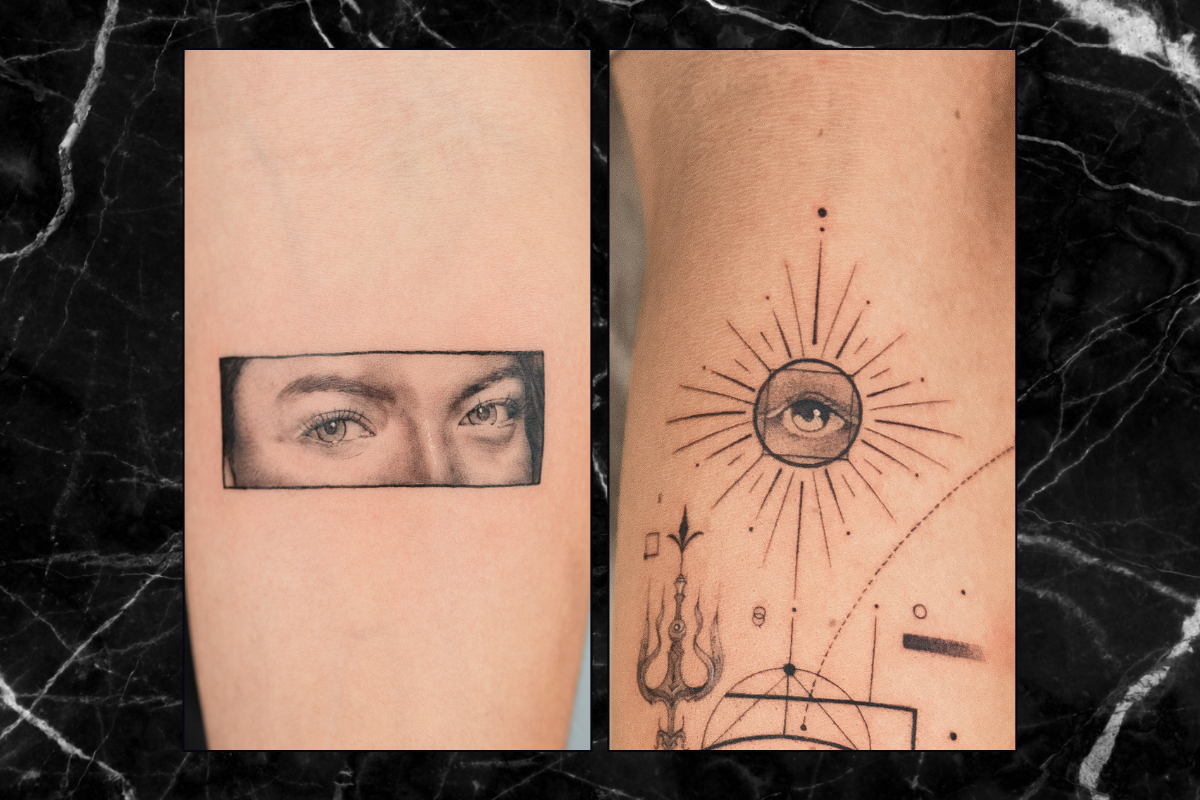
Eye tattoo placement guide
Face and Hand Considerations
While some individuals choose facial tattoo placements for eye designs, particularly third eye positions on the forehead, these highly visible locations require careful consideration. Professional and social implications should be thoroughly evaluated before committing to facial tattoo work.
Hand placements, particularly on the back of hands or fingers, offer visibility and symbolic significance but present unique challenges. These high-movement areas experience more friction and sun exposure, potentially affecting long-term appearance. Understanding proper tattoo placement considerations helps ensure satisfaction with your final choice.
Design Elements and Customization
Exceptional eye tattoo design balances technical execution with personalized meaning, creating artwork that resonates on multiple levels.
Color Selection and Theory
Color choices dramatically impact eye tattoo design aesthetics and symbolism. Realistic pieces require careful color matching to capture natural iris hues-from deep browns and warm hazels to striking blues and greens. Understanding which colors complement your skin tone ensures optimal vibrancy and longevity.
Symbolic color applications add layers of meaning:
Blue: Tranquility, wisdom, spiritual depth
Green: Growth, renewal, prosperity
Brown: Earthiness, stability, warmth
Purple: Mysticism, transformation, royalty
Red: Passion, protection, vitality
Incorporating Complementary Elements
Eye tattoo design gains complexity and personal significance through thoughtful element integration. Floral arrangements, particularly lotus or hibiscus flowers, create organic frameworks around central eye imagery. Geometric patterns, mandalas, or sacred geometry enhance spiritual symbolism while adding visual interest.
Popular complementary elements include:
Timepieces or clock imagery representing mortality and awareness
Natural elements like water droplets suggesting tears or emotion
Cosmic imagery such as stars, moons, or galaxies
Animal integration, particularly predatory species like tigers or eagles
Script or meaningful text woven into the composition
Safety and Health Considerations
While discussing artistic eye tattoo design, it's crucial to address safety considerations, particularly distinguishing between conventional tattoos depicting eyes and the dangerous practice of actual eyeball or scleral tattooing.
Understanding Scleral Tattooing Risks
The practice of scleral or corneal tattooing involves injecting pigment directly into the white of the eye-a procedure that carries severe medical risks. According to comprehensive research on ocular and periocular tattoo complications, these procedures can result in vision loss, chronic pain, infections, and permanent damage.
This article focuses exclusively on eye tattoo design applied to skin surfaces using standard tattooing techniques, not experimental procedures involving actual eye tissue. Always prioritize safety when exploring body modification options.
Conventional Tattoo Safety
Professional eye tattoo design executed on skin surfaces follows standard safety protocols. Choosing the right tattoo studio ensures access to sterile equipment, quality inks, and experienced artists.
Quality tattoo inks undergo scrutiny from health organizations, though regulation varies by jurisdiction. The WHO's perspective on tattooing safety emphasizes the importance of reputable studios and regulated practices. Understanding tattoo ink safety considerations helps clients make informed decisions.
Essential safety practices include:
Verification of autoclave sterilization for equipment
Single-use needle confirmation
Review of artist portfolios for relevant experience
Discussion of ink quality and sourcing
Understanding of proper aftercare protocols
Working with Your Tattoo Artist
Successful eye tattoo design requires collaboration between client vision and artistic expertise. Selecting the right tattoo artist determines your final result's quality and longevity.
Consultation Process
Initial consultations establish design direction and technical feasibility. Bring reference images showcasing desired styles, but understand that skilled artists will adapt rather than simply copy existing work. Discuss symbolism importance, sizing preferences, and placement considerations during this foundational meeting.
Knowing what to expect during your first tattoo session reduces anxiety and promotes better collaboration. Professional artists welcome questions about their process, timeline expectations, and design modifications.
Technical Execution Considerations
Eye tattoo design often requires multiple sessions, particularly for large-scale realistic pieces or complex compositions. Detail work demands time and precision-rushing compromises quality. Understanding what happens during professional tattoo sessions helps set realistic expectations.
Session planning typically involves:
Initial outline and structural foundation
Shading and dimensional work development
Color application and blending (if applicable)
Detail refinement and highlight placement
Final touch-ups and adjustments
Fine line work requires particular steadiness and precision, especially for intricate iris patterns or delicate eyelash details. Artists specializing in detailed realism bring specific technical skills to eye tattoo design execution.
Aftercare for Optimal Healing
Proper healing protocols preserve eye tattoo design quality and promote vibrant, long-lasting results. Understanding tattoo aftercare essentials ensures optimal recovery.
Immediate Aftercare Steps
The first 24-48 hours prove critical for tattoo healing. Keep the area clean, avoid submersion in water, and follow your artist's specific washing instructions. Most professionals recommend gentle, fragrance-free soap and lukewarm water for initial cleaning.
Daily aftercare routine includes:
Gentle washing 2-3 times daily
Pat drying with clean paper towels
Thin layer application of recommended ointment
Avoiding direct sunlight exposure
Loose, breathable clothing over the tattooed area
Long-Term Maintenance
Easier tattoo healing continues beyond the initial weeks. Eye tattoo design longevity depends on consistent sun protection, as UV exposure causes fading and detail loss. Apply broad-spectrum sunscreen to healed tattoos, understanding UV protection requirements for tattoos.
Moisturization maintains skin health and tattoo vibrancy. Quality, fragrance-free lotions keep skin supple without compromising ink stability. Avoid petroleum-based products during healing, as these can draw ink from fresh tattoos.
Cultural Sensitivity and Appropriation Awareness
When exploring eye tattoo design rooted in specific cultural traditions, approach these symbols with respect and understanding. Certain designs carry sacred significance within their originating cultures, and thoughtful consideration prevents appropriation.
Researching Cultural Context
Traditional Thai tattoos and other culturally significant designs deserve proper research before incorporation. Some symbols require specific ceremonial application or carry meanings inappropriate for casual adoption. Consult with artists familiar with these traditions and consider whether your connection to the symbolism justifies its use.
Egyptian, Greek, Turkish, and other historical eye symbols generally carry more universal accessibility, though understanding their original contexts enriches personal meaning. Research enhances appreciation rather than diminishing the appeal of these powerful designs.

Eye tattoo customization process
Cover-Up and Rework Possibilities
Eye tattoo design occasionally requires modification, whether updating older work or covering previous tattoos. The bold outlines and dense shading common in eye designs make them effective cover-up choices.
Strategic Cover-Up Planning
Larger eye designs effectively conceal smaller previous tattoos, particularly when incorporating surrounding elements. Dark iris colors and deep shadowing mask underlying ink while creating visually striking new artwork. Professional tattoo cover-up work requires experience in layering techniques and strategic design placement.
Artists specializing in cover-ups assess previous tattoo darkness, line quality, and size when planning eye tattoo design overlays. Multiple sessions often prove necessary for optimal opacity and color saturation over existing work.